
AppsFromResearch
CanopyApp icon

CanopyApp

Evidence Tier:VALIDATED

Initial research evidence · Mixed findings

For:Researchers & AcademicsGeneral Public & EnthusiastsIndustry Professionals

App Summary

CanopyApp is a mobile densiometer that uses a smartphone's camera and gyroscope to help researchers and environmental managers measure forest canopy cover. The associated research highlights the need for accessible and reliable digital tools to quantify canopy cover, a key metric for assessing ecosystem health and biodiversity. By simplifying data collection, the tool aims to support land management decisions and ecological studies investigating habitat integrity.

App Screenshots

CanopyApp screenshot 1 of 6CanopyApp screenshot 2 of 6CanopyApp screenshot 3 of 6CanopyApp screenshot 4 of 6CanopyApp screenshot 5 of 6CanopyApp screenshot 6 of 6

Detailed Description

Functionality & Mechanism

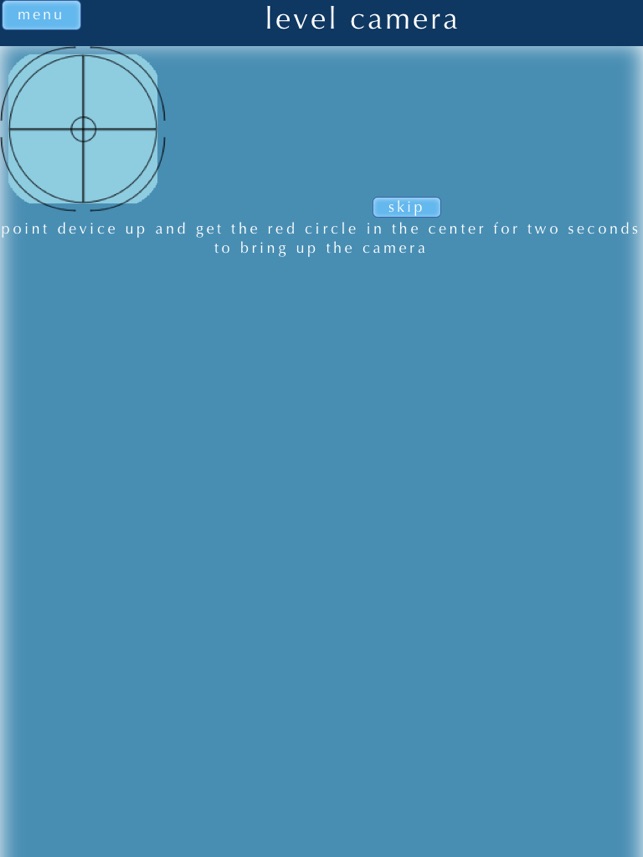
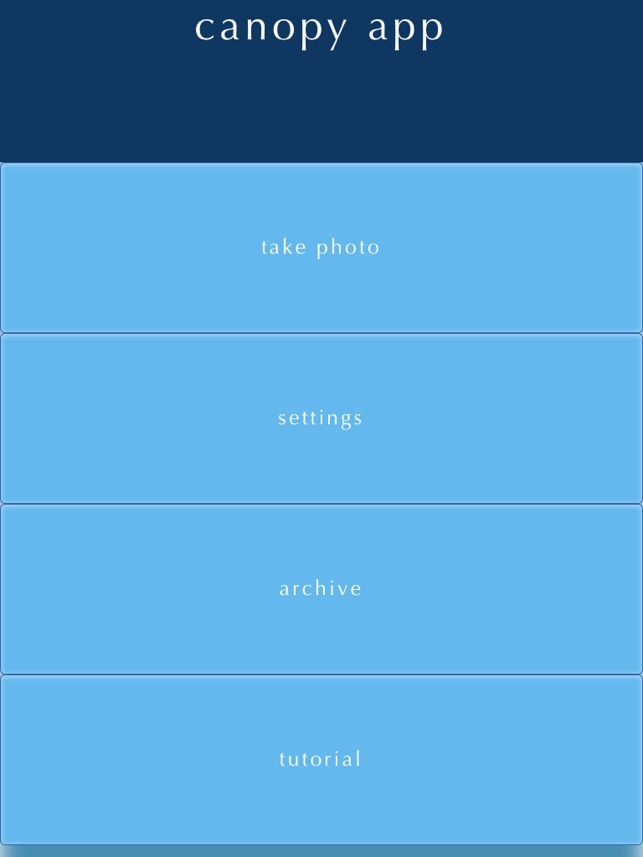
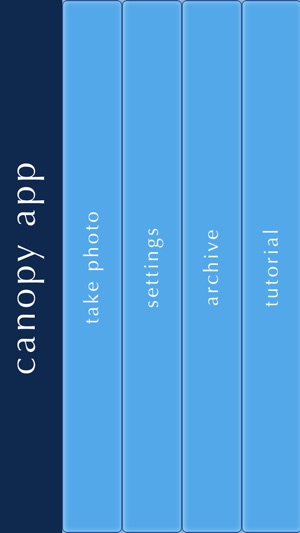
CanopyApp is an environmental analysis tool designed to quantify forest canopy cover. The system leverages a device's internal gyroscope to ensure photographic images are captured parallel to the ground, standardizing data collection. The interface requires users to manually classify canopy elements and sky by selecting pixels corresponding to leaf color. This classification process computes a percentage of canopy closure, providing a digital alternative to traditional densiometer measurements for field-based ecological assessments.

Evidence & Research Context

  • A comparative study assessed the reliability of mobile applications, including CanopyApp, against traditional densiometer readings for quantifying canopy cover in Southern Appalachian bogs.
  • The app has been utilized as a field data collection tool in ecological research, including studies assessing stream habitat integrity and its effects on insect biodiversity.
  • The methodology is grounded in digital image processing and gyroscopic stabilization to provide an accessible, low-cost alternative to specialized forestry equipment.

Intended Use & Scope

This tool is designed for ecologists, land managers, researchers, and students for rapid, field-based estimation of canopy cover. Its primary utility is as an accessible digital densiometer. The system provides quantitative estimates, but it does not replace high-precision instruments for regulatory compliance or advanced research requiring sub-canopy structural data. Accuracy is dependent on user classification.

Studies & Publications

2 publications

Peer-reviewed research associated with this app.

Non-Evaluative Reference

Heterogeneity in altered streams does not increase the richness of stream specialist species of Odonata in the Maranhense Cerrado

Veras et al. (2024) · Journal of Insect Conservation

Referenced in academic literature; no direct evaluation of the app
The Brazilian Cerrado is a biodiversity hotspot that has suffered significant vegetation loss in the states that make up the so-called MATOPIBA region in recent years an area currently experiencing soybean cultivation expansion in Brazil. This expansion can change the environmental conditions of freshwater streams, as they receive the impacts of activities occurring in their drainage basin. In this study, we assessed how anthropogenic activities impact the conservation status and environmental heterogeneity of streams and how these modifications affect the proportion between abundance and species richness among the suborders of Odonata (Anisoptera and Zygoptera). We also assessed whether conserved streams had a greater number of specialist species when compared to altered streams. To assess these objectives, we collected data from 24 streams within matrices presenting a gradient in their integrity and vegetation cover conditions. Altered areas showed a tendency higher to heterogeneity compared to preserved streams. As expected, we observed that the proportion of abundance and species richness of Zygoptera was higher in preserved streams, while for Anisoptera, it was higher in altered streams. Despite altered sites having higher environmental heterogeneity, we failed to register of a greater number of specialist species in these areas. This implies that the presence of riparian forests is essential for maintaining habitat integrity supporting the maintenance of species that are more sensitive to changes in environmental gradients. Implications for insect conservation: We underscore the significance of permanent protection areas in maintaining the habitat integrity of streams and preserving the diversity of Odonata species, particularly for Zygoptera.
... Read More
Validation Study

Comparing photographic and GIS-based applications for estimating canopy cover in southern Appalachian bogs

Landert et al. (2016) · National Conference on Undergraduate Research

Evaluation compared different measurement methods but results were inconclusive.

Mountain bogs are among the rarest natural communities in the Southern Appalachians. For the past several years, UNC Asheville faculty and students have been collecting data on a wide variety of parameters such as water levels, water quality, soils, vegetation surveys, and GPS locations of key features in these bogs. A better understanding of these parameters will ultimately lead to better management decisions in the future. Bog management involves linking and being able to analyze biotic and abiotic processes and components of the bog ecosystem. One of these key processes is evapotranspiration, the process by which plants draw water from the ground and transpire it into the atmosphere. Trees and underbrush are often manually removed from bogs to reduce evapotranspiration, open the canopy, and restore more natural conditions. Quantifying canopy cover in mountain bogs will help determine the amount of vegetation to remove. However, methods for determining canopy cover are often either cheap but labor intensive or faster but expensive. As a result, there are few methods that are both readily-accessible and reliable. The purpose of this study is twofold. The first goal is to investigate free and inexpensive cell phone applications or 'apps' that can be used to process canopy cover images and determine which, if any, produce reliable data. The second goal is to evaluate ESRI ArcGIS classified imagery to determine canopy cover and then test both the 'apps' and GIS-based process against traditional densiometer readings which have been used for decades.
... Read More

CanopyApp

Free