AppsFromResearch
EL-FIT icon

EL-FIT

Evidence Tier:VALIDATED

Shows promise in preliminary research

For:Researchers & AcademicsClinicians & Healthcare Professionals

App Summary

EL-FIT is a home-based physical training app designed to monitor, motivate, and prehabilitate patients with advanced liver disease who are awaiting a transplant. A preliminary pilot study (N=15) found that a 12-week intervention using the app with coaching significantly improved participants' scores on the Liver Frailty Index and their 6-minute walk test distance. The associated research concludes that a mobile-assisted telehealth regimen using the app can meaningfully improve key physical fitness outcomes for liver transplant candidates.

App Screenshots

EL-FIT screenshot 1 of 8EL-FIT screenshot 2 of 8EL-FIT screenshot 3 of 8EL-FIT screenshot 4 of 8EL-FIT screenshot 5 of 8EL-FIT screenshot 6 of 8EL-FIT screenshot 7 of 8EL-FIT screenshot 8 of 8

Detailed Description

Functionality & Mechanism

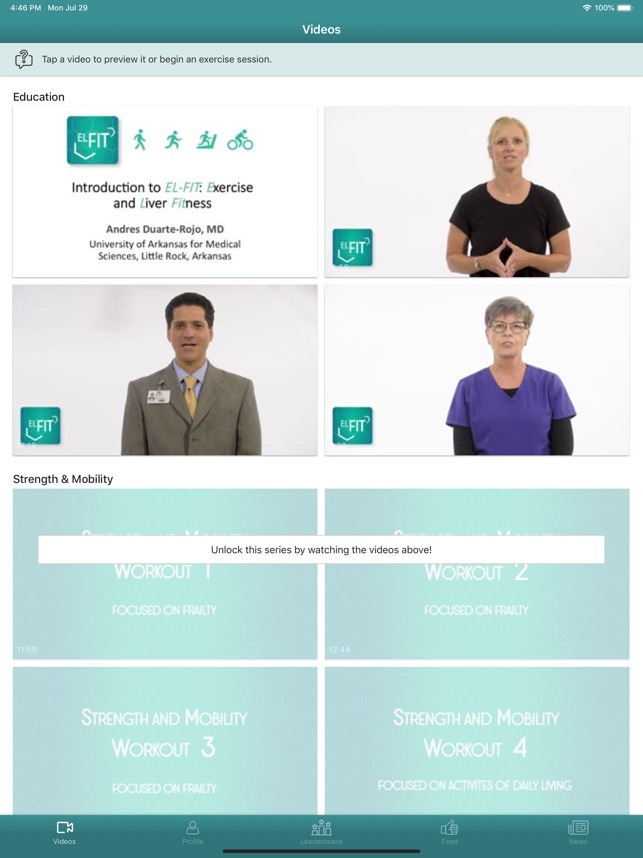
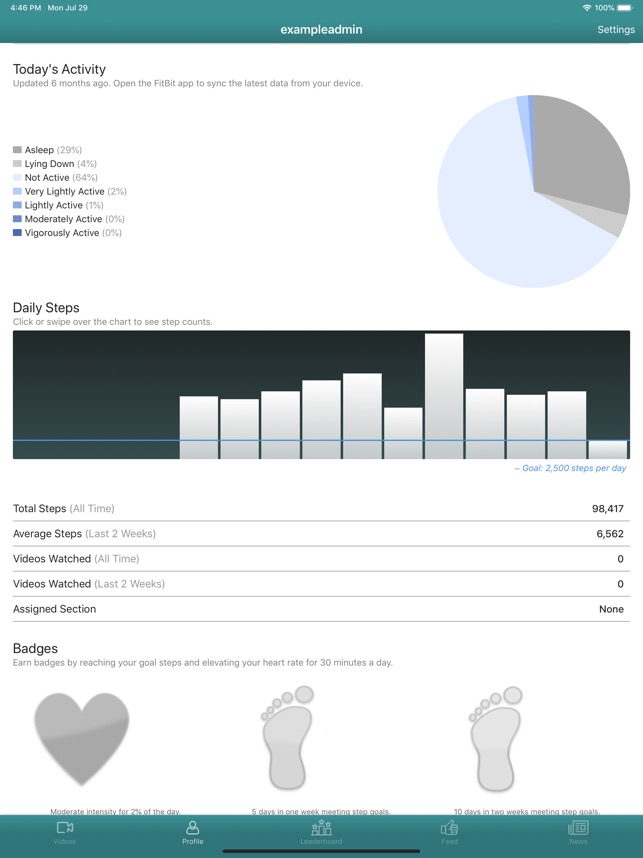
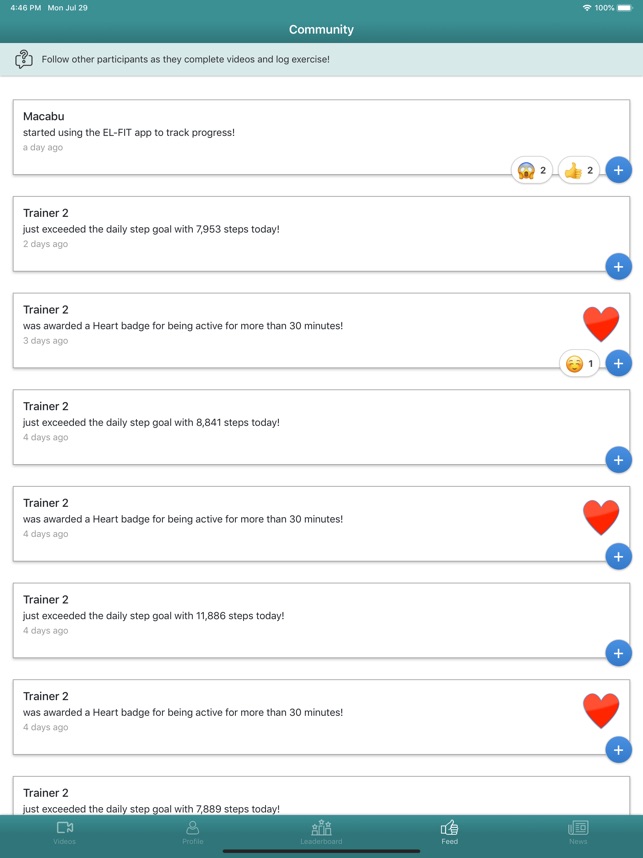
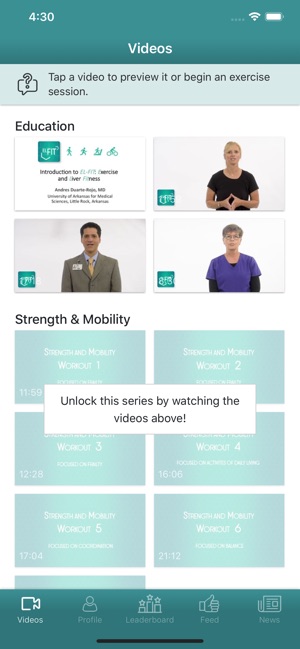
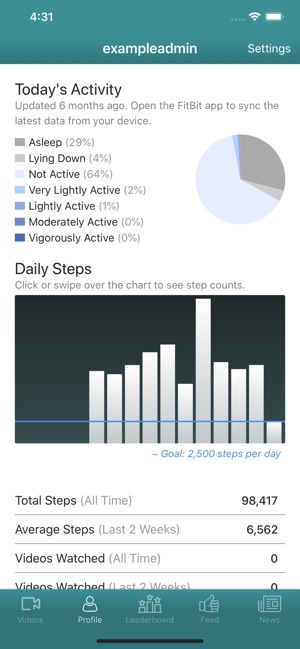
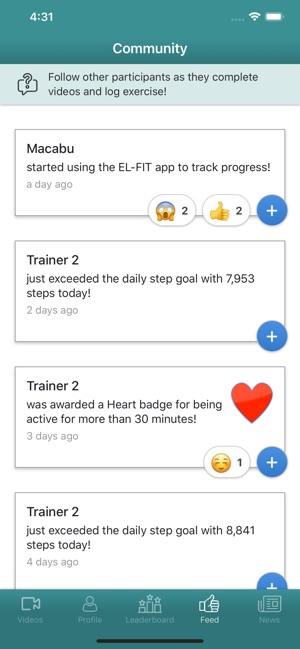
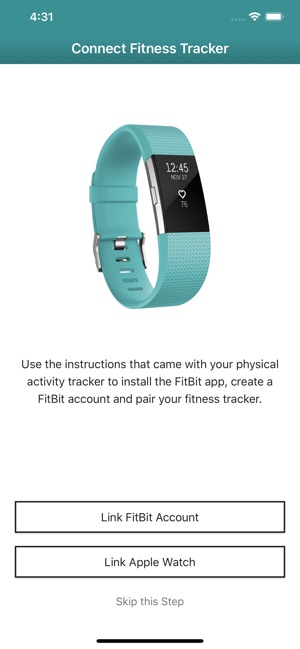
EL-FIT is a mobile health application designed to facilitate home-based prehabilitation for patients with advanced liver disease. The system integrates with a wearable activity tracker to monitor physical performance, including daily steps and heart rate. The interface delivers video-guided exercise sessions and assigns a training level to the user. To promote engagement, the app leverages gamification elements, captures user-reported data on perceived exertion, and provides features to foster a sense of community among participants.

Evidence & Research Context

  • Across two preliminary studies involving liver transplant candidates (N=59 total), the platform demonstrated robust feasibility, usability, and fidelity in data transfer from wearable trackers.
  • An initial feasibility study (N=28) established an 89% agreement between the training level assigned by the app and assessments performed by a physical therapist.
  • A pilot trial (N=31 enrolled, 15 completed) of a 12-week intervention found the app-supported regimen significantly improved the Liver Frailty Index (mean change -0.37) and 6-minute walk test distance (mean change +40m).
  • The intervention met predefined targets for feasibility, with 68% of enrolled subjects initiating the program and 57% of active participants meeting primary training endpoints.

Intended Use & Scope

This application is intended for use by clinicians to support and monitor prehabilitation regimens for patients awaiting liver transplantation. Its primary utility is as an adjunct tool for structured, home-based exercise and activity tracking. The system is not a substitute for direct clinical oversight, formal physical therapy, or comprehensive frailty assessment, which should guide its implementation.

Studies & Publications

4 publications

Peer-reviewed research associated with this app.

Pilot/Feasibility Study

Use of a mobile-assisted telehealth regimen to increase exercise in transplant candidates: A home-based prehabilitation pilot and feasibility trial

Duarte-Rojo et al. (2023) · Clinical and Translational Gastroenterology

Home-based mobile exercise program improved liver frailty scores and walking distances in transplant candidates.

INTRODUCTION: Physical fitness assessed by the Liver Frailty Index (LFI) and 6-minute walk test (6MWT) informs the prognosis of liver transplant candidates, although there are limited data on its reversibility after prehabilitation. On a home-based exercise trial, we aimed to improve LFI and 6MWT and to investigate trial feasibility and intervention adherence. METHODS: Liver transplant candidates with cirrhosis wore a personal activity tracker and used Exercise and Liver FITness app for 14 weeks, including a 2-week technology acclimation run-in. The 12-week intervention consisted of Exercise and Liver FITness app plus personal activity tracker and 15-/30-minute weekly calls with a physical activity coach aiming to complete ≥2 video-training sessions/week, or ≥500 step/d baseline increase for ≥8 weeks. We defined feasibility as ≥66% of subjects engaging in the intervention phase and adherence as ≥50% subjects meeting training end point. RESULTS: Thirty-one patients (61 ± 7 years, 71% female, model for end-stage liver disease 17 ± 5, ∼33% frail) consented and 21 (68%) started the intervention. In the 15 subjects who completed the study, LFI improved from 3.84 ± 0.71 to 3.47 ± 0.90 (P = 0.03) and 6MWT from 318 ± 73 to 358 ± 64 m (P = 0.005). Attrition reasons included death (n = 4) and surgery (n = 2). There was 57% adherence, better for videos than for walking, although daily steps significantly increased (3,508 vs baseline: 1,260) during best performance week. One adverse event was attributed to the intervention. DISCUSSION: Our clinical trial meaningfully improved LFI by 0.4 and 6MWT by 41 m and met feasibility/adherence goals. In-training daily step increase supported physical self-efficacy and intervention uptake, but maintenance remained a challenge despite counseling.
... Read More
Pilot/Feasibility Study

Use of a Mobile-Assisted Telehealth Regimen to Increase Exercise in Transplant Candidates: A Home-Based Prehabilitation Pilot and Feasibility Trial

Duarte-Rojo et al. (2023) · Clinical and Translational Gastroenterology

Feasibility confirmed — participants who completed the program showed significant improvements in fitness measures.

Physical fitness assessed by the Liver Frailty Index (LFI) and 6-minute walk test (6MWT) informs the prognosis of liver transplant candidates, although there are limited data on its reversibility after prehabilitation. On a home-based exercise trial, we aimed to improve LFI and 6MWT and to investigate trial feasibility and intervention adherence. Liver transplant candidates with cirrhosis wore a personal activity tracker and used Exercise and Liver FITness app for 14 weeks, including a 2-week technology acclimation run-in. The 12-week intervention consisted of Exercise and Liver FITness app plus personal activity tracker and 15-/30-minute weekly calls with a physical activity coach aiming to complete ≥2 video-training sessions/week, or ≥500 step/d baseline increase for ≥8 weeks. We defined feasibility as ≥66% of subjects engaging in the intervention phase and adherence as ≥50% subjects meeting training end point. Thirty-one patients (61 ± 7 years, 71% female, model for end-stage liver disease 17 ± 5, ∼33% frail) consented and 21 (68%) started the intervention. In the 15 subjects who completed the study, LFI improved from 3.84 ± 0.71 to 3.47 ± 0.90 ( P = 0.03) and 6MWT from 318 ± 73 to 358 ± 64 m ( P = 0.005). Attrition reasons included death (n = 4) and surgery (n = 2). There was 57% adherence, better for videos than for walking, although daily steps significantly increased (3,508 vs baseline: 1,260) during best performance week. One adverse event was attributed to the intervention. Our clinical trial meaningfully improved LFI by 0.4 and 6MWT by 41 m and met feasibility/adherence goals. In-training daily step increase supported physical self-efficacy and intervention uptake, but maintenance remained a challenge despite counseling.
... Read More

EL-FIT

Free