
NASA Science: Plant Growth
Published in academic literature
App Summary
App Screenshots
Detailed Description
Functionality & Mechanism
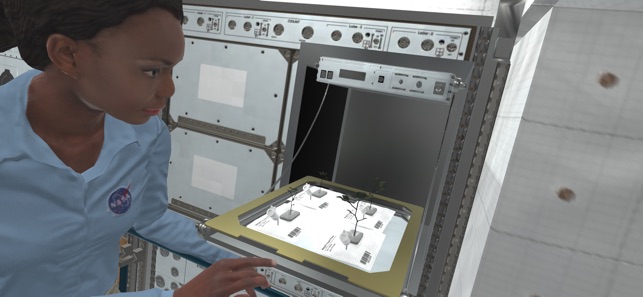
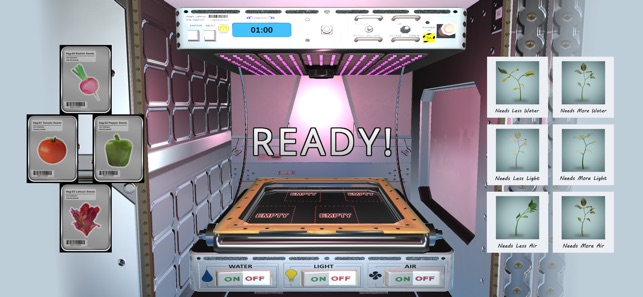
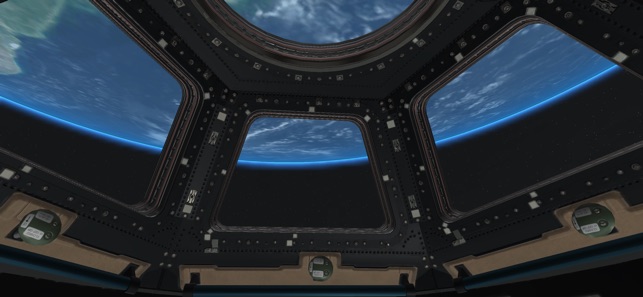
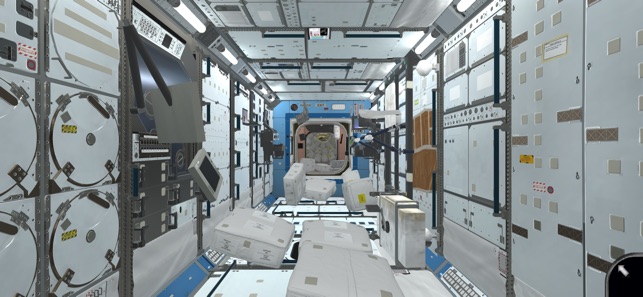
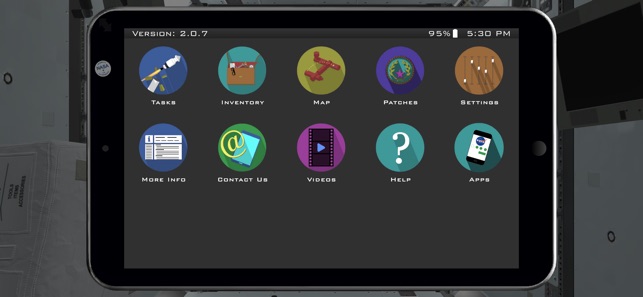
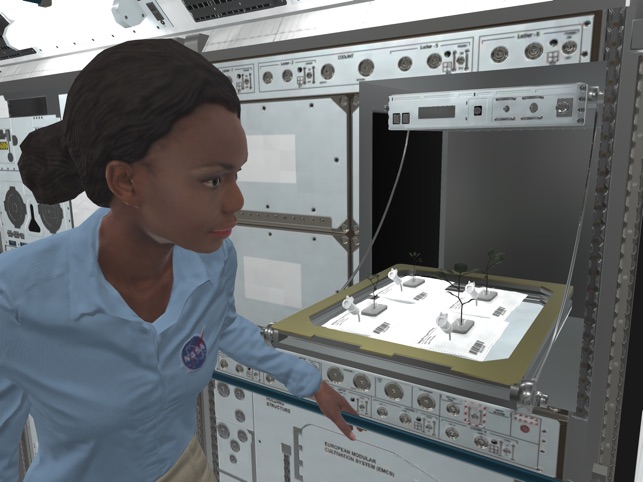
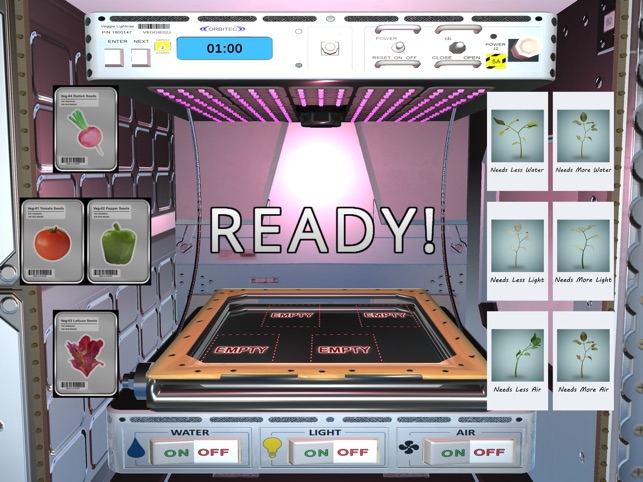
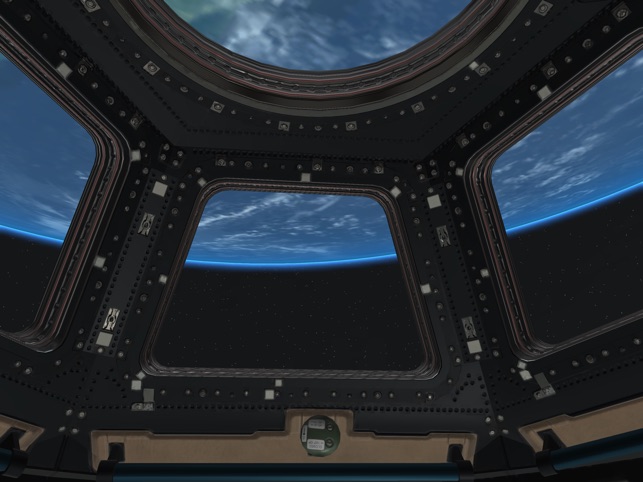
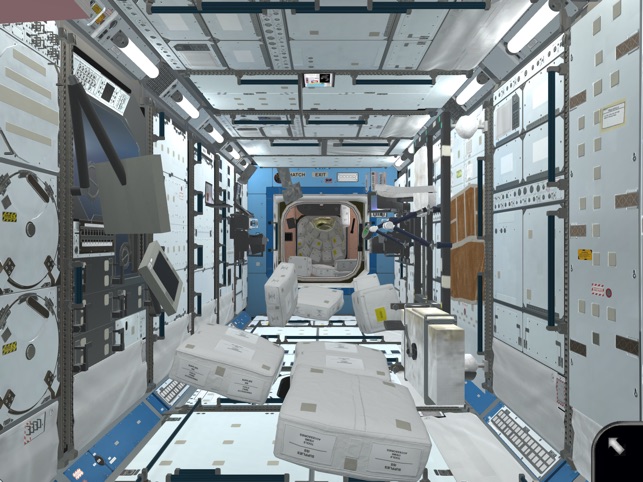
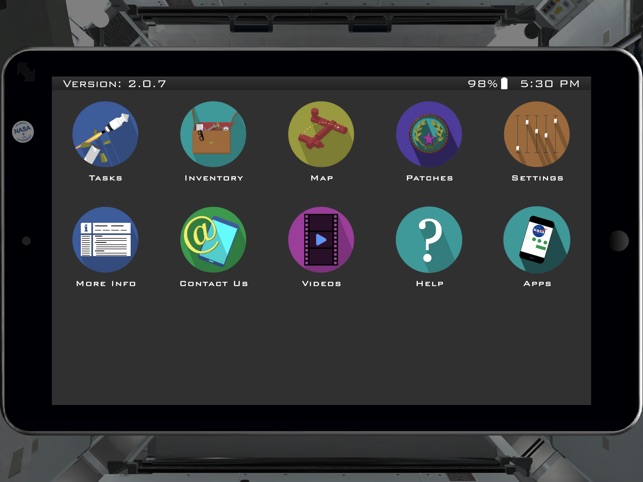
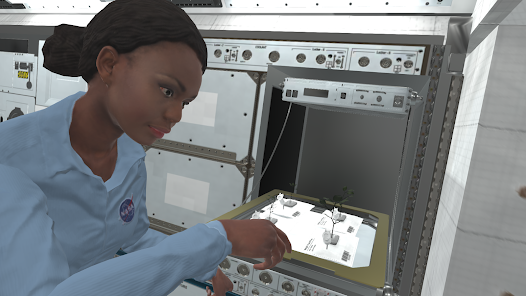
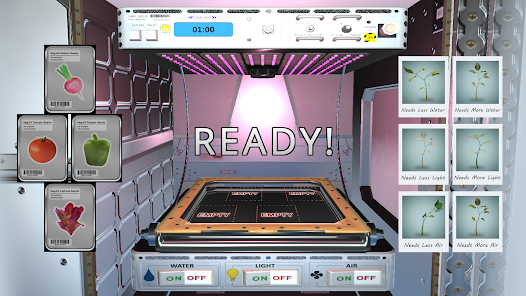
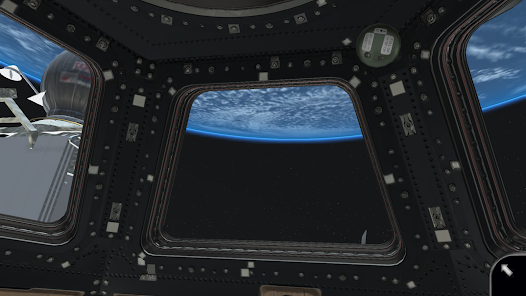
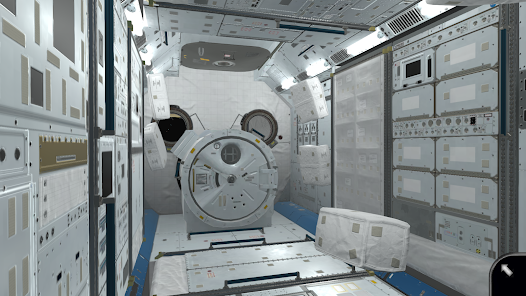
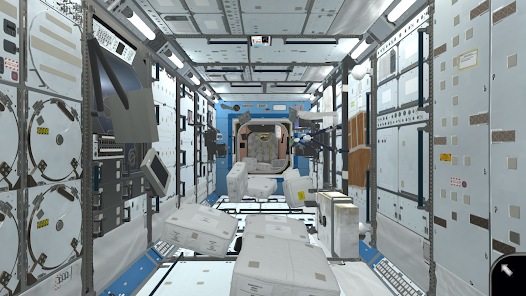
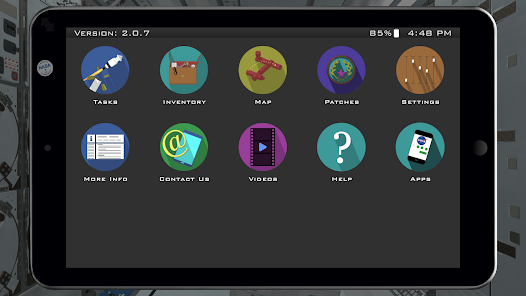
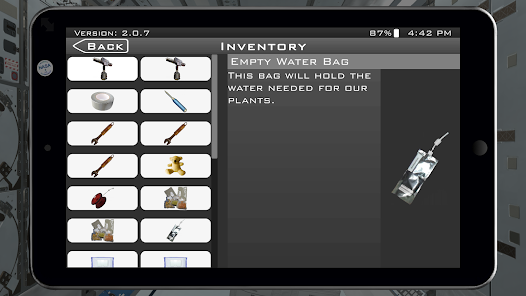
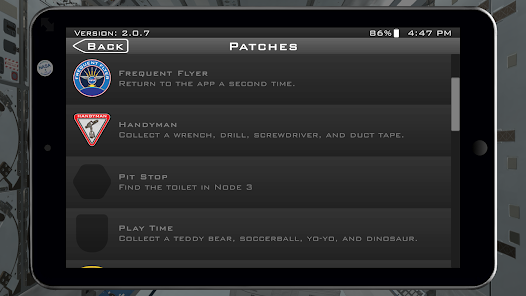
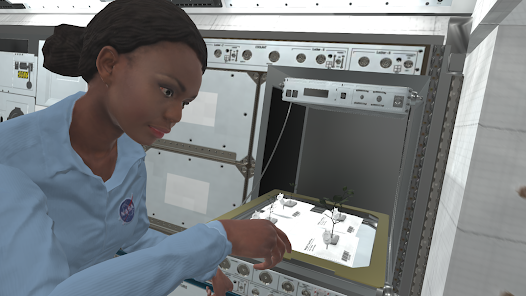
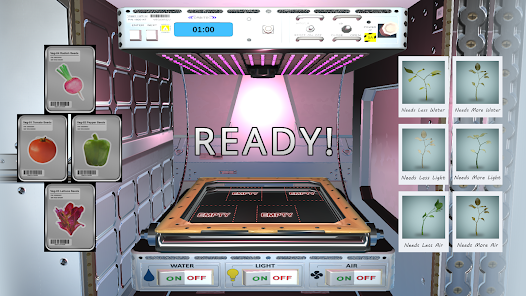
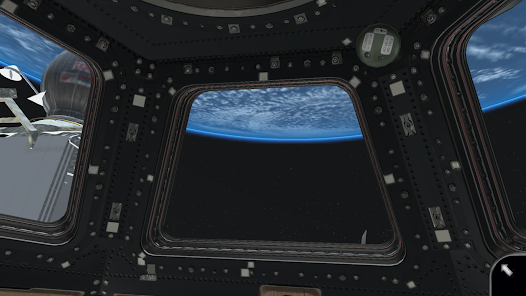
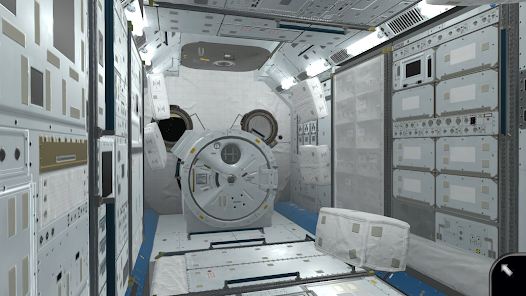
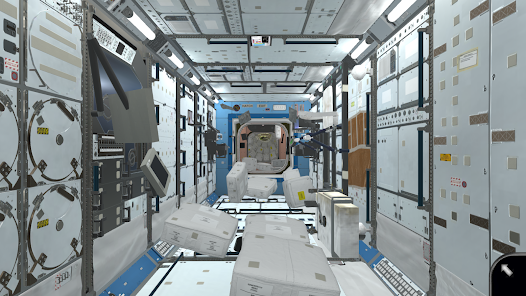
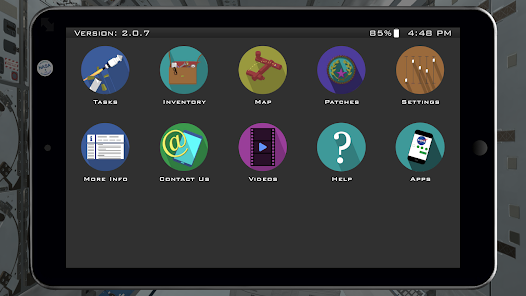
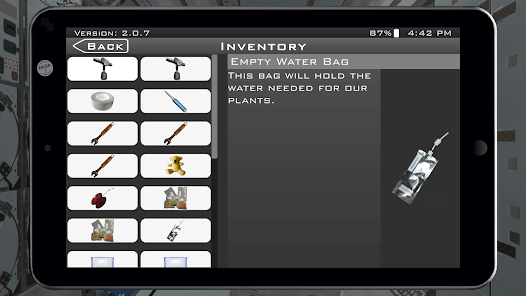
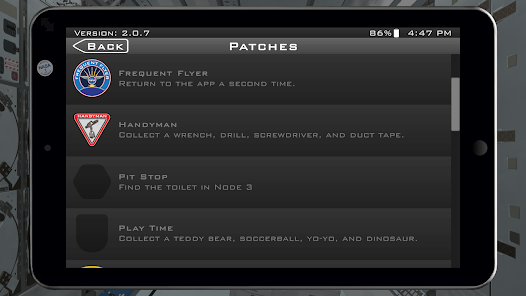
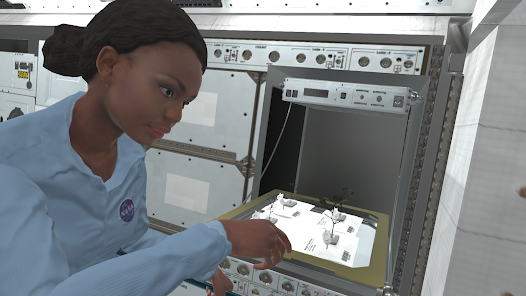
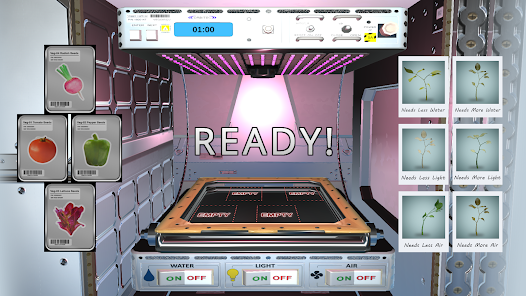
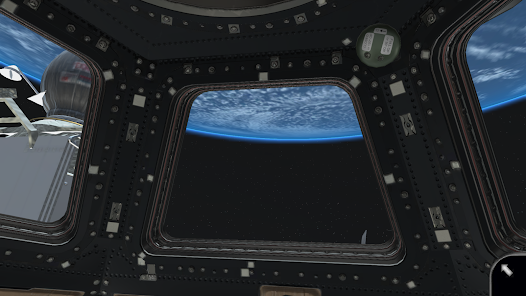
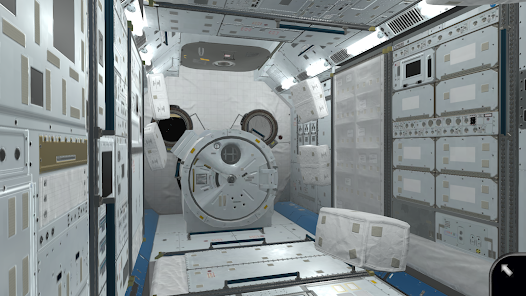
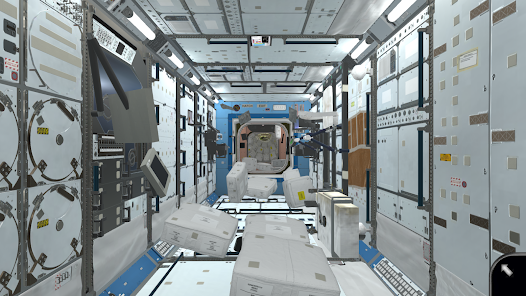
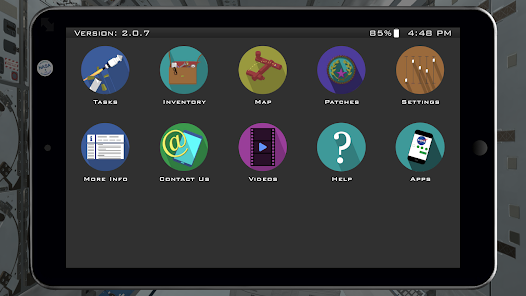
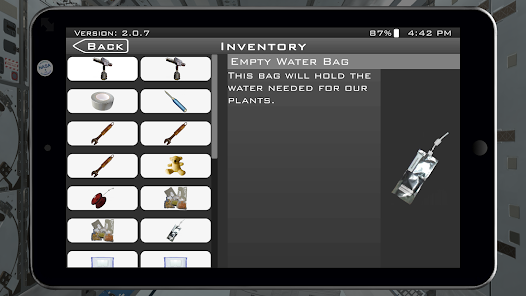
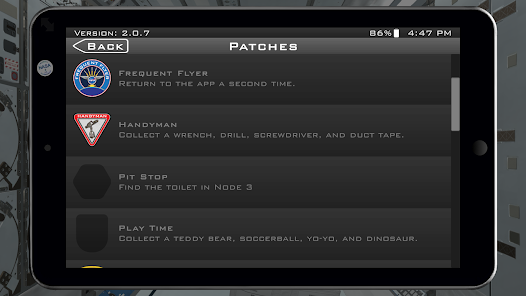
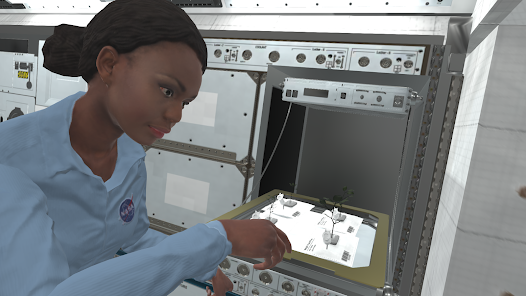
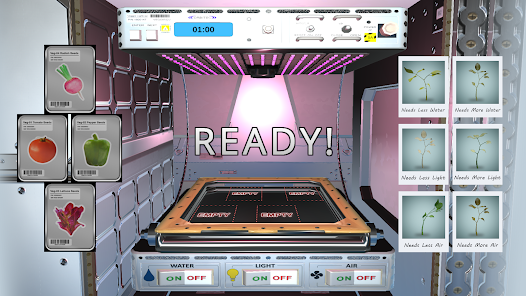
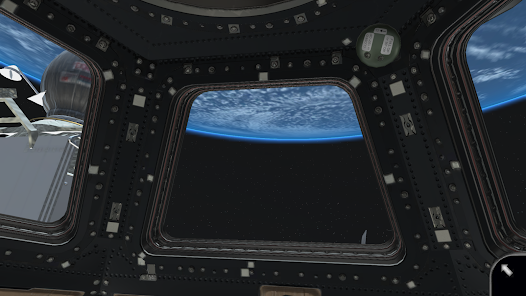
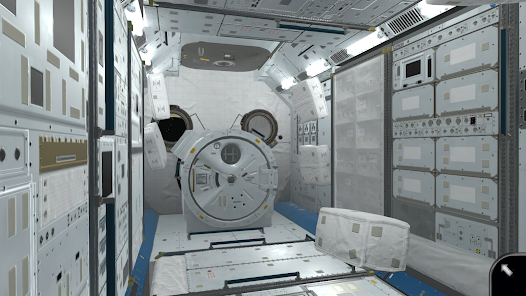
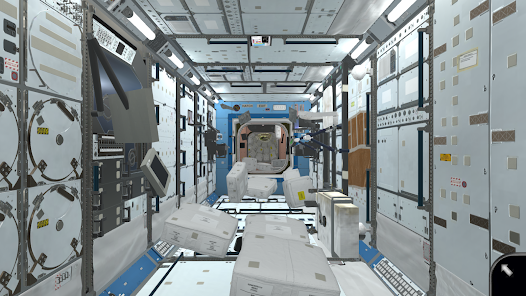
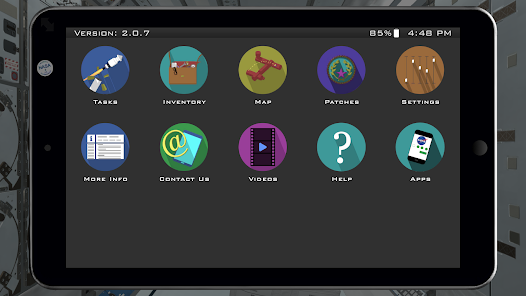
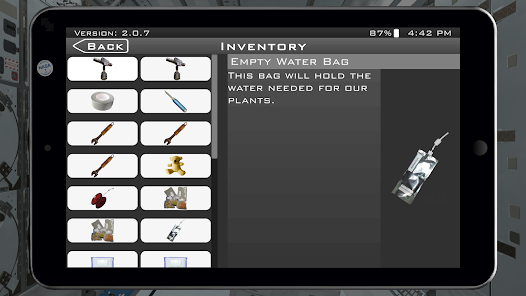
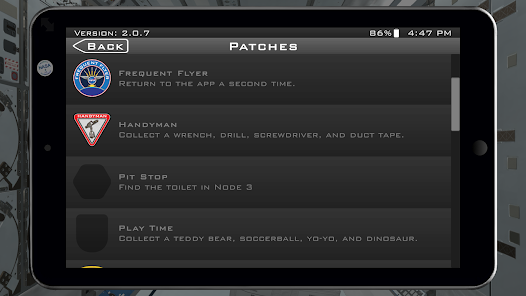
Developed by NASA, this educational tool simulates astrobotany research aboard the International Space Station. The system immerses the user in a zero-gravity environment, first facilitating navigation training before presenting a series of plant growth experiments. Core modules guide the user through challenges inherent to microgravity, such as irrigation and lighting optimization. The interface tracks progress via a mission patch reward system and includes supplementary educational materials on plant biology for classroom or home application.
Evidence & Research Context
- The simulation is grounded in established research priorities concerning plant biology's role in enabling human space exploration and developing bioregenerative life support systems.
- Associated research protocols detail the significant logistical and resource challenges of conducting plant experiments in space, including constraints on power, crew time, and sample size.
- The app's educational content aligns with a scientific vision that leverages space-based platforms to investigate fundamental plant responses to gravity and environmental stress.
- This body of research highlights the complexities of spaceflight science and the need for innovative approaches to establish sustainable crop production beyond Earth.
Intended Use & Scope
This simulation is intended for educators, students, and the general public as an introductory educational tool. Its primary utility is to deliver pedagogical content on the principles and challenges of astrobotany in a microgravity environment. The system simplifies complex biological and engineering concepts and is not designed for professional research, data collection, or formal astronaut training.
Studies & Publications
Peer-reviewed research associated with this app.
Expanding Frontiers: Harnessing Plant Biology for Space Exploration and Planetary Sustainability
Fountain et al. (2025) · NASA Technical Reports Server
Referenced in academic literature; no direct evaluation of the appConducting Plant Experiments in Space and on the Moon
Shymanovich et al. (2022) · Plant Gravitropism: Methods and Protocols
Referenced in academic literature; no direct evaluation of the appIn the Media
Students aid NASA's plant growth research in space
The Fairchild Tropical Botanic Garden developed the Growing Beyond Earth project to support NASA's goal of cultivating crops for deep-space missions, engaging 6th-12th grade students in real-world plant growth experiments that simulate space agriculture conditions. Over 8,000 students from more than 400 schools nationwide participate this year, conducting experiments in plant habitats designed to mimic NASA's VEGGIE system aboard the International Space Station. The nine-year initiative has evolved into one of the largest student-led citizen science projects, providing NASA with critical data on plant resilience for future Mars missions.
Watch How Students Help NASA Grow Plants in Space: Growing Beyond Earth
NASA partnered with Fairchild Tropical Botanic Garden to develop the Growing Beyond Earth project, enabling students to advance space agriculture research using classroom habitats similar to the International Space Station's VEGGIE system. This year, over 8,000 students from 400+ schools are testing edible plant varieties, studying radiation effects, and exploring optimal light spectrums for space radishes. The citizen science initiative, now in its 9th year, aims to develop sustainable food production methods for long-distance space missions.
App Information
Developer
NASACategory
Evidence Profile
Published in academic literature
Platforms
Updated
Dec 2025
© 2025 NASA