
Utah TRAPs: Alerts for Pests
Published in academic literature
App Summary
App Screenshots
Detailed Description
Functionality & Mechanism
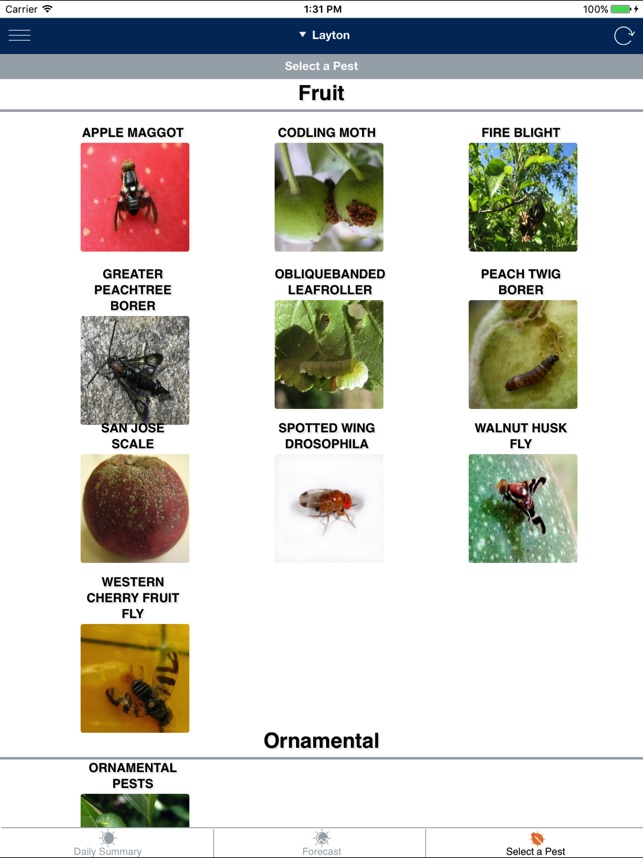
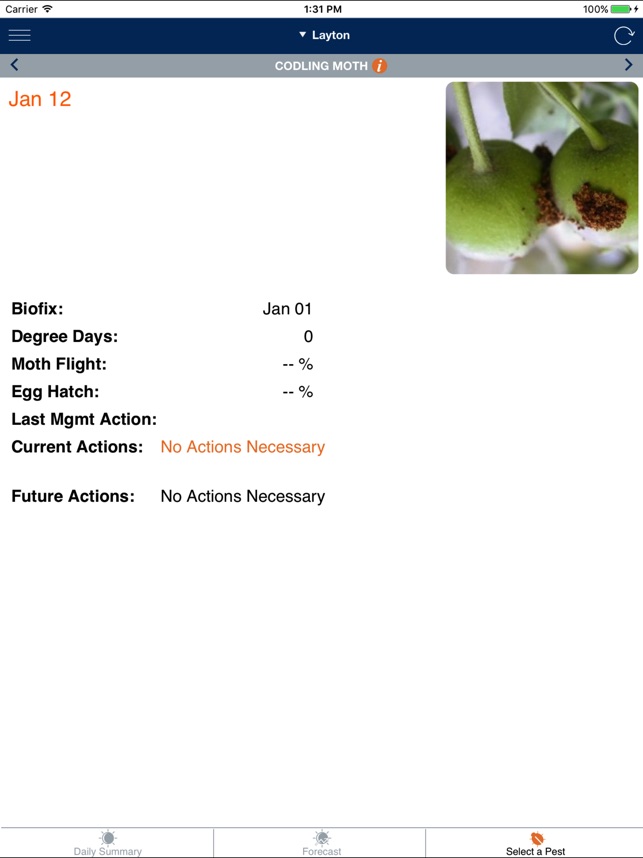
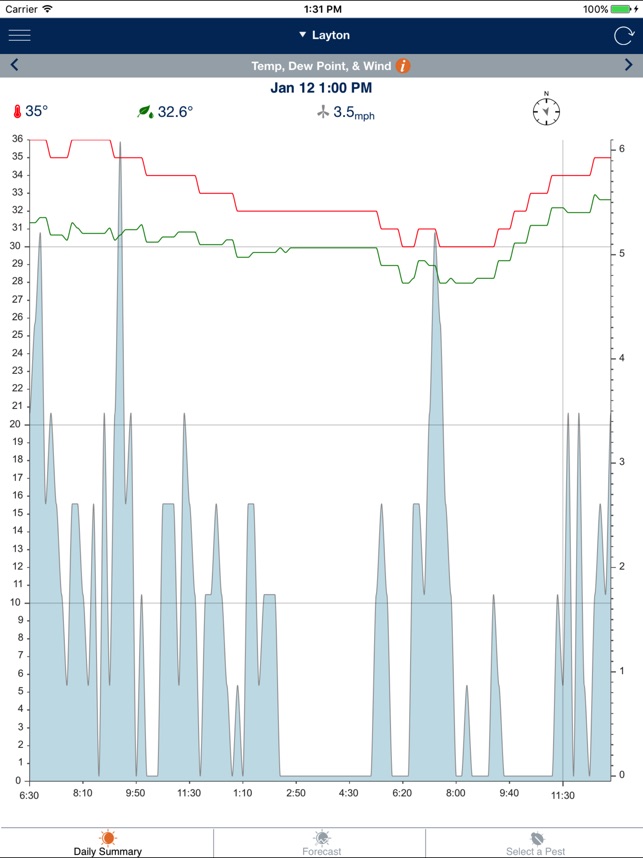
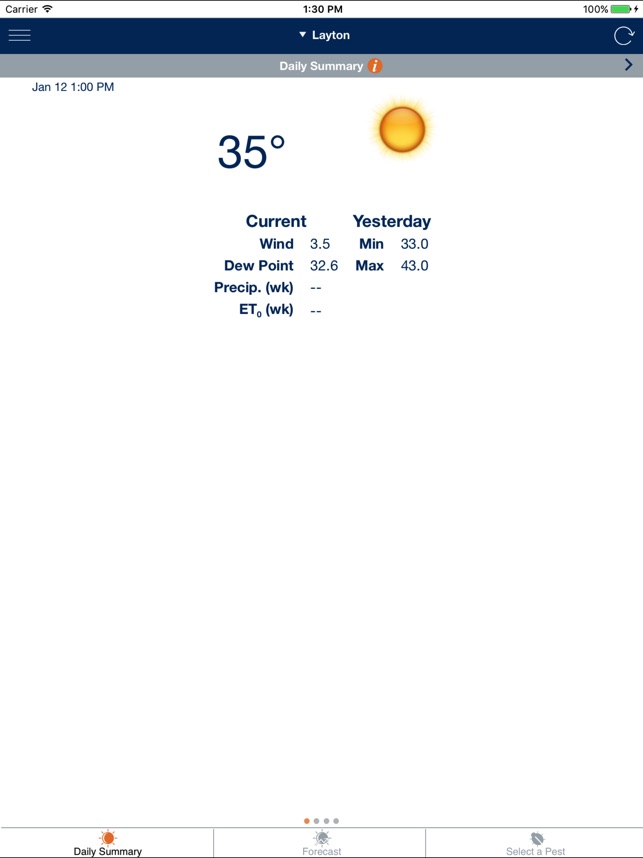
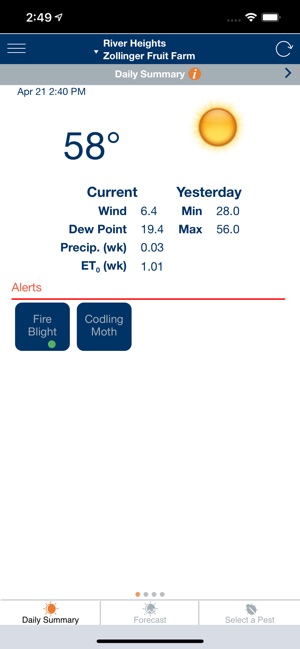
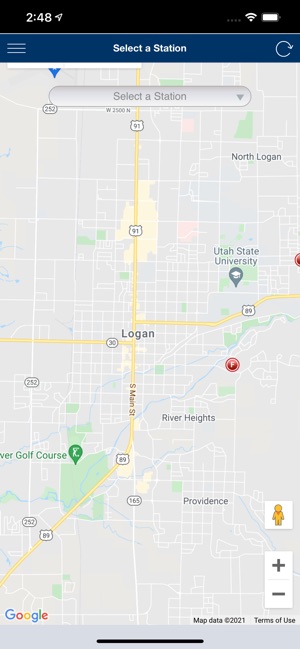
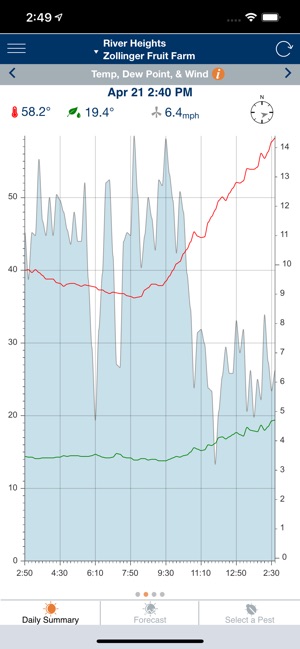
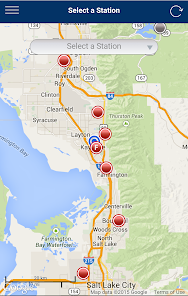
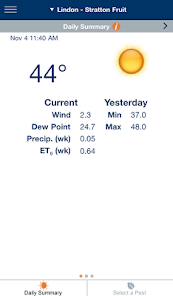
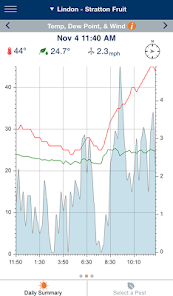
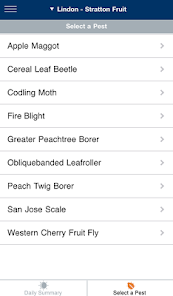
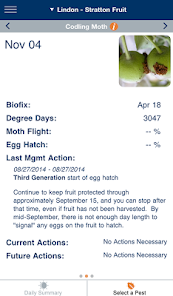
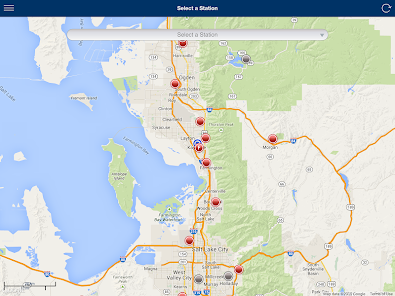
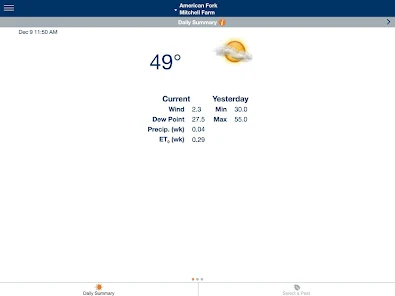
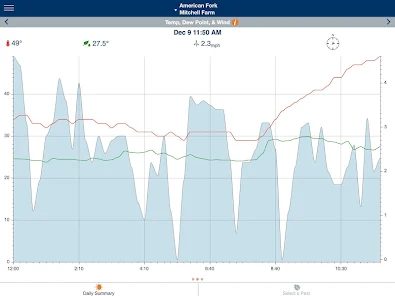
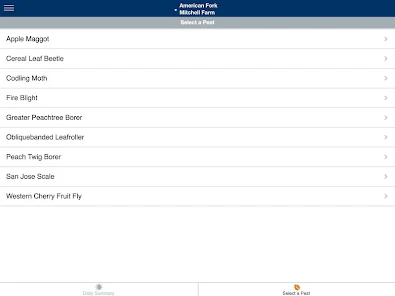
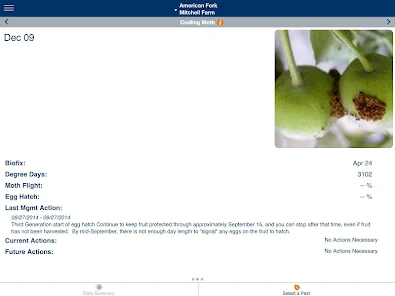
Developed by Utah State University, Utah TRAPs is a decision-support system that integrates real-time meteorological data with pest phenology models. The interface leverages data from over 95 weather stations to generate location-specific recommendations. Upon selecting a site and target pest (e.g., codling moth), the system computes degree-day accumulations and displays current weather conditions, pest emergence forecasts, and treatment timing advisories. Data is visualized through graphs detailing historical and projected pest activity and weather patterns.
Evidence & Research Context
- The system was developed as a decision-aid tool by the Utah State University Integrated Pest Management Program and the Utah Climate Center to facilitate improved pest management, frost protection, and irrigation scheduling.
- The core mechanism calculates degree-day (DD) accumulation to model pest development, enabling management actions to be synchronized with pest biology rather than fixed calendar dates.
- Published management guides for commercial and home orchards in the Western U.S. incorporate the tool for timing interventions against key pests such as Cydia pomonella (codling moth).
- The system provides distinct configurations (e.g., "Fixed Biofix," "Trap Biofix") to accommodate different user contexts, such as home growers without pheromone traps or commercial producers with site-specific monitoring data.
Intended Use & Scope
This tool is designed for commercial agricultural producers, home orchardists, and crop consultants as a decision-support system for integrated pest management. Its primary utility is to optimize the timing of interventions using phenological models and real-time weather data. The system provides guidance and is not a substitute for professional agricultural consultation or adherence to local regulations.
Studies & Publications
Peer-reviewed research associated with this app.
Managing Codling Moth in Commercial Orchards
Montana State University et al. (2025)
Referenced in academic literature; no direct evaluation of the appManaging codling moth in the home orchard. Western Agricultural Research Center.
Montana State University et al. (2025)
Referenced in academic literature; no direct evaluation of the appIn the Media
Pest Management Made Easy with New USU Extension App
The Utah Climate Center and Utah State University Extension Integrated Pest Management Program developed Utah TRAPs (Temperature Resource and Alerts for Pests), a free mobile app providing weather data and pest management recommendations for Utah fruit producers. According to developers, "The goal is to give Utah's fruit growers quick access to site-specific" weather information and forecasts for pest management decisions. The app combines climate data with integrated pest management strategies.
Page Not Found
Utah State University's website indicates the requested page could not be found, suggesting content may have moved or been removed from the university's web presence. The university provides contact information for questions or concerns about website content at Old Main Hill in Logan, Utah. Users experiencing issues are encouraged to email the university for assistance.
UTAH TRAPs
Utah TRAPs serves as a degree-day calculator and pest management tool for Utah, using degree days to predict insect emergence and life stages (phenology). The app provides site-specific dates for treating and monitoring certain pests based on accumulated temperature data. The tool helps agricultural producers make informed decisions about pest management timing through temperature-based predictions.
App Information
Developer
Utah State UniversityCategory
Evidence Profile
Published in academic literature
Platforms
Updated
Apr 2025
© 2025 Utah State University