AHA ACLS
Published in academic literature
App Summary
App Screenshots


Detailed Description
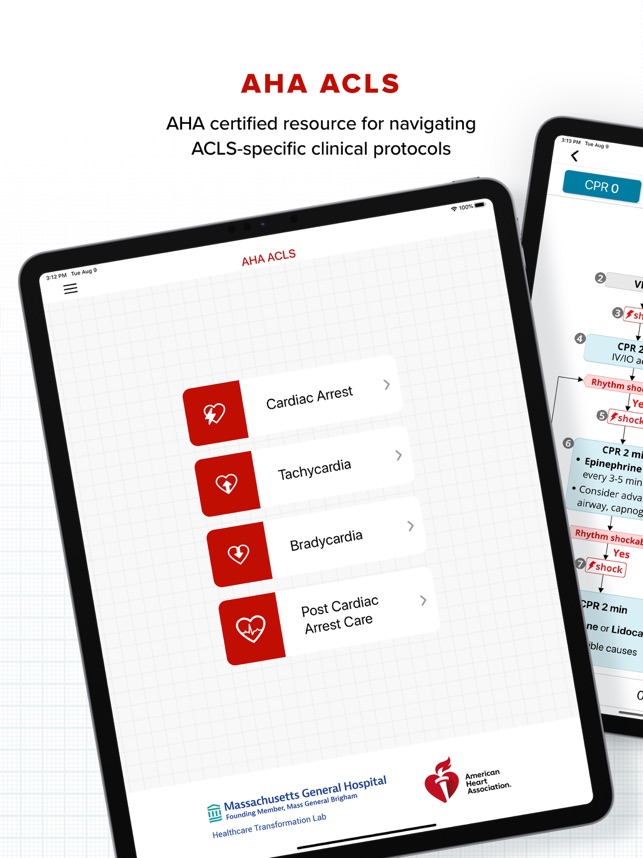
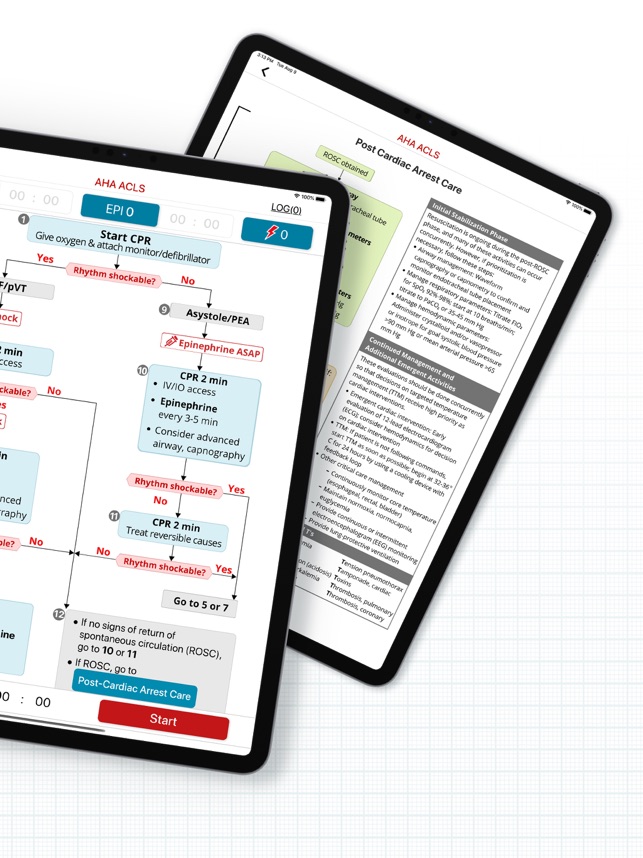
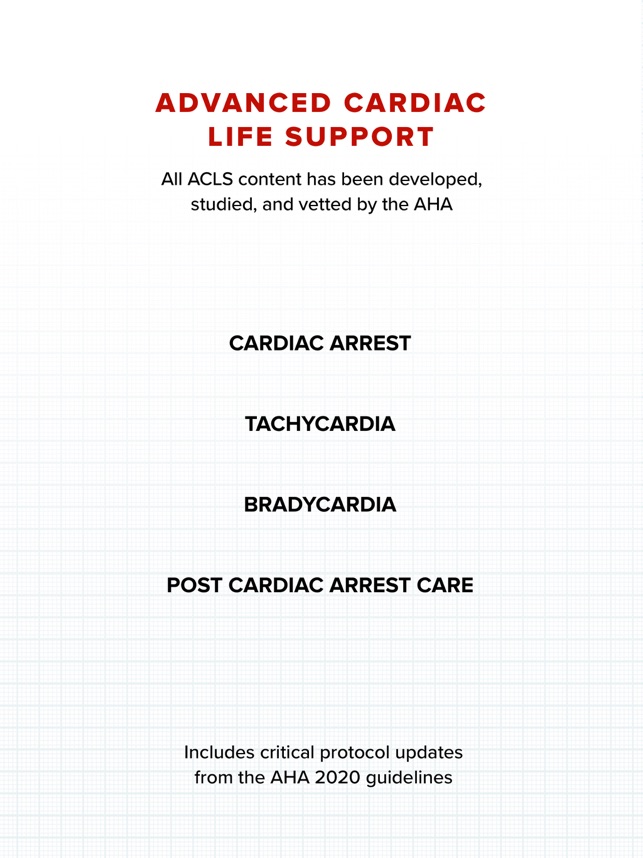
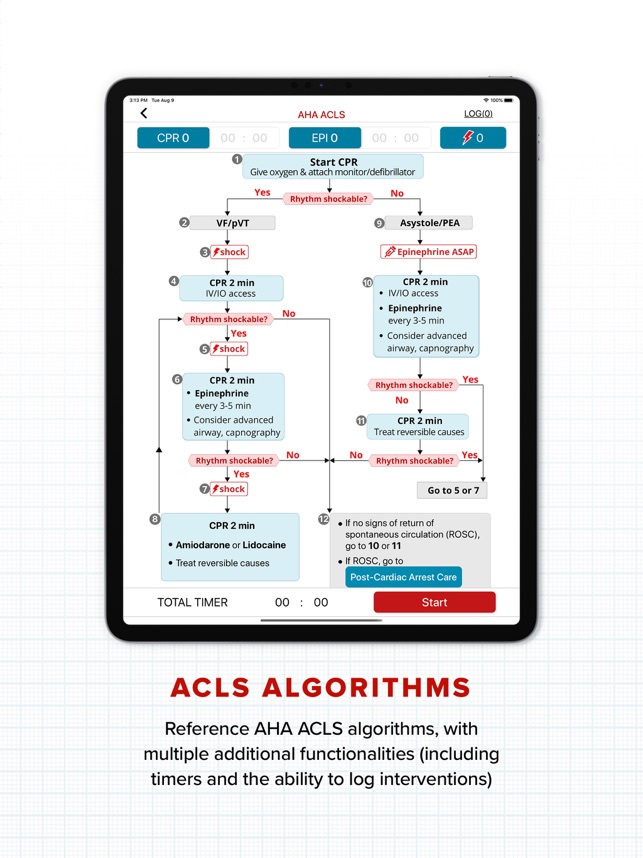
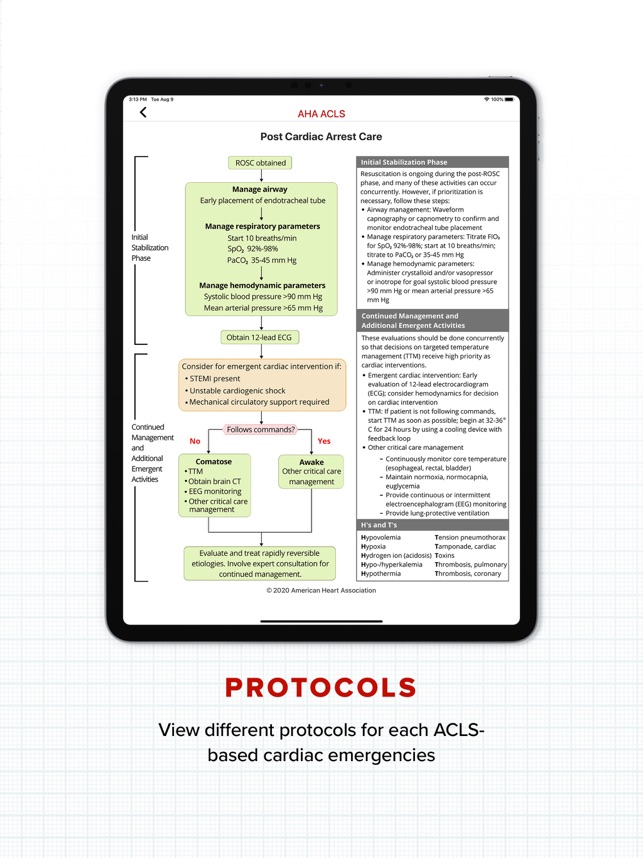
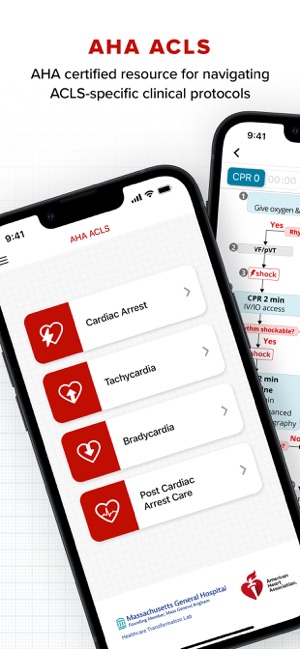
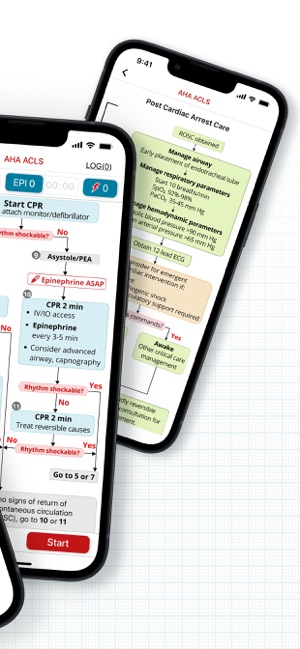
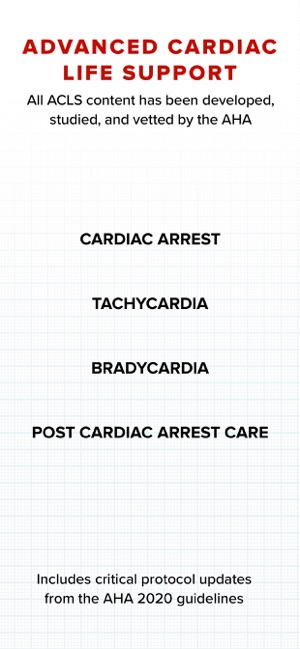
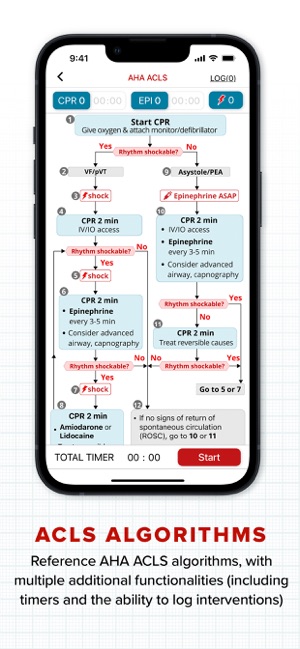
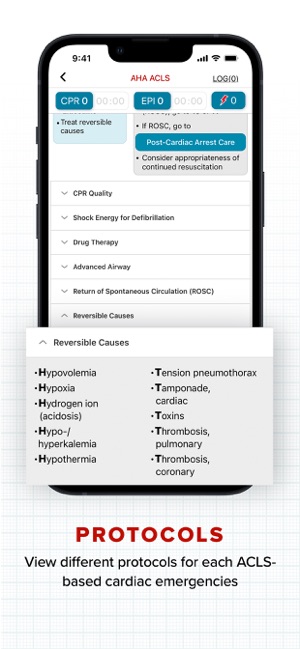
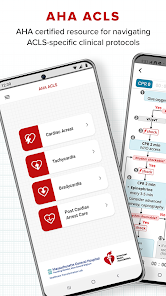
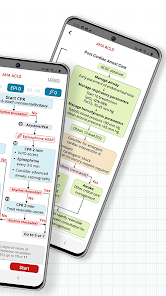
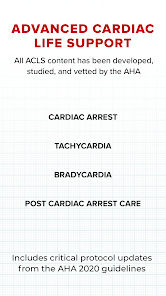
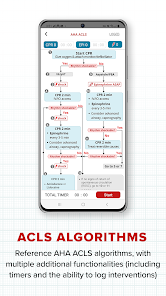
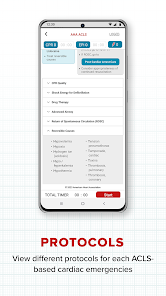
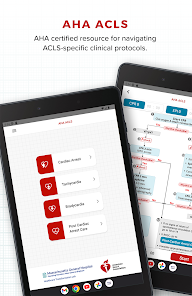
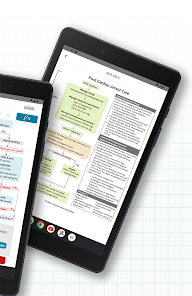
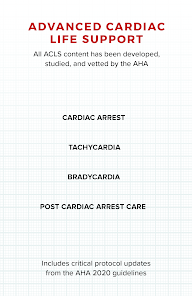
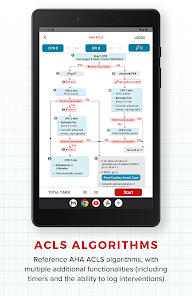
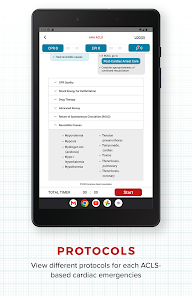
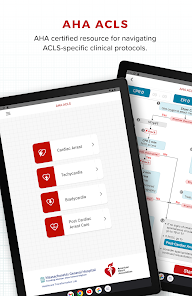
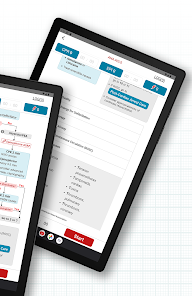
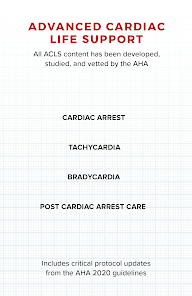
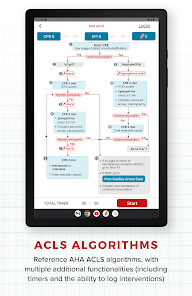
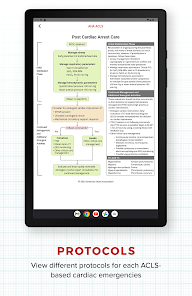
Functionality & Mechanism Developed by the American Heart Association (AHA) and Harvard-affiliated physicians, this clinical reference tool provides point-of-care support for Advanced Cardiac Life Support (ACLS). The system facilitates rapid access to four core algorithms: cardiac arrest, tachycardia, bradycardia, and post-cardiac arrest care. Its interface integrates interactive timers and logging functions for critical interventions like CPR, medication administration, and defibrillation. A dedicated function allows for seamless transition between care pathways, such as from active resuscitation to post-ROSC management.
Evidence & Research Context
- The app's clinical content is derived directly from the American Heart Association Guidelines for Cardiopulmonary Resuscitation and Emergency Cardiovascular Care.
- All algorithms and therapeutic recommendations within the tool are vetted by the AHA science review team and practicing, Harvard-affiliated physicians.
- The underlying guidelines are formulated from systematic evidence reviews and provide recommendations for managing cardiac arrest, peri-arrest arrhythmias, and post-cardiac arrest care.
- The platform is designed to translate these evidence-based protocols into an actionable, digital format for use during clinical emergencies.
Intended Use & Scope This application is designed as a point-of-care cognitive aid and reference tool for clinicians trained in Advanced Cardiac Life Support, including physicians, nurses, and emergency medical personnel. Its primary utility is to facilitate adherence to established resuscitation protocols during high-acuity events. The tool supplements, but does not replace, formal ACLS certification, institutional policies, and independent clinical judgment.
Studies & Publications
Peer-reviewed research associated with this app.
Part 9: Adult Advanced Life Support: 2025 American Heart Association Guidelines for Cardiopulmonary Resuscitation and Emergency Cardiovascular Care
Wigginton et al. (2025) · Circulation
Referenced in academic literature; no direct evaluation of the appIn the Media
Digital resuscitation tool provides life-saving care assistance during medical emergencies
The American Heart Association collaborated with Massachusetts General Hospital to develop AHA ACLS, providing front-line healthcare workers with bedside access to ACLS algorithms for correct administration and timing of CPR, defibrillation shocks and drug dosages during cardiac emergencies. "Life-saving care just got a burst of digital momentum," says Dr. Jared Conley, co-creator and associate director of the MGH Healthcare Transformation Lab. The app combines the Association's resuscitation science with MGH's innovative technology to assist physicians treating patients in cardiac arrest.
Massachusetts General Hospital launches digital health solution with American Heart Association
Massachusetts General Hospital's Healthcare Transformation Lab developed AHA ACLS in collaboration with the American Heart Association to assist healthcare workers during life-threatening cardiac emergencies, offering algorithms and key resources accessible through smartphones or tablets. "Saving a life just got easier," says co-creator Dr. Jared Conley, emphasizing the app's importance as clinicians are redeployed to new settings during COVID-19. The digital health solution launched in August 2020 to help clinical teams reference evidence-based protocols for cardiac arrest and dangerous arrhythmias.
App Information
Developer
Massachusetts General HospitalCategory
Evidence Profile
Published in academic literature
Platforms
Updated
Sep 2026
© 2025 Massachusetts General Hospital