AppsFromResearch
AHA PALS icon

AHA PALS

Evidence Tier:DOCUMENTED

Published in academic literature

For:Clinicians & Healthcare Professionals

App Summary

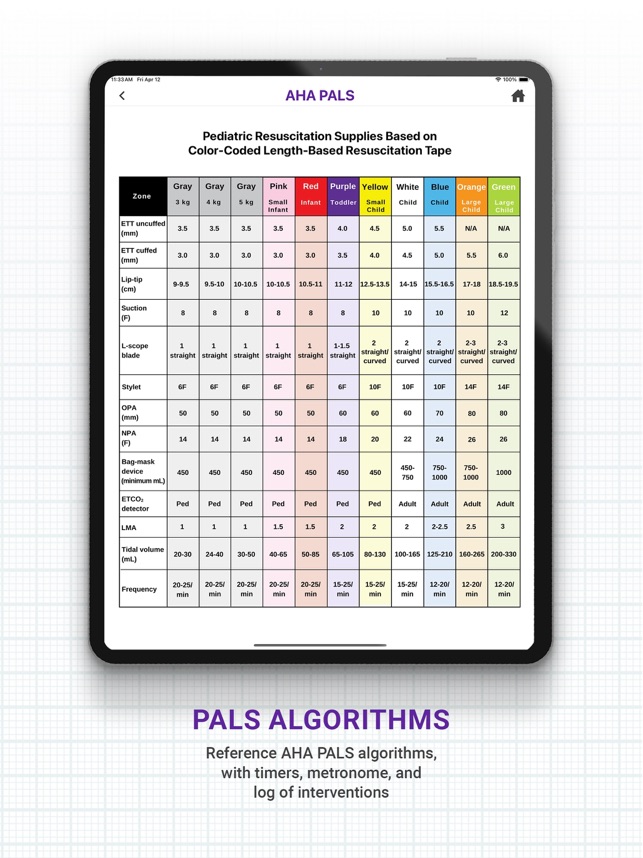
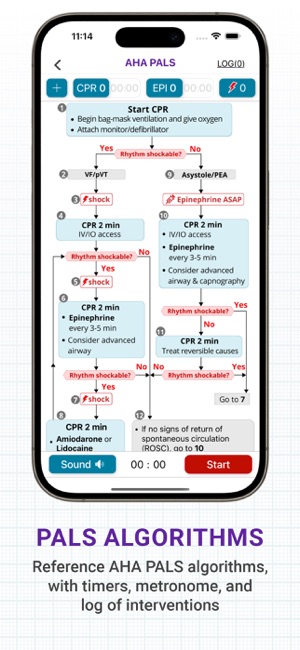
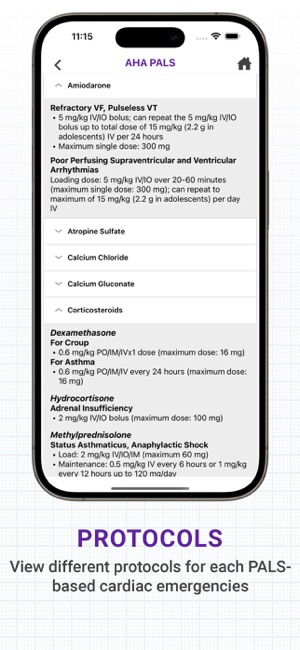
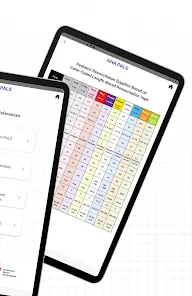
AHA PALS is a point-of-care reference tool designed to help healthcare professionals rapidly access pediatric advanced life support (PALS) algorithms, drug dosages, and resuscitation timers. The app's content operationalizes the comprehensive, evidence-based PALS guidelines for cardiopulmonary resuscitation and emergency cardiovascular care developed by the American Heart Association and the American Academy of Pediatrics. By translating these extensive guidelines into an intuitive format, the tool supports clinical decision-making during time-sensitive pediatric resuscitation events.

App Screenshots
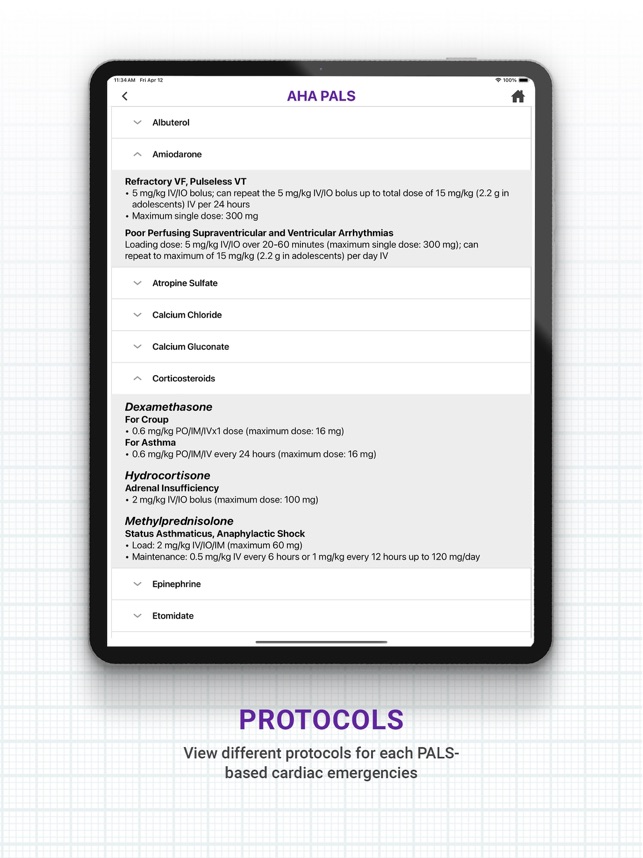
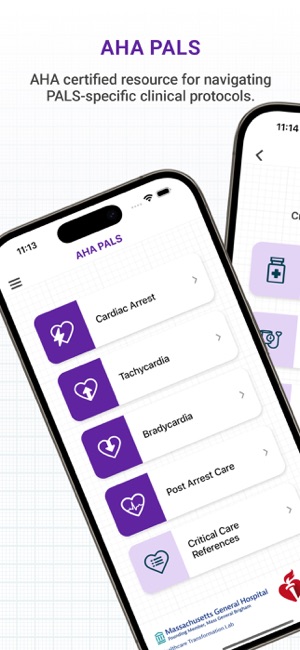
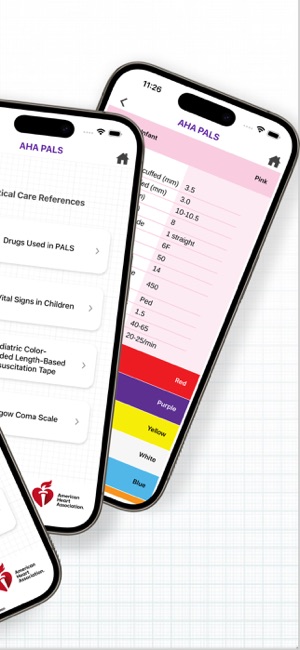
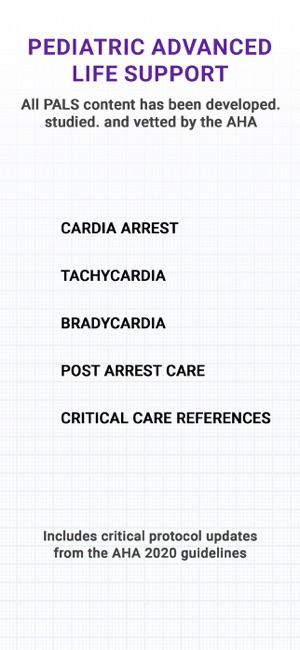
AHA PALS screenshot 1 of 30AHA PALS screenshot 2 of 30AHA PALS screenshot 3 of 30AHA PALS screenshot 4 of 30AHA PALS screenshot 5 of 30AHA PALS screenshot 6 of 30AHA PALS screenshot 7 of 30AHA PALS screenshot 8 of 30AHA PALS screenshot 9 of 30AHA PALS screenshot 10 of 30AHA PALS screenshot 11 of 30AHA PALS screenshot 12 of 30AHA PALS screenshot 13 of 30AHA PALS screenshot 14 of 30AHA PALS screenshot 15 of 30AHA PALS screenshot 16 of 30AHA PALS screenshot 17 of 30AHA PALS screenshot 18 of 30AHA PALS screenshot 19 of 30AHA PALS screenshot 20 of 30AHA PALS screenshot 21 of 30AHA PALS screenshot 22 of 30AHA PALS screenshot 23 of 30AHA PALS screenshot 24 of 30AHA PALS screenshot 25 of 30AHA PALS screenshot 26 of 30AHA PALS screenshot 27 of 30AHA PALS screenshot 28 of 30AHA PALS screenshot 29 of 30AHA PALS screenshot 30 of 30

Detailed Description

Functionality & Mechanism

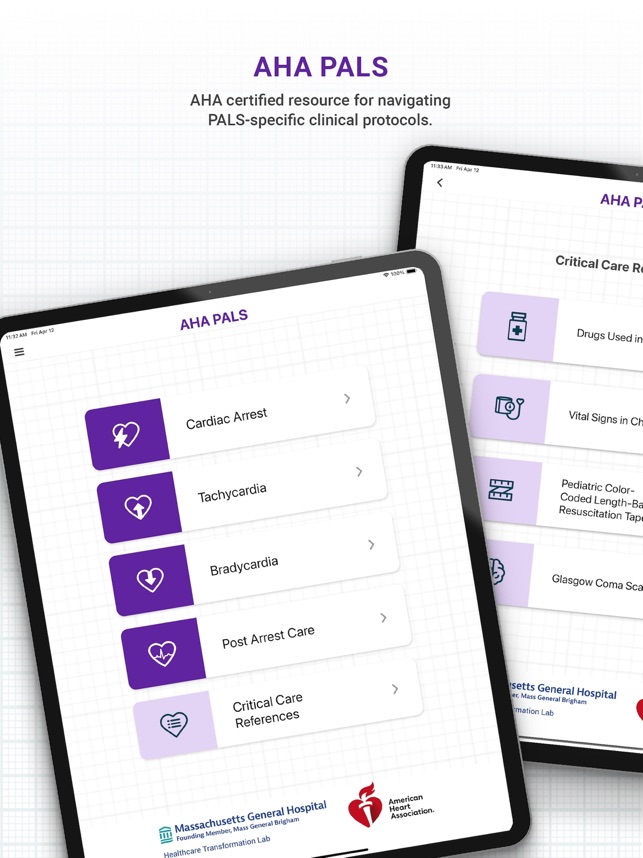
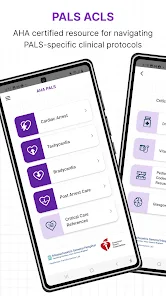
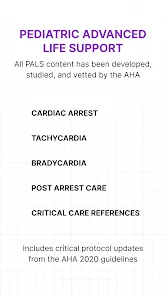
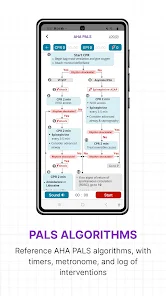
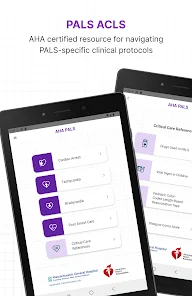
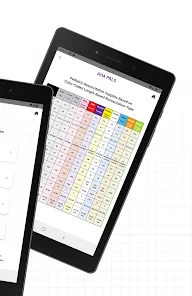
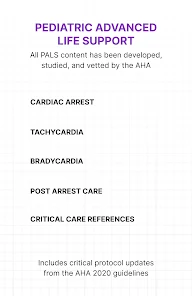
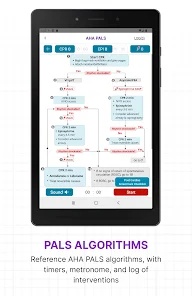
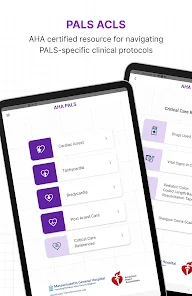
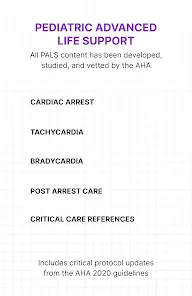
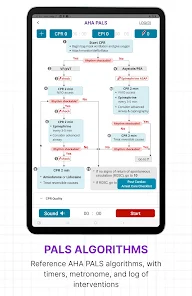
Developed by Harvard-affiliated physicians in collaboration with the American Heart Association, this tool translates pediatric advanced life support (PALS) guidelines into an interactive point-of-care format. The interface facilitates rapid navigation of critical pathways, including cardiac arrest, bradycardia, and tachycardia. Integrated timers and logging functions track CPR rounds, medication administration, and defibrillations. The system also incorporates a metronome for compression accuracy and a quick-access module for post-resuscitation care protocols.

Evidence & Research Context

  • The app's clinical content and algorithms are based on the Pediatric Advanced Life Support (PALS) guidelines from the American Heart Association and the American Academy of Pediatrics.
  • All content is rigorously vetted by the American Heart Association science team and practicing, Harvard-affiliated physicians to ensure clinical accuracy and utility.
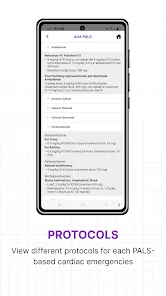
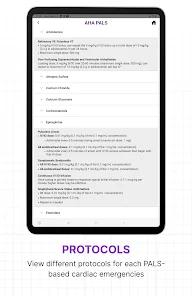
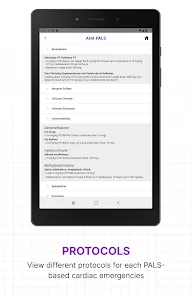
  • The system operationalizes guideline-recommended protocols for managing pediatric emergencies, including shock, arrhythmias, drug dosing, and post-cardiac arrest care.
  • The app's design is informed by an iterative feedback process involving practicing clinicians to optimize point-of-care functionality and workflow integration.

Intended Use & Scope

This app is designed for healthcare professionals (physicians, PAs, NPs, EMTs) as a cognitive aid and quick-reference tool during pediatric emergencies. Its primary utility is to support adherence to PALS protocols at the point of care. The system augments formal PALS training but does not replace expert clinical judgment or institutional guidelines.

Studies & Publications

1 publication

Peer-reviewed research associated with this app.

Non-Evaluative Reference

Part 8: Pediatric Advanced Life Support: 2025 American Heart Association and American Academy of Pediatrics Guidelines for Cardiopulmonary Resuscitation and Emergency Cardiovascular Care

Lasa et al. (2025) · Circulation

Referenced in academic literature; no direct evaluation of the app
The American Heart Association and the American Academy of Pediatrics provide these pediatric advanced life support guidelines focusing on resuscitation during cardiopulmonary resuscitation and emergency cardiovascular care. These guidelines are intended to be a resource for health care professionals to identify and treat infants and children up to 18 years of age (excluding newborn infants) in the prearrest, intra-arrest, and post–cardiac arrest states as well as select other emergency care situations. These guidelines apply to infants and children in various settings, including the community, prehospital environments, and hospital environments. Topics presented include ventilation and advanced airway strategies during cardiopulmonary resuscitation; drug administration and weight-based dosing of medications during cardiopulmonary resuscitation; energy doses for defibrillation; measuring cardiopulmonary resuscitation physiology and quality; extracorporeal cardiopulmonary resuscitation; post–cardiac arrest care related to management of core temperature, blood pressure, oxygenation/ventilation, neurologic monitoring, and seizures; neurological prognostication post–cardiac arrest; post–cardiac arrest survivorship; family presence during cardiopulmonary resuscitation; evaluation of sudden unexplained cardiac arrest; management of shock types; airway/intubation management; arrhythmia management including bradycardia and tachycardia (narrow and wide complex); treatment of myocarditis/cardiomyopathies; resuscitation of patients with single ventricle congenital heart disease; management of pulmonary hypertension; and management of traumatic cardiac arrest. Lastly, important gaps in resuscitation science knowledge are identified, aiming to encourage further scientific inquiry and provide additional evidence for future pediatric advanced life support guidelines.
... Read More

AHA PALS

Free