
AppsFromResearch
AllergyPassport icon

AllergyPassport

Evidence Tier:DOCUMENTED

Published in academic literature

For:General Public & EnthusiastsPatients & Caregivers

App Summary

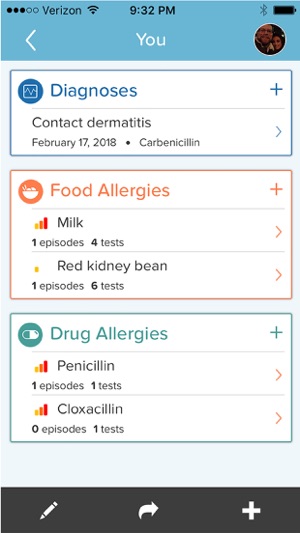
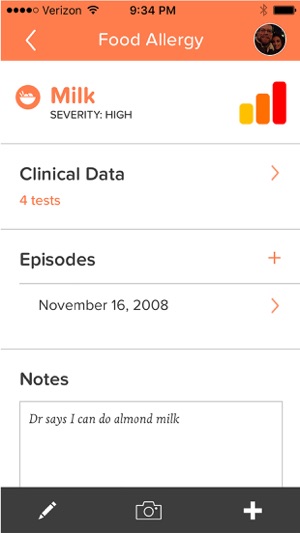
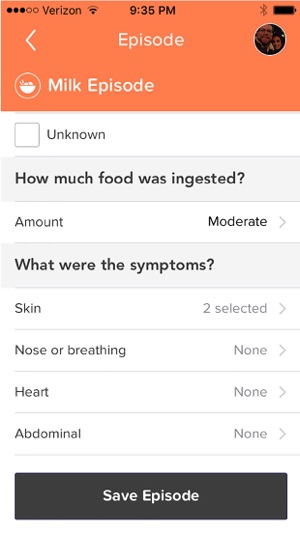
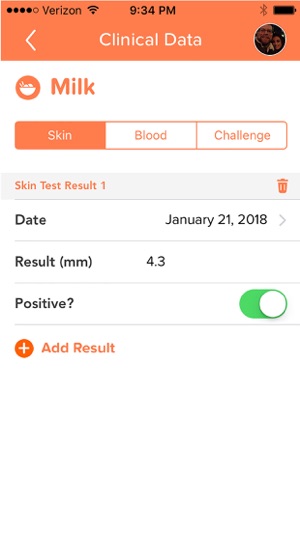
AllergyPassport helps patients and families track food and medication allergies, consolidating symptoms, photos, and visit notes to facilitate clear communication with providers. The app's design is grounded in associated research from its developers identifying that standard electronic health record (EHR) allergy modules are often inadequate, compromising patient safety due to incomplete or inaccurate information. The authors conclude that improving documentation and communication is critical for safety, and tools enabling a more detailed allergy history can help clinicians make better-informed decisions.

App Screenshots

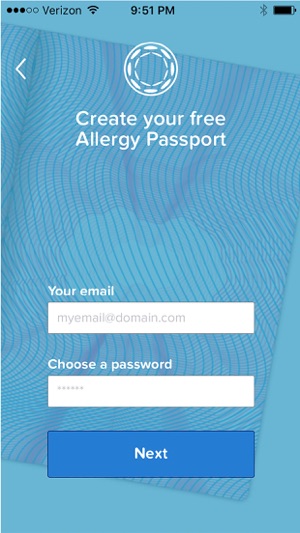
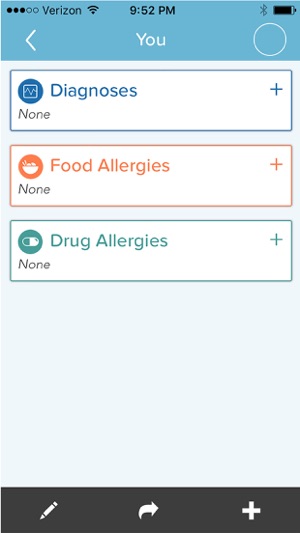
AllergyPassport screenshot 1 of 10AllergyPassport screenshot 2 of 10AllergyPassport screenshot 3 of 10AllergyPassport screenshot 4 of 10AllergyPassport screenshot 5 of 10AllergyPassport screenshot 6 of 10AllergyPassport screenshot 7 of 10AllergyPassport screenshot 8 of 10AllergyPassport screenshot 9 of 10AllergyPassport screenshot 10 of 10

Detailed Description

Functionality & Mechanism

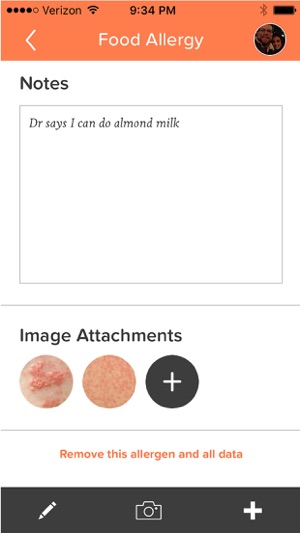
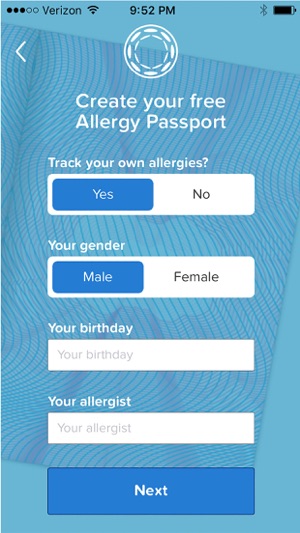
Developed by allergy experts at Massachusetts General Hospital and Harvard Medical School, AllergyPassport is a patient-facing data management tool. The system facilitates the creation of discrete profiles for individuals and family members. Its interface captures structured information on food and medication allergies, supplemented by clinical notes and photographic documentation. A core function enables the export and transmission of this aggregated allergy data to healthcare providers and educational institutions to promote informational continuity and patient safety.

Evidence & Research Context

  • Associated research from the American Academy of Allergy, Asthma & Immunology (AAAAI) highlights that existing Electronic Health Record (EHR) allergy modules frequently lack the comprehensive, accurate data needed for safe clinical decisions.
  • The system's design addresses a documented gap where adverse drug reaction details are inadequately captured and translated into clinical records, compromising care quality.
  • By enabling structured, patient-controlled data entry, the tool aligns with expert recommendations to improve the quality and standardization of allergy documentation.
  • The tool provides a mechanism for patients to maintain a detailed, portable allergy history to supplement formal medical records.

Intended Use & Scope

This application is designed for patients and caregivers as an adjunct tool for personal allergy management. Its primary utility is to organize and consolidate a detailed allergy history for communication with clinicians and other relevant parties. The tool does not provide medical advice, diagnose conditions, or replace formal consultation with an allergist or physician.

Studies & Publications

2 publications

Peer-reviewed research associated with this app.

Non-Evaluative Reference

Allergy Electronic Health Record Documentation: A 2022 Work Group Report of the AAAAI Adverse Reactions to Drugs, Biologicals, and Latex Committee

Guyer et al. (2022) · The Journal of Allergy and Clinical Immunology: In Practice

Referenced in academic literature; no direct evaluation of the app
The allergy section of the electronic health record (EHR) is ideally reviewed and updated by health care workers during routine outpatient visits, emergency room visits, inpatient hospitalizations, and surgical procedures. This EHR section has the potential to help proactively and comprehensively avoid exposures to drugs, contact irritants, foods, and other agents for which, based on an individual's medical history and/or genetics, there is increased risk for adverse outcomes with future exposures. Because clinical decisions are made and clinical decision support is triggered based on allergy details from the EHR, the allergy module needs to provide meaningful, accurate, timely, and comprehensive allergy information. Although the allergy section of the EHR must meet these requirements to guide appropriate clinical decisions and treatment plans, current EHR allergy modules have not achieved this standard. We urge EHR vendors to collaborate with allergists to optimize and modernize allergy documentation. A work group within the Adverse Reactions to Drugs, Biologicals, and Latex Committee of the American Academy of Allergy, Asthma & Immunology was formed to create recommendations for allergy documentation in the EHR. Whereas it is recognized that the term "allergy" is often used incorrectly because most adverse drug reactions (ADRs) are not true immune-mediated hypersensitivity reactions, "allergy" in this article includes allergies and hypersensitivities as well as side effects and intolerances. Our primary objective is to provide guidance for the current state of allergy documentation in the EHR. This guidance includes clarification of the definition of specific ADR types, reconciliation of confirmed ADRs, and removal of disproved or erroneous ADRs. This document includes a proposal for the creation, education, and implementation of a drug allergy labeling system that may allow for more accurate EHR documentation for improved patient safety.
... Read More
Non-Evaluative Reference

Drug Allergy Labels Lost in Translation: From Patient to Charts and Backwards

Ramsey et al. (2021) · The Journal of Allergy and Clinical Immunology: In Practice

Referenced in academic literature; no direct evaluation of the app
The current method of defining, reporting, assessment, labeling, delabeling, and reconciliation of adverse drug reactions (ADRs), and specifically immunologically mediated drug hypersensitivity reactions (HSRs), in electronic health records (EHRs) is inadequate and compromises care quality and safety. It is critical to accurately and succinctly report the signs and symptoms associated with ADRs and suspected HSRs to enable clinicians to determine the plausible reaction type and help guide appropriate future management plans. Despite the current limitations of the EHR allergy module, we must encourage improved clinical documentation and demand technological improvements. Telehealth methods have been shown to be valuable in the assessment of ADRs and HSRs, particularly in the case of penicillin allergy evaluation and delabeling. The implementation, assessment, and refinement of advanced technologies, including clinical informatics and artificial intelligence, along with continued education of health care providers have potential to improve EHR documentation and communication, thereby advancing patient safety efforts.
... Read More

AllergyPassport

Free