
AppsFromResearch
Argon4 icon

Argon4

Evidence Tier:DOCUMENTED

Published in academic literature

For:Researchers & AcademicsIndustry Professionals

App Summary

Argon4 is an augmented reality web browser that allows developers to create and deliver interactive AR experiences using standard web technologies like HTML, CSS, and JavaScript. The associated research outlines the browser's design as a standards-based platform that leverages the existing web ecosystem, enabling multiple, secure channels of AR content to be displayed simultaneously. The authors conclude that this web-based architecture makes AR development more accessible and has proven particularly useful for creating and deploying cultural heritage and community-based applications.

App Screenshots

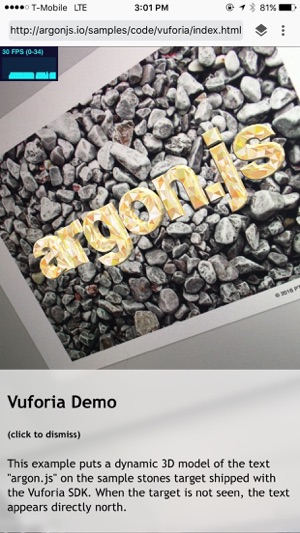
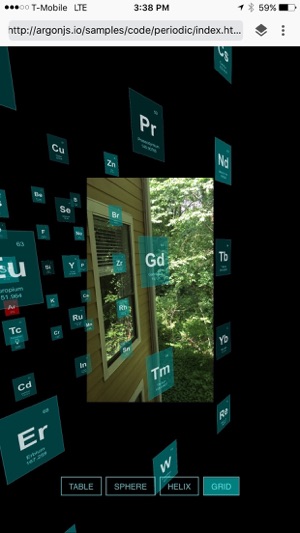
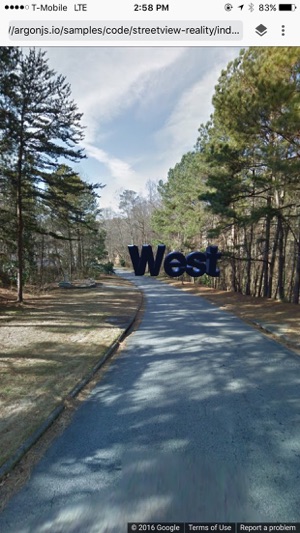
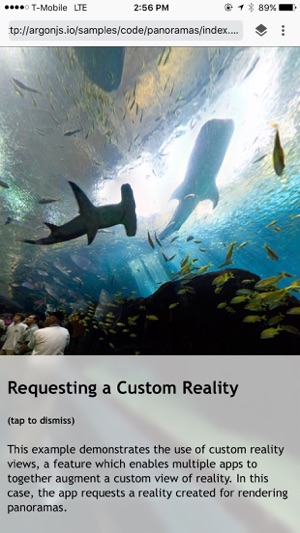
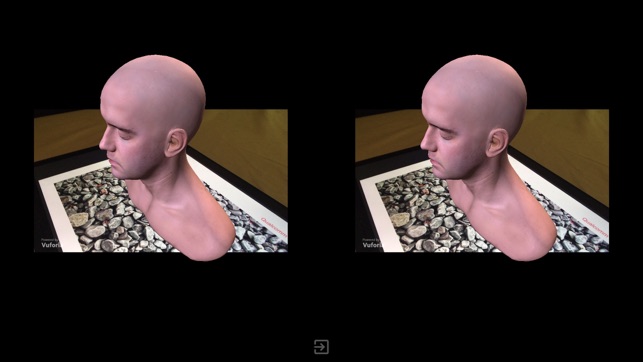
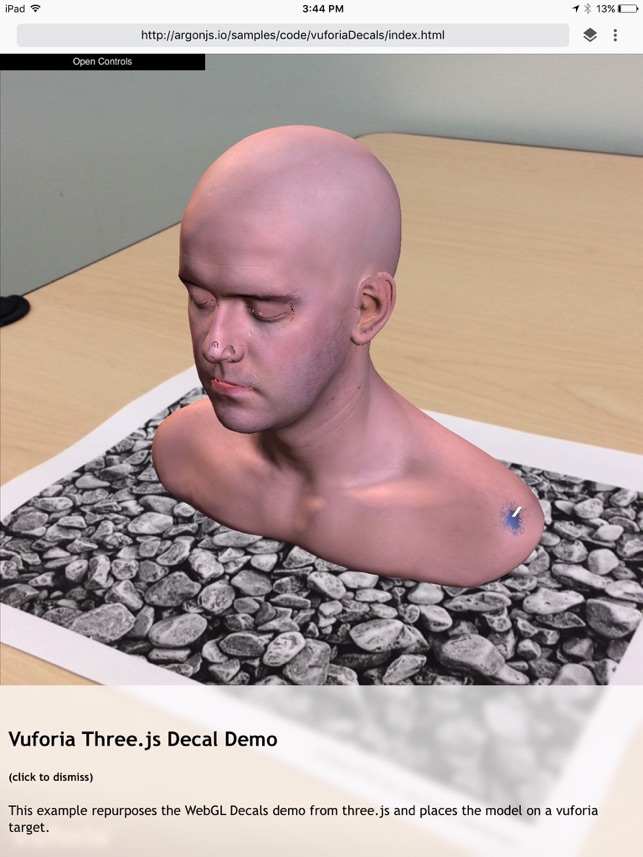
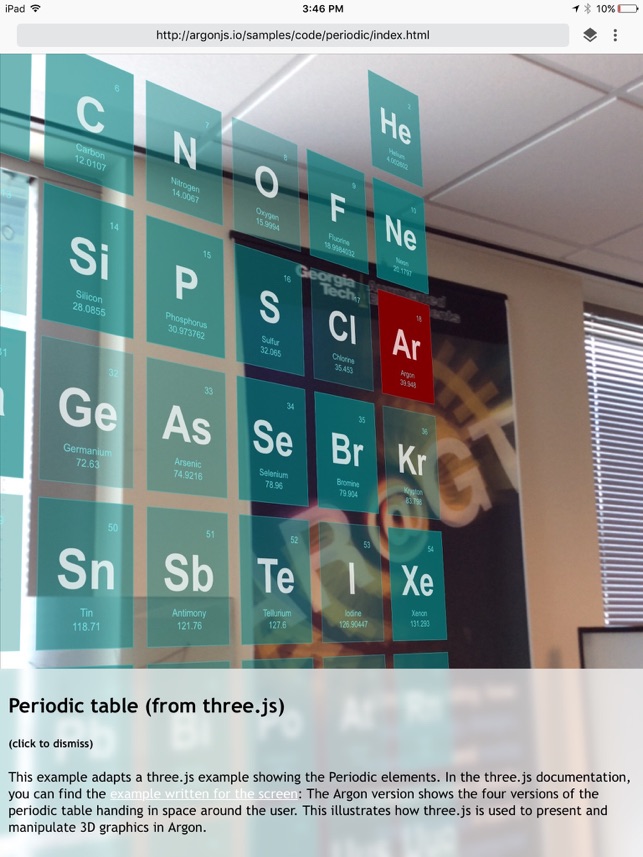
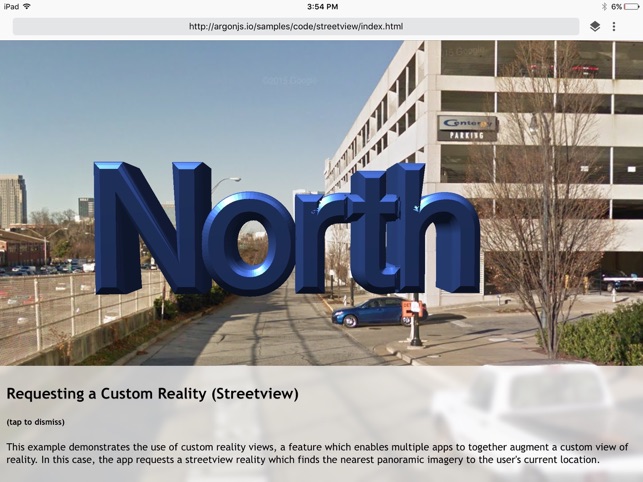
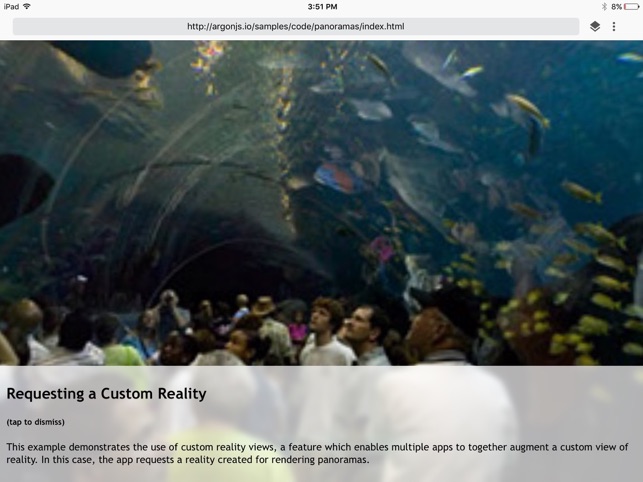
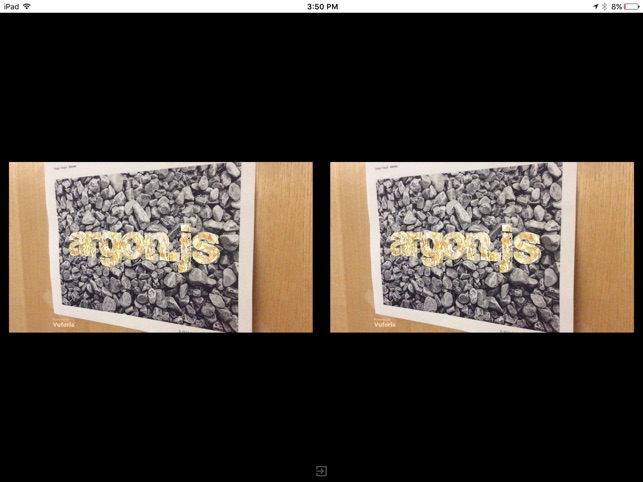
Argon4 screenshot 1 of 10Argon4 screenshot 2 of 10Argon4 screenshot 3 of 10Argon4 screenshot 4 of 10Argon4 screenshot 5 of 10Argon4 screenshot 6 of 10Argon4 screenshot 7 of 10Argon4 screenshot 8 of 10Argon4 screenshot 9 of 10Argon4 screenshot 10 of 10

Detailed Description

Functionality & Mechanism

Argon4 is an augmented reality browser that renders interactive AR experiences using open web standards. The system integrates iOS device sensors—including the camera, gyroscope, and accelerometers—with computer vision tracking technology. It enables developers to create and deploy AR content from a standard web server using the argon.js JavaScript library and web technologies such as HTML, CSS, and WebGL. Users access these AR experiences by navigating to a URL, which overlays interactive digital content onto the physical world.

Evidence & Research Context

  • The system's architecture is designed to leverage the World Wide Web ecosystem for deploying multi-source, interactive AR channels from standard web servers.
  • The technical framework integrates KARML, a spatial markup language extending KML, to facilitate the creation of 2D and 3D content using standard web technologies.
  • Associated research details an iterative design process where the framework evolved through its application in developing cultural heritage and community-based AR projects.
  • The platform has been adopted to create AR experiences, demonstrating a web-based architecture for concepts previously considered impractical in augmented reality development.

Intended Use & Scope

Argon4 is intended for web developers and researchers as a platform for creating and deploying augmented reality applications. Its primary utility is as a standards-based AR browser and development framework, not as a standalone content provider. The system requires technical expertise in web technologies to create AR experiences and does not offer clinical or diagnostic guidance.

Studies & Publications

2 publications

Peer-reviewed research associated with this app.

Development/Design Paper

The Evolution of the Argon Web Framework Through Its Use Creating Cultural Heritage and Community–Based Augmented Reality Applications

Speiginer et al. (2015) · Human-Computer Interaction (Springer)

Describes the research-driven development of this app
The Argon project was started to explore the creation of Augmented Reality applications with web technology. We have found this approach to be particularly useful for community-based applications. The Argon web browser has gone through two versions, informed by the work of our students and collaborators on these kinds of applications. In this paper, we highlight a number of the applications we and others have created, what we learned from them, and how our experiences creating these applications informed the design of Argon2 and the requirements for the next version, Argon3.
... Read More
Development/Design Paper

The Argon AR Web Browser and standards-based AR application environment

MacIntyre et al. (2011) · IEEE ISMAR

Describes the research-driven development of this app
A common vision of Augmented Reality (AR) is that of a person immersed in a diverse collection of virtual information, superimposed on their view of the world around them. If such a vision is to become reality, an ecosystem for AR must be created that satisfies at least these properties: multiple sources (or channels of interactive information) must be able to be simultaneously displayed and interacted with, channels must be isolated from each other (for security and stability), channel authors must have the flexibility to design the content and interactivity of their channel, and the application must fluidly integrate with the ever-growing cloud of systems and services that define our digital lives. In this paper, we present the design and implementation of the Argon AR Web Browser and describe our vision of an AR application environment that leverages the WWW ecosystem. We also describe KARML, our extension to KML (the spatial markup language for Google Earth and Maps), that supports the functionality required for mobile AR. We combine KARML with the full range of standard web technologies to create a standards-based web browser for mobile AR. KARML lets users develop 2D and 3D content using existing web technologies and facilitates easy deployment from standard web servers. We highlight a number of projects that have used Argon and point out the ways in which our web-based architecture has made previously impractical AR concepts possible.
... Read More

Argon4

Free