AppsFromResearch
CARTOX icon

CARTOX

Published in academic literature

For:Clinicians & Healthcare Professionals

App Summary

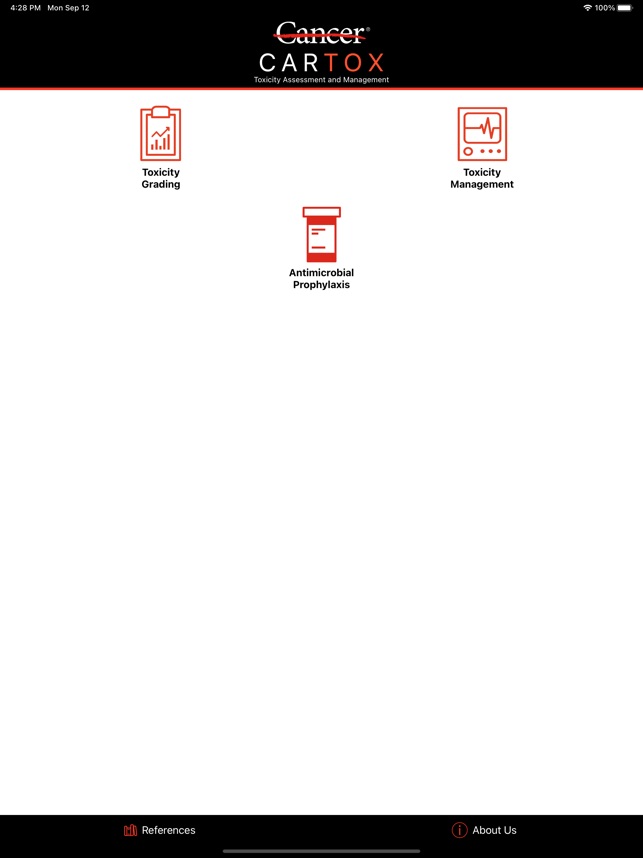
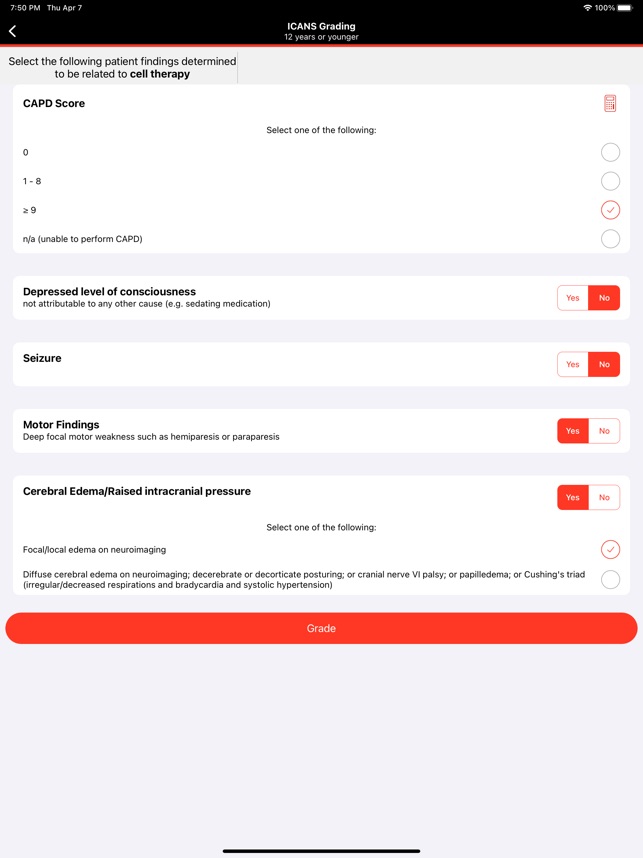
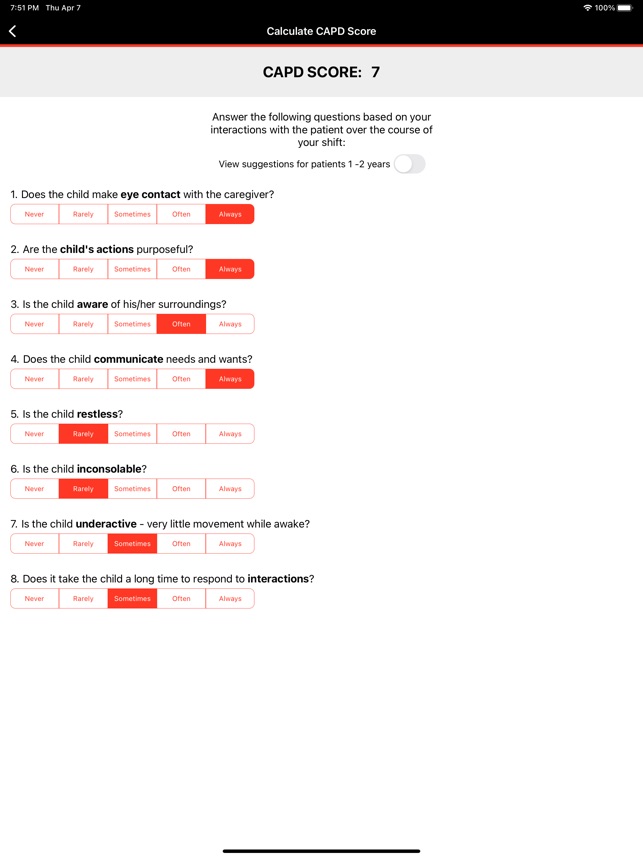
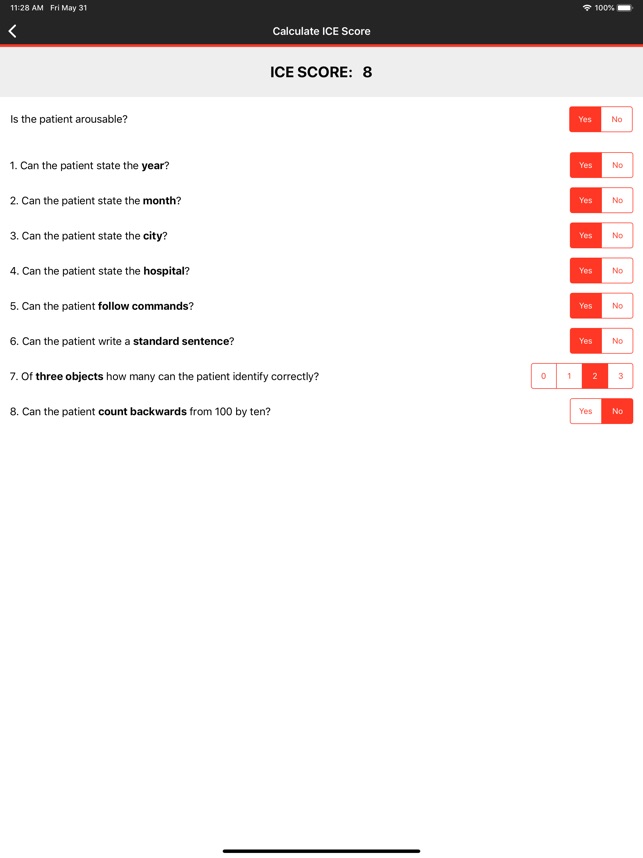
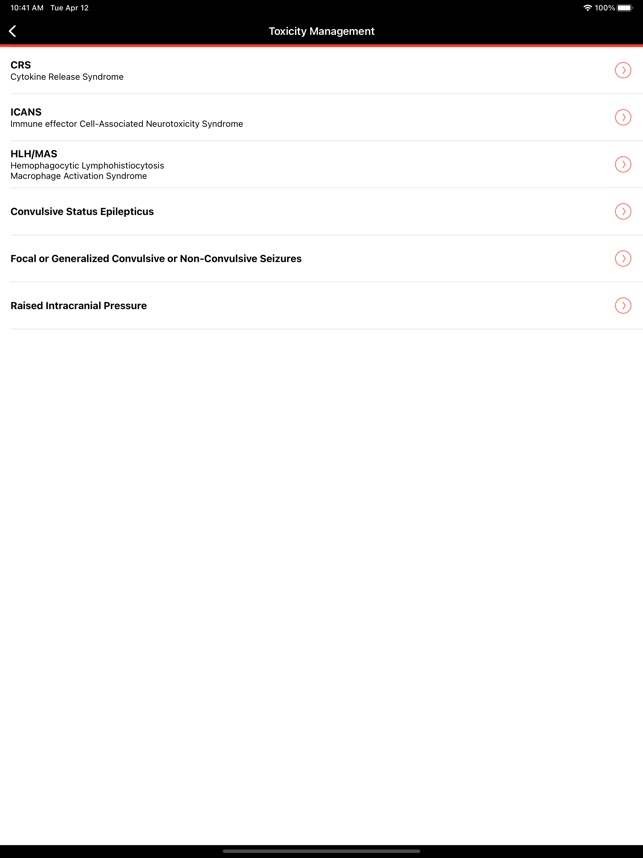
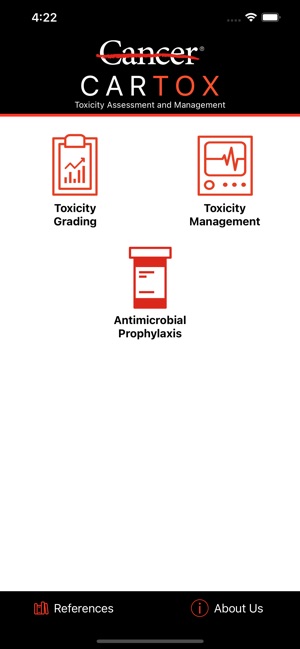
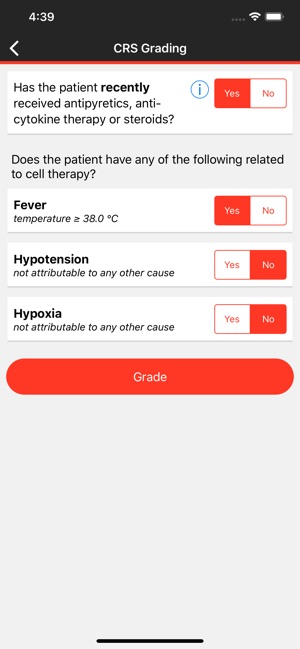
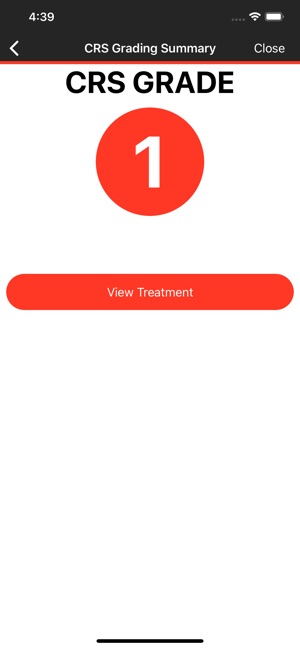
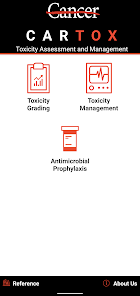
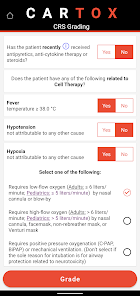
CARTOX is a clinical reference tool designed to help providers grade and manage acute toxicities, such as Cytokine Release Syndrome (CRS) and neurotoxicity (ICANS), in patients receiving immune effector cell therapy. The app operationalizes consensus recommendations developed by the multi-institutional CAR-T-cell-therapy-associated TOXicity (CARTOX) Working Group to address a lack of standardized management algorithms. The associated research concludes that this approach supports prompt and consistent management, which is essential for minimizing the morbidity associated with these potentially curative treatments.

App Screenshots
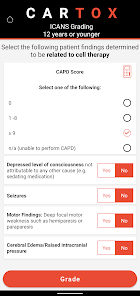
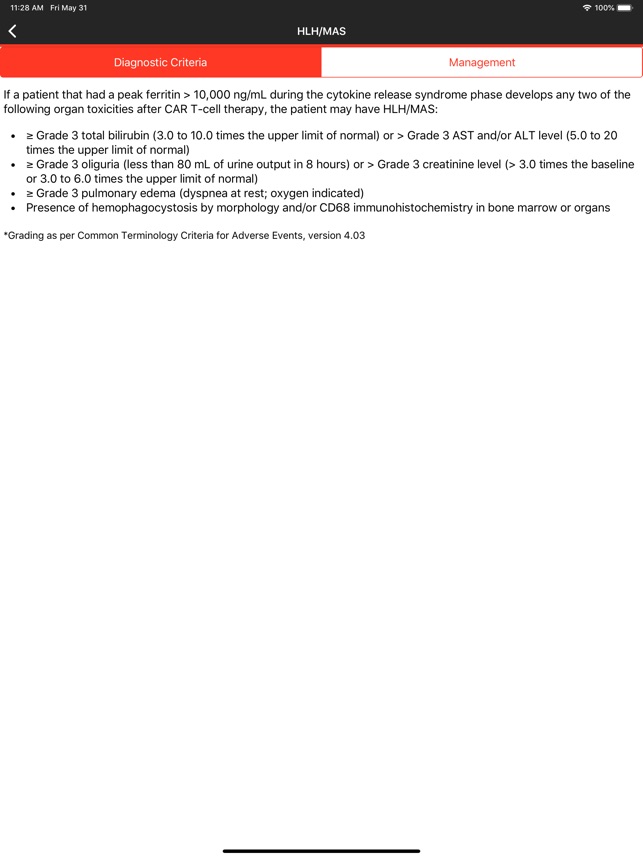
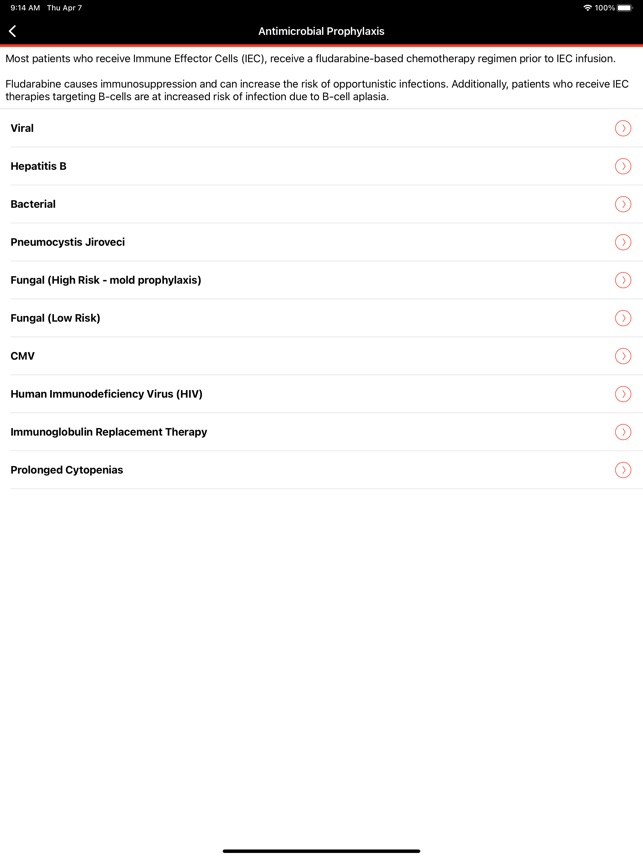
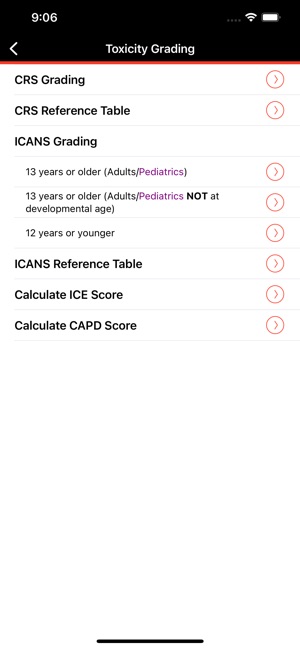
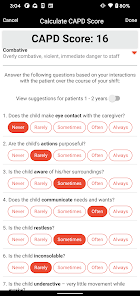
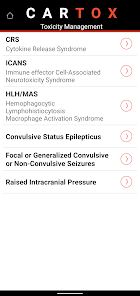
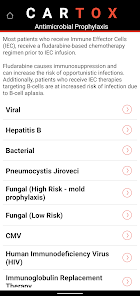
CARTOX screenshot 1 of 28CARTOX screenshot 2 of 28CARTOX screenshot 3 of 28CARTOX screenshot 4 of 28CARTOX screenshot 5 of 28CARTOX screenshot 6 of 28CARTOX screenshot 7 of 28CARTOX screenshot 8 of 28CARTOX screenshot 9 of 28CARTOX screenshot 10 of 28CARTOX screenshot 11 of 28CARTOX screenshot 12 of 28CARTOX screenshot 13 of 28CARTOX screenshot 14 of 28CARTOX screenshot 15 of 28CARTOX screenshot 16 of 28CARTOX screenshot 17 of 28CARTOX screenshot 18 of 28CARTOX screenshot 19 of 28CARTOX screenshot 20 of 28CARTOX screenshot 21 of 28CARTOX screenshot 22 of 28CARTOX screenshot 23 of 28CARTOX screenshot 24 of 28CARTOX screenshot 25 of 28CARTOX screenshot 26 of 28CARTOX screenshot 27 of 28CARTOX screenshot 28 of 28

Detailed Description

Functionality & Mechanism

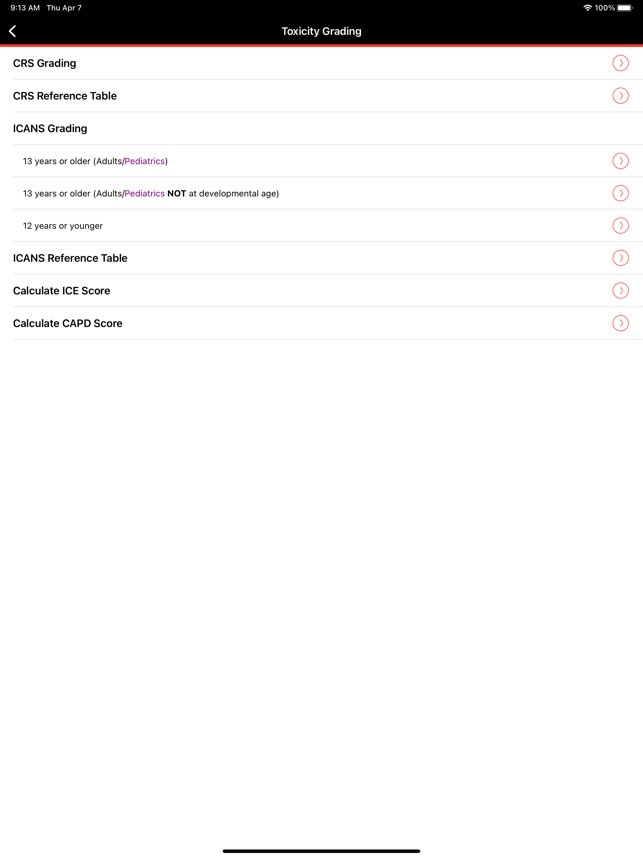
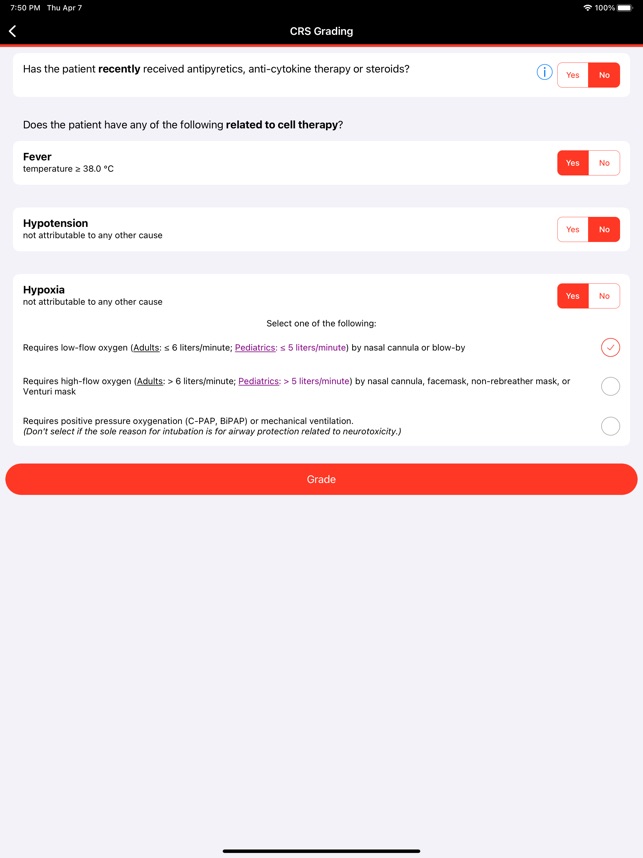
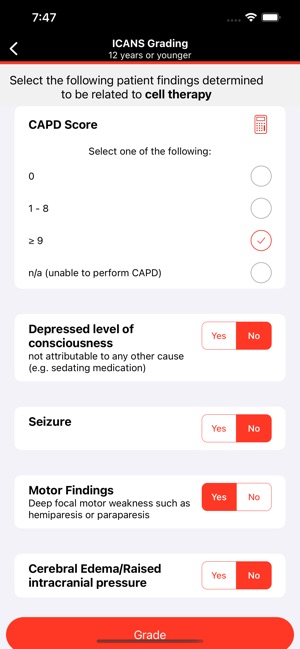
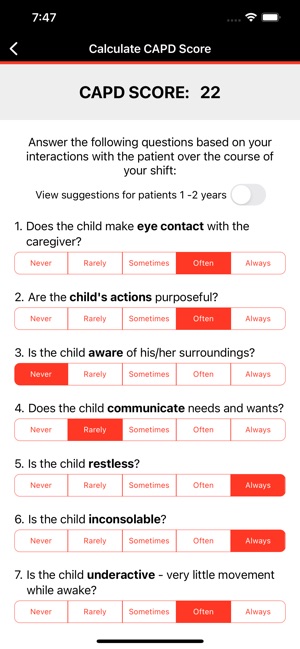
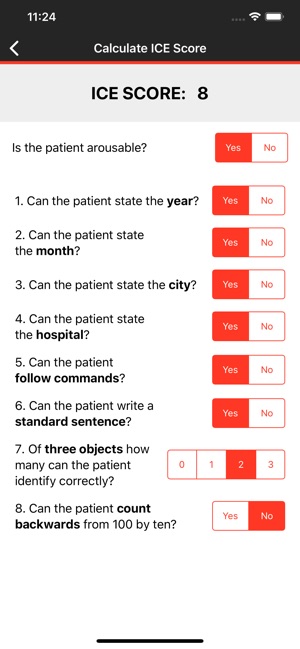
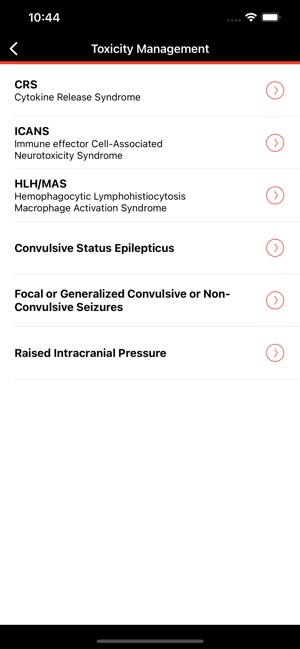
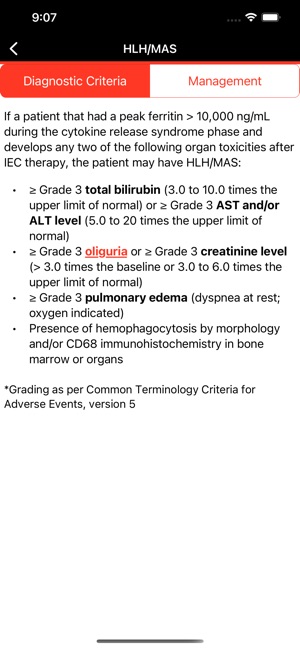
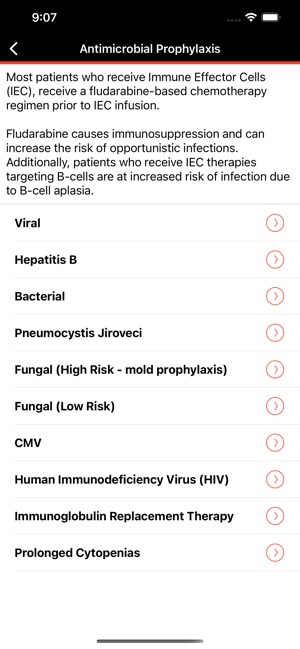
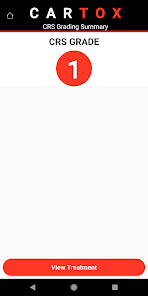
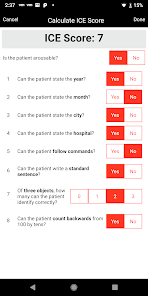
CARTOX is a clinical reference tool that operationalizes consensus-based guidelines for managing cellular therapy toxicities. Developed by the CAR-T-cell-therapy-associated TOXicity (CARTOX) Working Group, the system facilitates the rapid grading of Cytokine Release Syndrome (CRS) and Immune effector Cell-Associated Neurotoxicity Syndrome (ICANS). The interface presents structured algorithms for toxicity management and delivers recommendations for appropriate antimicrobial prophylaxis, integrating evidence-based protocols directly into the clinical workflow for patients receiving immune effector cell therapy.

Evidence & Research Context

  • The app's grading and management algorithms are derived from the recommendations of the multi-institutional, multi-disciplinary CARTOX Working Group, established to address the lack of standardized protocols.
  • Associated research highlights that significant immune-mediated toxicities, such as CRS and neurotoxicity, occur in up to one-third of patients undergoing cellular immunotherapy.
  • The system is designed to address the clinical need for standardized assessment protocols for CRS and Immune effector Cell-Associated Neurotoxicity Syndrome (ICANS).

Intended Use & Scope

This tool is designed for clinicians (physicians, advanced practice providers, pharmacists, nurses) managing patients receiving immune effector cell therapy. Its primary utility is as a point-of-care reference for the rapid grading and management of CRS and ICANS. The app does not replace independent clinical judgment or institutional protocols and is not a substitute for specialist consultation.

Studies & Publications

2 publications

Peer-reviewed research associated with this app.

Non-Evaluative Reference

Cytokine release syndrome and associated neurotoxicity in cancer immunotherapy

Morris et al. (2021) · Nature Reviews Immunology

Referenced in academic literature; no direct evaluation of the app
A paradigm shift has recently occurred in the field of cancer therapeutics. Traditional anticancer agents, such as chemotherapy, radiotherapy and small-molecule drugs targeting specific signalling pathways, have been joined by cellular immunotherapies based on T cell engineering. The rapid adoption of novel, patient-specific cellular therapies builds on scientific developments in tumour immunology, genetic engineering and cell manufacturing, best illustrated by the curative potential of chimeric antigen receptor (CAR) T cell therapy targeting CD19-expressing malignancies. However, the clinical benefit observed in many patients may come at a cost. In up to one-third of patients, significant toxicities occur that are directly associated with the induction of powerful immune effector responses. The most frequently observed immune-mediated toxicities are cytokine release syndrome and immune effector cell-associated neurotoxicity syndrome. This Review discusses our current understanding of their pathophysiology and clinical features, as well as the development of novel therapeutics for their prevention and/or management.
... Read More
Non-Evaluative Reference

Chimeric antigen receptor T-cell therapy - assessment and management of toxicities

Neelapu et al. (2019) · Nature Reviews Clinical Oncology

Referenced in academic literature; no direct evaluation of the app
Immunotherapy using T cells genetically engineered to express a chimeric antigen receptor (CAR) is rapidly emerging as a promising new treatment for haematological and non-haematological malignancies. CAR-T-cell therapy can induce rapid and durable clinical responses, but is associated with unique acute toxicities, which can be severe or even fatal. Cytokine-release syndrome (CRS), the most commonly observed toxicity, can range in severity from low-grade constitutional symptoms to a high-grade syndrome associated with life-threatening multiorgan dysfunction; rarely, severe CRS can evolve into fulminant haemophagocytic lymphohistiocytosis (HLH). Neurotoxicity, termed CAR-T-cell-related encephalopathy syndrome (CRES), is the second most-common adverse event, and can occur concurrently with or after CRS. Intensive monitoring and prompt management of toxicities is essential to minimize the morbidity and mortality associated with this potentially curative therapeutic approach; however, algorithms for accurate and consistent grading and management of the toxicities are lacking. To address this unmet need, we formed a CAR-T-cell-therapy-associated TOXicity (CARTOX) Working Group, comprising investigators from multiple institutions and medical disciplines who have experience in treating patients with various CAR-T-cell therapy products. Herein, we describe the multidisciplinary approach adopted at our institutions, and provide recommendations for monitoring, grading, and managing the acute toxicities that can occur in patients treated with CAR-T-cell therapy.
... Read More

CARTOX

Free