
Catch Reporting
Published in academic literature
App Summary
App Screenshots
Detailed Description
Functionality & Mechanism
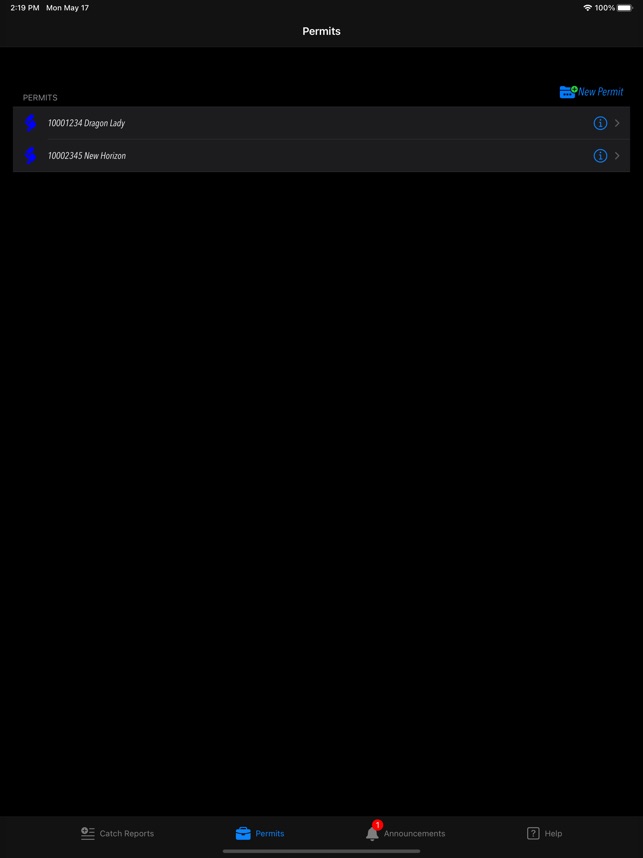
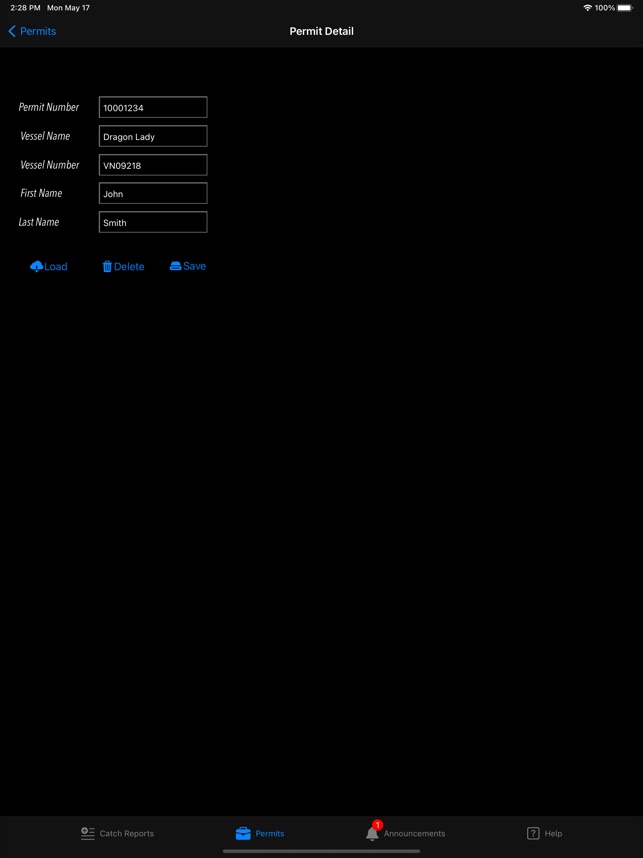
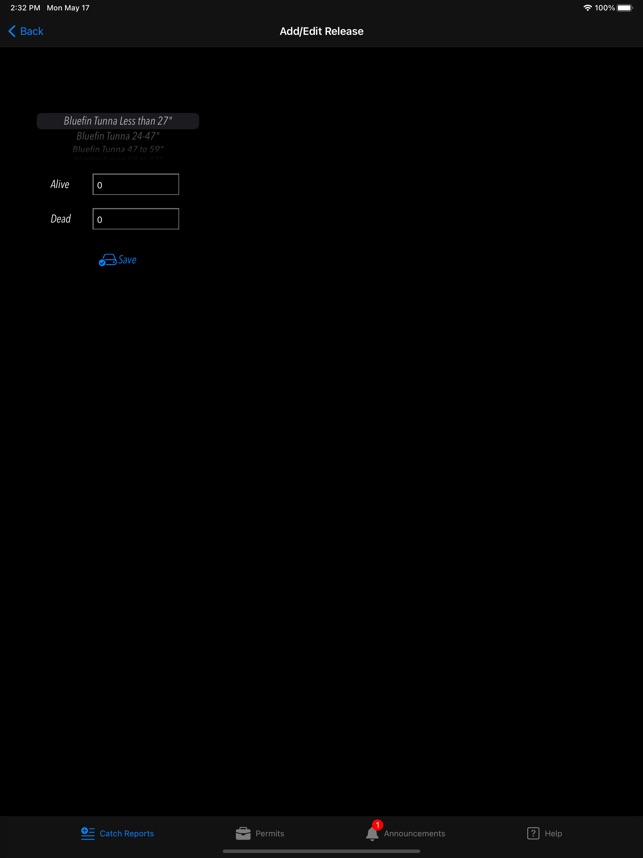
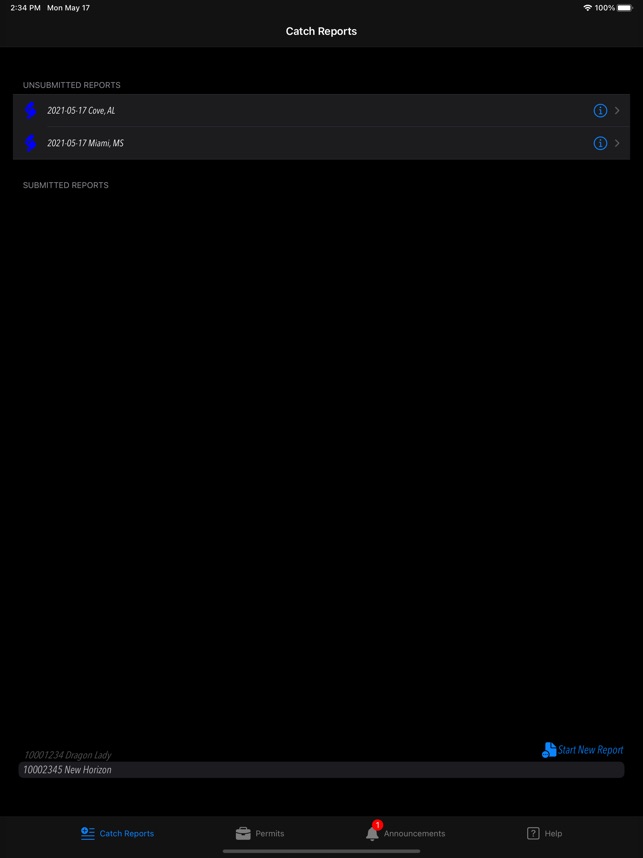
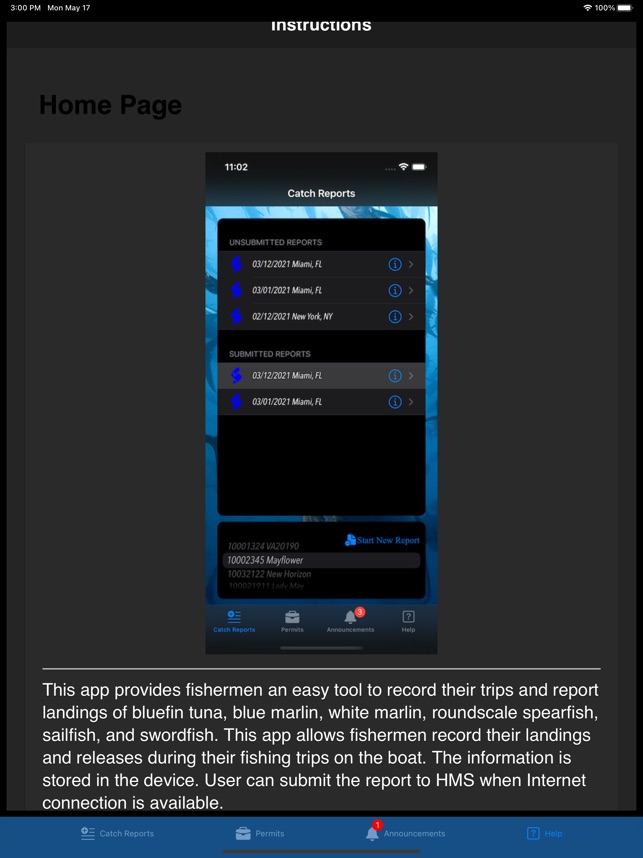
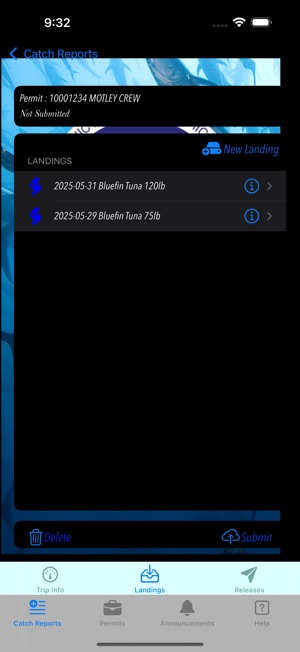
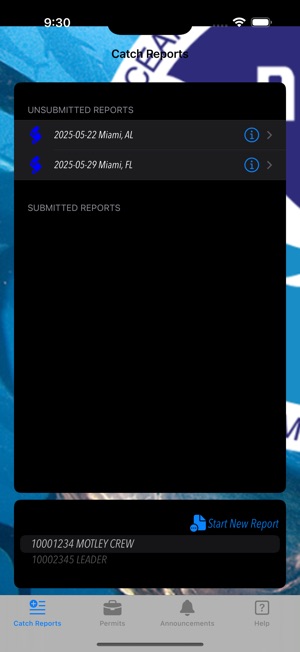
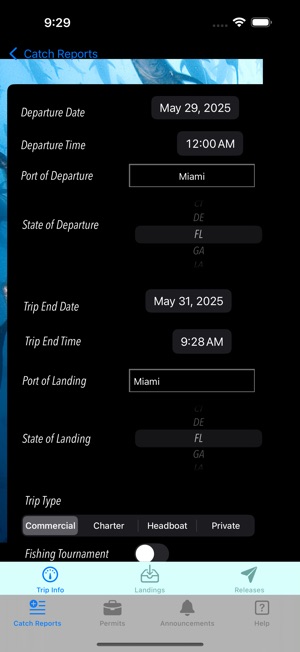
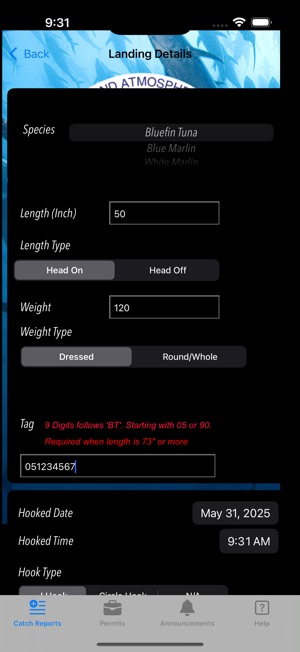
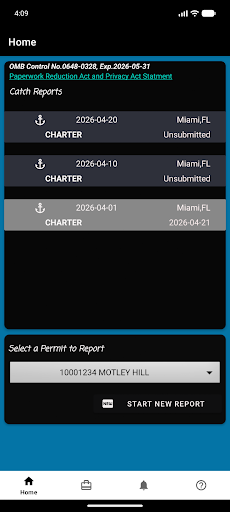
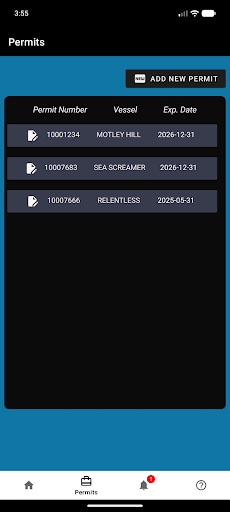
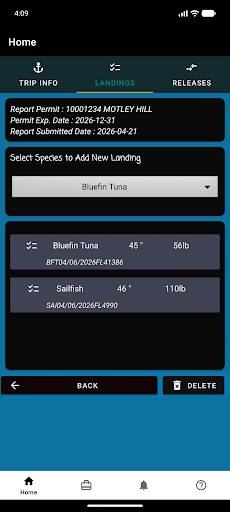
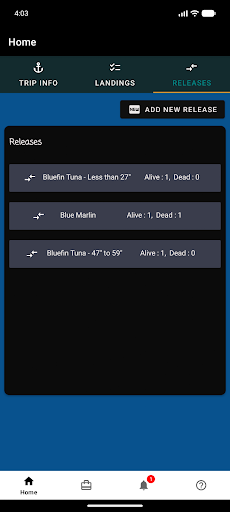
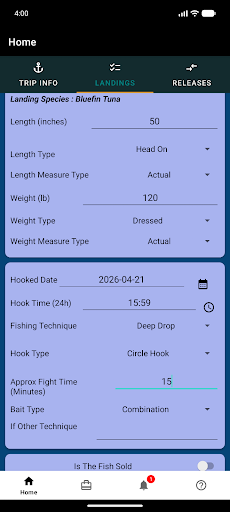
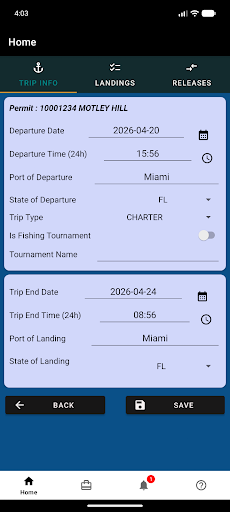
Developed by NOAA Fisheries, this mobile application facilitates regulatory compliance for fishermen targeting Atlantic Highly Migratory Species (HMS). The interface enables the capture of trip details, landings, and releases for species including tuna, swordfish, and billfish. Data is stored locally on the device, allowing for offline entry during fishing trips. The system then transmits the completed report to the HMS management database once an internet connection is reestablished, ensuring timely and accurate data submission for fisheries management.
Evidence & Research Context
- The application functions as an approved electronic reporting tool within the regulatory framework detailed by NOAA Fisheries for Atlantic Highly Migratory Species (HMS) management.
- Its design supports compliance with time-sensitive reporting mandates, such as the 24-hour submission requirement for recreational landings of specified species.
- The system is specified for use by multiple stakeholder groups, including recreational anglers and commercial permit holders, to report landings, releases, and dead discards.
- Data collected via the app contributes directly to management databases used for monitoring populations and ensuring compliance with national and international fishery agreements.
Intended Use & Scope
This application is intended for use by recreational and commercial fishermen required to report catches of Atlantic Highly Migratory Species. Its primary scope is to serve as a data submission tool for regulatory compliance. The app is not a comprehensive fishing log, navigational aid, or species identification guide, and its use is limited to mandated reporting.
Studies & Publications
Peer-reviewed research associated with this app.
Atlantic Highly Migratory Species Electronic Technologies Implementation Plan
NOAA Fisheries et al. (2024) · NOAA Fisheries
Referenced in academic literature; no direct evaluation of the appIn the Media
Update Your NOAA Catch Reporting App and Report Your Atlantic Highly Migratory Species Catch!
NOAA launched an updated version of its Catch Reporting app to help recreational and commercial fishermen submit required catch reports for Atlantic highly migratory species, featuring an upgraded user experience while reducing data entry errors. The app enables users to report Atlantic bluefin tuna, swordfish, and billfish catches, with all landings of these species required to be reported by recreational fishermen and bluefin tuna landings and discards required from commercial fishermen. The updated app is now available for download at the Mac App Store and Google Play Store.
NOAA proposes expanding electronic reporting of fish catches
NOAA Fisheries proposed a rule to eliminate paper dockside reports for Atlantic fishermen catching high-value species like swordfish, sharks and tuna, shifting to electronic vessel trip reporting software called eVTRs. The practice, commonly referred to as "one-stop reporting," has met mixed reviews from fishermen who appreciate the efficiency but caution that e-reporting requires online data entry and technical skills some are unfamiliar with. The rule could be adopted as soon as January in NOAA's Greater Atlantic and Southeast regions.
Atlantic HMS Catch Reporting App
NOAA Fisheries developed Catch Reporting to provide HMS fishermen an easy mobile tool for recording trips and reporting catch on the go. The app enables fishermen to report their catch of bluefin tuna, blue marlin, white marlin, roundscale spearfish, sailfish, and swordfish. The mobile application launched in September 2017.
App Information
Category
Evidence Profile
Published in academic literature
Platforms
Updated
Aug 2026
© 2025 National Oceanic and Atmospheric Administration