

E-Plan
Published in academic literature
App Summary
App Screenshots

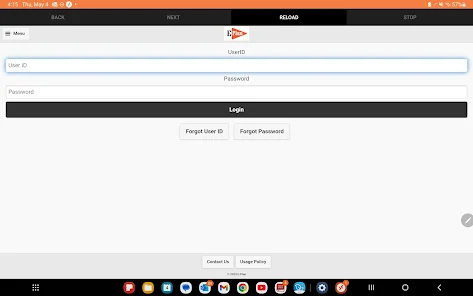
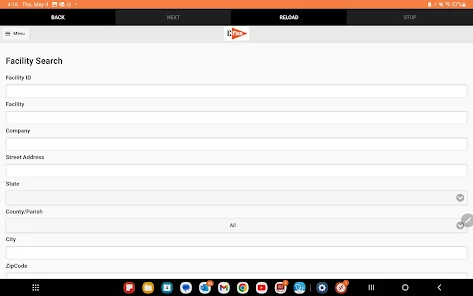
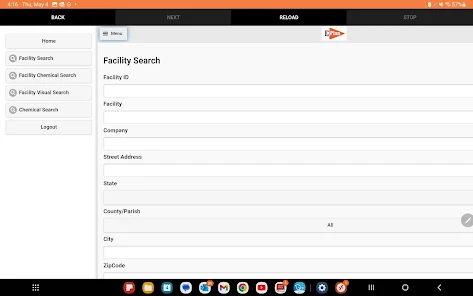
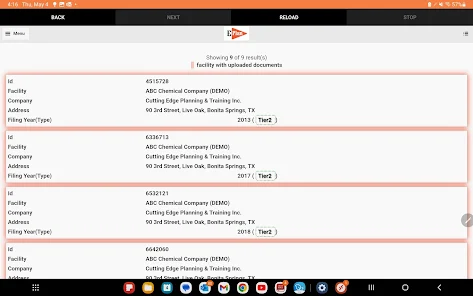
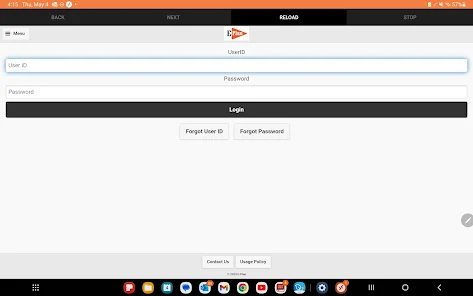
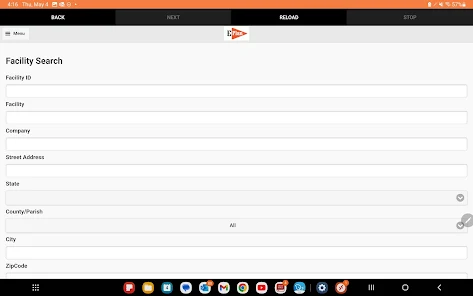
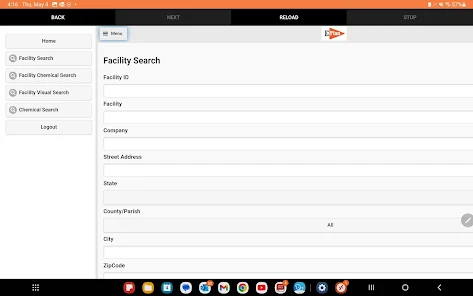
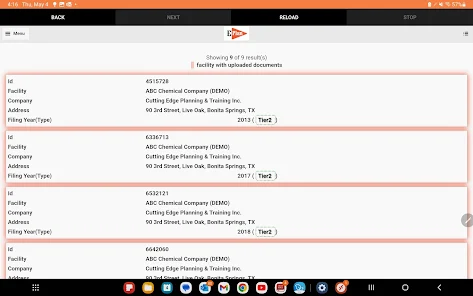
Detailed Description
Functionality & Mechanism
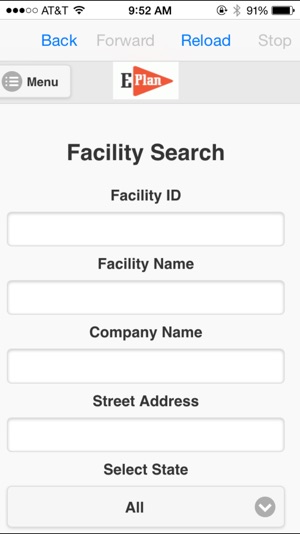
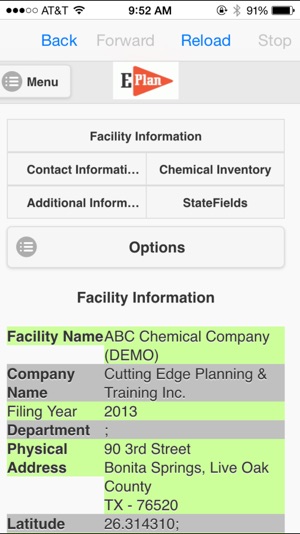
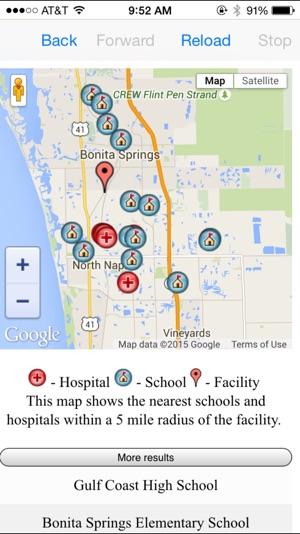
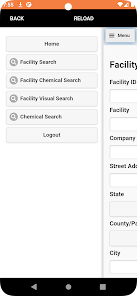
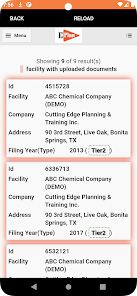
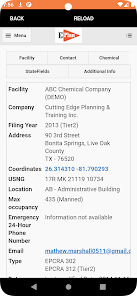
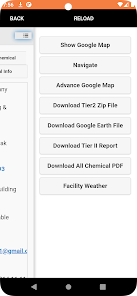
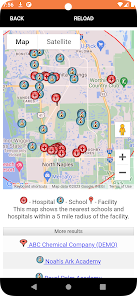
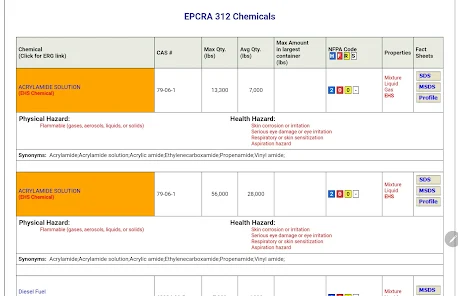
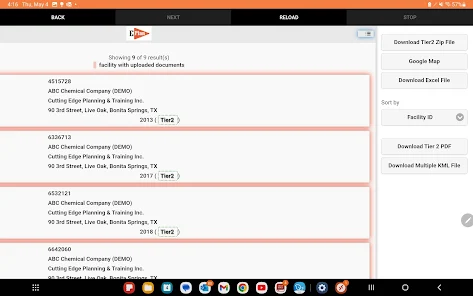
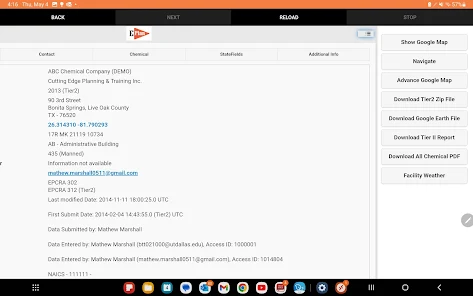
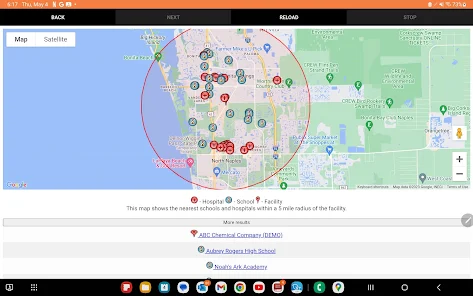
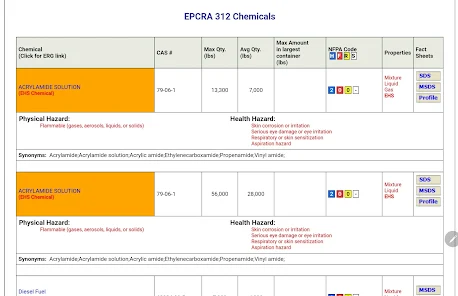
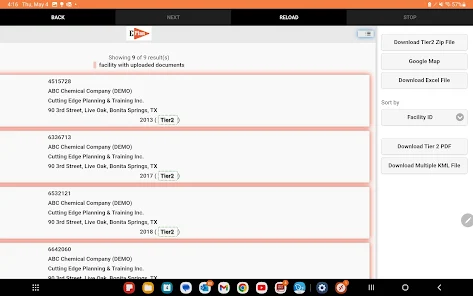
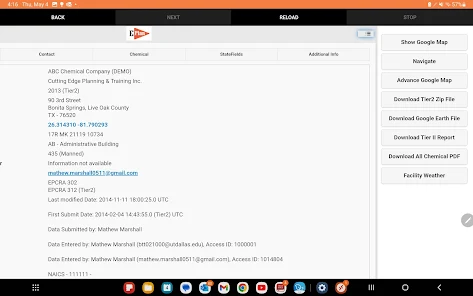
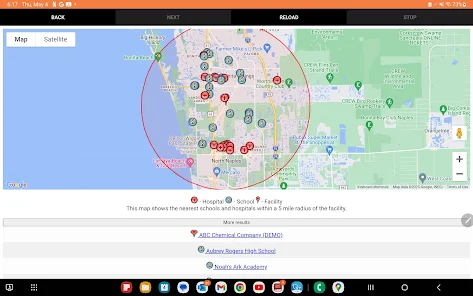
E-Plan is a data retrieval system that aggregates on-site hazardous chemical information for facilities across the United States. The system leverages Tier II reporting data submitted under U.S. Environmental Protection Agency (EPA) regulations. Its interface facilitates access to geospatial maps indicating sensitive locations, chemical profiles, Material Safety Data Sheets (MSDS), Emergency Response Guidebook (ERG) pages, and facility Risk Management Plans (RMPs). This information is delivered via the internet to enhance situational awareness during hazardous material incidents.
Evidence & Research Context
- The system's architecture is founded on the aggregation of hazardous material data submitted by facilities as mandated by federal environmental regulations.
- E-Plan was the subject of a technical case study in the IEEE conference proceedings that detailed its architectural evolution into an intelligent web-services model.
- The associated research describes the system as an established platform for providing critical information to first responders during chemically hazardous emergencies.
Intended Use & Scope
This system is designed for First Responders and emergency management personnel as a real-time decision-support tool. Its primary utility is providing rapid access to facility-specific hazardous material data during an incident. E-Plan is intended to supplement, not replace, on-site hazard assessment and established incident command protocols. The data's accuracy is contingent upon regulatory reporting by individual facilities.
Studies & Publications
Peer-reviewed research associated with this app.
Towards intelligent services: a case study in chemical emergency response. 2005 IEEE International Conference on Web Services
Bansal et al. (2005) · IEEE ICWS Conference Proceedings
Describes the research-driven development of this appIn the Media
E-Plan provides first responders and other emergency personnel with on-site hazardous chemical information for US facilities
The United States Environmental Protection Agency (EPA) and The University of Texas at Dallas developed E-Plan to provide first responders with critical hazardous chemical information at emergency scenes, using a secure Internet-accessible repository system. The system addresses a significant need, as ATSDR reported that in 2001, 227 first responders suffered health consequences from hazardous materials releases at fixed facilities like chemical plants and refineries. E-Plan is currently funded by the United States Department of Homeland Security and operates in many communities nationwide.
E-Plan Emergency Information System Aiding in Response to Hurricane Katrina
The University of Texas at Dallas and the United States Environmental Protection Agency developed E-Plan to aid emergency responders in assessing chemical facility damage, using a secure Internet-accessible database containing hazardous material inventories across multiple states. "The information available through E-Plan will be vital to first responders in planning safe initial approaches to these facilities, as well as advising personnel on how to deal with any chemical spills," said Dr. E. Douglas Harris, executive director of UTD's CyberSecurity and Emergency Preparedness Institute. Created in 2001, E-Plan proved invaluable during Hurricane Katrina response efforts in Gulf Coast states including Louisiana and Alabama.
UTD To Test Web-Based HazMat Emergency Response System
The University of Texas at Dallas developed E-Plan to support emergency response personnel during hazardous materials releases, using an Internet-based electronic information system that centralizes critical data. "E-Plan will centralize and integrate this vital data electronically, so that information can be obtained virtually instantly via computer by personnel responding to an emergency, thus saving a significant amount of time and, quite likely, lives and property," said Dr. E. Douglas Harris. The EPA and Texas Natural Resource Conservation Commission provided $1.3 million in total funding for the system's development and pilot testing.
App Information
Developer
University of Texas at DallasCategory
Evidence Profile
Published in academic literature
Platforms
Updated
Sep 2015
© 2025 University of Texas at Dallas