
AppsFromResearch
STRUCT-AR icon

STRUCT-AR

Evidence Tier:EVALUATED

Assessed by researchers — mixed findings

For:General Public & EnthusiastsKids & Youth

App Summary

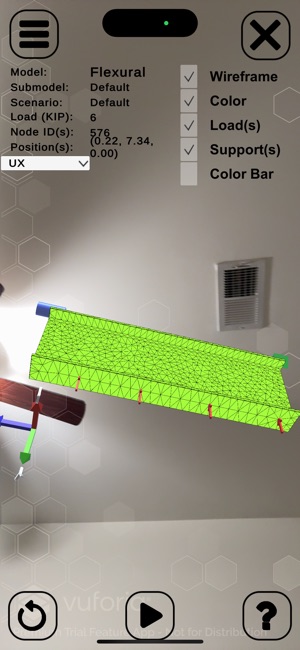
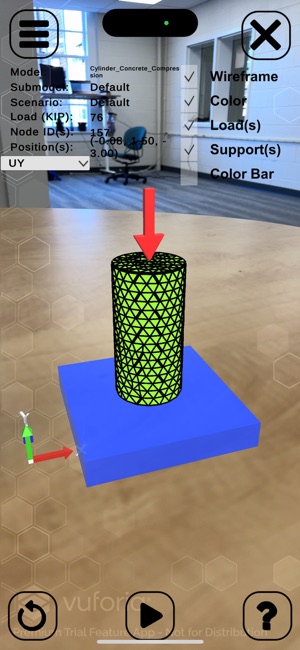
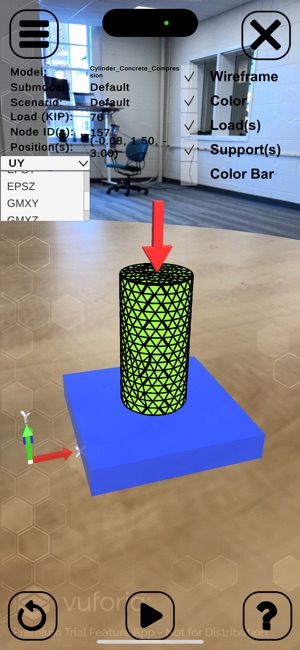
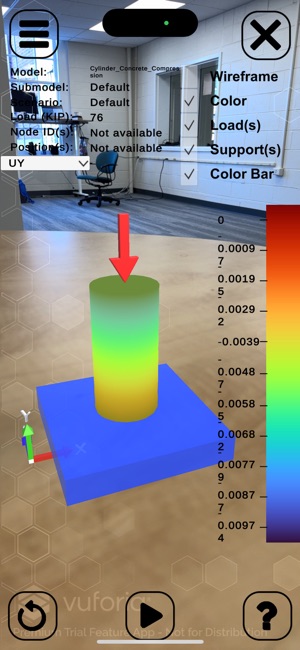
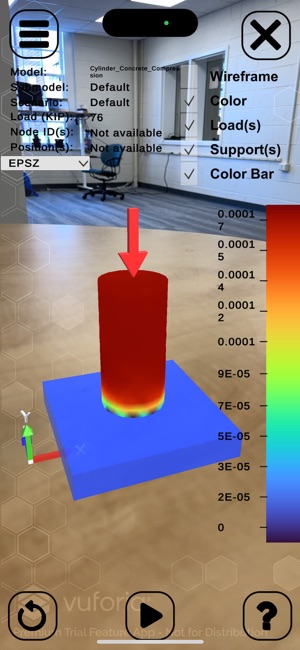
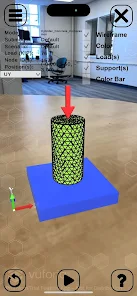
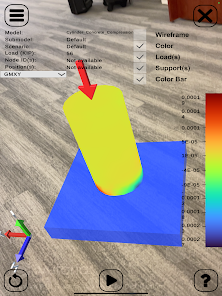
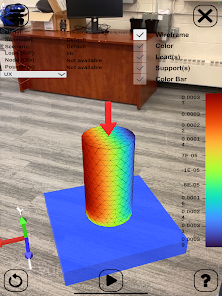
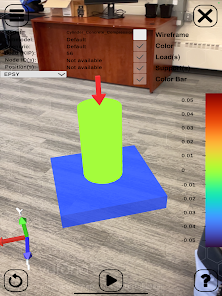
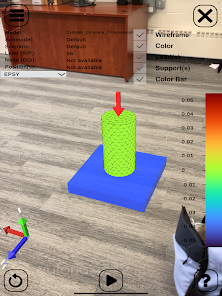
STRUCT-AR is an augmented reality (AR) application for civil engineering students, designed to help them visualize and understand how 3D structural models behave under applied loads. To address learning gaps from traditional 2D instruction, the app was evaluated in a pilot case study with undergraduate students to assess its perceived usefulness and ability to engage them in structural analysis. The associated research concludes that this interactive, 3D visualization approach has the potential to supplement classroom learning and improve student comprehension of complex structural behaviors.

App Screenshots
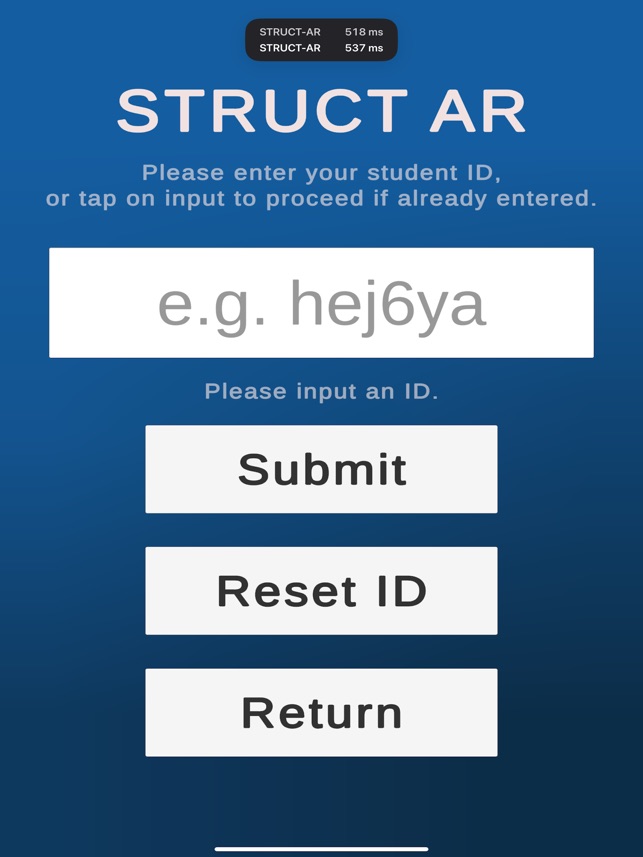
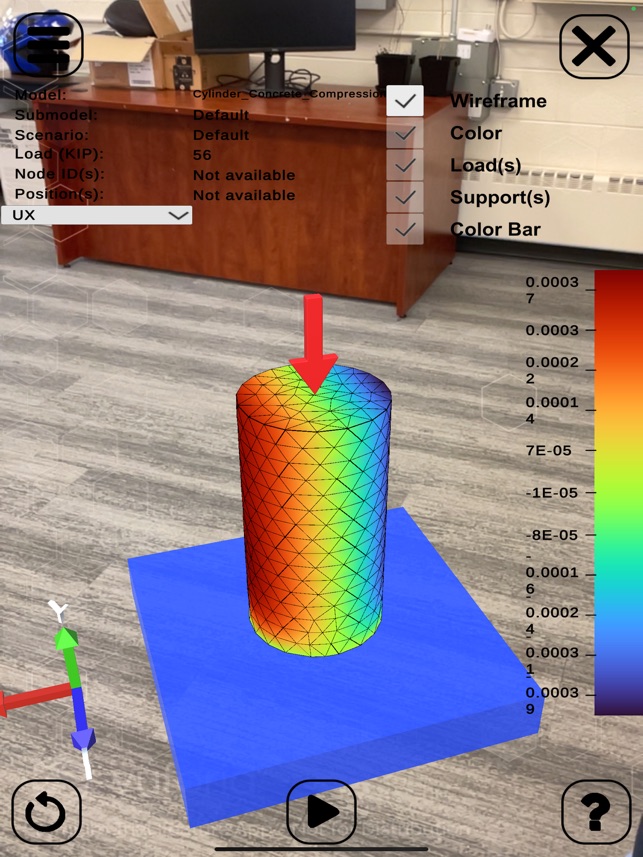
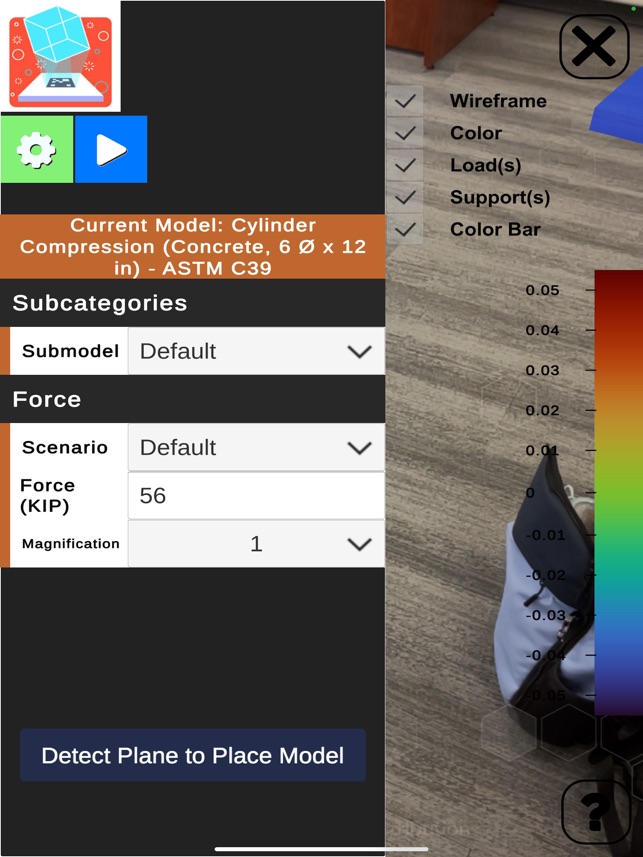
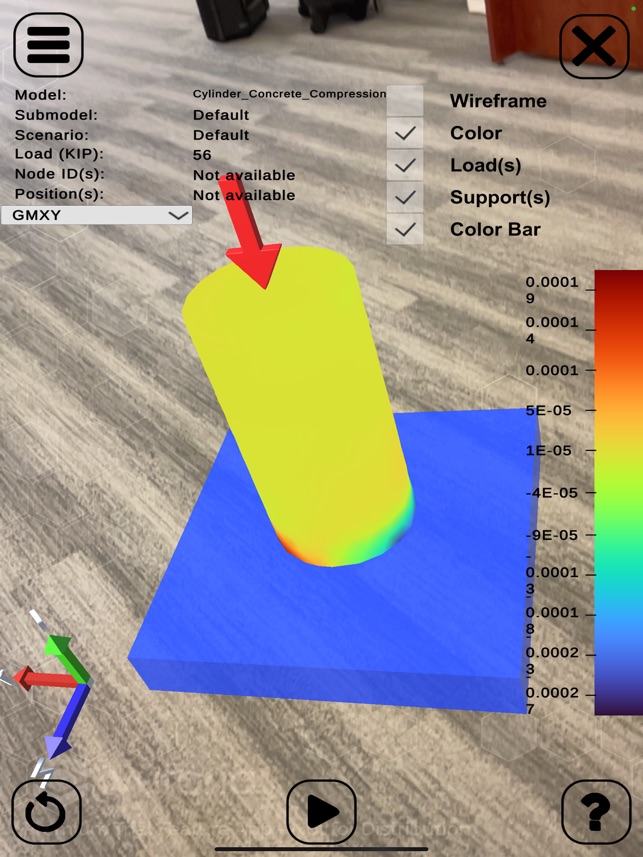
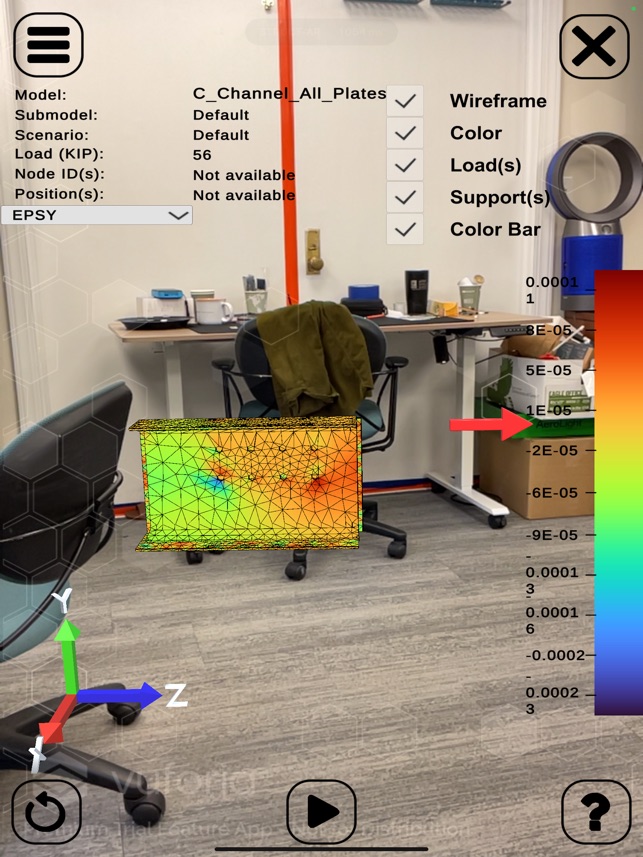
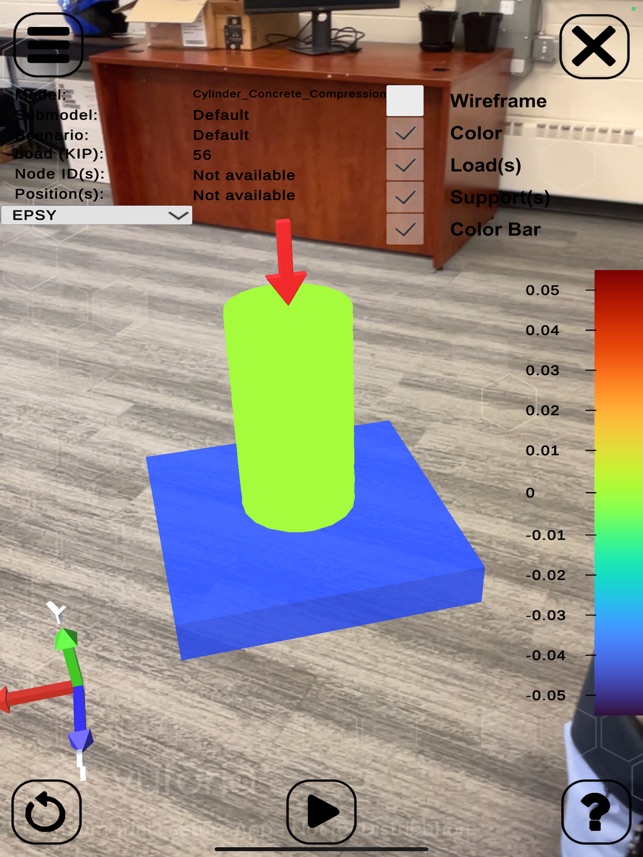
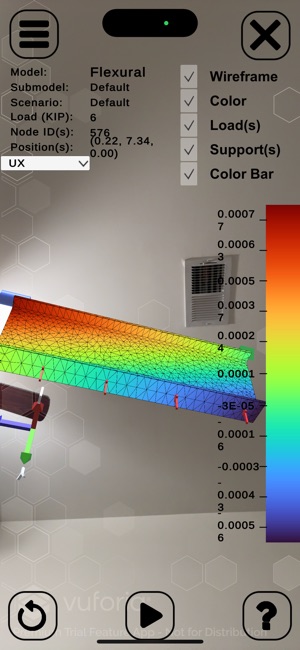
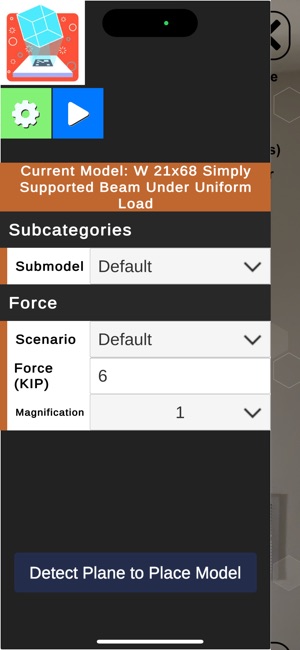
STRUCT-AR screenshot 1 of 28STRUCT-AR screenshot 2 of 28STRUCT-AR screenshot 3 of 28STRUCT-AR screenshot 4 of 28STRUCT-AR screenshot 5 of 28STRUCT-AR screenshot 6 of 28STRUCT-AR screenshot 7 of 28STRUCT-AR screenshot 8 of 28STRUCT-AR screenshot 9 of 28STRUCT-AR screenshot 10 of 28STRUCT-AR screenshot 11 of 28STRUCT-AR screenshot 12 of 28STRUCT-AR screenshot 13 of 28STRUCT-AR screenshot 14 of 28STRUCT-AR screenshot 15 of 28STRUCT-AR screenshot 16 of 28STRUCT-AR screenshot 17 of 28STRUCT-AR screenshot 18 of 28STRUCT-AR screenshot 19 of 28STRUCT-AR screenshot 20 of 28STRUCT-AR screenshot 21 of 28STRUCT-AR screenshot 22 of 28STRUCT-AR screenshot 23 of 28STRUCT-AR screenshot 24 of 28STRUCT-AR screenshot 25 of 28STRUCT-AR screenshot 26 of 28STRUCT-AR screenshot 27 of 28STRUCT-AR screenshot 28 of 28

Detailed Description

Functionality & Mechanism

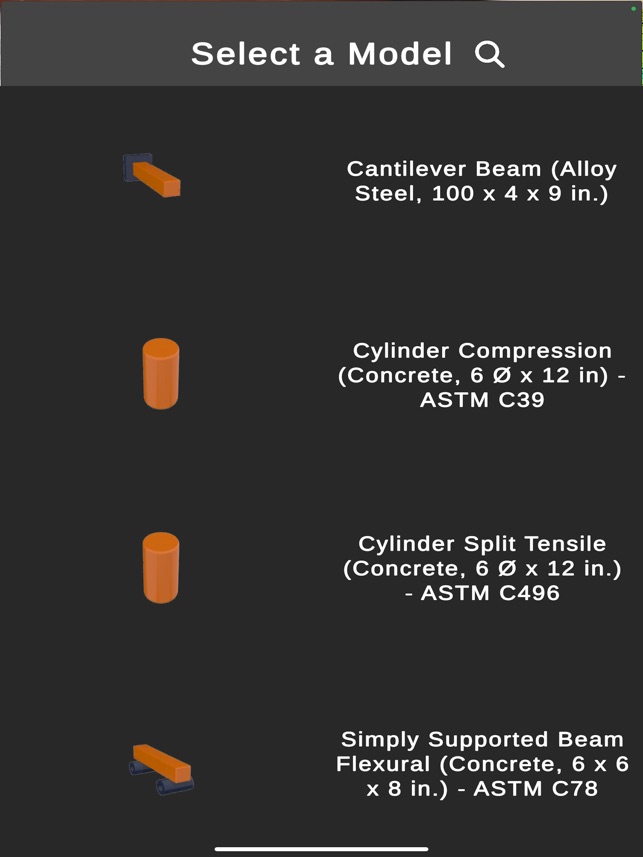
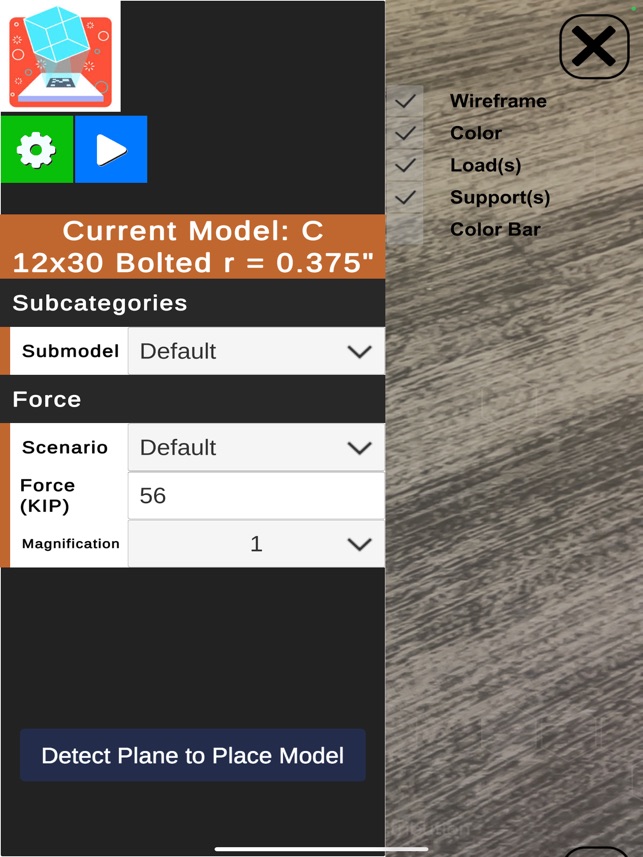
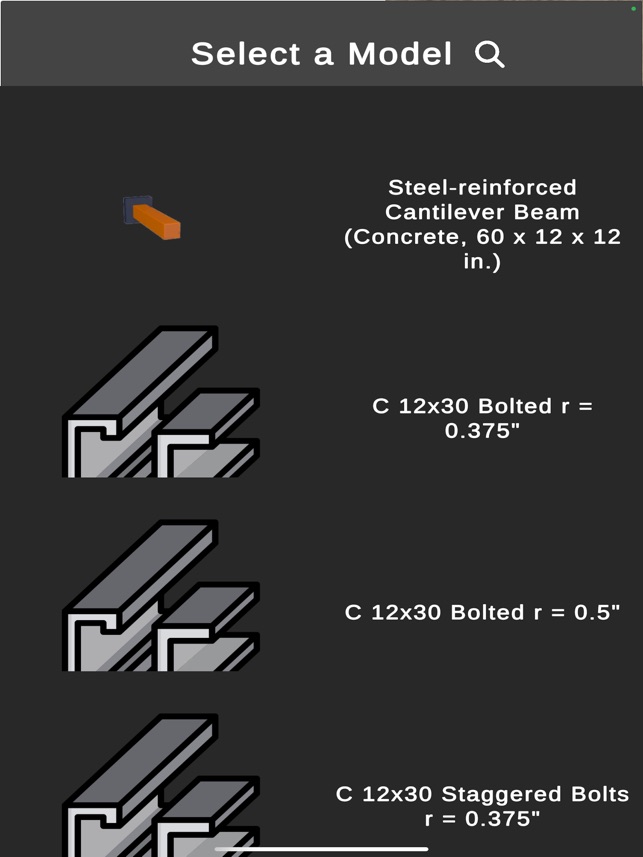
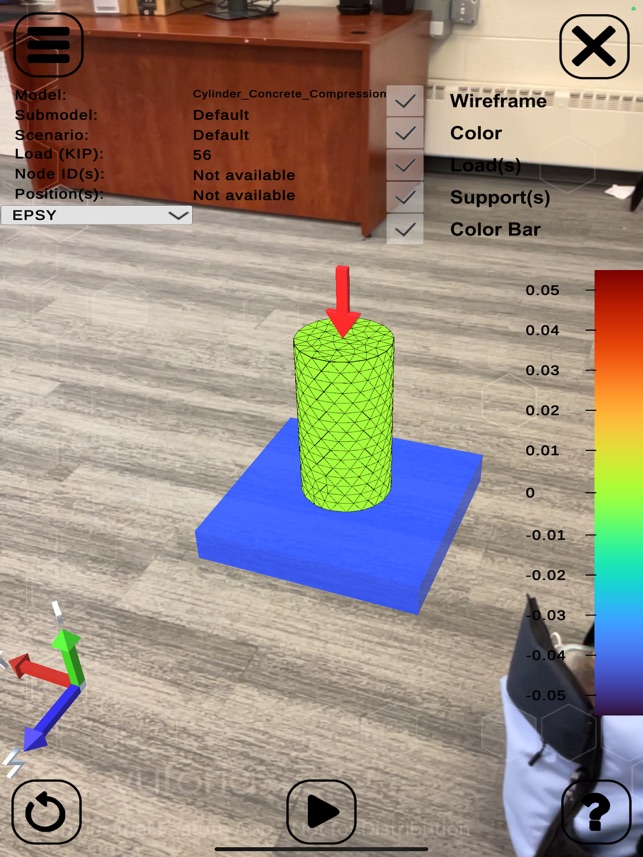
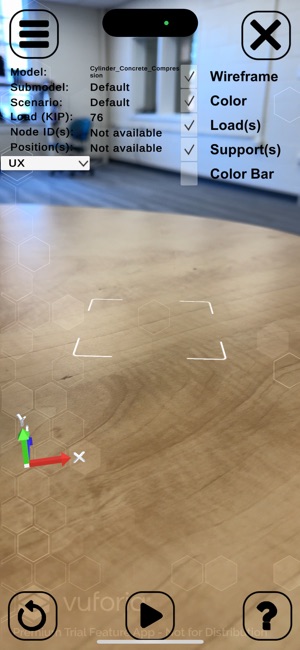
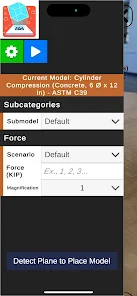
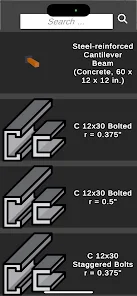
STRUCT-AR leverages mobile augmented reality (AR) to visualize structural behavior. The system utilizes pre-loaded finite element models, which are superimposed onto the user's physical environment via the device camera. The interface facilitates immersive, three-dimensional exploration of how structural components react to applied loads from multiple angles. This process bypasses the need for manual specification of material properties, meshing, or boundary conditions, allowing for direct interaction with pre-configured engineering scenarios.

Evidence & Research Context

  • The application's design and pedagogical rationale are detailed in a case study evaluating its use in an undergraduate structural design course.
  • This pilot evaluation was designed to assess student engagement and perceived usefulness via the Technology Acceptance Model (TAM).
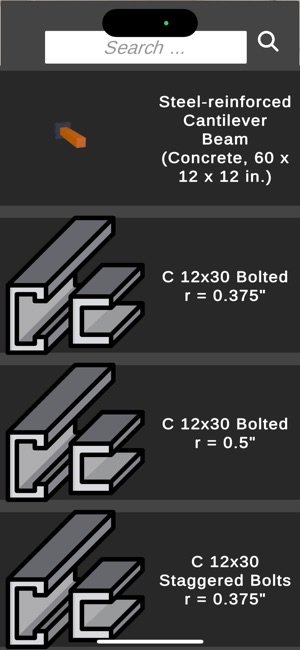
  • The study context involves third-year undergraduate civil engineering students interacting with models of steel beam elements under point loads.
  • The stated research goal is to investigate AR's potential to supplement traditional 2D instruction and improve comprehension of structural mechanisms.

Intended Use & Scope

This application is intended for engineering educators and undergraduate students as a complementary pedagogical tool. Its primary utility is to supplement traditional instruction by providing interactive, three-dimensional visualization of structural behaviors. The system does not function as a design or analysis tool and relies on pre-loaded models, not real-time calculation.

Studies & Publications

1 publication

Peer-reviewed research associated with this app.

Evaluation Study

A Case Study on Leveraging Augmented Reality for Visualization in Structural Design

Yehia et al. (2022) · ASEE Annual Conference & Exposition

Showed promise as a visualization tool but full effectiveness results are not yet available.

Intended to be the first course in design for civil engineering undergraduate students, Introduction to Structural Design introduces the application of mechanics in the context of material-specific design approaches of both structural components and systems. Research reveals, however, that students struggle with understanding structural behavior in the three-dimensional context because of the shortcomings of representations used for visualization in traditional textbook and lecture-oriented instruction. This research project aims to leverage mobile augmented reality (AR) as a tool to aid students with visualization of structural components and systems subjected to varying loading and boundary constraints. The AR tool, STRUCT-AR, allows users to integrate models simulated using finite element or structural analysis software into their local environment. The integrated models can then be explored in an immersive environment using a variety of interfaces including mobile devices and in future studies, AR headsets, or even virtual reality headsets. This study leverages mobile devices (i.e. smartphones and tablets) as the implementation platform with a goal of providing an accessible alternative teaching method targeted towards filling or supplementing student knowledge or comprehension gaps and ultimately improving student learning outcomes. To evaluate the tool functionality, the study first leverages a technology acceptance model (TAM) test for the application's perceived usefulness as well as attitudinal reactions. Our study explores a case study within a third-year undergraduate structural design course. The case study selected focuses on steel beam elements with point loads. The goal of this study is to evaluate the application's ability to engage students in structural analysis of some defined problems. The results of this pilot study will indicate the effectiveness of augmented reality usage in the educational setting and potentially demonstrate its new approach's potential to contribute to student learning through interactive, three-dimensional visualization features, which in turn support the cultivation of strong engineering students.
... Read More

STRUCT-AR

Free