
NRL OpenPATH
Validated with strong research evidence · Supported by multiple studies
App Summary
App Screenshots
Detailed Description
Functionality & Mechanism
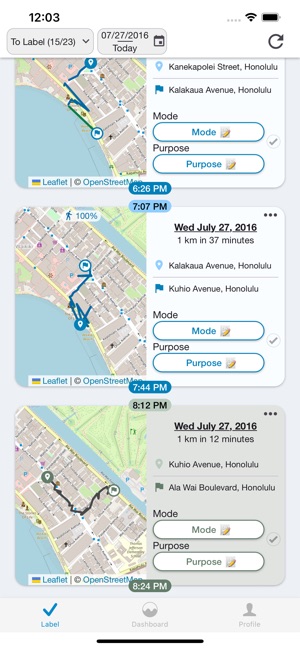
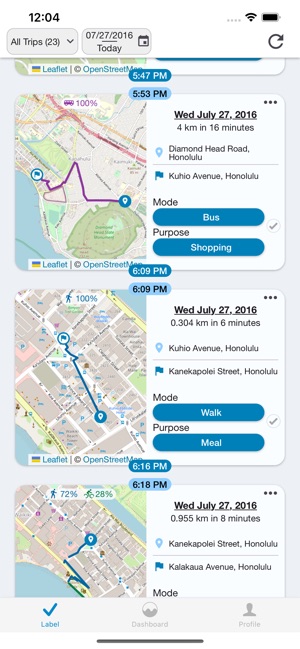
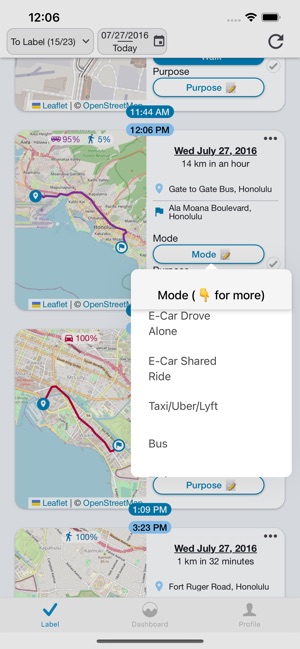
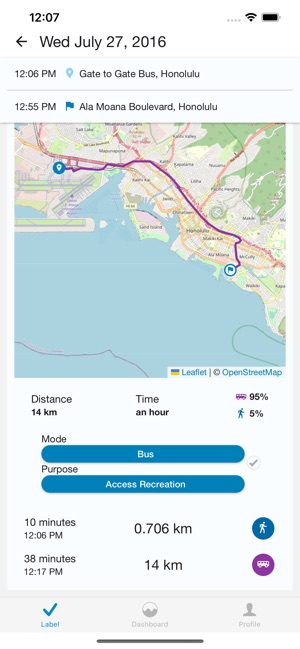
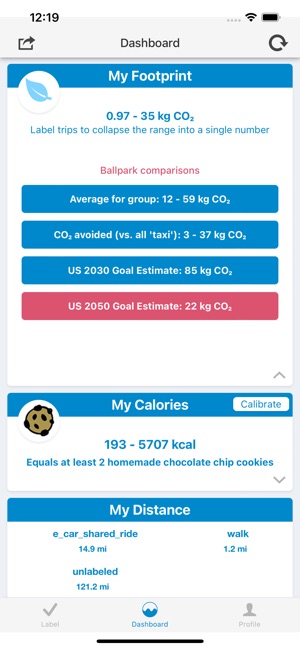
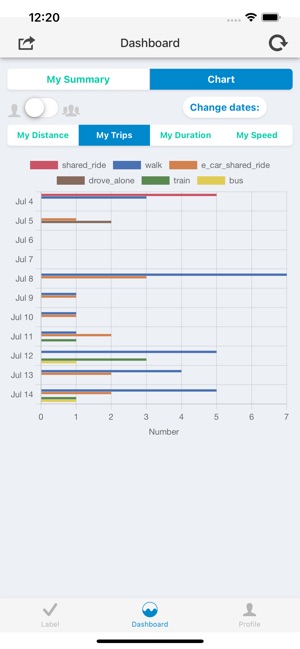
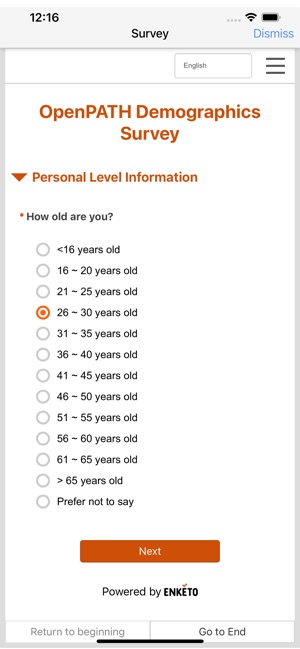
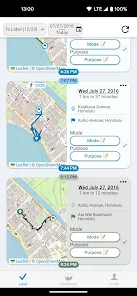
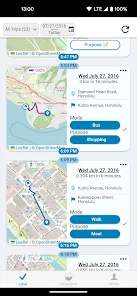
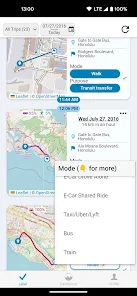
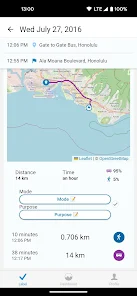
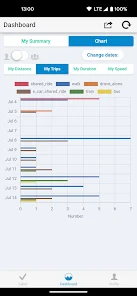
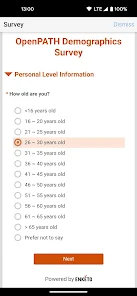
Developed by the National Renewable Energy Laboratory (NREL), NREL OpenPATH is an open-source data collection platform functioning as an automatically sensed travel diary. The system leverages smartphone GPS and accelerometer sensors for continuous, passive trip detection. To conserve battery, the system deactivates GPS tracking when stationary. Following enrollment and consent within a specific study, the interface captures trip data and may prompt users to provide semantic labels for travel mode and purpose, which are configurable by researchers.
Evidence & Research Context
- A validation study assessing the platform's mode inference algorithms demonstrated weighted F1 scores of 0.74 (Android) and 0.60 (iOS) and identified a systemic under-counting of trip length.
- An integrated machine learning model designed to reduce user labeling burden was found to predict trip purpose, mode, and replaced mode with 72-81% accuracy in a longitudinal study.
- The platform has been utilized as a primary data collection tool in transportation research, including a preliminary e-bike adoption pilot study (N=12) and a subsequent large-scale program.
- Data collected via the app in an e-bike adoption program indicated that e-bikes replaced personal car trips in 34% of instances among low-income households.
Intended Use & Scope
This platform is intended for transportation researchers, program administrators, and public planning agencies to conduct longitudinal travel behavior studies. Its primary utility is the collection of granular, multimodal trip data to evaluate mobility programs and inform policy. The system is not a consumer navigation or travel-planning tool; data accuracy is contingent on algorithmic performance and participant engagement.
Studies & Publications
Peer-reviewed research associated with this app.
OpenPATH - Leveraging Technology to Measure Travel Behavior
Wheelis et al. (2024) · NREL Research Hub
Describes the research-driven development of this appUnderstanding Mobility Behavior Using OpenPATH
Duvall et al. (2023) · CDOT TDM Conference
Describes the research-driven development of this appIn the Media
NREL's Open-Source Vehicle and Mobility Tools Offer Routes to Reduce Transportation Energy Use, Emissions
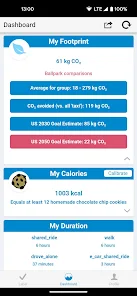
NREL developed OpenPATH as part of its suite of open-source transportation tools to reduce energy use and emissions by allowing users to customize scenarios for route optimization and measuring personal carbon footprints by travel mode. "Open-source availability of these transportation tools allows users to explore and customize scenarios as they consider how to implement energy efficiency advancements into their processes," said NREL's Jake Holden, a senior decarbonized vehicle systems researcher. The tools provide a common framework for automakers, regulators, and research entities to share and validate transportation efficiency work.
Small But Mighty: Electric Bicycles Can Bridge the Gap in Access to Transportation
The Colorado Energy Office teamed up with NREL to understand how to increase e-bike adoption through the Can Do Colorado e-Bike Pilot, using NREL's OpenPATH tool to collect holistic travel data. The nearly two-year pilot distributed about 200 e-bikes and 50 e-bike-share memberships to low-income essential workers across Colorado, making it "the nation's largest e-bike program." Results show that e-bikes can serve unmet transportation needs while providing cost-effective alternatives with benefits including free parking and reduced traffic congestion.
NREL OpenPATH Tool Enables Expanded E-Bike Pilot Program To Demonstrate Energy-Efficiency Benefits
The National Renewable Energy Laboratory (NREL) developed OpenPATH to collect and analyze travel data for Colorado's expanded e-bike pilot program, using a modular, open-source platform that automatically detects participant trips through a smartphone app. The platform "automatically detects participant trips through a smartphone app, creates a travel diary, and displays it to participants for labeling" to understand e-bike use patterns and evaluate carbon emissions savings. NREL made OpenPATH broadly available to public agencies, with program managers able to direct participants to install the app from Google Play or Apple app stores.
Pilot Program Sheds Light on E-Bike Use Patterns, Energy-Efficiency Benefits
NREL partnered with the Colorado Energy Office to assess travel behavior impacts of providing low-income essential workers with e-bikes during COVID-19, using a smartphone platform called e-mission for data collection. Analysis results showed that e-bikes became the dominant travel mode for 30% of trips among participants, followed by shared rides at 29% and single-occupancy vehicles at just 20%. The initial three-month pilot with 13 Denver-area workers launched in fall 2020 and is informing a full-scale, two-year pilot across Colorado.
App Information
Developer
National Renewable Energy LaboratoryCategory
Evidence Profile
Validated with strong research evidence · Supported by multiple studies
Platforms
Updated
Sep 2026
© 2025 National Renewable Energy Laboratory