

FHIRedApp
Published in academic literature
App Summary
App Screenshots

Detailed Description
Functionality & Mechanism
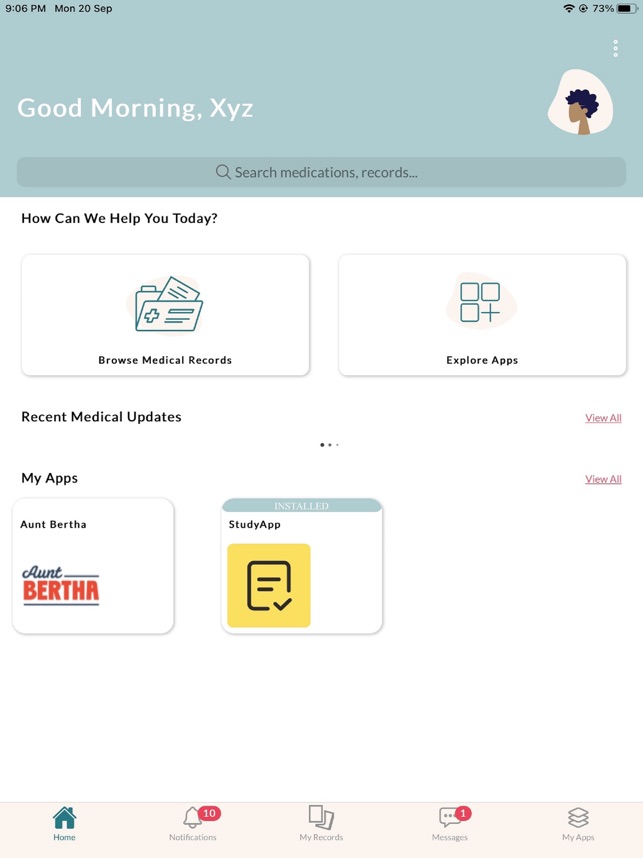
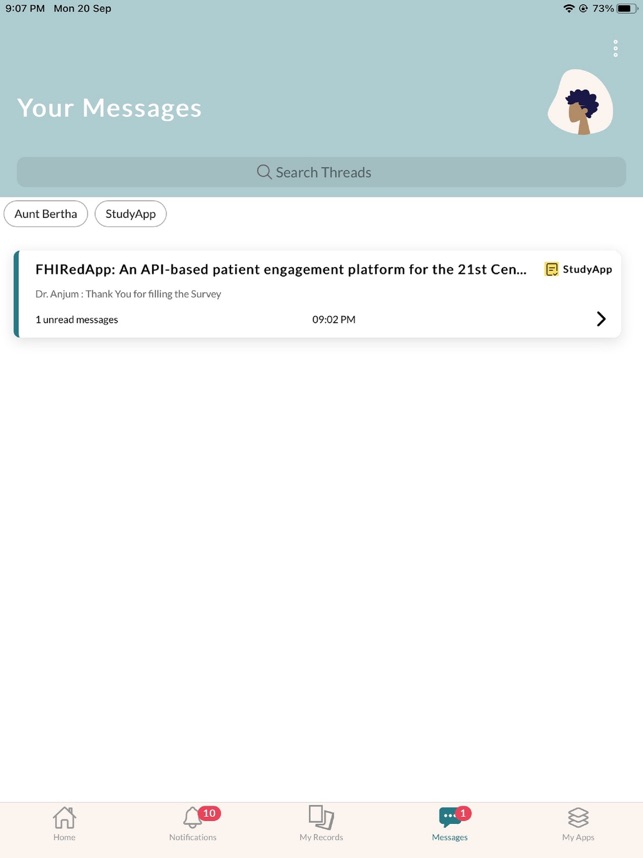
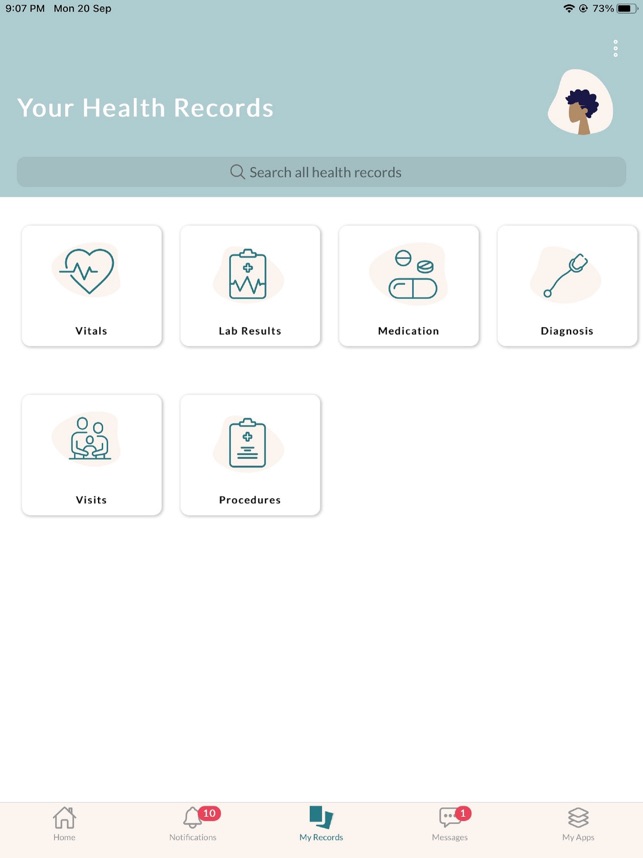
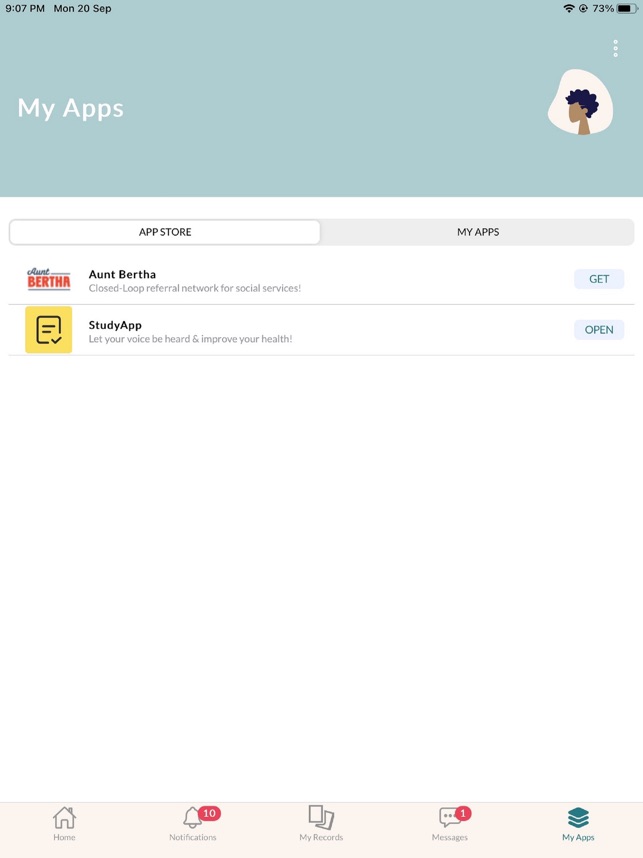
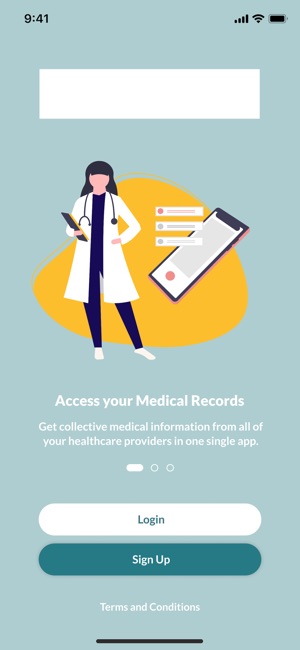
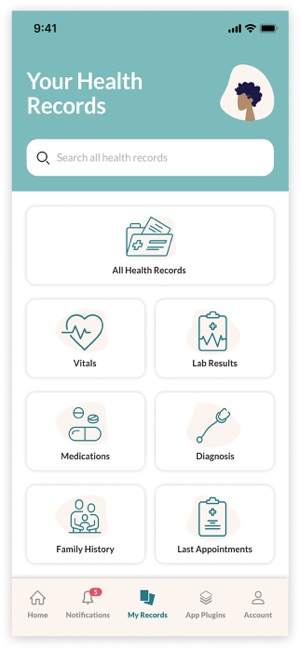
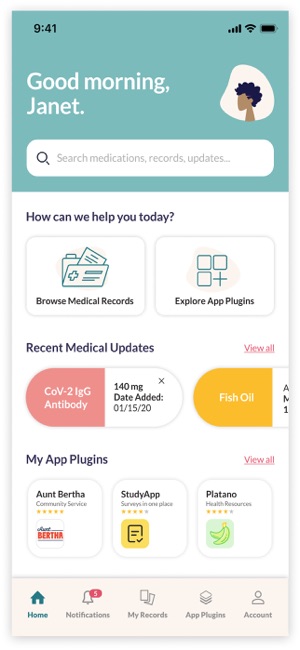
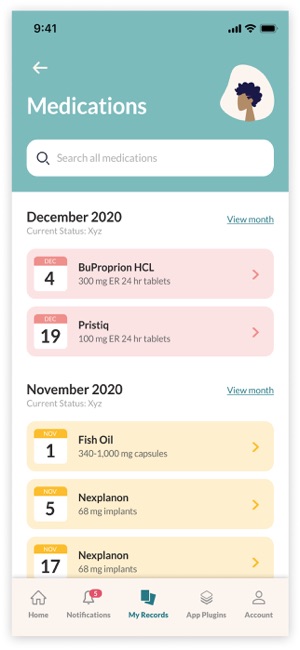
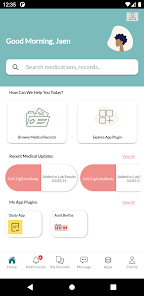
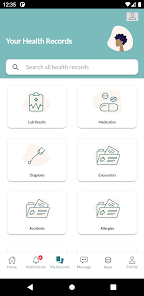
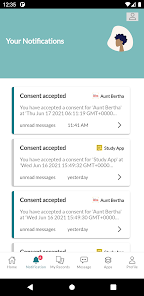
FHIRedApp is a patient-facing health information platform designed to aggregate medical records from multiple providers into a single, secure interface. The system leverages national interoperability standards, including HL7® FHIR® for data structure and OAuth2 for authentication, to establish secure connections with provider portals. The platform's core mechanism facilitates patient-controlled access to their consolidated health data and enables them to grant and manage sharing permissions with third-party applications via secure application programming interfaces (APIs).
Evidence & Research Context
- The platform's architecture is detailed in a research article describing its development, which was guided by a Human-Centered Design process and a Community Engagement Studio methodology.
- The co-design process actively involved diverse community stakeholders, including Latinx, African-American, and Asian-American individuals, to ensure user needs and preferences were met.
- Initial usability evaluations conducted during development indicated high user satisfaction rates with the platform's interface and data access functions.
- The associated research demonstrates the technical application of interoperability and authentication standards to create secure, patient-centric engagement technologies.
Intended Use & Scope
This tool is intended for patients and the general public to manage personal health information. Its primary utility is as a data aggregation and portability platform, facilitating secure access to and sharing of medical records. The application does not provide clinical interpretation, diagnostic services, or treatment recommendations. All health-related decisions require consultation with a qualified healthcare professional.
Studies & Publications
Peer-reviewed research associated with this app.
FHIRedApp: a LEAP in health information technology for promoting patient access to their medical information
Khurshid et al. (2021) · JAMIA Open
Describes the research-driven development of this appIn the Media
ONC-Funded FHIR Project for Patient Data Access Takes Health Equity Focus
The University of Texas at Austin's Dell Medical School developed FHIRedApp to improve patient data access for diverse communities, using FHIR APIs and human-centered design methodology focused on Latino, African American, and Asian American patients. The team conducted 20 Community Engagement Studio sessions with ethnically and racially diverse patients from Central Texas to identify desired features through beta testing, interviews, and pilot testing. Dell Med received funding as a 2019 ONC Leading Edge Acceleration Projects awardee to create this health equity-focused patient engagement platform.
Where APIs meet Health Equity by Design: Introducing the FHIRedApp Health Innovation
The University of Texas at Austin's Dell Medical School developed FHIRedApp to enhance patient engagement for care and research with a focus on health equity, using APIs and national interoperability standards like FHIR and SMART on FHIR. The team conducted 20 Community Engagement Studio sessions with ethnically and racially diverse patients from Central Texas to identify desired features through human-centered design methodology. The platform connects to FHIR API endpoints from certified EHR technologies and leverages health information exchanges as data aggregators from multiple EHRs.
Dell Medical School Building FHIR-Based Community Data Platform
Dell Medical School at the University of Texas developed FHIRedApp as part of their FHIR-enabled Social and Health Information Platform (FHIRed-SHIP), using grant funding from the Office of the National Coordinator for Health IT to integrate social services referrals through electronic health records. The platform leverages FHIR APIs and the Gravity Project's use case package to address social determinants of health including food security, housing stability, and transportation access. The system creates a closed-loop referral system accessible through EHRs used by Federally Qualified Health Centers to exchange information between clinical providers and community-based organizations.
App Information
Developer
University of Texas at AustinCategory
Evidence Profile
Published in academic literature
Platforms
Updated
Apr 2023
© 2025 University of Texas at Austin