
AppsFromResearch
FOCUS on Foster Families icon

FOCUS on Foster Families

Initial evidence from research studies

For:General Public & Enthusiasts

App Summary

FOCUS on Foster Families provides educational videos, interactive games, and communication tools to help foster youth and their caregivers navigate common challenges and build resilience. The app is based on the FOCUS family resilience model, which in an evaluation study of military families (N=331) resulted in significant improvements in psychological health measures for both parents and children. The associated research concludes that this strength-based program can help families build communication, make meaning of stressful experiences, and develop skills that support overall family well-being.

App Screenshots

FOCUS on Foster Families screenshot 1 of 10FOCUS on Foster Families screenshot 2 of 10FOCUS on Foster Families screenshot 3 of 10FOCUS on Foster Families screenshot 4 of 10FOCUS on Foster Families screenshot 5 of 10FOCUS on Foster Families screenshot 6 of 10FOCUS on Foster Families screenshot 7 of 10FOCUS on Foster Families screenshot 8 of 10FOCUS on Foster Families screenshot 9 of 10FOCUS on Foster Families screenshot 10 of 10

Detailed Description

Functionality & Mechanism

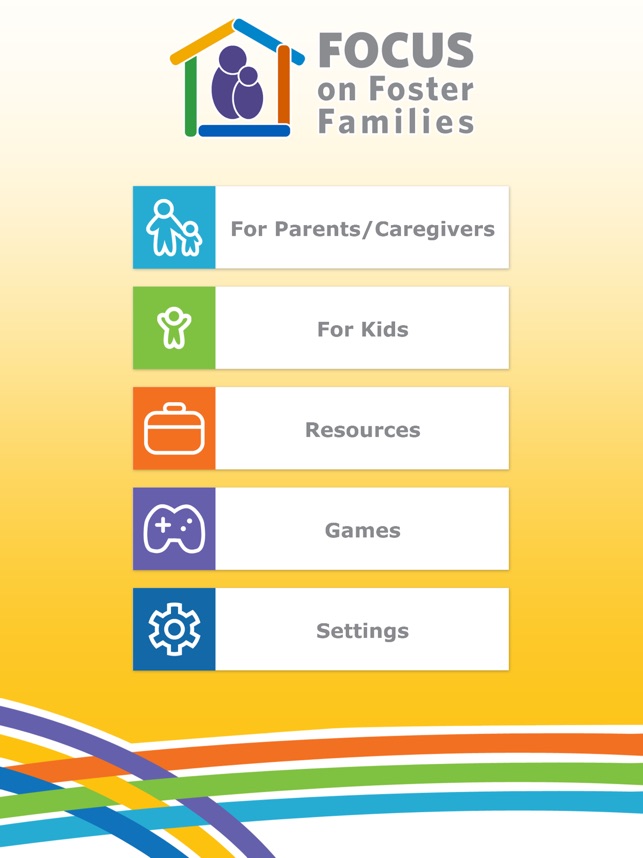
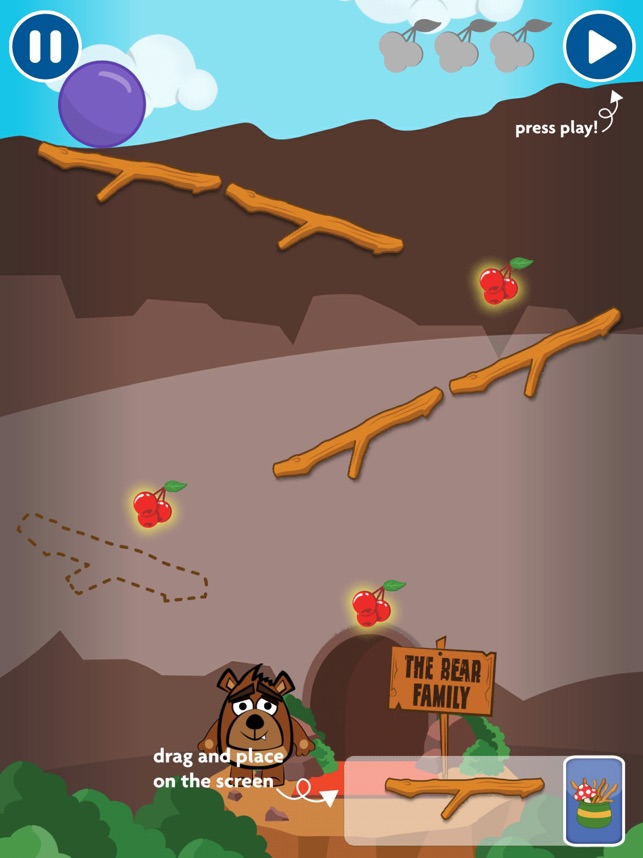
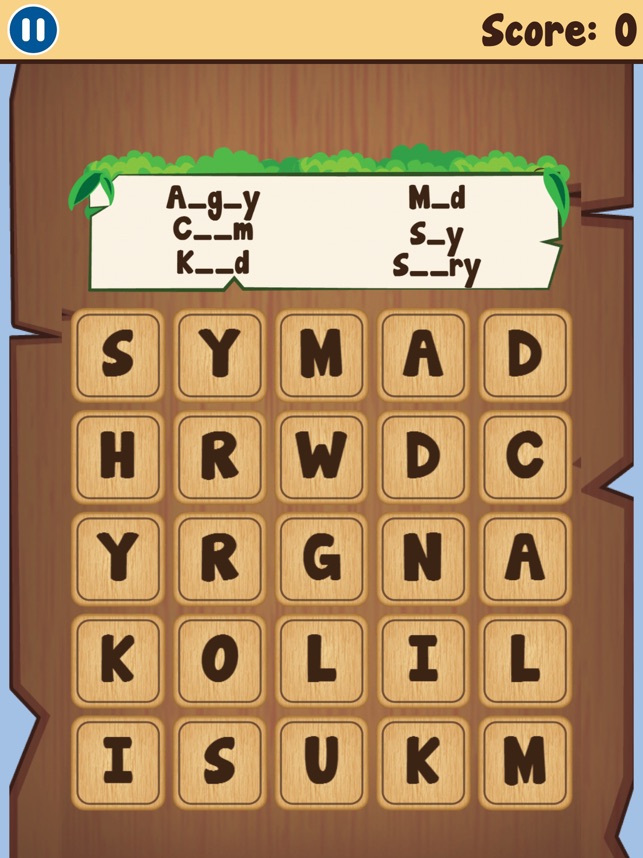
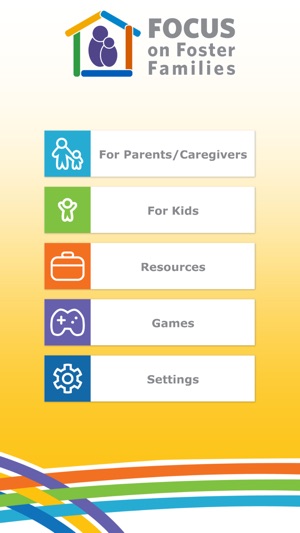
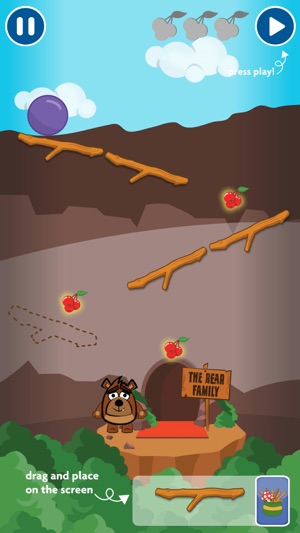
Developed by researchers at UCLA, this application adapts the Families OverComing Under Stress (FOCUS) model for foster families. The system delivers psychoeducational content via an extensive video library featuring interviews with foster youth, caregivers, and system experts. In parallel, it incorporates four interactive modules designed as skills-based games. These modules facilitate the development of emotional regulation, structured problem-solving, and narrative communication skills through targeted activities, aligning with core components of the underlying therapeutic framework.

Evidence & Research Context

  • The app is grounded in the FOCUS family resilience training program, an evidence-informed intervention developed at UCLA and Harvard Medical School.
  • An evaluation study (N=331 families) of the core FOCUS program delivered to military families demonstrated significant pre-post improvements in psychological distress for parents and children (p<.001).
  • The underlying model integrates psychoeducation, emotional regulation skills, goal setting, problem-solving, and a family narrative approach to bolster communication and manage stress.
  • The FOCUS program has been implemented in diverse military, medical, and civilian community settings to support families experiencing trauma and significant stress.

Intended Use & Scope

This tool is designed for foster youth and their caregivers as a psychoeducational resource to augment family resilience. It functions as an adjunct to formal support systems, delivering skills training and guidance on common challenges in foster care. The application does not provide clinical diagnosis or treatment and is not a substitute for professional mental health services.

Studies & Publications

4 publications

Peer-reviewed research associated with this app.

Development/Design Paper

The FOCUS Family Resilience Program: An Innovative Family Intervention for Trauma and Loss

Saltzman et al. (2016) · Family Process

Describes the research-driven development of this app
This article describes the core principles and components of the FOCUS Program, a brief intervention for families contending with single or multiple trauma or loss events. It has been administered nationally to thousands of military family members since 2008 and has been implemented in a wide range of civilian community, medical, clinical, and school settings. Developed by a team from the UCLA and Harvard Medical Schools, the FOCUS Program provides a structured approach for joining with traditional and nontraditional families, crafting shared goals, and then working with parents, children, and the entire family to build communication, make meaning out of traumatic experiences, and practice specific skills that support family resilience. Through a narrative sharing process, each family member tells his or her story and constructs a timeline that graphically captures the experience and provides a platform for family discussions on points of convergence and divergence. This narrative sharing process is first done with the parents and then the children and then the family as a whole. The aim is to build perspective-taking skills and mutual understanding, to reduce distortions and misattributions, and to bridge estrangement between family members. Previous studies have confirmed that families participating in this brief program report reductions in distress and symptomatic behaviors for both parents and children and increases in child pro-social behaviors and family resilient processes.
... Read More
Effectiveness/Outcome Study

Evaluation of a Family-Centered Prevention Intervention for Military Children and Families Facing Wartime Deployments

Lester et al. (2012) · American Journal of Public Health

Reduced psychological distress and improved parent-child relationships across military families.

Objectives. We evaluated the Families OverComing Under Stress program, which provides resiliency training designed to enhance family psychological health in US military families affected by combat- and deployment-related stress. Methods. We performed a secondary analysis of Families OverComing Under Stress program evaluation data that was collected between July 2008 and February 2010 at 11 military installations in the United States and Japan. We present data at baseline for 488 unique families (742 parents and 873 children) and pre–post outcomes for 331 families. Results. Family members reported high levels of satisfaction with the program and positive impact on parent–child indicators. Psychological distress levels were elevated for service members, civilian parents, and children at program entry compared with community norms. Change scores showed significant improvements across all measures for service member and civilian parents and their children (P?<?.001). Conclusions. Evaluation data provided preliminary support for a strength-based, trauma-informed military family prevention program to promote resiliency and mitigate the impact of wartime deployment stress.
... Read More

FOCUS on Foster Families

Free