AppsFromResearch
HeRS - Hemorrhage Risk Stratification Calculator icon

HeRS - Hemorrhage Risk Stratification Calculator

Evidence Tier:DOCUMENTED

Published in academic literature

For:Clinicians & Healthcare Professionals

App Summary

The HeRS (Hemorrhage Risk Stratification) Calculator is a clinical decision support tool for clinicians to quantify the risk of hemorrhagic transformation in patients with acute ischemic stroke who require anticoagulation. Based on patient age, infarct volume, and renal function, its predictive ability was confirmed in a prospective validation study (N=241) which found an area under the curve (AUC) of 0.701. The associated research concludes that the HeRS score is a valid tool that can help clinicians weigh the risk of hemorrhage against the benefits of anticoagulation therapy.

App Screenshots

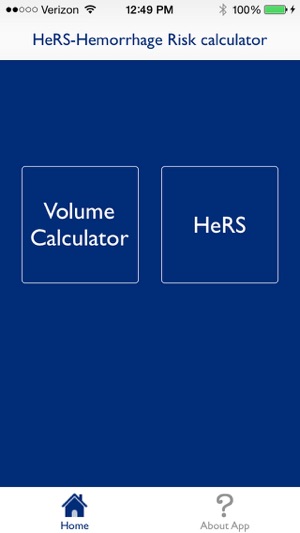
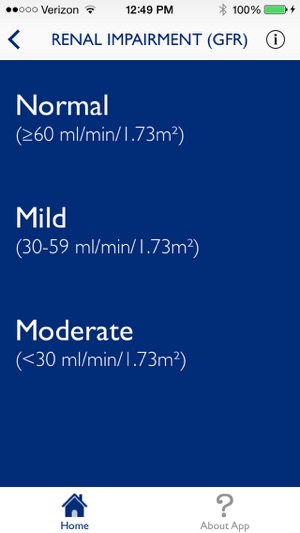
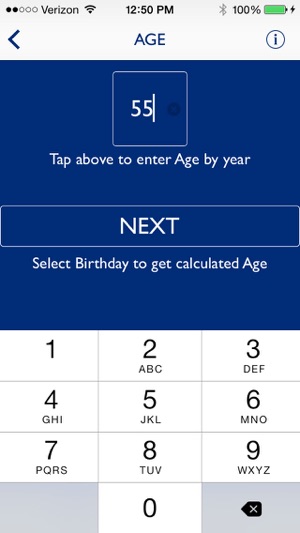
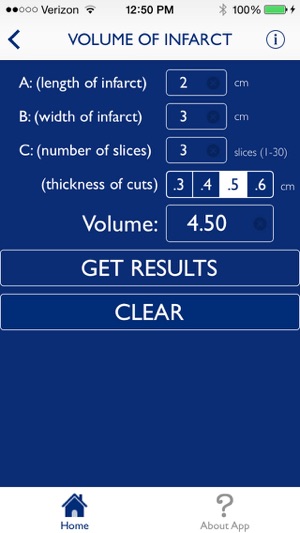
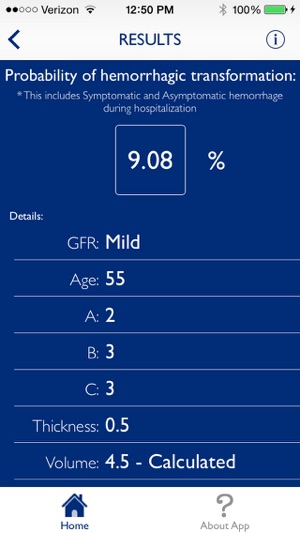
HeRS - Hemorrhage Risk Stratification Calculator screenshot 1 of 5HeRS - Hemorrhage Risk Stratification Calculator screenshot 2 of 5HeRS - Hemorrhage Risk Stratification Calculator screenshot 3 of 5HeRS - Hemorrhage Risk Stratification Calculator screenshot 4 of 5HeRS - Hemorrhage Risk Stratification Calculator screenshot 5 of 5

Detailed Description

Functionality & Mechanism

HeRS is a clinical calculator designed for rapid risk stratification. The system quantifies the probability of hemorrhagic transformation in patients with acute ischemic stroke who have an indication for anticoagulation. The interface captures continuous variables for patient age, renal function (eGFR), and infarct volume. It then leverages a complex, prospectively validated regression equation to compute the HeRS score, delivering a precise risk assessment in seconds to circumvent the difficulty of manual calculation in a clinical setting.

Evidence & Research Context

  • A prospective validation study (N=241) conducted at two academic stroke centers established the HeRS score as a valid predictor of hemorrhagic transformation, demonstrating a predictive accuracy (AUC) of 0.701.
  • The same validation study identified that incorporating serum glucose, white blood cell count, and prior warfarin use into the model enhanced predictive accuracy, increasing the AUC to 0.854.
  • The score's core variables were derived from a retrospective analysis (N=123) that identified age, infarct volume, and eGFR as significant, independent predictors of hemorrhagic events in this patient population.
  • Initial research noted that while anticoagulation did not significantly increase overall hemorrhage rates, all observed intracerebral hematomas and symptomatic hemorrhages occurred within the anticoagulated patient group.

Intended Use & Scope

This tool is intended for clinicians managing acute ischemic stroke care, including neurologists and hospitalists. Its primary utility is as a clinical decision support instrument to inform discussions and decisions regarding the initiation of anticoagulation therapy. The calculator provides a specific risk probability and does not replace comprehensive clinical judgment or patient-specific factors.

Studies & Publications

5 publications

Peer-reviewed research associated with this app.

Non-Evaluative Reference

Predicting Hemorrhagic Transformation of Acute Ischemic Stroke: Prospective Validation of the HeRS Score

Marsh et al. (2016) · Medicine

Referenced in academic literature; no direct evaluation of the app
Hemorrhagic transformation (HT) increases the morbidity and mortality of ischemic stroke. Anticoagulation is often indicated in patients with atrial fibrillation, low ejection fraction, or mechanical valves who are hospitalized with acute stroke, but increases the risk of HT. Risk quantification would be useful. Prior studies have investigated risk of systemic hemorrhage in anticoagulated patients, but none looked specifically at HT. In our previously published work, age, infarct volume, and estimated glomerular filtration rate (eGFR) significantly predicted HT. We created the hemorrhage risk stratification (HeRS) score based on regression coefficients in multivariable modeling and now determine its validity in a prospectively followed inpatient cohort. A total of 241 consecutive patients presenting to 2 academic stroke centers with acute ischemic stroke and an indication for anticoagulation over a 2.75-year period were included. Neuroimaging was evaluated for infarct volume and HT. Hemorrhages were classified as symptomatic versus asymptomatic, and by severity. HeRS scores were calculated for each patient and compared to actual hemorrhage status using receiver operating curve analysis. Area under the curve (AUC) comparing predicted odds of hemorrhage (HeRS score) to actual hemorrhage status was 0.701. Serum glucose (P?<?0.001), white blood cell count (P?<?0.001), and warfarin use prior to admission (P?=?0.002) were also associated with HT in the validation cohort. With these variables, AUC improved to 0.854. Anticoagulation did not significantly increase HT; but with higher intensity anticoagulation, hemorrhages were more likely to be symptomatic and more severe. The HeRS score is a valid predictor of HT in patients with ischemic stroke and indication for anticoagulation.
... Read More
Non-Evaluative Reference

The association between specific substances of abuse and subcortical intracerebral hemorrhage versus ischemic lacunar infarction

Kaplan et al. (2014) · Frontiers in Neurology

Referenced in academic literature; no direct evaluation of the app
Background: Hypertension damages small vessels, resulting in both lacunar infarction and subcortical intracerebral hemorrhage (ICH). Substance abuse has also been linked to small vessel pathology. This study explores whether the use of specific substances (e.g., cocaine, tobacco) is associated with subcortical ICH over ischemia in hypertensive individuals. Methods: Patients with hypertension, admitted with lacunar infarcts (measuring <2.0?cm) or subcortical ICH, were included in analysis. Brain MRIs and head CTs were retrospectively reviewed along with medical records. Demographic information and history of substance use (illicit/controlled: cocaine, heroin, marijuana, benzodiazepines, and methadone; alcohol; and tobacco) was obtained. "Current use" and "history of use" were determined from patient history or a positive toxicology screen. "Heavy use" was defined as: smoking- ?0.5 packs per day or 10 pack-years; alcohol- average of >1 drink per day (women), >2 drinks per day (men). Logistic regression was performed with ICH as the dependent variable comparing those presenting with ICH to those presenting with ischemia. Results: Of the 580 patients included in analysis, 217 (37%) presented with ICH. The average age was similar between the two groups (64.7 versus 66.3?years). Illicit/controlled drug use was associated with a significantly increased risk of ICH over stroke in unadjusted models (25 versus 15%, p?=?0.02), with the largest effect seen in users ?65?years old (not statistically significant). Smoking was associated with ischemia over ICH in a dose-dependent manner: any history of smoking OR 1.84, CI 1.19–2.84; current use OR 2.23, CI 1.37–3.62; heavy use OR 2.48, CI 1.50–4.13. Alcohol use was not preferentially associated with either outcome (p?=?0.29). Conclusion: In hypertensive patients, tobacco use is associated with an increased risk of subcortical ischemia compared to ICH, while use of illicit/controlled substances appears to be predictive of hemorrhage.
... Read More

HeRS - Hemorrhage Risk Stratification Calculator

Free