
AppsFromResearch
Hideout: Early Reading icon

Hideout: Early Reading

Evidence Tier:VALIDATED

Proven effective in research studies

For:Educators & TeachersKids & Youth

App Summary

Hideout: Early Reading is an educational app for young children that uses engaging mini-games to teach foundational literacy skills, such as phonics and word patterns, based on the Systematic and Engaging Early Literacy (SEEL) instructional approach. The associated research includes an effectiveness study (N=63) of at-risk kindergarteners, which found that children receiving SEEL instruction performed significantly better on tasks of rhyming, letter knowledge, and blending than children in a standard tutoring program. The authors conclude that an explicit and engaging curriculum like SEEL can positively affect the development of children's early literacy skills.

App Screenshots

Hideout: Early Reading screenshot 1 of 10Hideout: Early Reading screenshot 2 of 10Hideout: Early Reading screenshot 3 of 10Hideout: Early Reading screenshot 4 of 10Hideout: Early Reading screenshot 5 of 10Hideout: Early Reading screenshot 6 of 10Hideout: Early Reading screenshot 7 of 10Hideout: Early Reading screenshot 8 of 10Hideout: Early Reading screenshot 9 of 10Hideout: Early Reading screenshot 10 of 10

Detailed Description

Functionality & Mechanism

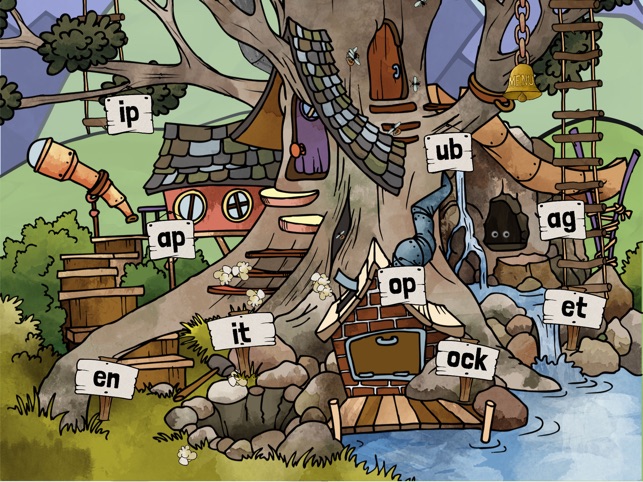
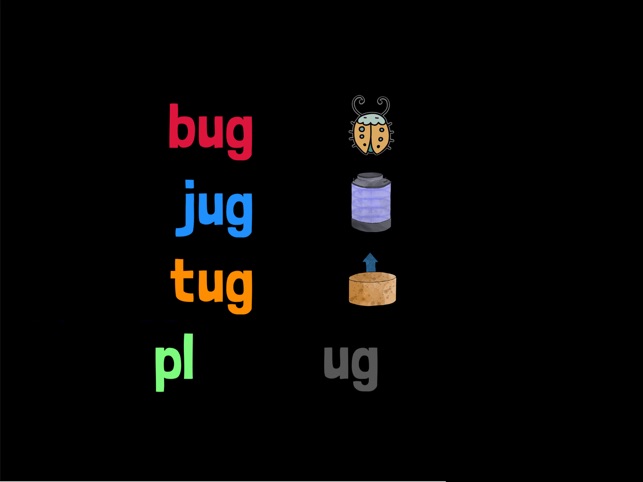
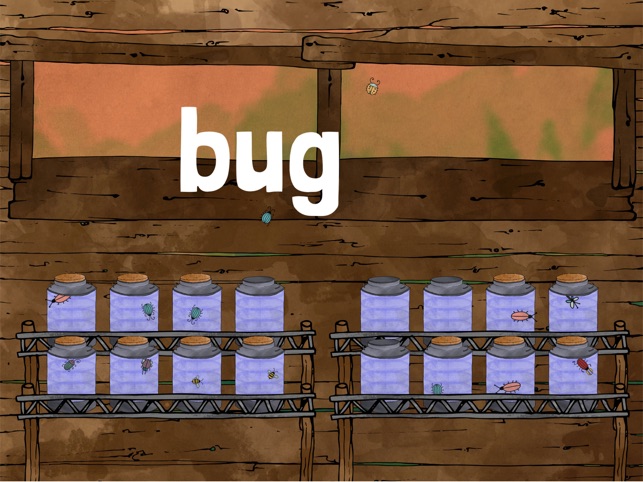
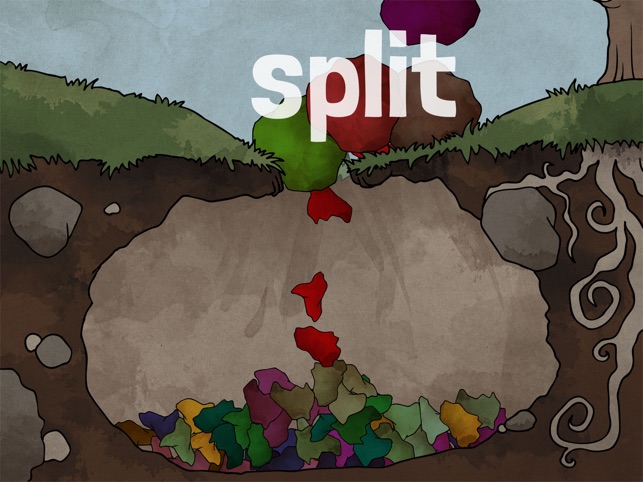
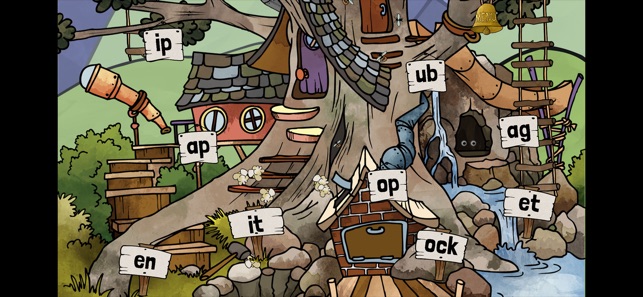
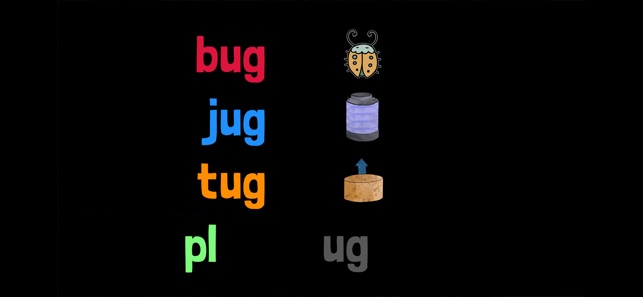
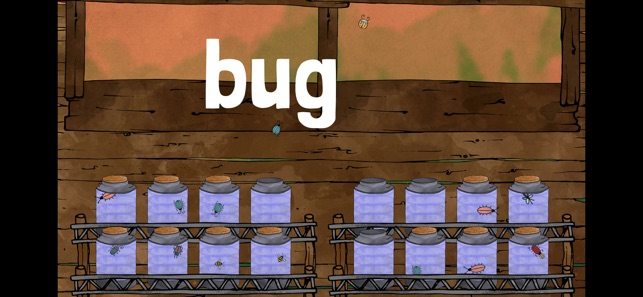
Developed at Brigham Young University, this application delivers early literacy instruction based on the Systematic and Engaging Early Literacy (SEEL) program. The system presents discrete phonic patterns (e.g., -AP, -OCK) through a series of interactive mini-games, each designed to provide contextual and purposeful practice. Sessions guide the learner through purposefully sequenced skills, leveraging varied activities to reinforce word pattern recognition and meaning. The interface replicates core principles of face-to-face SEEL instruction within a digital format.

Evidence & Research Context

  • The underlying Systematic and Engaging Early Literacy (SEEL) pedagogical approach has been evaluated in multiple studies, demonstrating improved student performance in phonological awareness, early reading, and story comprehension.
  • A study of at-risk kindergarteners (N=63) found that supplemental instruction using the SEEL method resulted in significantly better performance on rhyming, letter knowledge, and blending tasks compared to a standard tutoring program.
  • A preliminary effectiveness study (N=4) employing a single-subject design with kindergarten students receiving Tier 3 services indicated the SEEL method improved consonant-vowel-consonant (CVC) word reading for three of four participants.

Intended Use & Scope

This application is designed as a supplemental educational tool for educators, paraeducators, and caregivers to support early literacy development in preschool and kindergarten-aged children. Its primary utility is to provide targeted, engaging practice with foundational phonic patterns. The tool does not constitute a comprehensive reading curriculum or a diagnostic instrument and should be used to augment, not replace, formal instruction.

Studies & Publications

3 publications

Peer-reviewed research associated with this app.

Effectiveness/Outcome Study

The Effectiveness of Systematic and Engaging Early Literacy (SEEL) Intervention on Word Reading in Kindergarten Students Receiving Tier 3 Services

Cole et al. (2022) · BYU ScholarsArchive (Thesis/Dissertation)

SEEL improved word reading in three of four students but technology integration showed inconsistent results.

This study evaluated the effectiveness of the Systematic and Engaging Early Literacy (SEEL) intervention method to improve consonant-vowel-consonant (CVC) reading in four students receiving Tier 3 services. The SEEL intervention method was also combined with the use of digital books on an iPad to investigate the effects of using technology in reading intervention sessions. Previous research indicates effectiveness for the foundational principles of SEEL, which include instruction in engaging, meaningful contexts that provide frequent and intense opportunities to practice. This research involved 4 kindergarten students who qualified for Tier 3 services based on their performance on an index of difficulty in early literacy skills. The study contrasted trained with untrained literacy targets of comparable difficulty and was conducted as a single-subject multiple-baseline-across-behaviors design. Intervention was delivered three times a week for 15-20 minutes, depending on the engagement of the participants. An analysis of the results showed improvement in three out of four participants in their reading ability of the target CVC words. It gave mixed results as to the effects of using technology in combination with the reading intervention. The analysis also looked at student engagement during both the hands-on manipulation of the materials and the reading and writing tasks performed on the iPad. It found that the engagement between these two parts of each session was similar; if a student had poor engagement for the SEEL intervention, he or she also had poor engagement for the iPad portion, and vice versa. This study provides further insight into the efficacy of SEEL and the use of technology; it also provides suggestions for future research in the area of reading intervention.
... Read More
Effectiveness/Outcome Study

Systematic and Engaging Early Literacy: Examining the Effects of Paraeducator Implemented Early Literacy Instruction

Bingham et al. (2010) · Communication Disorders Quarterly

At-risk kindergarteners receiving SEEL instruction outperformed control group across multiple literacy skills.

This study examined the effect of explicit and engaging supplemental early literacy instruction on at-risk kindergarten children's literacy development. Sixty-three kindergarten-aged children who had been ranked in the lowest 20th percentile on basic literacy skills participated in this study (38 treatment). Results reveal that children who received engaging and explicit supplemental instruction from a paraeducator performed significantly better on rhyming, alliteration, letter knowledge, letter-sound association, spelling, and blending tasks than children who received one-on-one instruction through a tutoring program. Findings highlight the important role that paraeducators can play in implementing explicit and engaging literacy curriculum that positively affects children's development of early literacy skills.
... Read More

Hideout: Early Reading

2.99 USD