
HIV PrEP Tools
Published in academic literature
App Summary
App Screenshots
Detailed Description
Functionality & Mechanism
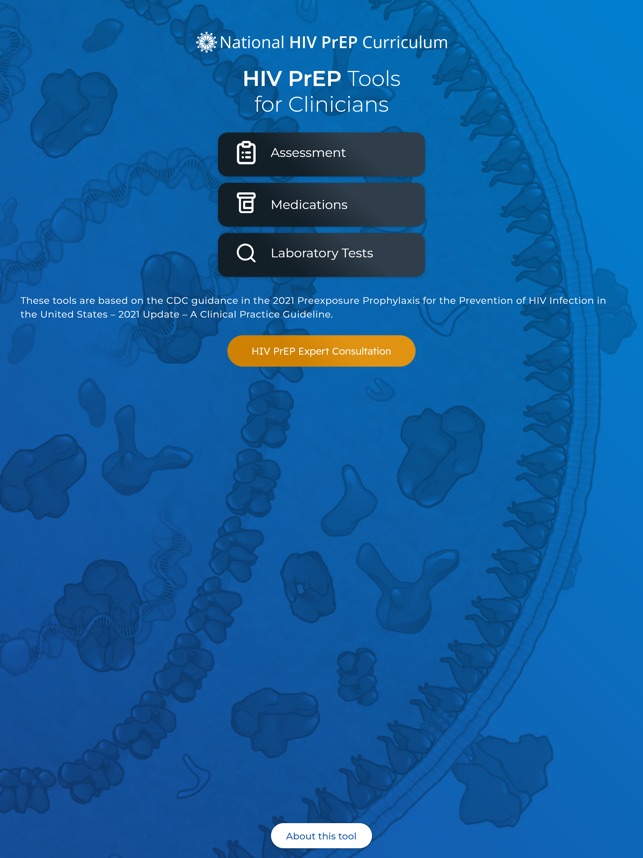
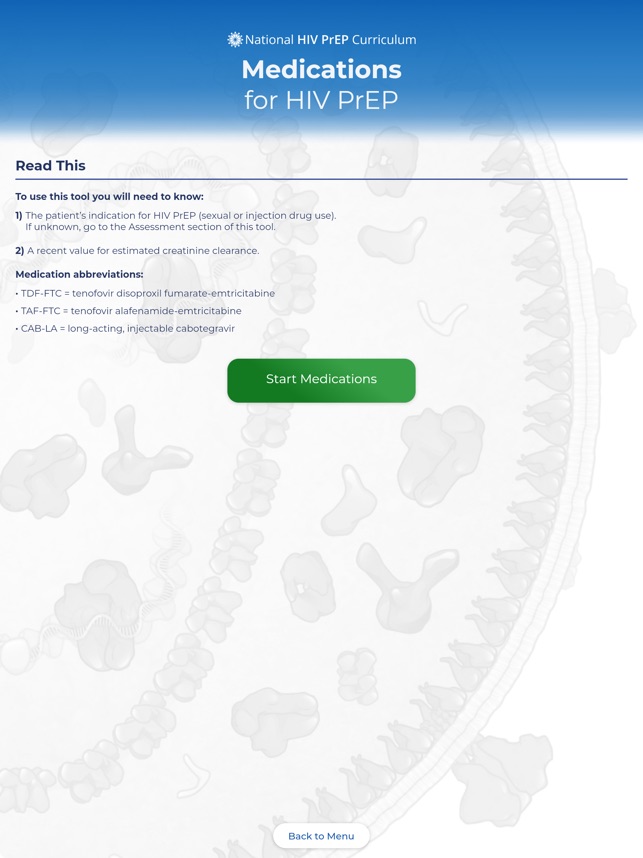
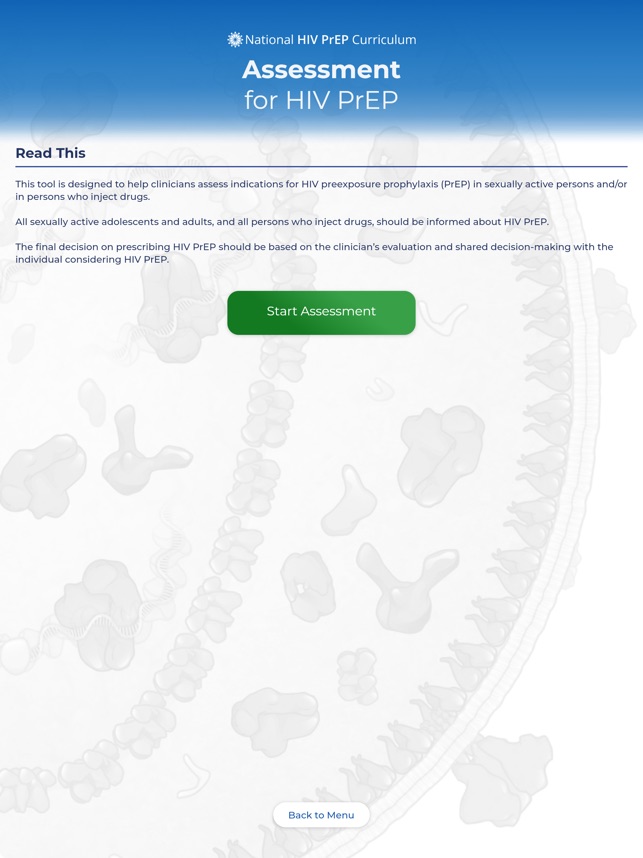
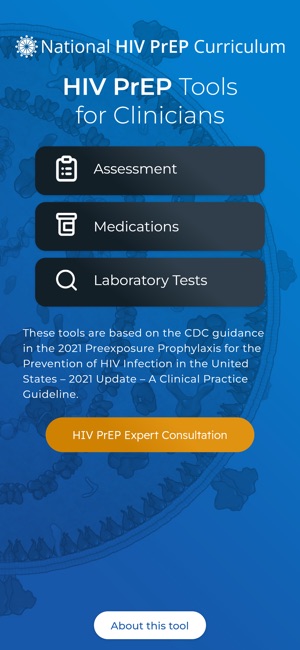
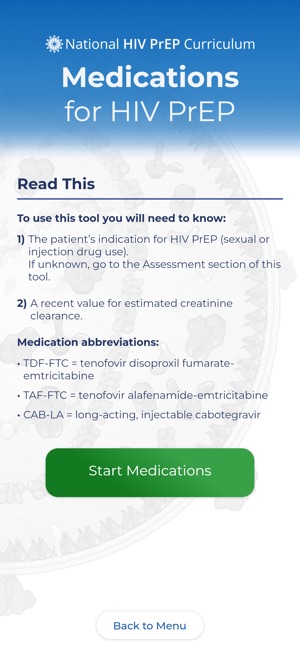
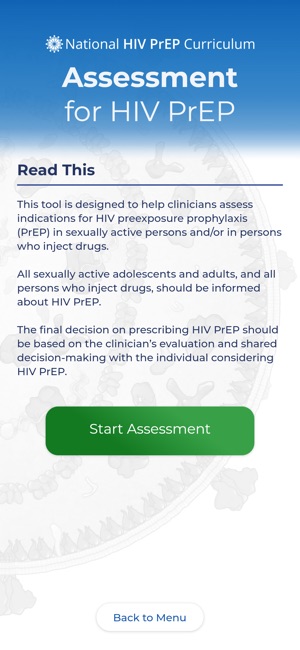
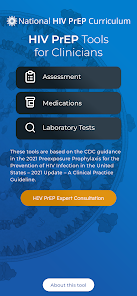
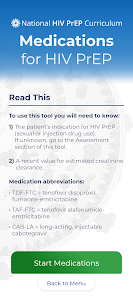
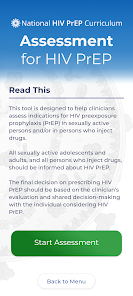
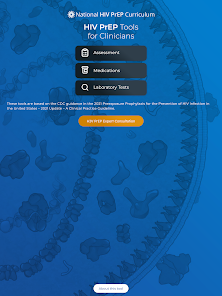
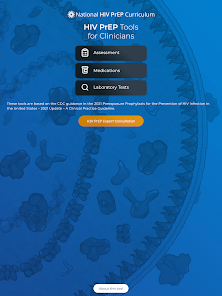
Developed by the University of Washington IDEA Program, HIV PrEP Tools is an interactive clinical reference application based on U.S. Centers for Disease Control and Prevention (CDC) guidelines. The system delivers real-time decision support directly within the clinical workflow. Its interface facilitates patient risk assessment, guides the selection of appropriate medication regimens—including oral and long-acting injectable options—and structures protocols for ordering requisite laboratory tests. The tools are designed for rapid point-of-care use.
Evidence & Research Context
- The tool's algorithms and content are explicitly based on the U.S. Centers for Disease Control and Prevention (CDC) clinical practice guidelines for HIV preexposure prophylaxis.
- A clinical toolkit developed by the Providence/Boston Center for AIDS Research recommends the app for point-of-care decision support when prescribing PrEP to adolescents and young adults.
- The associated research highlights the app's utility for guiding patient risk assessment, selecting appropriate PrEP medication regimens, and structuring laboratory test ordering.
Intended Use & Scope
This application is designed for clinicians, including primary care providers, as a point-of-care decision support tool for prescribing HIV PrEP. Its primary utility is to facilitate guideline-adherent risk assessment and medication management. The tool is not a substitute for independent clinical judgment or comprehensive patient consultation, which remain essential for care.
Studies & Publications
Peer-reviewed research associated with this app.
HIV pre-exposure prophylaxis (PrEP) toolkit for use with adolescents and young adults in primary care
Rusley et al. (2025) · Brown University CFAR
Referenced in academic literature; no direct evaluation of the appApp Information
Developer
University of WashingtonCategory
Evidence Profile
Published in academic literature
Platforms
Updated
Jan 2026
© 2025 University of Washington