

Hospice in a Minute
Shows promise in preliminary research
App Summary
App Screenshots
Detailed Description
Functionality & Mechanism
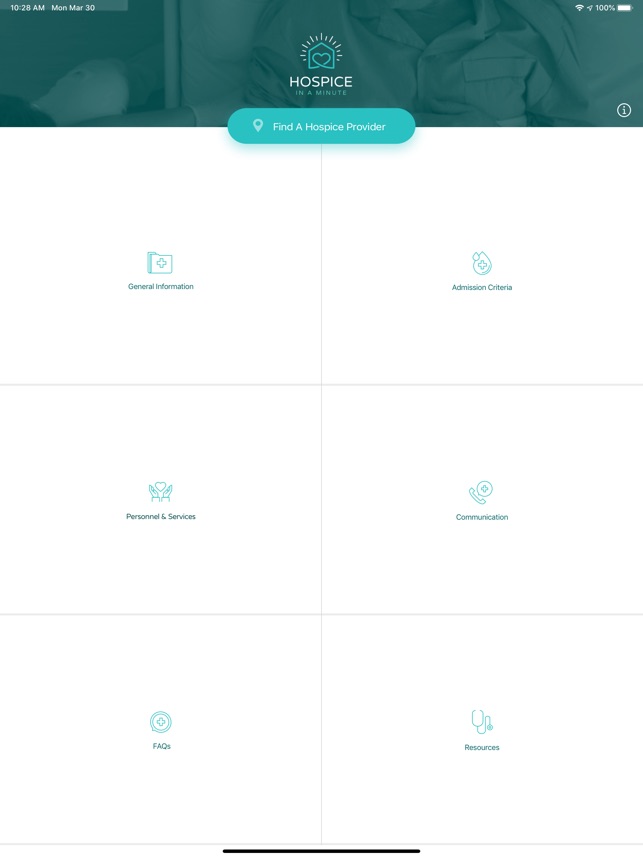
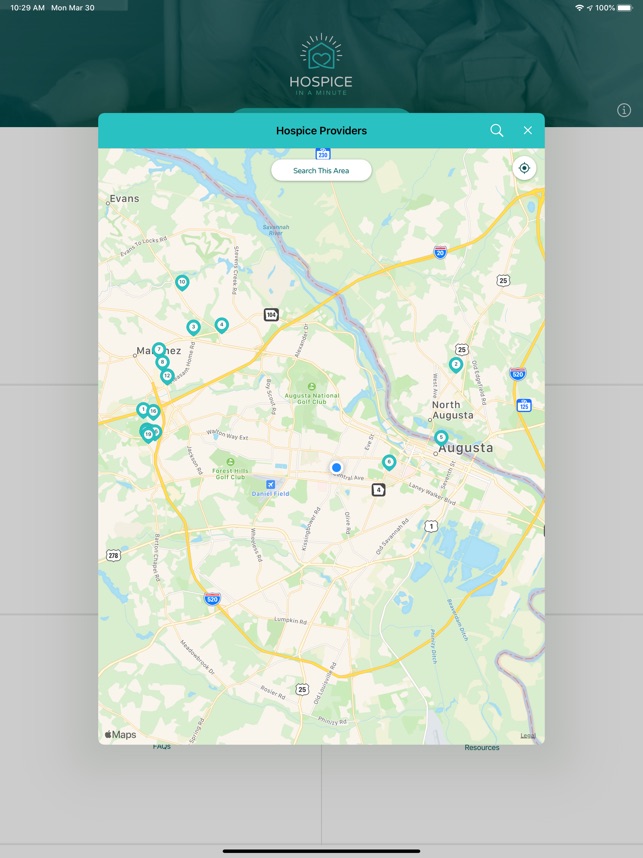
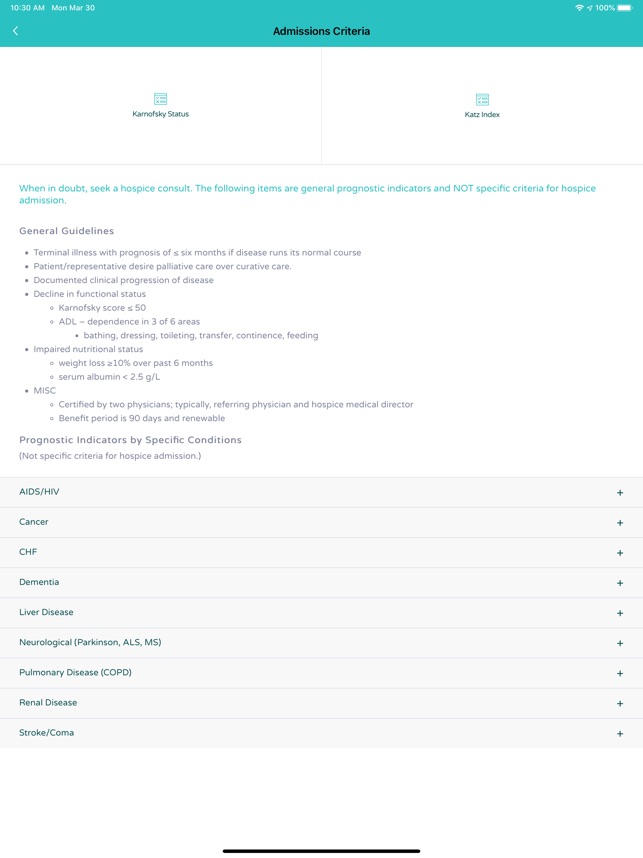
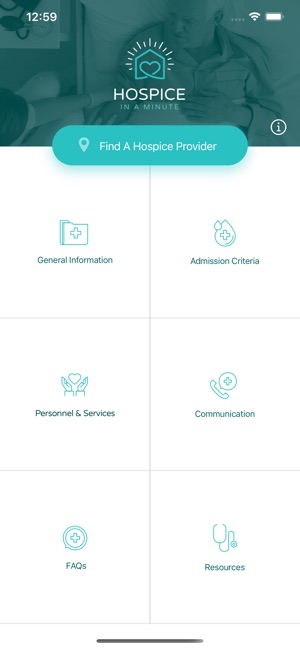
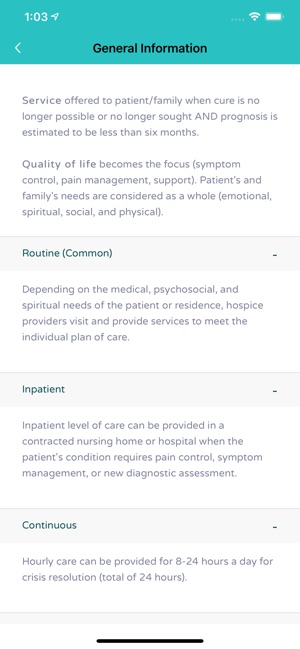
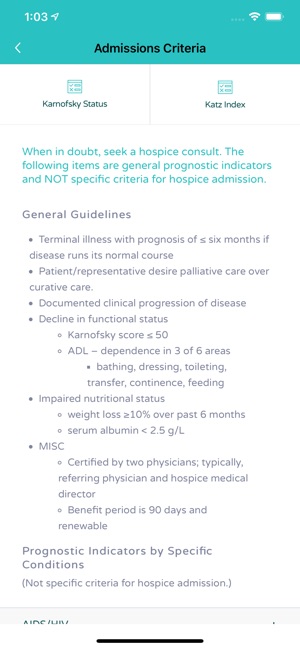
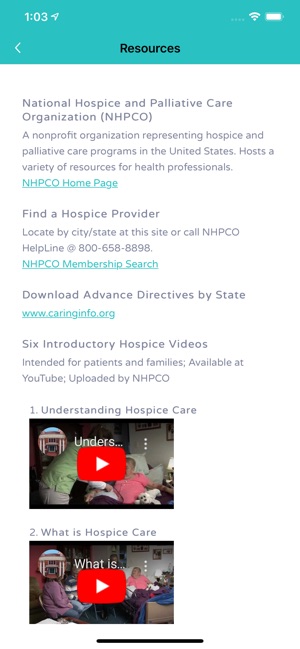
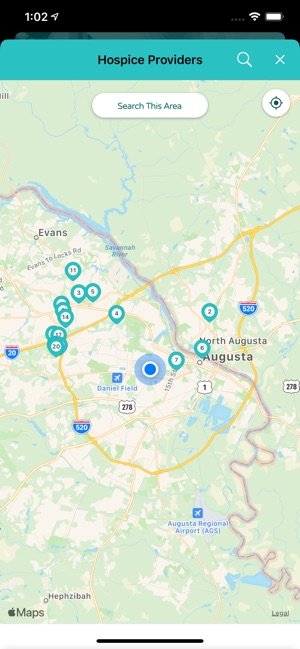
Hospice in a Minute is a clinical reference tool designed to provide rapid access to key information regarding hospice care. The system organizes content into distinct modules, including admission guidelines categorized by condition, frequently asked questions, and scripts to guide discussions with patients and families. The interface also integrates a local hospice locator, links to patient education videos, and a function for storing personal notes, consolidating essential resources for streamlined point-of-care decision-making and referral processes.
Evidence & Research Context
The app addresses a well-documented need for earlier identification of hospice-eligible patients, particularly in acute care settings.
- A single-center pilot study (N=88) established the feasibility of an intervention to identify hospice-eligible patients within an academic emergency department.
- In the study, emergency physicians demonstrated high prognostic accuracy, identifying appropriate patients for referral with 91% accuracy.
- Facilitating a palliative care consultation for identified patients significantly increased the rate of discharge to hospice (57% vs. 30%, p=0.038).
- The associated research highlights that structured support can improve the timeliness and appropriateness of hospice referrals from acute care environments.
Intended Use & Scope
This tool is intended for clinicians, including residents and experienced practitioners, as a point-of-care decision-support resource. Its primary utility is to facilitate the identification of hospice-eligible patients and support communication with patients and families. The app is a reference guide and does not replace comprehensive clinical evaluation, prognostic modeling, or formal palliative care consultation.
Studies & Publications
Peer-reviewed research associated with this app.
A Pilot Trial to Increase Hospice Enrollment in an Inner City, Academic Emergency Department
Highet et al. (2016) · The Journal of Emergency Medicine
Emergency physicians accurately identified hospice-eligible patients and doubled hospice discharge rates.
App Information
Developer
Augusta UniversityCategory
Evidence Profile
Shows promise in preliminary research
Platforms
Updated
Apr 2020
© 2025 Augusta University
Tags
Relevant Links
Privacy Policy


Hospice in a Minute
Free