AppsFromResearch
I-Connect Self-Monitoring icon

I-Connect Self-Monitoring

Evidence Tier:VALIDATED

Proven effective in research studies · Supported by multiple studies

For:Educators & TeachersGeneral Public & EnthusiastsKids & Youth

App Summary

I-Connect Self-Monitoring is a customizable app designed to help students with disabilities, including autism and learning or intellectual disabilities, improve on-task behavior and classroom engagement through timed prompts. A series of preliminary investigations (N=1 to N=3) found that using the app was associated with increased on-task behavior, improved classroom engagement, and decreased stereotypic behaviors in students. The associated research concludes that technology-delivered self-monitoring is a promising intervention for improving student engagement and decreasing interfering behaviors in academic settings.

App Screenshots
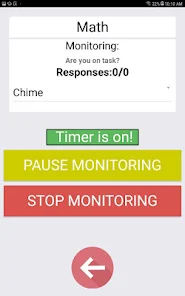
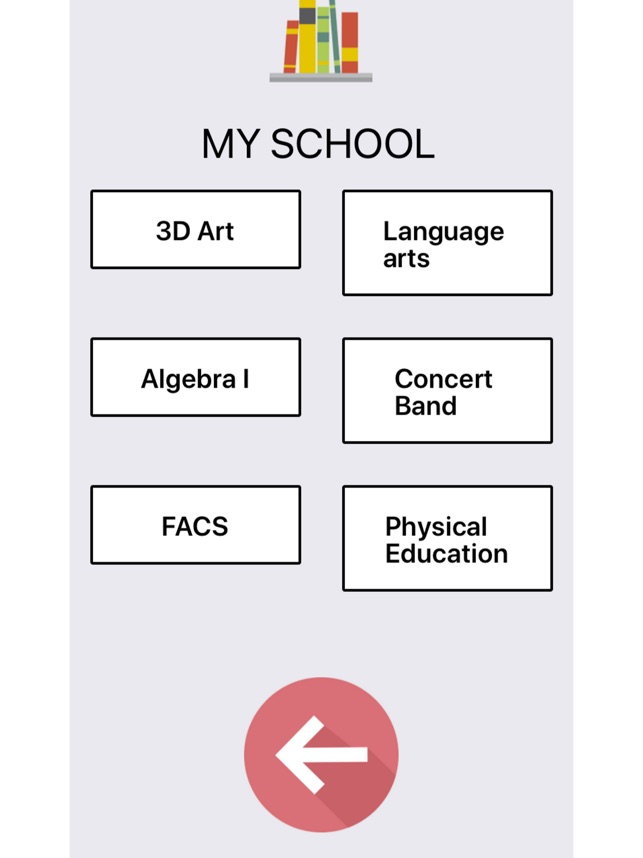
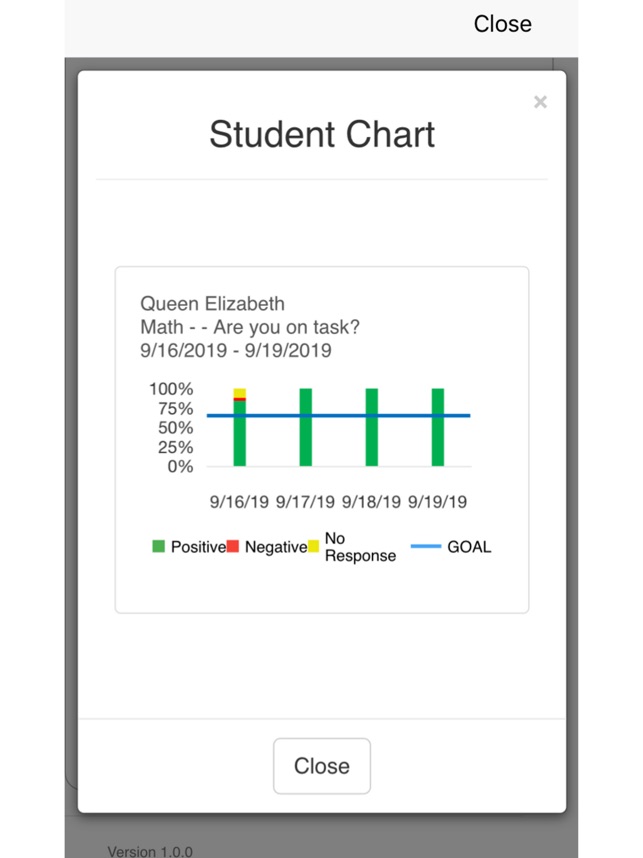
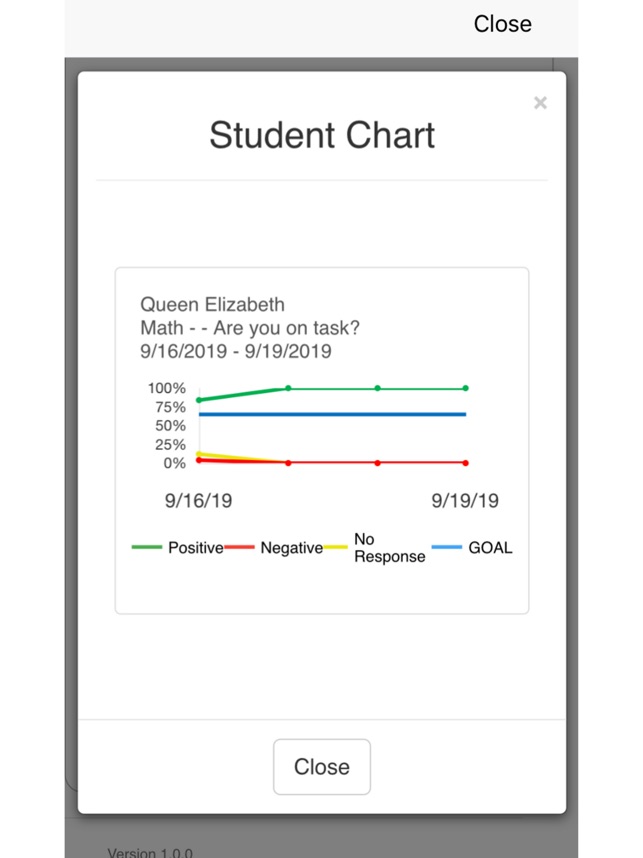
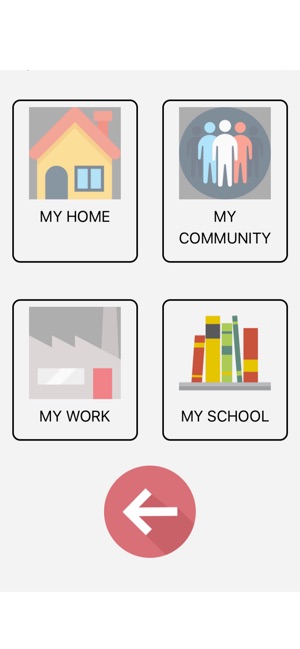
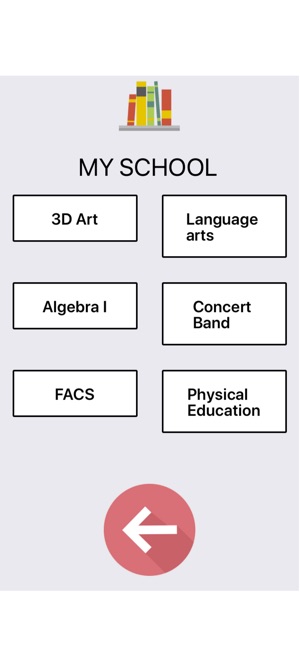
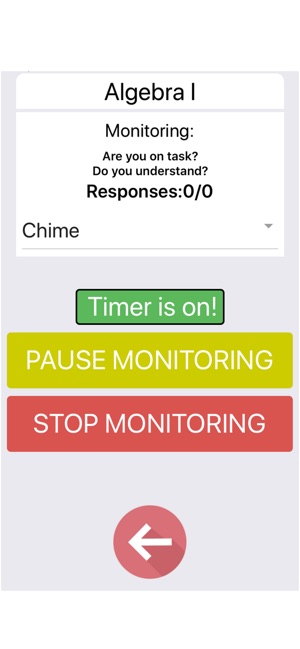
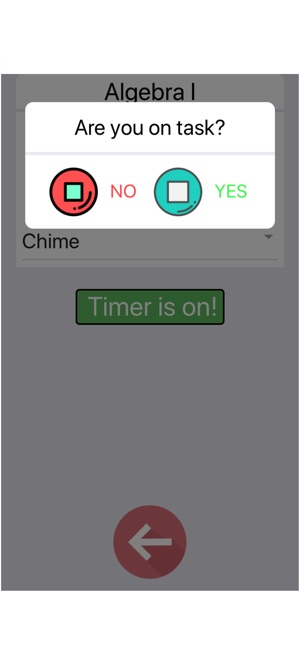
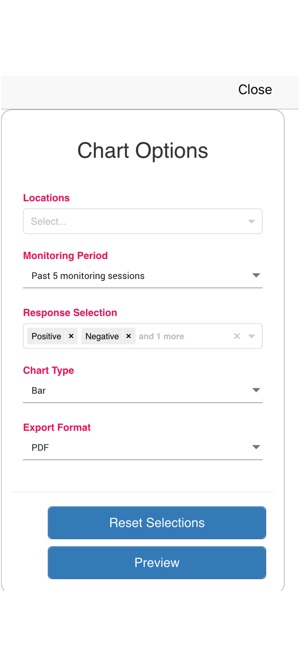
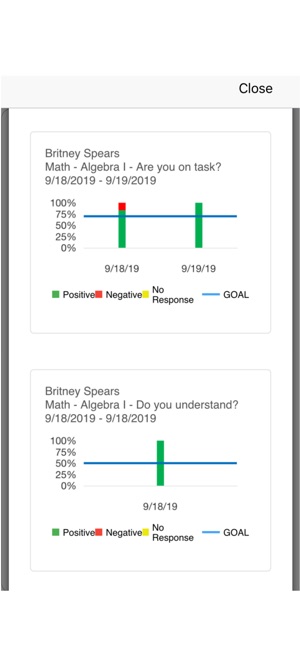
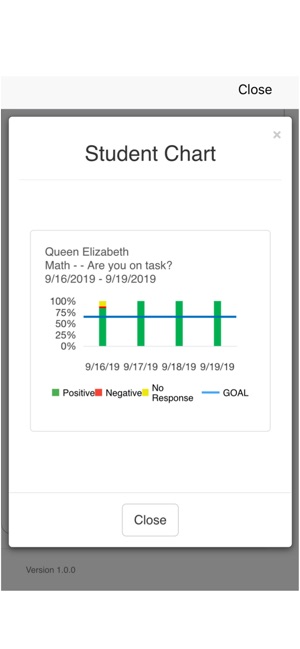
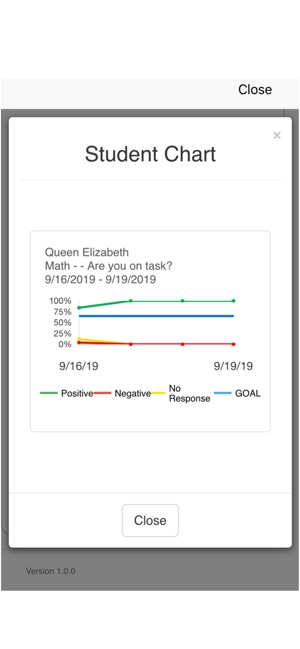
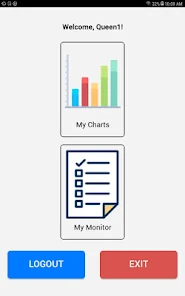
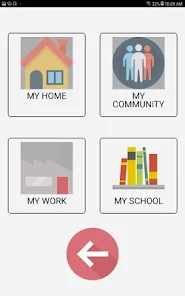
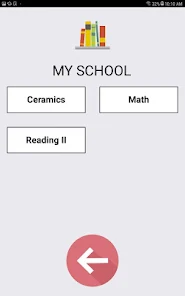
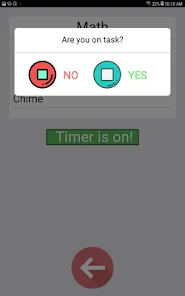
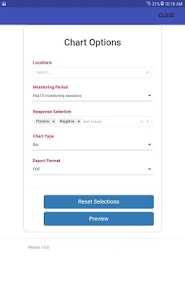
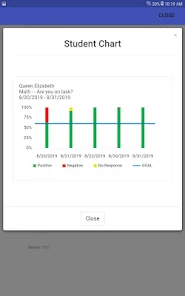
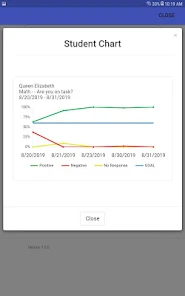
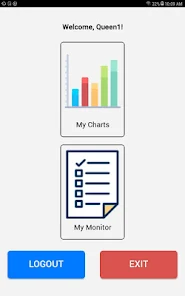
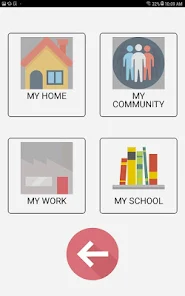
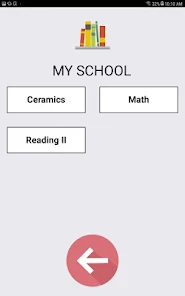
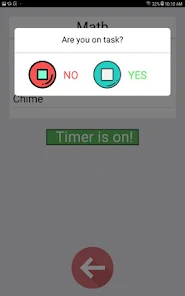
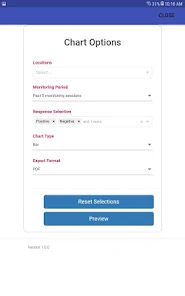
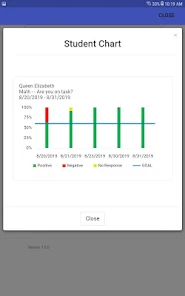
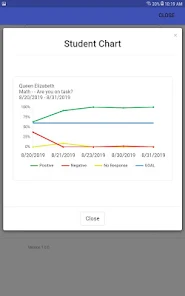
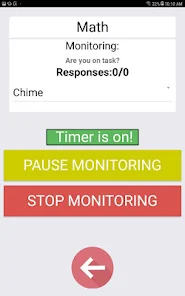
I-Connect Self-Monitoring screenshot 1 of 36I-Connect Self-Monitoring screenshot 2 of 36I-Connect Self-Monitoring screenshot 3 of 36I-Connect Self-Monitoring screenshot 4 of 36I-Connect Self-Monitoring screenshot 5 of 36I-Connect Self-Monitoring screenshot 6 of 36I-Connect Self-Monitoring screenshot 7 of 36I-Connect Self-Monitoring screenshot 8 of 36I-Connect Self-Monitoring screenshot 9 of 36I-Connect Self-Monitoring screenshot 10 of 36I-Connect Self-Monitoring screenshot 11 of 36I-Connect Self-Monitoring screenshot 12 of 36I-Connect Self-Monitoring screenshot 13 of 36I-Connect Self-Monitoring screenshot 14 of 36I-Connect Self-Monitoring screenshot 15 of 36I-Connect Self-Monitoring screenshot 16 of 36I-Connect Self-Monitoring screenshot 17 of 36I-Connect Self-Monitoring screenshot 18 of 36I-Connect Self-Monitoring screenshot 19 of 36I-Connect Self-Monitoring screenshot 20 of 36I-Connect Self-Monitoring screenshot 21 of 36I-Connect Self-Monitoring screenshot 22 of 36I-Connect Self-Monitoring screenshot 23 of 36I-Connect Self-Monitoring screenshot 24 of 36I-Connect Self-Monitoring screenshot 25 of 36I-Connect Self-Monitoring screenshot 26 of 36I-Connect Self-Monitoring screenshot 27 of 36I-Connect Self-Monitoring screenshot 28 of 36I-Connect Self-Monitoring screenshot 29 of 36I-Connect Self-Monitoring screenshot 30 of 36I-Connect Self-Monitoring screenshot 31 of 36I-Connect Self-Monitoring screenshot 32 of 36I-Connect Self-Monitoring screenshot 33 of 36I-Connect Self-Monitoring screenshot 34 of 36I-Connect Self-Monitoring screenshot 35 of 36I-Connect Self-Monitoring screenshot 36 of 36

Detailed Description

Functionality & Mechanism

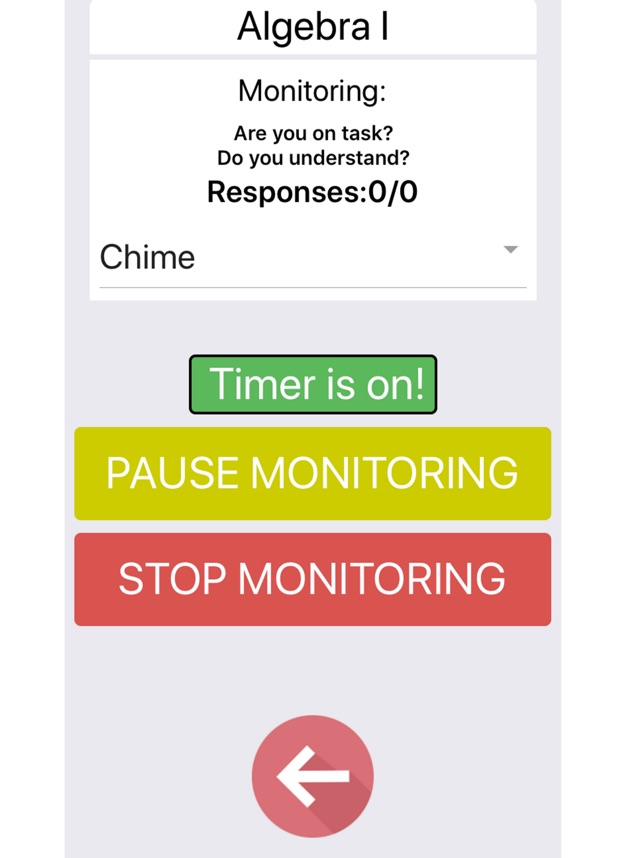
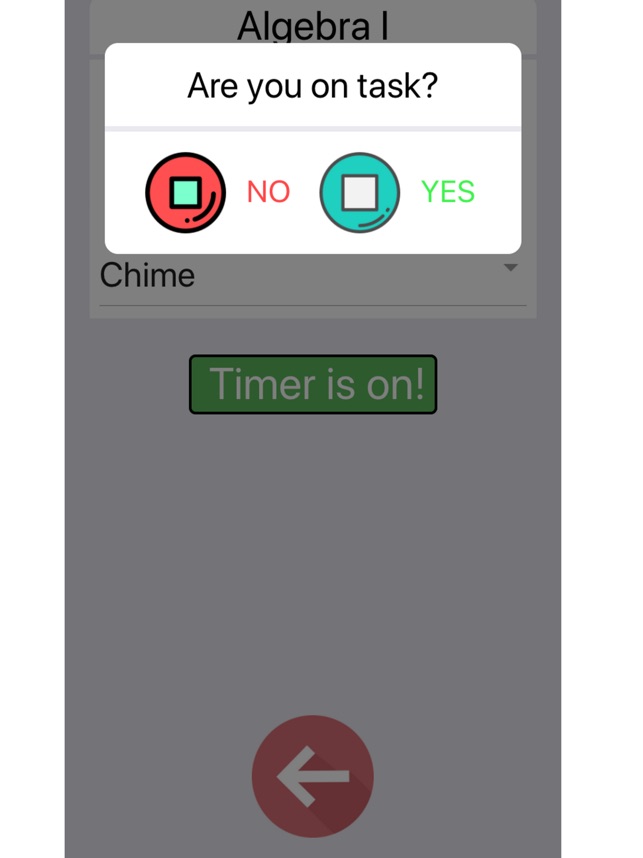
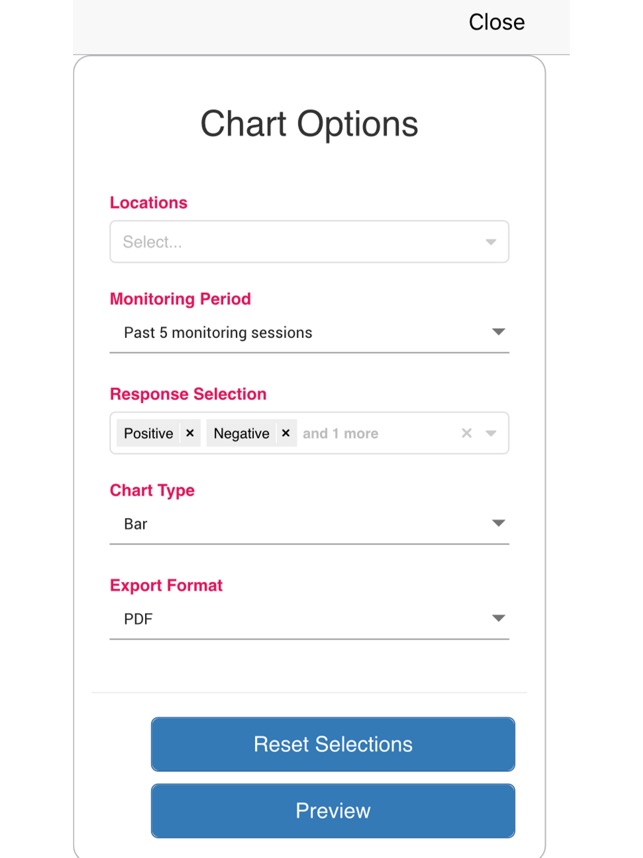
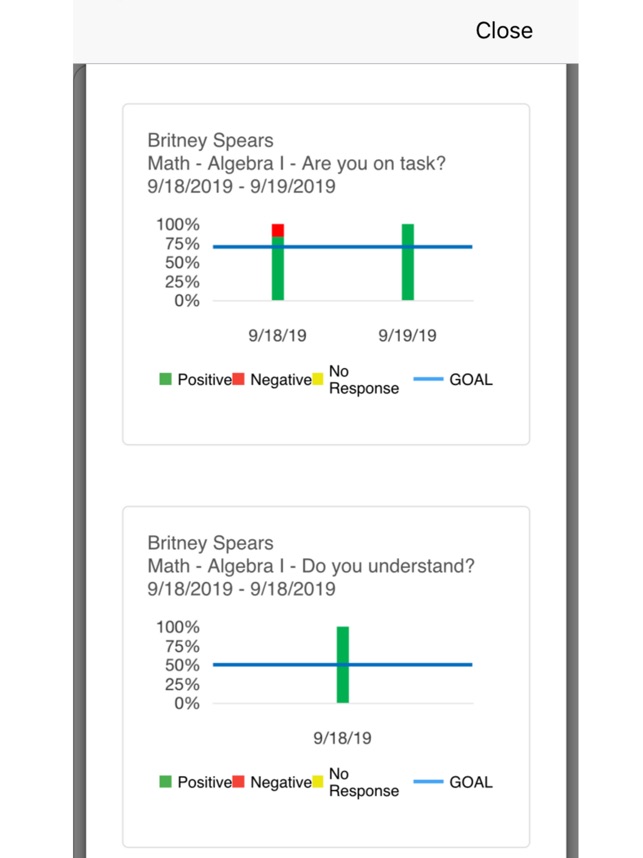
I-Connect Self-Monitoring is a technology-based behavior management system administered through a web application and a corresponding mobile interface. The system delivers fully customizable prompts at fixed or variable intervals, requiring the user to record their status on target behaviors such as on-task engagement or social appropriateness. Response data is aggregated in real-time and visualized in graphical formats, facilitating longitudinal tracking of behavioral patterns for review by educators, parents, or clinicians across school, home, and community settings.

Evidence & Research Context

  • A study involving three high school students with specific learning disability, autism, and intellectual disability demonstrated that the intervention was effective for improving classroom engagement.
  • A preliminary investigation (N=2) established a functional relationship between the application's use and marked decreases in stereotypic behavior for adolescents with autism spectrum disorder (ASD) in a school setting.
  • In a single-case study with a postsecondary student with ASD, use of the app was associated with increased on-task behavior, though the design limitations precluded confirmation of a functional relation.

Intended Use & Scope

I-Connect is designed for educators, clinicians, and parents to implement self-monitoring interventions for individuals with diverse learning or behavioral needs. Its primary utility is as a data-driven, adjunctive tool to support established behavioral goals and enhance self-regulation. The system does not provide diagnostic information and requires implementation within a support plan supervised by a qualified professional.

Studies & Publications

3 publications

Peer-reviewed research associated with this app.

Pilot/Feasibility Study

Preliminary Investigation of a Self-Monitoring Application for a Postsecondary Student with Autism

Huffman et al. (2019) · Advances in Neurodevelopmental Disorders

Student showed increased on-task behavior but study design prevented clear conclusions about effectiveness.

Increasing numbers of transition-age youth with autism spectrum disorder (ASD) are pursuing postsecondary education and may benefit from interventions to support them in the college environment. The purpose of this study was to examine the efficacy of a self-monitoring application (app) to increase on-task classroom behavior of a postsecondary student with ASD. An alternating treatment design with a baseline and best treatment condition was utilized to examine the efficacy of a technology-based self-monitoring app, I-Connect. One 19-year-old male postsecondary student with ASD used the I-Connect app in a large, lecture-style introductory-level course at a public university. Self-monitoring prompts were delivered via a handheld tablet, and on-task behavior was measured using momentary time sampling. The participant demonstrated an increase in on-task behavior when using the I-Connect app. However, a functional relation between the use of the app and on-task behavior cannot be concluded due to limitations in the research design. Implications and suggestions for future research related to supporting postsecondary students with ASD using technology-based self-monitoring interventions are discussed.
... Read More
Effectiveness/Outcome Study

Self-monitoring for High School Students with Disabilities: A Cross-categorical Investigation of I-Connect

Clemons et al. (2015) · Journal of Positive Behavior Interventions

Improved classroom engagement for all three high school students across different disability types.

Self-monitoring interventions are well supported within the empirical literature as improving classroom engagement for students with disabilities. However, studies implementing self-monitoring interventions in high school settings are rarely conducted despite their potential to improve student academic and behavioral outcomes. In an investigation of an unobtrusive, self-monitoring application loaded on a handheld device, classroom engagement and perceived academic benefits were assessed in a withdrawal design for three high school students with different disabilities (specific learning disability, autism, and intellectual disability) in varied instructional arrangements. Direct observation data supported the intervention as effective in improving classroom engagement for all three students during intervention and maintenance phases.
... Read More

I-Connect Self-Monitoring

Free