AppsFromResearch
Spiral Notebook icon

Spiral Notebook

Initial evidence from research studies

For:Educators & Teachers

App Summary

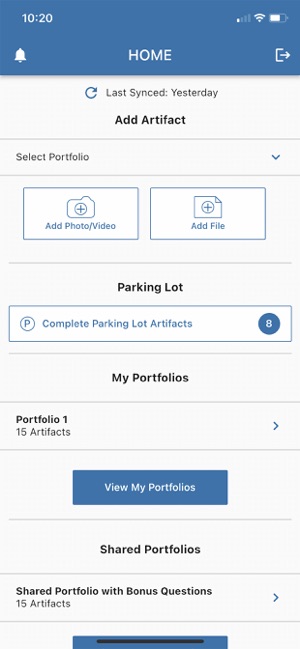
Spiral Notebook is a collaborative platform for K-8 science teachers to collect, annotate, and discuss multimedia classroom artifacts within Professional Learning Communities (PLCs). The associated research found that participation in this model was associated with statistically significant increases in teacher self-efficacy and students' exposure to science practices. The authors conclude that this approach shows promise for improving teacher practice and understanding of student learning trajectories across grade levels.

App Screenshots

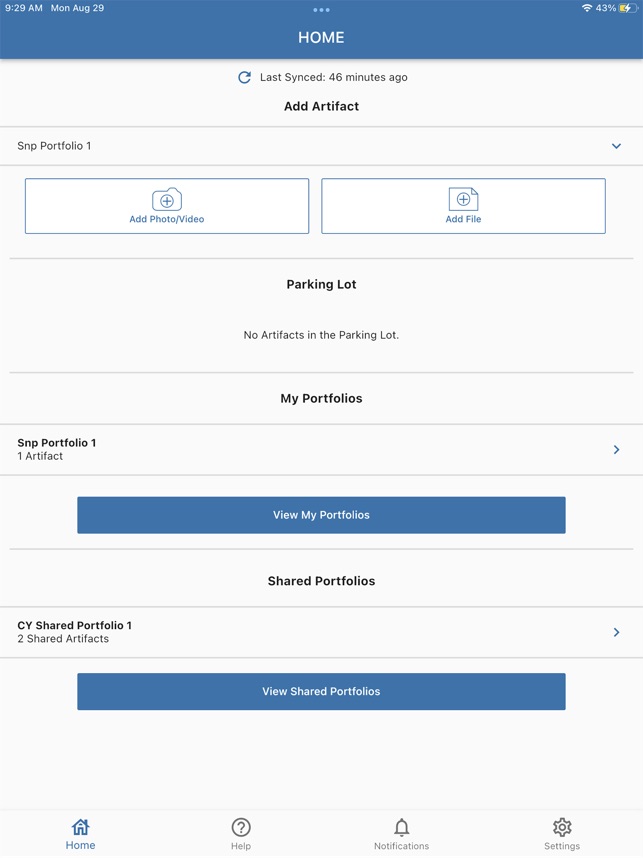
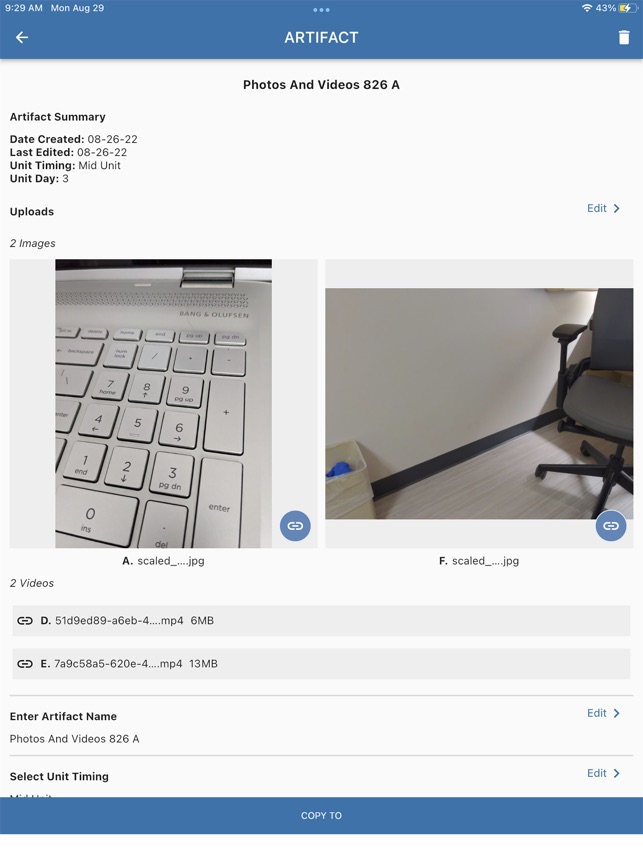
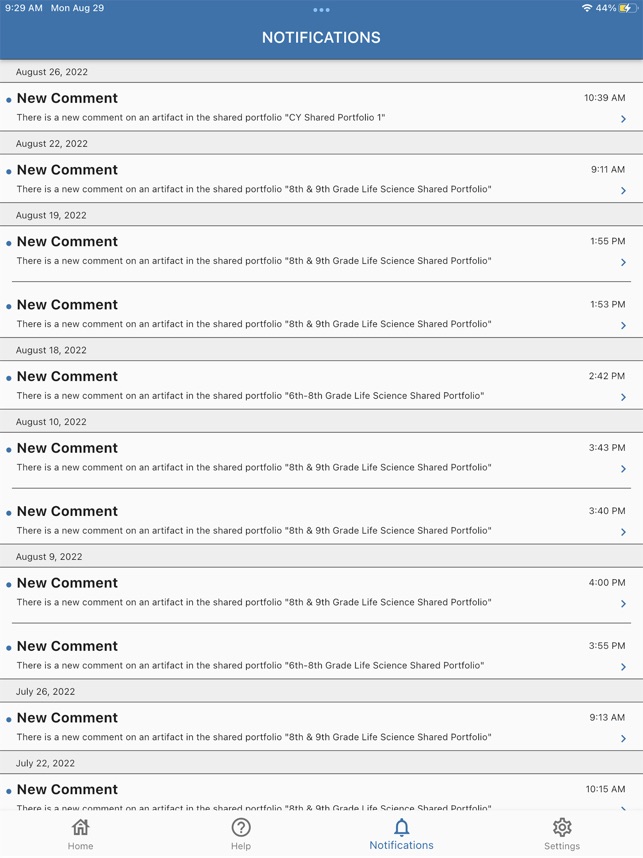
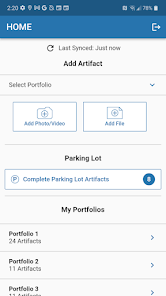
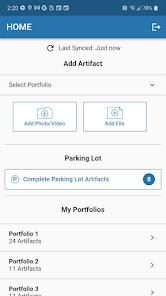
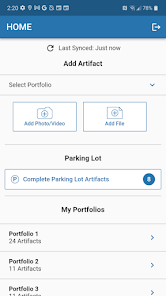
Spiral Notebook screenshot 1 of 13Spiral Notebook screenshot 2 of 13Spiral Notebook screenshot 3 of 13Spiral Notebook screenshot 4 of 13Spiral Notebook screenshot 5 of 13Spiral Notebook screenshot 6 of 13Spiral Notebook screenshot 7 of 13Spiral Notebook screenshot 8 of 13Spiral Notebook screenshot 9 of 13Spiral Notebook screenshot 10 of 13Spiral Notebook screenshot 11 of 13Spiral Notebook screenshot 12 of 13Spiral Notebook screenshot 13 of 13

Detailed Description

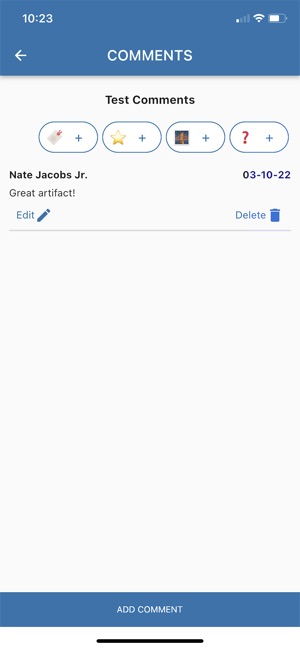
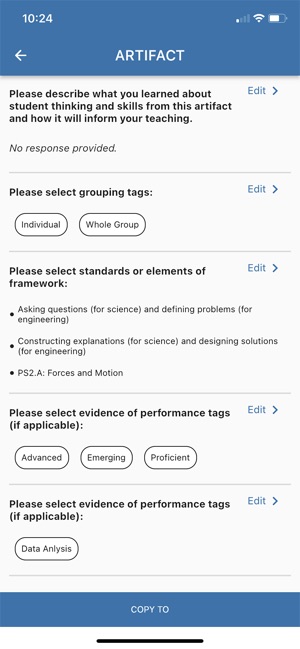
Functionality & Mechanism Spiral Notebook is a professional development platform designed to structure collaborative inquiry among educators. The system facilitates the collection, annotation, and review of authentic multimedia evidence captured from classroom instruction. Integrated within a Professional Learning Community (PLC) framework, the software enables educators to upload and share these classroom artifacts. The interface then supports structured, cross-grade discussions centered on analyzing student thinking, aligning instruction with established standards, and refining pedagogical practice through a cycle of peer review and reflection.

Evidence & Research Context

  • The platform is designed to operationalize a Professional Learning Community (PLC) model for K-8 science teachers, focusing on student learning trajectories and Next Generation Science Standards (NGSS).
  • Associated research reports statistically significant increases in teachers' self-efficacy following participation in the PLC model facilitated by the software.
  • The same research indicates that students of participating teachers reported increased exposure to authentic science practices.
  • The authors note that the vertically aligned, technology-integrated PLC structure enhances the relevance of collaboration between teachers across grade levels.

Intended Use & Scope This system is intended for educators, instructional leaders, and administrators engaged in structured professional development. Its primary utility is as a tool to support the collaborative analysis of teaching practice through shared classroom artifacts. Spiral Notebook is not a direct student instructional tool or a standalone curriculum; its effectiveness is contingent on its implementation within a facilitated professional learning program.

Studies & Publications

2 publications

Peer-reviewed research associated with this app.

Non-Evaluative Reference

Investigating cross-grade discussions around science teaching practice in vertical professional learning communities

Kloser et al. (2025) · Teaching and Teacher Education

Referenced in academic literature; no direct evaluation of the app
This paper investigates the affordances and barriers to professional learning for K-8 science teachers participating in vertical Professional Learning Communities (PLCs) as part of the HELIX project. Thirty-five teachers from a small west coast school district used a digital portfolio tool to capture and share classroom artifacts — including documents, images, and videos — organized around Next Generation Science Standards disciplinary core ideas that spiral across grade levels. Teachers met in both grade-level and cross-grade vertical teams to discuss evidence of student thinking and instructional practices. Interview data were analyzed inductively. Sixty-three percent of teachers' responses highlighted the value of seeing how NGSS content expectations spiral across grades and how student thinking progresses over time. Teachers also reported gains in pedagogical content knowledge and felt more connected to colleagues across grade levels. Barriers included time constraints (20% of responses), difficulty aligning curricula across grades, and challenges in capturing high-quality artifacts. Findings suggest that vertical PLCs supported by shared digital portfolios of classroom practice can foster meaningful cross-grade professional learning in science education.
... Read More
Effectiveness/Outcome Study

Spiraling" teacher learning: A novel PLC platform integrating multi-grade collaboration, classroom artifacts, and mobile technology.

Saint Martin et al. (2024) · Teaching and Teacher Education

Teachers reported greater confidence, found cross-grade collaboration more valuable, and increased students' exposure to science practices.

We investigate how collaborative structures within and across grade levels can influence teachers' understanding of student learning trajectories across K-8 science and how teachers align their instruction with the NGSS using vertically aligned and culturally relevant storylines of natural phenomena. The Professional Learning Community (PLC) model also relies on software tools to collect classroom artifacts reflecting instruction and student thinking. We analyze how participation in this type of PLC structure influences teacher planning, practice, and self-efficacy by comparing teacher and student survey responses before and after participation. We find promising evidence of statistically significant increases in teachers' self-efficacy, the relevance of collaboration between teachers across grade levels, and students' exposure to science practices.
... Read More

Spiral Notebook

Free