
AppsFromResearch
iChoose Kidney - Educational icon

iChoose Kidney - Educational

Evidence Tier:CLINICAL GRADE

Studied in clinical trials · Mixed evidence

For:Clinicians & Healthcare ProfessionalsStudents

App Summary

iChoose Kidney is a clinical decision support tool for clinicians and patients with end-stage renal disease, providing individualized mortality risk estimates for dialysis versus transplantation to facilitate shared decision-making. A randomized controlled trial (N=470) found that using the tool in addition to standard education significantly improved patient knowledge about their treatment options. The associated research concludes that the app can enhance communication between patients and their clinicians when making these critical treatment decisions.

App Screenshots

iChoose Kidney - Educational screenshot 1 of 10iChoose Kidney - Educational screenshot 2 of 10iChoose Kidney - Educational screenshot 3 of 10iChoose Kidney - Educational screenshot 4 of 10iChoose Kidney - Educational screenshot 5 of 10iChoose Kidney - Educational screenshot 6 of 10iChoose Kidney - Educational screenshot 7 of 10iChoose Kidney - Educational screenshot 8 of 10iChoose Kidney - Educational screenshot 9 of 10iChoose Kidney - Educational screenshot 10 of 10

Detailed Description

Functionality & Mechanism

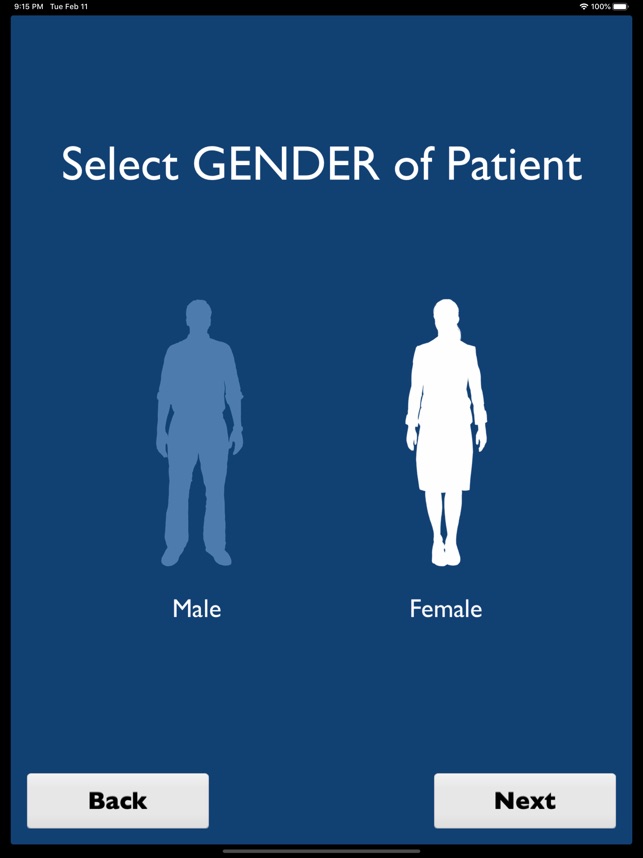
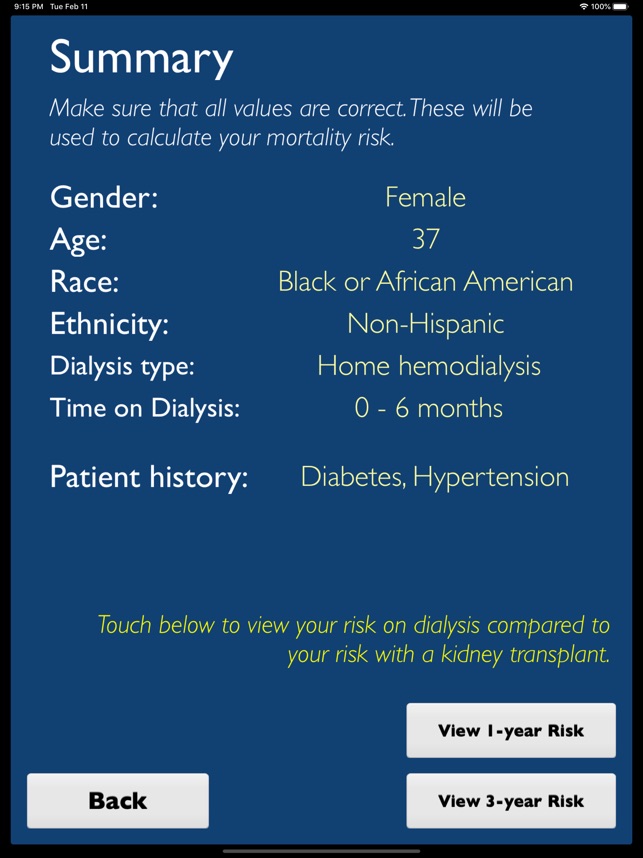
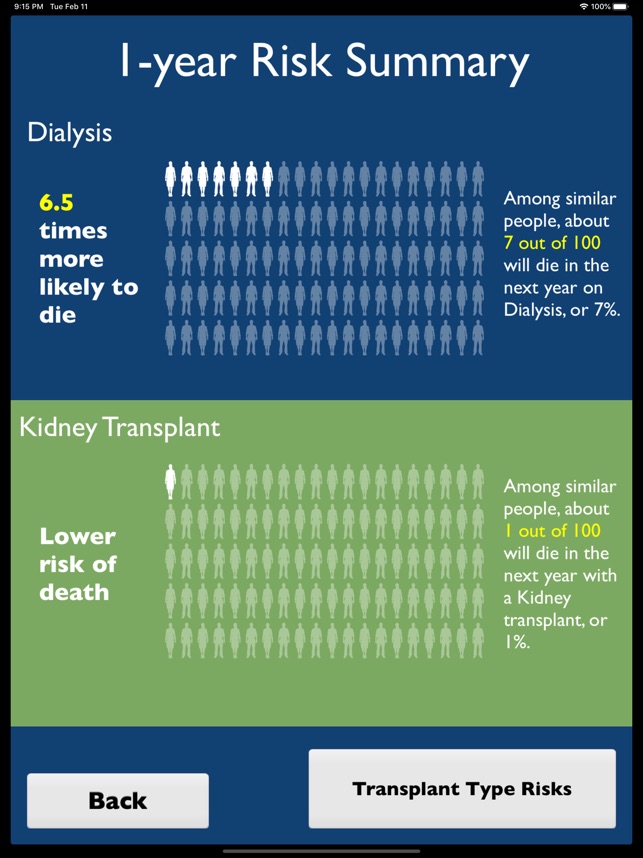
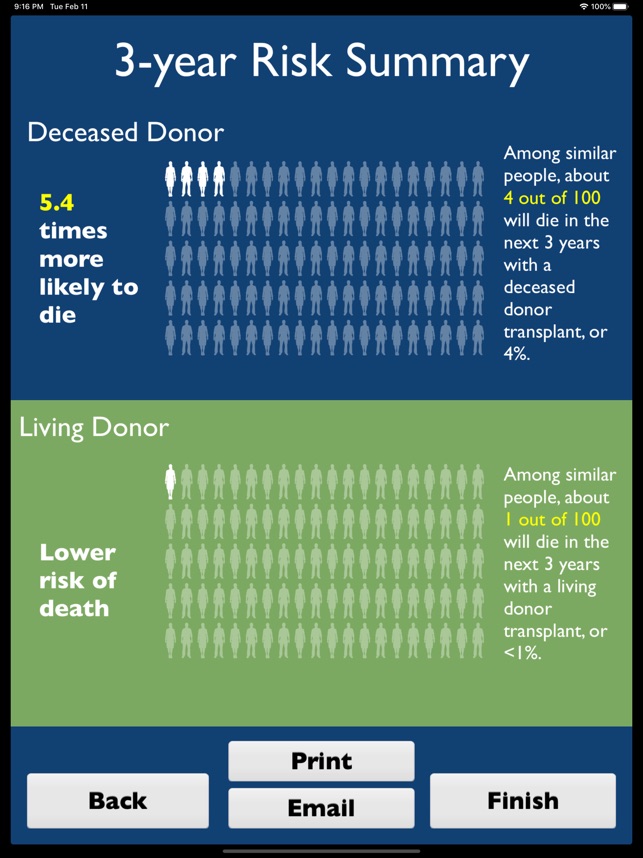
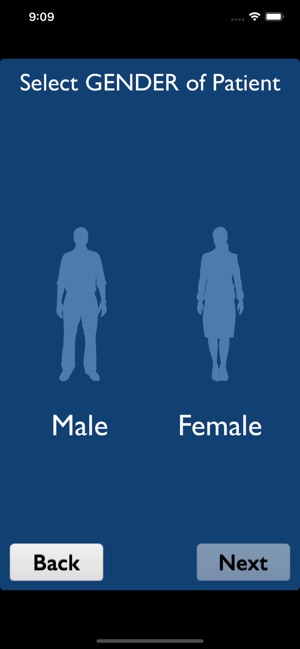
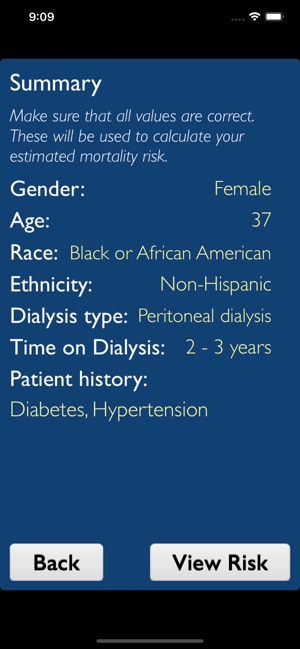
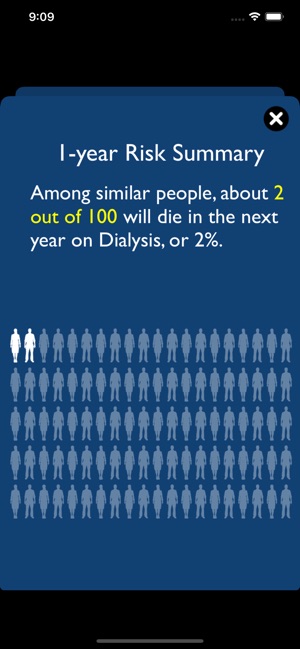
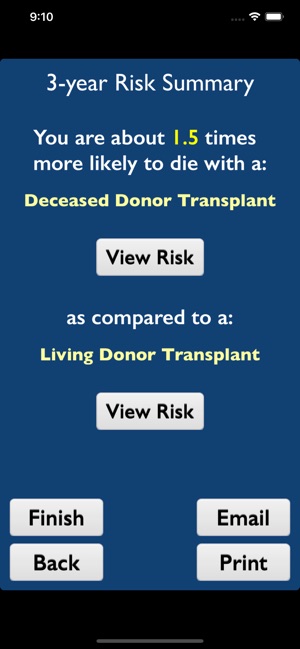
The iChoose Kidney decision aid is a clinical support tool for mobile and web platforms, designed to be used during patient encounters. The system leverages validated predictive models to deliver individualized 1- and 3-year mortality risk estimates for patients with end-stage renal disease (ESRD). The interface captures key patient characteristics—including demographics, comorbidities, and dialysis modality—to generate a comparative visualization of survival outcomes for dialysis versus kidney transplantation, thereby facilitating a shared patient-provider discussion on treatment options.

Evidence & Research Context

  • A randomized controlled trial (N=443) demonstrated that the decision aid significantly improved patient knowledge of transplant options compared to standard education alone (mean knowledge score change: 1.1 vs. 0.4; P < .0001).
  • The same trial determined that use of the tool did not independently increase patient access to transplantation (defined as waitlisting, living donor inquiries, or transplantation).
  • The tool's predictive algorithms were developed and validated using a national cohort of over 1.3 million patients from the U.S. Renal Data System (USRDS).
  • Validation of the 3-year mortality models demonstrated moderate discriminatory ability (c-statistic ≈ 0.70), and the models have been systematically updated to incorporate more recent data and additional predictors.

Intended Use & Scope

This system is intended for use by clinicians—including nephrologists, primary care physicians, nurses, and social workers—as an adjunct tool during patient consultations. Its primary scope is to facilitate shared decision-making by visualizing comparative mortality risks. The tool provides population-based risk estimates and does not replace individualized clinical assessment, prognostication, or comprehensive patient counseling.

Studies & Publications

3 publications

Peer-reviewed research associated with this app.

Development/Design Paper

iChoose Kidney for Treatment Options: Updated Models for Shared Decision Aid

Gander et al. (2018) · Transplantation

Describes the research-driven development of this app
Shared patient-provider decision aids have been shown to improve patient centered care and transplant knowledge (1, 2). The iChoose Kidney shared decision aid enables healthcare providers to communicate 1- and 3- year estimated mortality risks for end stage renal disease (ESRD) patients. The shared decision aid provides mortality risks for different treatment options based on individualized patient characteristics, and increases patient knowledge of transplantation among patients evaluated for kidney transplantation in a multicenter trial (1). While the current iChoose Kidney models included patient (age, sex, race, and ethnicity) and clinical (body mass index, history of comorbidities, low albumin) characteristics, the models did not include dialysis modality despite evidence of survival differences between peritoneal dialysis, home hemodialysis, and in-center hemodialysis (3, 4), and are based on 6 years of older data (2005–2011). We aimed to update iChoose Kidney by adding dialysis modality as a predictor, and to update models with more recent, 10-year data. Similar to previous methods (5), we used United States Renal Data System (USRDS) national surveillance data from 2005 to 2015 to create updated models. We included incident ESRD patients with dialysis start or transplant date from 2005 (n=1?371?895) through 2015 and excluded pediatric patients or patients >100 years of age (n=13?658), recipients with multiple or previous organ transplants (n=5?919), patients residing outside the US (n=20?412), and patients with unknown race (n=295) and sex (n=99). A total of 1?331?512 patients were considered for analysis and divided into 4 cohorts by treatment option: 1) dialysis (n=1?088?723), 2) transplantation (n=154?413), and the transplantation cohort was then subdivided in to 3) deceased donor kidney transplantation (n=101?501), and 4) living donor kidney transplantation (n=52?844) (Figure S1). The transplant cohort included both preemptive (no dialysis) patients and dialysis patients who later received a transplant. Separate models were created for preemptive vs. non-preemptive transplant patients. Outcomes were 1 and 3-year patient mortality due to any cause. Patient demographic variables at time of ESRD start considered for inclusion were age, sex, race, ethnicity, and insurance. Clinical factors included dialysis modality, time on dialysis, low albumin levels (<3.5 g/dL), high body mass index (>35 kg/m2) and history of diabetes, hypertension, and cardiovascular disease. Multivariable-adjusted logistic regression was used to obtain coefficients for updated models. Predictive power and model sensitivity was determined by calculating receiver operating characteristic curve c-statistics for the updated models. Model calibration for each model was assessed through calibration plots. Sensitivity analyses were performed to 1) test model performance using the most recent 5-years of data and 2) assess the similarity in the coefficients if Cox survival analysis was used instead of logistic regression. The final model included age, sex, race, ethnicity, dialysis modality, time on dialysis, low albumin levels (<3.5 g/dL), and history of diabetes, hypertension, and cardiovascular disease. All variables included in original models were included, with the addition of dialysis modality and a more detailed categorization for time on dialysis for the transplant cohort. Model coefficients are shown in Tables S1-S4; the models yielded good calibration and the c-statistics were similar to prior models (Table S5). The sensitivity analysis using more restricted data showed no statistically significant difference in model performance and wider confidence intervals around the c-statistic, for the majority of the models; the Cox survival analysis yielded similar coefficients as logistic regression (Table S6-S9). Coefficients from the updated iChoose Kidney shared decision aid were similar to the previous version and yielded similar or higher predictive power. Including a more descriptive categorization of time on dialysis and distinguishing between preemptive transplant or not allows predictive models to capture additional nuances in survival; inclusion of dialysis modality recognizes the distinct patient survival differences between in-center hemodialysis, home hemodialysis, and peritoneal dialysis (3, 4). While we continue to regularly update the models found on our website (http://ichoosekidney.emory.edu/), future research should continue to investigate other risk factors that may enhance models' predictive power and explore extending the predictive estimate to include long-term outcomes, while assessing the effectiveness of shared decision aids on improving patient education and access to care.
... Read More
RCT

Effect of the iChoose Kidney decision aid in improving knowledge about treatment options among transplant candidates: A randomized controlled trial

Patzer et al. (2018) · American Journal of Transplantation

Improved patient knowledge about transplant options but did not increase transplantation rates.

We previously developed a mobile- and web-based decision aid (iChoose Kidney) that displays individualized risk estimates of survival and mortality for the treatment modalities of dialysis versus kidney transplantation. We examined the effect of iChoose Kidney on change in transplant knowledge and access to transplant in a randomized controlled trial among patients presenting for evaluation in three transplant centers. A total of 470 patients were randomized to standard transplantation education (control) or standard education plus iChoose Kidney (intervention). Change in transplant knowledge (primary outcome) among intervention versus control patients was assessed using nine items in pre- and postevaluation surveys. Access to transplant (secondary outcome) was defined as a composite of waitlisting, living donor inquiries, or transplantation. Among 443 patients (n = 226 intervention; n = 216 control), the mean knowledge scores were 5.1 ± 2.1 pre- and 5.8 ± 1.9 post-evaluation. Change in knowledge was greater among intervention (1.1 ± 2.0) versus control (0.4 ± 1.8) patients (P < .0001). Access to transplantation was similar among intervention (n = 168; 74.3%) versus control patients (n = 153; 70.5%; P = .37). The iChoose Kidney decision aid improved patient knowledge at evaluation, but did not impact transplant access. Future studies should examine whether combining iChoose Kidney with other interventions can increase transplantation. (https://Clinicaltrials.gov NCT02235571)
... Read More

iChoose Kidney - Educational

Free