AppsFromResearch
Keystones of Development icon

Keystones of Development

Evidence Tier:VALIDATED

Initial evidence from research studies

For:Clinicians & Healthcare ProfessionalsStudents

App Summary

Keystones of Development is an educational curriculum for medical residents designed to help them promote positive parenting behaviors and support early childhood development during routine well-child visits. An evaluation study (N=67) of pediatric residents found the curriculum significantly increased self-reported positive parenting promotion, such as discussing and modeling behaviors, and also improved resident knowledge and self-efficacy. The associated research concludes that the curriculum successfully equips residents to integrate developmental promotion into clinical practice by decreasing perceived barriers and improving their skills and confidence.

App Screenshots

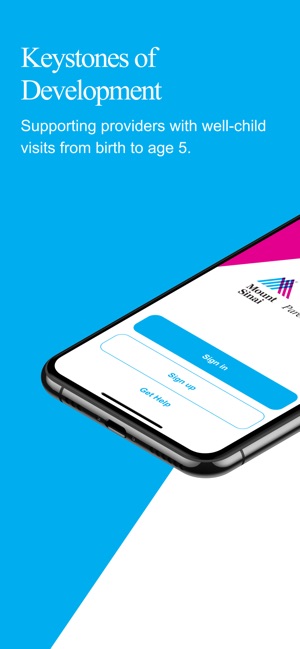
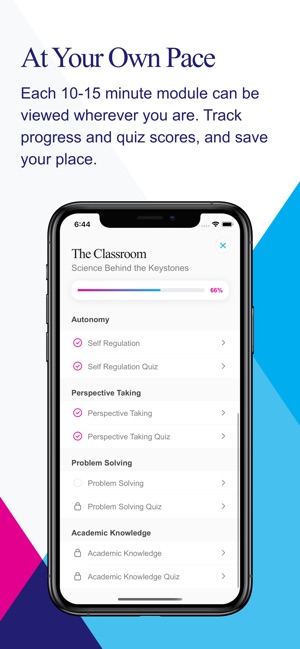
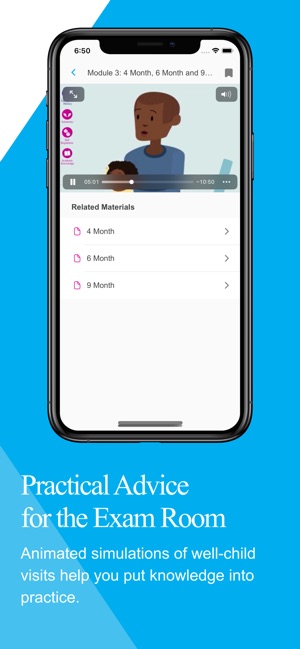
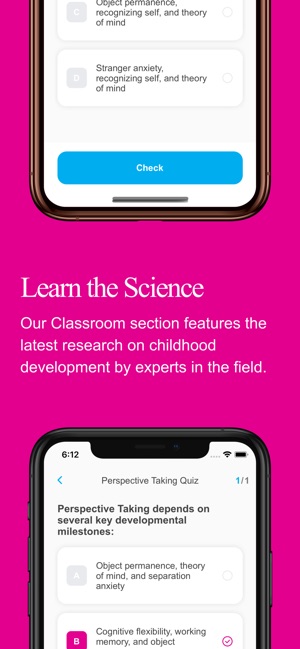
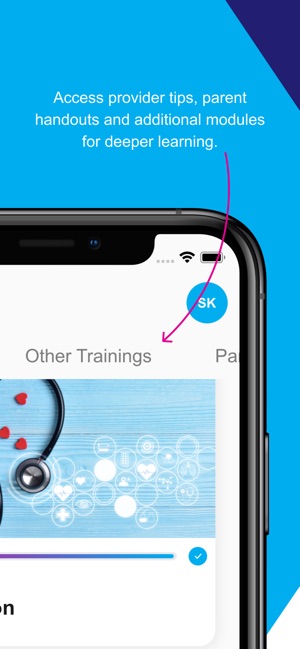
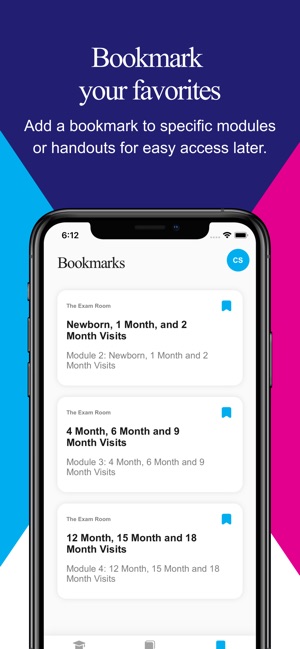
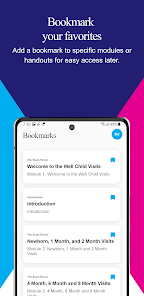
Keystones of Development screenshot 1 of 16Keystones of Development screenshot 2 of 16Keystones of Development screenshot 3 of 16Keystones of Development screenshot 4 of 16Keystones of Development screenshot 5 of 16Keystones of Development screenshot 6 of 16Keystones of Development screenshot 7 of 16Keystones of Development screenshot 8 of 16Keystones of Development screenshot 9 of 16Keystones of Development screenshot 10 of 16Keystones of Development screenshot 11 of 16Keystones of Development screenshot 12 of 16Keystones of Development screenshot 13 of 16Keystones of Development screenshot 14 of 16Keystones of Development screenshot 15 of 16Keystones of Development screenshot 16 of 16

Detailed Description

Functionality & Mechanism

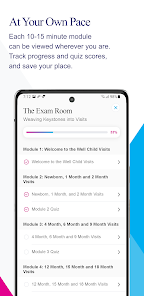
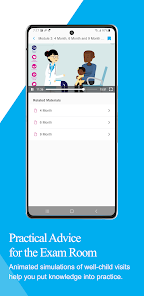
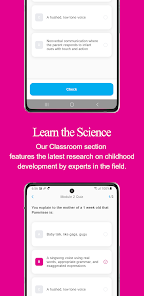
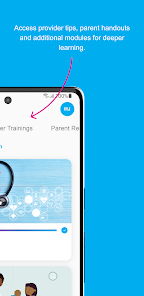
The Keystones of Development system delivers a self-guided pedagogical curriculum for medical residents, accessible via institutional faculty invitation. Developed by the Icahn School of Medicine at Mount Sinai, the platform organizes 13 animated modules focused on six core developmental domains. Sessions involve expert instruction, post-module quizzes to assess comprehension, and access to downloadable clinical resources, including parent handouts. The interface synchronizes progress across devices, facilitating self-paced learning and integration of content into clinical practice.

Evidence & Research Context

  • A pilot evaluation study (N=67 pediatric residents) across eight residency programs demonstrated statistically significant increases in residents' self-reported positive parenting promotion behaviors.
  • The evaluation documented significant improvements in residents discussing (p < .01) and modeling (p < .01) positive parenting strategies during well-child visits.
  • Participants also exhibited significant gains in relevant knowledge (p < .01), retrospective self-efficacy (p < .01), and a reduction in perceived barriers to practice (p < .01).
  • The curriculum's design is grounded in Kern's 6-step model, targeting evidence-based domains of early cognitive, self-regulatory, and social-emotional development.

Intended Use & Scope

This system is designed as a professional development tool for pediatric and family medicine residents to augment their counseling skills during well-child visits. Its primary utility is educational, providing a structured curriculum on early relational health and parenting. The app does not function as a clinical decision support or diagnostic tool and is not intended for direct use by patients or families.

Studies & Publications

2 publications

Peer-reviewed research associated with this app.

Development/Design Paper

The Creation of an Online Curriculum to Promote Parenting Behaviors That Foster Early Childhood Development

Martin et al. (2025) · Clinical Pediatrics

Describes the research-driven development of this app
This article describes the creation of the Keystones of Development, a curriculum on parenting and early child development for residency programs. Following Kern's 6-step model of curriculum development, we first determined a need for pediatrician training on key facets of early cognitive, self-regulatory, and social-emotional development and the parenting behaviors that promote them. We also ascertained interest among pediatric residency directors, who reported a lack of available curricula. A multidisciplinary group identified 6 key domains of early development for inclusion in a new, animated, self-guided curriculum. We designed the curriculum to have 2 parts: the first providing expert information about the key domains of development, and the second demonstrating opportunities to promote those domains of development during well-child visits. Since the curriculum was piloted, it has been adopted by nearly all pediatric residency programs and nearly half the family residency programs in the U.S.
... Read More
Effectiveness/Outcome Study

Evaluating the Keystones of Development – An Online Curriculum for Residents to Promote Positive Parenting in Primary Care

Hammond et al. (2021) · Academic Pediatrics

Significantly increased residents' knowledge, confidence, and use of positive parenting guidance during well-child visits.

Objective This pilot outcome evaluation assesses the effectiveness of an online curriculum, the Keystones of Development, aimed at improving residents' knowledge, attitudes, and reported behaviors around promoting positive parenting and childhood development in well-child visits. Methods We used an explanatory mixed-methods approach, including a single-arm pre-posttest of intervention effects on self-reported behavioral outcomes (discussing, modeling, and praising) and secondary outcomes (knowledge, perceived barriers, attitudes, and self-efficacy). Following this, a subset of residents participated in in-depth interviews to describe participant responses to the intervention. Results The study was conducted at 8 pediatric residency programs across the United States with 67 pediatric residents (mean age = 29; 79% female; 57% PGY1). Within one month postintervention, there was a statistically significant increase in the behaviors that promote positive parenting: discussing (P < .01;d = 0.73) and modeling (P < .01;d = 0.61) but not praising (P = .05; d = 0.3). Significant changes in the secondary outcomes: knowledge (P < .01), perceived barriers, (P < .01), and retrospective self-efficacy (P < .01) were seen. Interviews revealed that integration of curriculum content into clinical practice was due to the relevance of the material to primary care and the modeling of how to apply in the clinical setting. Curriculum format, content, and clinical application helped participants weave recommendations into the well-child visit. Conclusions In this study, we demonstrated that the online curriculum, Keystones of Development, increased resident behaviors, knowledge, and self-efficacy, and decreased perceived barriers to promote parenting behaviors associated with improved child development outcomes in well-child visits. These findings were observed across participants demonstrating equal success regardless of demographic characteristics or study site.
... Read More

Keystones of Development

Free