
AppsFromResearch
Learner Credential Wallet icon

Learner Credential Wallet

Published in academic literature

For:Researchers & AcademicsGeneral Public & EnthusiastsIndustry Professionals

App Summary

Learner Credential Wallet is an open-source mobile application for students and lifelong learners to securely store, manage, and share their official digital academic credentials. Developed by MIT as a reference implementation of a specification from the Digital Credentials Consortium, the app is based on open standards, including the W3C Verifiable Credentials data model, to ensure interoperability, privacy, and learner agency. The associated research concludes that this learner-centric approach supports data portability and empowers individuals by giving them direct control over their verified learning and employment records.

App Screenshots

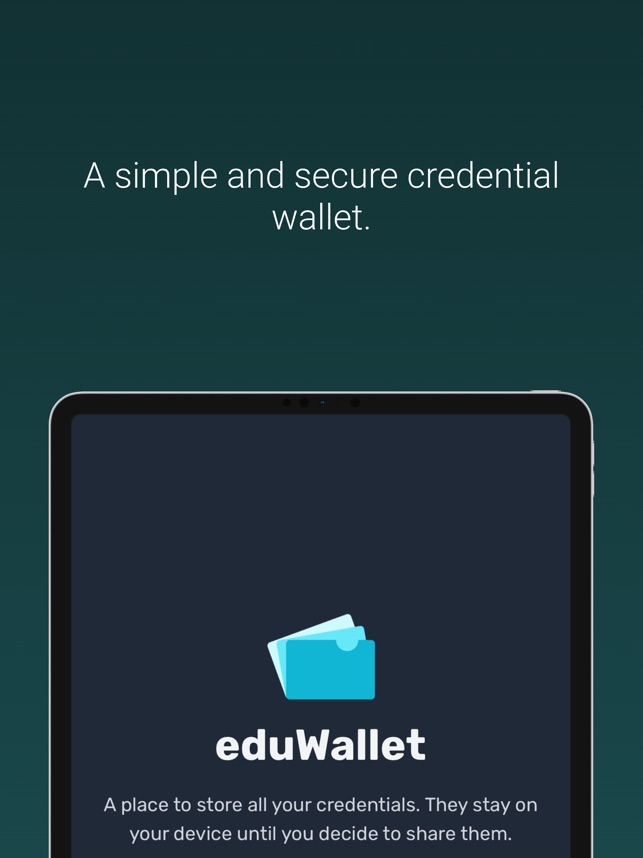
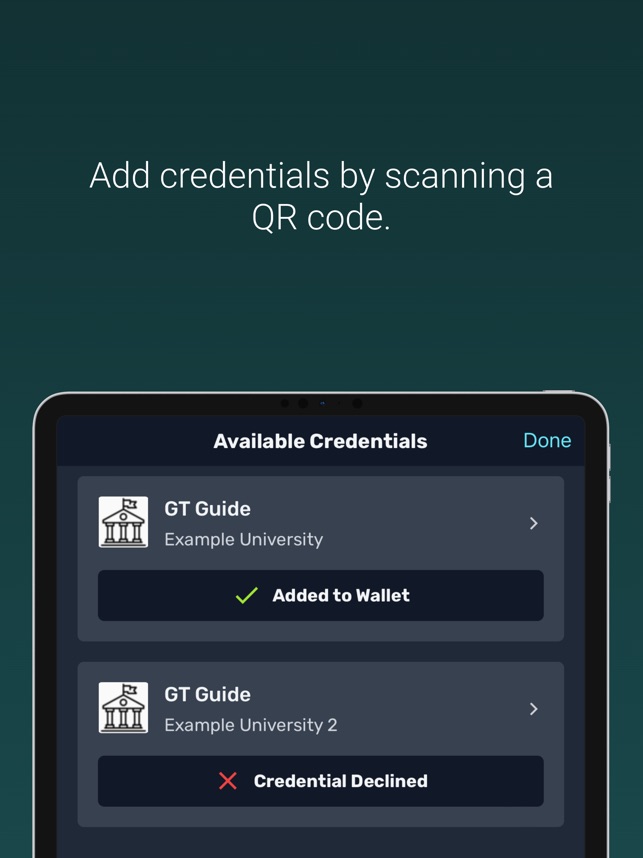
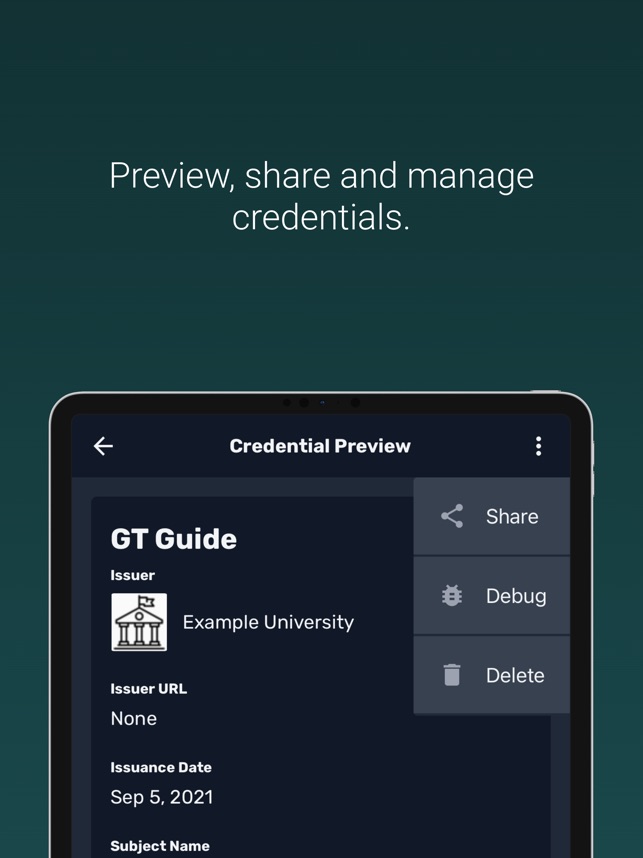
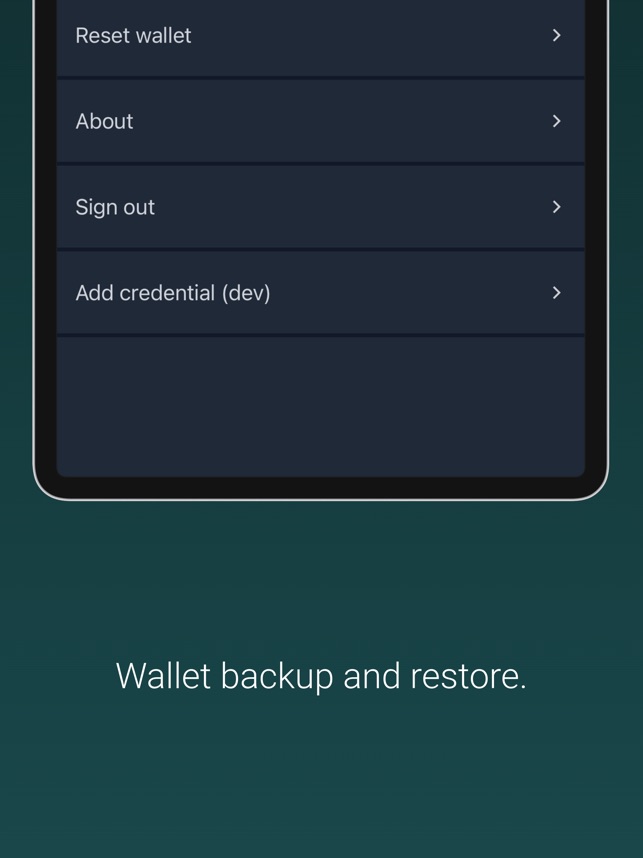
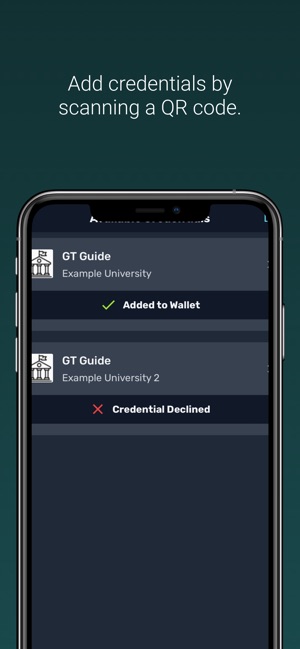
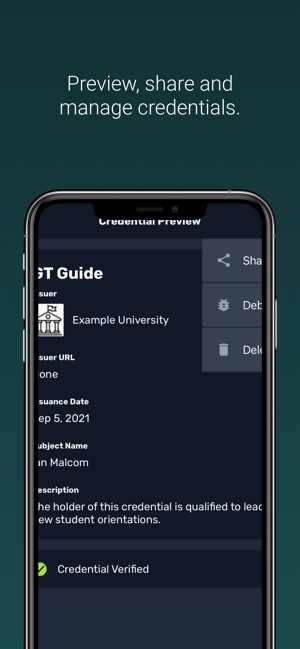
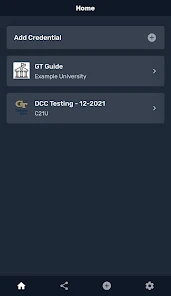
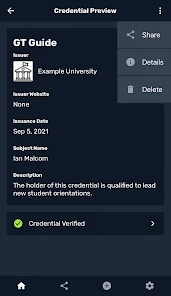
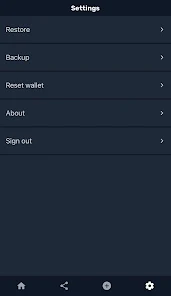
Learner Credential Wallet screenshot 1 of 11Learner Credential Wallet screenshot 2 of 11Learner Credential Wallet screenshot 3 of 11Learner Credential Wallet screenshot 4 of 11Learner Credential Wallet screenshot 5 of 11Learner Credential Wallet screenshot 6 of 11Learner Credential Wallet screenshot 7 of 11Learner Credential Wallet screenshot 8 of 11Learner Credential Wallet screenshot 9 of 11Learner Credential Wallet screenshot 10 of 11Learner Credential Wallet screenshot 11 of 11

Detailed Description

Functionality & Mechanism

Developed by the Massachusetts Institute of Technology (MIT) as part of the Digital Credentials Consortium, the Learner Credential Wallet is a cross-platform mobile application for storing and sharing digital academic credentials. The system operates on open standards, including the W3C Verifiable Credentials data model, to ensure interoperability and data portability. The interface enables learners to receive tamper-evident credentials from issuing institutions, curate them within a personal digital wallet, and present them for verification to third parties.

Evidence & Research Context

  • The application is a reference implementation of the Learner Credential Wallet specification, developed by MIT under an agreement with the U.S. Department of Education.
  • Its architecture is grounded in open international standards, including the W3C Verifiable Credentials Data Model, to ensure credential portability and prevent vendor lock-in.
  • The design philosophy, detailed by the Digital Credentials Consortium, prioritizes learner control, data privacy, and a distributed, vendor-neutral ecosystem for lifelong learning records.
  • Associated research reports the wallet's deployment with three diverse U.S. higher education institutions, confirming its application in varied academic settings.

Intended Use & Scope

This wallet is designed for learners in academic and professional settings to manage their verifiable credentials. Its primary utility is the secure aggregation, storage, and presentation of learning and employment records. The application does not issue credentials; its function is contingent upon an ecosystem of institutional issuers adopting compatible open standards. It is a credential management tool, not a standalone educational platform.

Studies & Publications

3 publications

Peer-reviewed research associated with this app.

Development/Design Paper

Open Source Student Wallet Final Report

MIT Digital Credentials Consortium et al. (2022)

Describes the research-driven development of this app
Academic credentials are becoming transformed by digital technology with institutions, government agencies, industries, and others working together to develop digitally enhanced mechanisms to express academic learning outcomes and achievements enabling equitable academic and career prospects for all. These digital credentials can be described in terms of a document (the description of the credential) and an envelope (a container that protects its contents and their authenticity, and specifies an "issuer" and "recipient") into which the document is placed. A learner can store their digital credentials in a wallet that allows them to manage and share them with others. Many organizations in the U.S. and worldwide are experimenting with digital credentials; and emerging standards and specifications are being developed to describe them, define how they may work together and how they might be used by individuals and organizations. The Massachusetts Institute of Technology, and other U.S. and international members of the Digital Credentials Consortium1 (DCC)—including Harvard University (USA), McMaster University (Canada), Tec de Monterrey (México) and the Technical University of Munich (Germany)—are working together to develop new digital systems for academic credentials. The DCC approach focuses on open standards, as well as developing tools, systems and approaches to ensure learner control of their digital credentials. In 2020, MIT entered into an agreement with the U.S. Department of Education to design and implement a wallet to store digital credentials, a critical but under-developed element in the digital credentials technology ecosystem. In fulfillment of this work, the project team at MIT: ? Developed a Learner Credential Wallet specification. This specification is informed by the team's leadership and participation in the international digital credentials open standards working groups through the World Wide Web Consortium (W3C), with plans to introduce it through the open standards community. ? Developed an open source Learner Credential Wallet mobile application to store open standards-compliant digital credentials (Verifiable Credentials) with learner control (through Self Sovereign Identifiers). The wallet is open source software; it is built upon existing open source libraries developed through international working groups to enable other institutions, governments and vendors to adopt or build upon the wallet. The wallet is published in the Apple App Store for iOS devices and the Google Play Store for Android devices. ? Deployed the wallet with three institutions of higher education, College Unbound, Georgia Institute of Technology and San Jose City College, representing a diversity of institution types. ? Provided technical assistance to each institution to issue digital credentials. ? Disseminated the work via digital credentials ecosystems and communities. ? Reflected on the Open Source Student Wallet project: (1) developing the Learner Credential Wallet specification and wallet were straightforward and (2) there is a lack of production-ready tools for issuing Verifiable Credential-compliant credentials and technical assistance will likely be needed to facilitate adoption with Institutions of Higher Education.
... Read More
Non-Evaluative Reference

Learner Credential Wallet Specification

Duffy et al. (2021)

Referenced in academic literature; no direct evaluation of the app
This specification, produced by MIT under contract with the U.S. Department of Education, outlines the design and technical requirements for an open-source Learner Credential Wallet. The document establishes a framework for interoperable digital wallets that allow individuals to curate, store, and share verifiable learning and employment records (LERs). Building on standards such as the W3C Verifiable Credentials Data Model and Decentralized Identifiers (DIDs), the specification details the wallet's core functions, including credential issuance, persistence, and presentation . It emphasizes a learner-centric approach that ensures data portability and prevents vendor lock-in, while defining the architectural layers—from generic wallet interfaces to domain-specific plugins—necessary to support cross-standard semantic interoperability . The guide also references the Universal Wallet 2020 specification as a foundational component for enabling these capabilities across different platforms and devices. Mentioned App: The document explicitly details the specifications for the Learner Credential Wallet (also referred to as the OSS Wallet Application), which serves as a reference implementation for a mobile and web-based application designed to manage educational credentials
... Read More

In the Media

DCC transfers stewardship of Learner Credential Wallet to the OpenWallet Foundation

The Digital Credentials Consortium at MIT Open Learning transferred stewardship of its open source Learner Credential Wallet to the OpenWallet Foundation to expand the mobile app's reach for storing and sharing digital credentials. "At the DCC, we believe working openly and collaboratively produces better, more equitable technology systems," says Kerri Lemoie, director of the DCC. The consortium began developing the wallet with U.S. Department of Education grant funding in 2020 and continues to maintain leadership while providing production-level apps for iOS and Android.

MITRead article

Lemoie appointed Digital Credentials Consortium director

The Digital Credentials Consortium, part of MIT Open Learning, appointed Kerri Lemoie as director to lead a group of 13 higher education institutions building infrastructure for verifiable digital credentials of academic achievement. According to MIT professor Krishna Rajagopal, "It is because of her efforts that the DCC is now able to pivot from developing standards and tools to deploying those tools with institutions of higher education, including DCC members, which can now issue verifiable digital credentials to their students." Lemoie assumed the role on September 1st after serving as the consortium's director of technology since August 2022.

MITRead article

Developing an Open Source Wallet for digital credentials

MIT developed the Learner Credential Wallet through a 2020 agreement with the U.S. Department of Education to create an open source mobile app that stores digital credentials, addressing a "critical but under-developed element in the digital credentials technology ecosystem." The app allows learners to store and control their credentials in one place with equal visibility and accessibility, available for both iOS and Android platforms. The Digital Credentials Consortium continues pilot programs at College Unbound, Georgia Institute of Technology, and San Jose City College to test the mobile wallet's implementation.

MITRead article

Expanding access to digital credentials

MIT developed the Learner Credential Wallet to give learners ownership and control of their academic records while supporting economic opportunity, using open-source mobile technology with support from the US Department of Education. A new grant from Walmart Corporation allows MIT to specifically address the needs of underserved students, with Sean Murphy from Walmart stating that "MIT and their partners are focusing on solutions that can provide students and workers greater access to their own skills and credentials." The project includes pilot programs with university partners College Unbound, San Jose City College, and Georgia Tech.

MITRead article

University-led Digital Credentials Consortium explores technology for digital academic credentials

The Digital Credentials Consortium, comprising 12 international universities, developed the Learner Credential Wallet to modernize academic credential management using blockchain and public key infrastructure technologies. "We've been exploring how recent advances in public key infrastructures, public ledgers, and blockchains can be used to rethink the way we recognize academic achievements," said Philipp Schmidt, advisor to the Vice President of Open Learning at MIT. The consortium aims to create interoperable standards that bridge traditional higher education with non-formal education providers and workplace learning.

MITRead article

Learner Credential Wallet

Free