
AppsFromResearch
LogiX App icon

LogiX App

Evidence Tier:DOCUMENTED

Published in academic literature

For:Clinicians & Healthcare ProfessionalsStudents

App Summary

LogiX App is a surgical case logging tool for trainees and educators that tracks operative experience using a component-based approach, breaking down complex procedures into individual steps. The app's procedure and component lists were developed through a consensus process involving interviews with surgical experts from multiple specialties. The authors conclude that this granular approach to case logging may serve as a useful adjunct for competency-based surgical training, providing data to benefit trainees, educators, and training programs.

App Screenshots

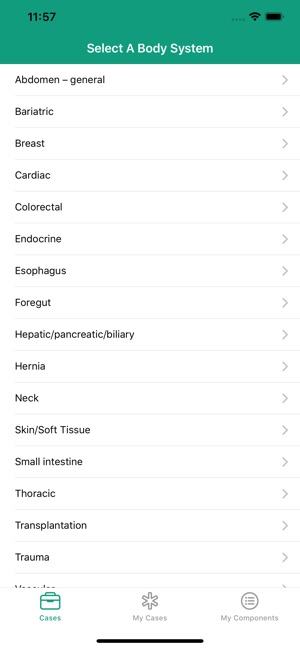
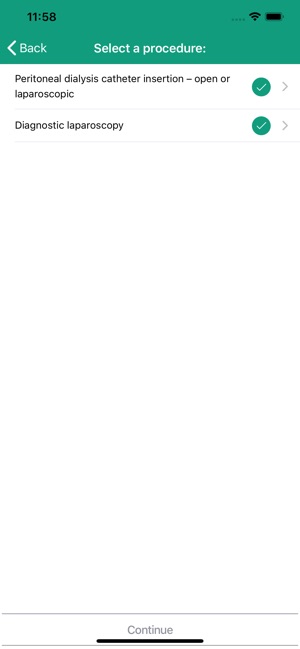
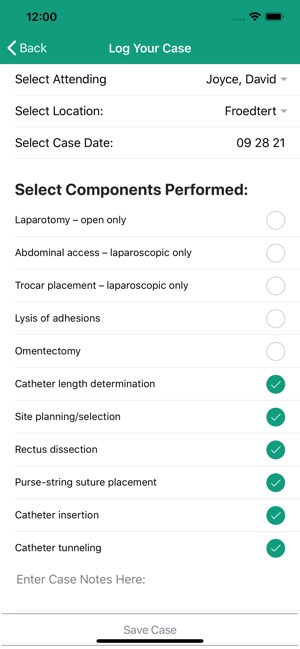
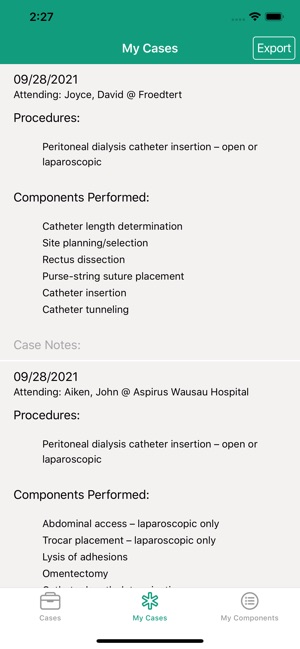
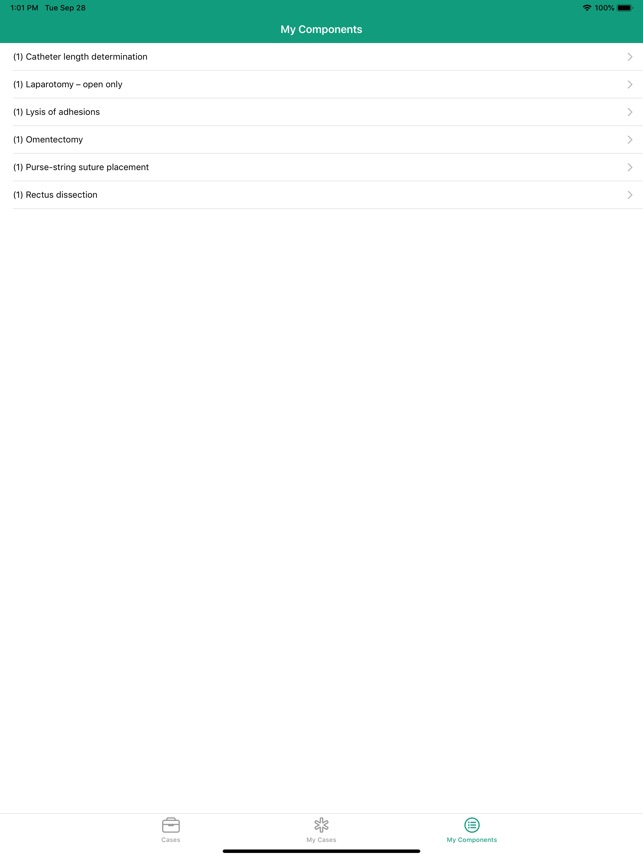
LogiX App screenshot 1 of 10LogiX App screenshot 2 of 10LogiX App screenshot 3 of 10LogiX App screenshot 4 of 10LogiX App screenshot 5 of 10LogiX App screenshot 6 of 10LogiX App screenshot 7 of 10LogiX App screenshot 8 of 10LogiX App screenshot 9 of 10LogiX App screenshot 10 of 10

Detailed Description

Functionality & Mechanism

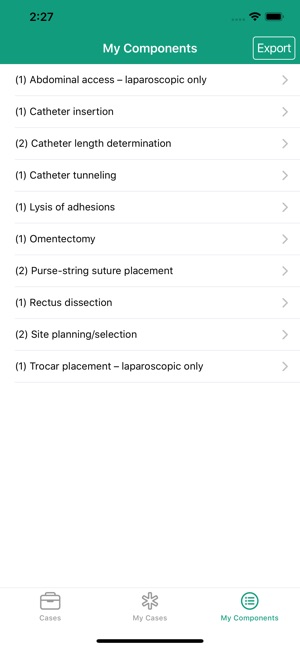
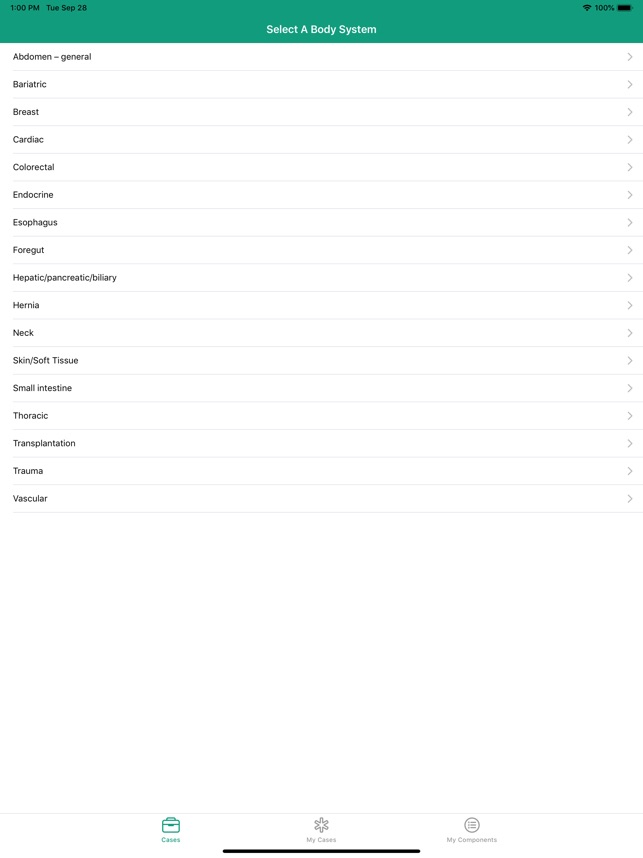
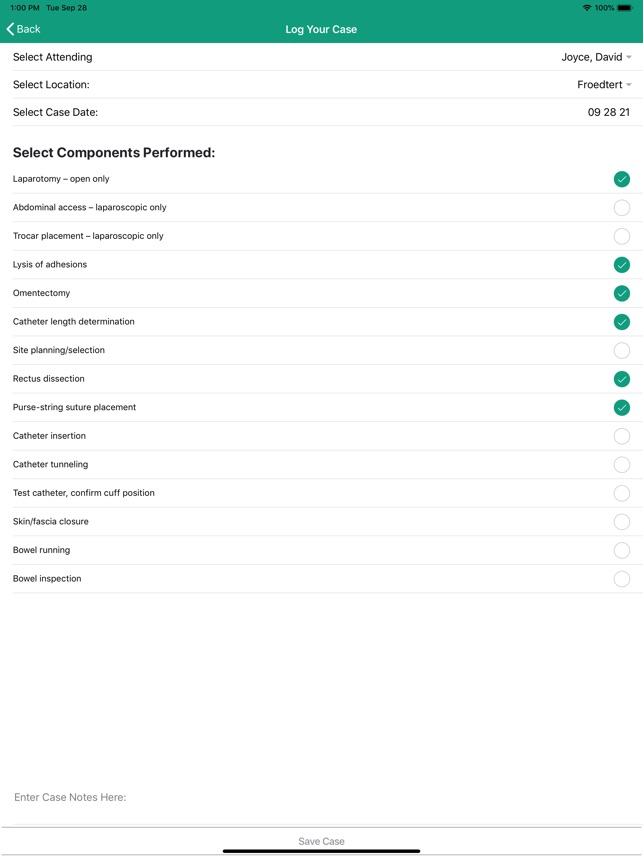
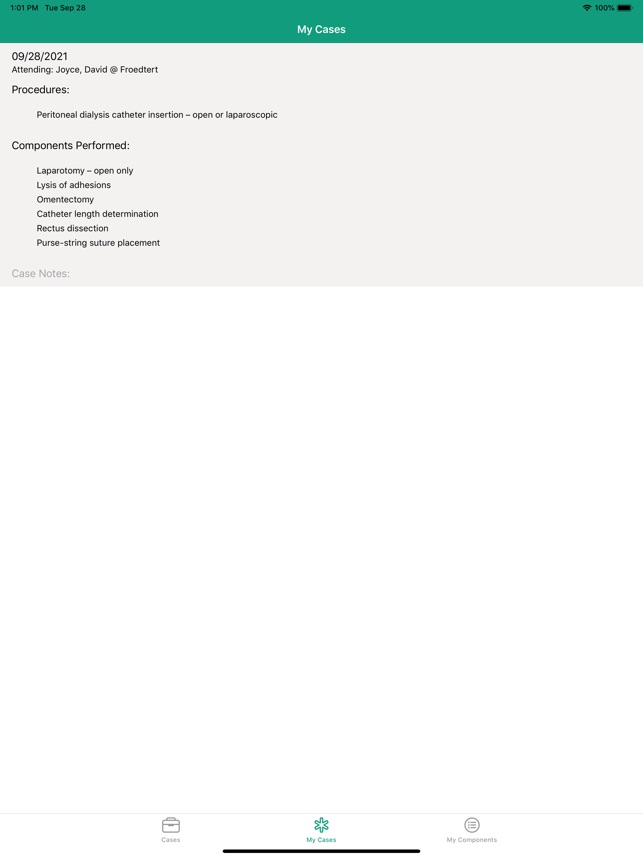
LogiX App is a surgical case logging system designed for competency-based trainee assessment. The system facilitates the granular documentation of operative experience through a component-based framework. Trainees initiate a log by selecting a procedure, after which the interface captures input on the specific surgical steps performed. The application then generates two data outputs: a detailed record for individual case review and a cumulative summary of all logged components. This mechanism provides a detailed quantification of a trainee's procedural exposure.

Evidence & Research Context

  • The app's design and pedagogical framework are detailed in a foundational development paper.
  • The system is grounded in a component-based approach to surgical education, aligning with modern competency-based training models.
  • The procedural components integrated into the app were established through a consensus-driven process involving subject-matter experts across surgical specialties.
  • The authors note that future investigations are required to formally assess user experience and quantify the application's impact on training progression.

Intended Use & Scope

The application is intended for use by surgical trainees and educators to augment operative training and assessment. Its primary utility is as a data-logging tool to provide a granular record of procedural experience, informing educational planning. It is not a standalone measure of competence and does not replace direct faculty observation or formal milestone evaluations.

Studies & Publications

1 publication

Peer-reviewed research associated with this app.

Development/Design Paper

The development of Logix – An application for component-based case logging and surgical trainee assessment

Seadler et al. (2024) · Surgery Open Science

Describes the research-driven development of this app
Background The optimal training program to transform a new resident into a competent and capable surgeon is constantly evolving. Competency-based evaluation represents a change in mindset from quantitative or chronologic metrics for graduate readiness. As surgery becomes more specialized, more dependent on technology, and more public, we must continue to improve our ability to pass on technical skills. Approaching surgery in a component-based fashion enables even the most complex operation to be broken down into smaller sets of steps that range the entire spectrum of complexity. Treating an operation through the lens of its components, emphasizing stepwise forward progression in a trainee's experience, may provide a way to train competent surgeons more efficiently. Current case-logging products do not provide adequate granularity to apply this methodology. Methods Application design relied on the involvement of local surgeons from all specialties and subspecialties related to general surgical training. Individual interviews with multiple experts in each field were used to generate a list of most commonly performed operations. Once a consensus was reached, the same surgeons were queried on what they felt were the core steps that make up each operation. This information was utilized to create a novel mobile application which enables the user to record cases by date, attending surgeon, specific operation, and which portions of the operation they were able/allowed to perform. Conclusion Component-based case logging through the Logix application may be a useful adjunct as we continue to implement competency-based surgical training. Future investigation will assess user experience and compare subjective and objective metrics of training progression between the Logix application and currently utilized products. The information provided by the application stands to benefit not just trainees, but educators, training programs, and regulatory bodies.
... Read More

LogiX App

Free