Merlin Bird ID by Cornell Lab
Published in academic literature
App Summary
App Screenshots
Detailed Description
Functionality & Mechanism
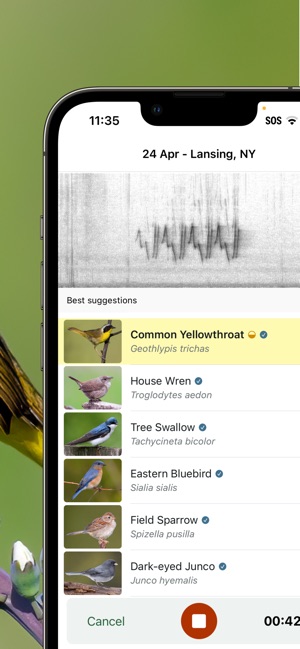
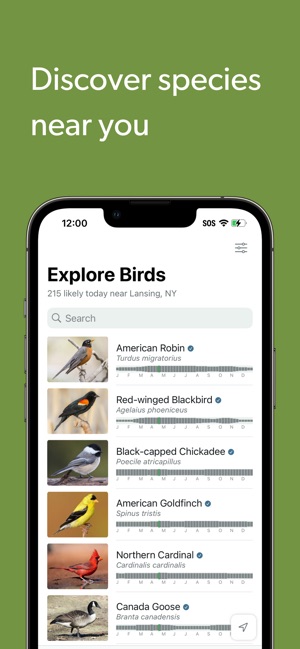
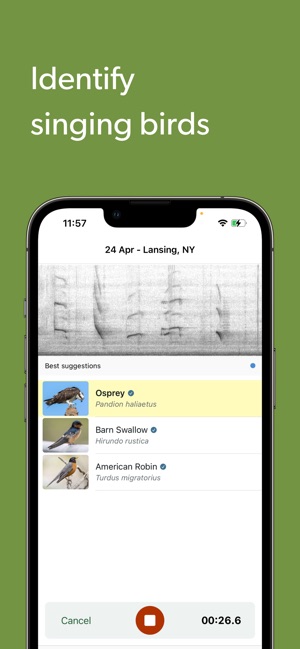
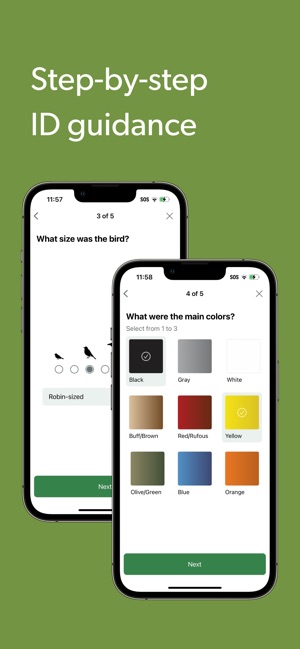
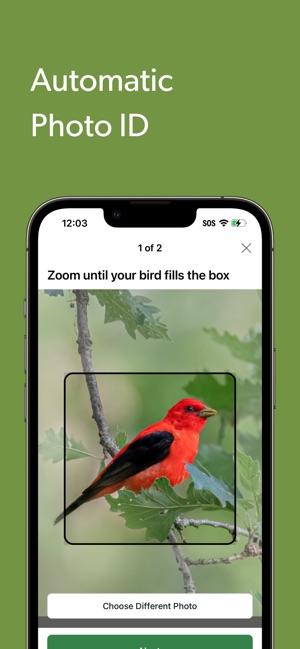
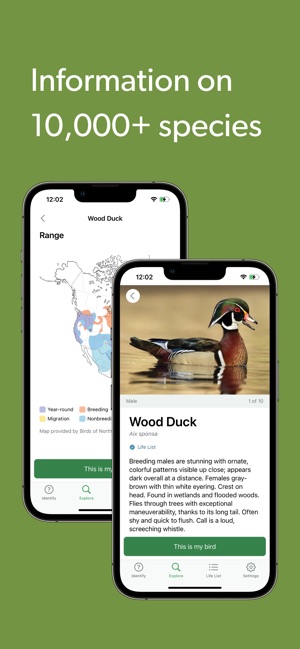
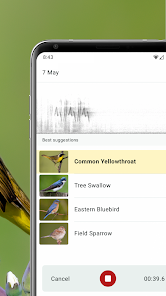
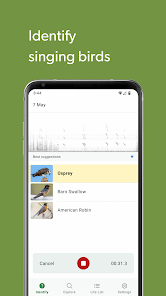
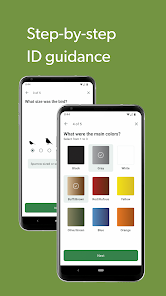
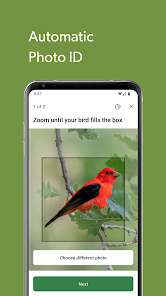
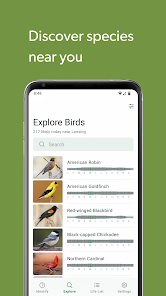
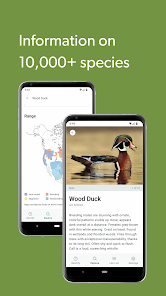
Developed by the Cornell Lab of Ornithology, Merlin Bird ID facilitates avian species identification through four primary modules. The system interface captures user input via a guided questionnaire, photo upload, or audio recording of bird vocalizations. It leverages machine learning algorithms (Visipedia) trained on the extensive eBird citizen science database and the Macaulay Library audio archive. The system analyzes submissions to provide a probabilistic identification, which is supplemented with range maps, reference media, and expert-curated content.
Evidence & Research Context
- The app's identification capabilities are powered by the eBird citizen science project, which functions as a Human/Computer Learning Network for biodiversity research.
- Associated research describes this network's use of an active learning feedback loop, where machine learning algorithms are continuously refined by millions of user-contributed observations.
- The quality and accuracy of the underlying eBird database are enhanced through expert curation and annotation of sightings, photos, and sounds.
- The data infrastructure supporting the app is designed to process large-scale observational data to advance ecological monitoring and conservation science.
Intended Use & Scope
The application is intended for the general public, amateur naturalists, and educators as a field guide and species identification tool. Its core utility is to support in-the-moment identification and deliver pedagogical content on avian biology. The tool facilitates citizen science participation but does not replace expert verification required for formal ornithological records.
Studies & Publications
Peer-reviewed research associated with this app.
eBird: A Human/Computer Learning Network for Biodiversity Conservation and Research
Kelling et al. (2012) · AAAI Conference on Artificial Intelligence Proceedings
Describes the research-driven development of this appIn the Media
Merlin milestone: App now helps ID birds worldwide
Cornell Lab of Ornithology developed Merlin Bird ID to help users quickly identify birds they encounter, achieving a major milestone by expanding coverage to all countries worldwide with 10,315 species. "The original idea for Merlin was all about helping you figure out, 'What's that bird I'm seeing?' in a quick and simple way," said Jessie Barry, program manager of the Macaulay Library. The app now serves more than 3 million active users and has been installed over 12 million times.
What's that bird? Merlin Bird ID app works magic
Cornell Lab of Ornithology developed Merlin Bird ID to help people answer the simple question "what's that bird I'm seeing" without needing to consult traditional field guides. Originally launched in 2014 with 400 North American species, the free app now identifies more than 6,000 bird species across six continents using photos or bird songs and calls. Program manager Jesse Barry emphasizes that birds serve as "canaries in the coal mine" for environmental health, making bird identification crucial as populations decline worldwide.
Merlin Bird ID app identifies more than 450 bird species by sound
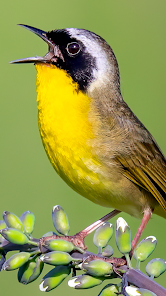
Cornell Lab of Ornithology developed Merlin Bird ID to help users identify birds through sound, photos, or simple questions, using AI-powered technology that recognizes the voices of 458 species in the United States and Canada. "Sound ID unlocks a whole new way of enjoying nature that produces not just one magical moment but many," said Jessie Barry, program manager of the Macaulay Library at the Cornell Lab. Engineers trained Merlin's sound identification feature using 750,000 recordings from birdwatchers and millions of observations from the eBird database.
How a Cornell scientist created 'Shazam for birds'
Cornell scientist developed Merlin Bird ID's sound identification feature to create a "Shazam for birdsong," working from his parents' spare bedroom during the pandemic. The developer completed the final model by May 2021 with remarkably fast turnaround time, releasing the feature in July after months of intensive work that "drained me mentally." The scientist envisions future capabilities where the app could run continuously to provide real-time summaries of bird species detected during outdoor activities.
Merlin Bird Photo ID mobile app launches
Cornell Tech and California Institute of Technology computer vision researchers developed Merlin Bird Photo ID in partnership with the Cornell Lab of Ornithology to identify hundreds of North American bird species using machine-learning technology that analyzes photos. "You zoom in on the bird, confirm the date and location, and Merlin will show you the top choices for a match from among the 650 North American species it knows," said Merlin project leader Jessie Barry. Cornell Tech and Caltech scientists trained the system using nearly 1 million photos collected by birders and volunteers.
App Information
Developer
Cornell UniversityCategory
Evidence Profile
Published in academic literature
Platforms
Updated
Sep 2026
© 2025 Cornell University