

Monarch Watch
Published in academic literature
App Summary
App Screenshots
Detailed Description
Functionality & Mechanism
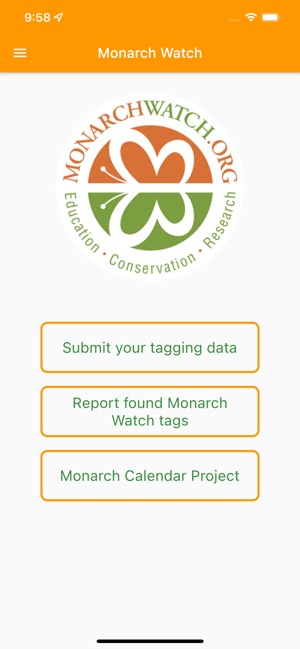
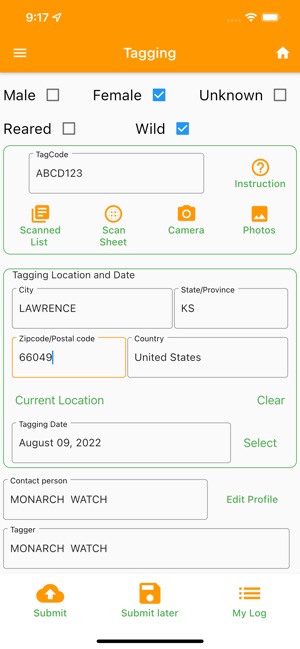
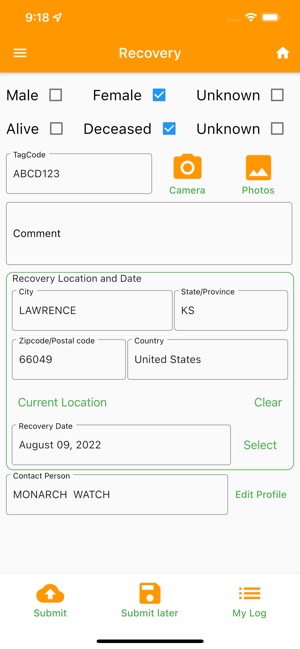
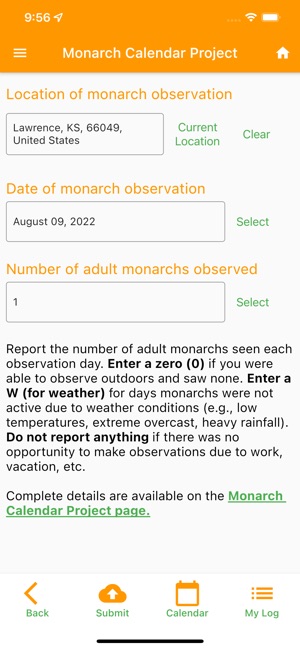
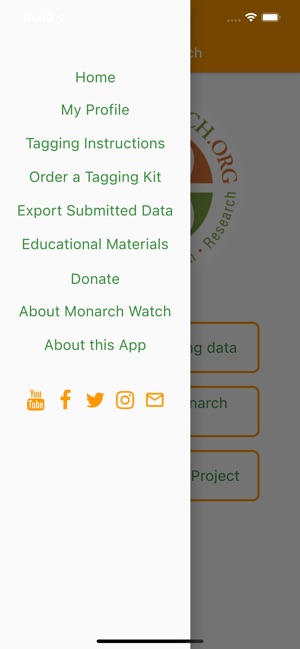
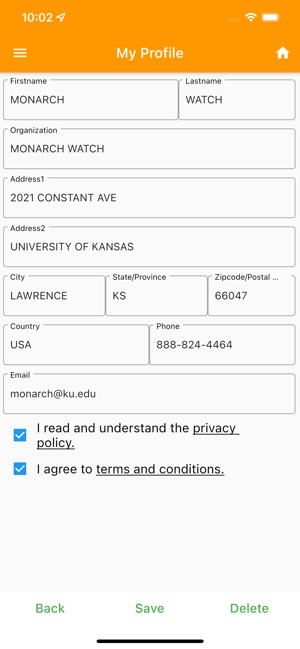
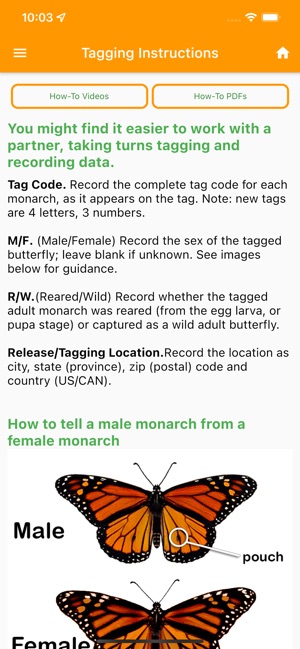
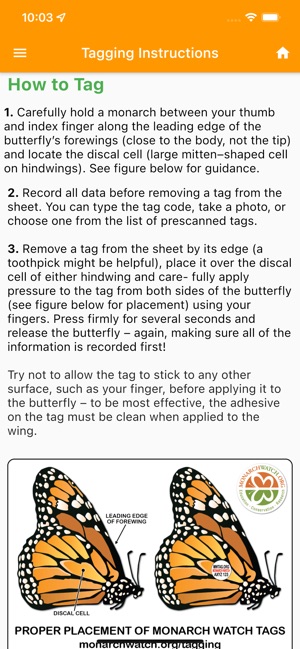
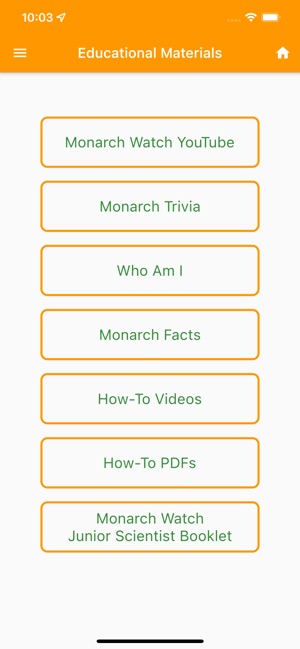
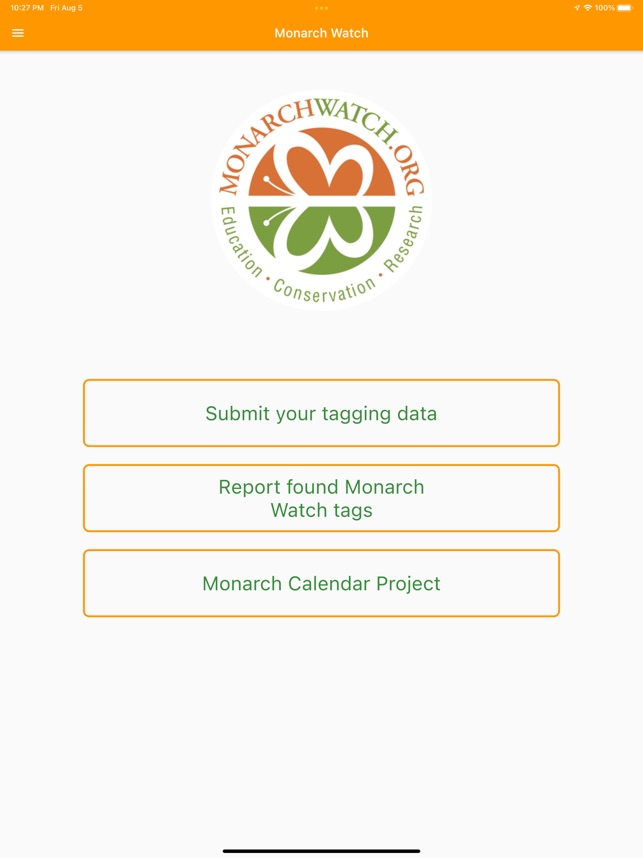
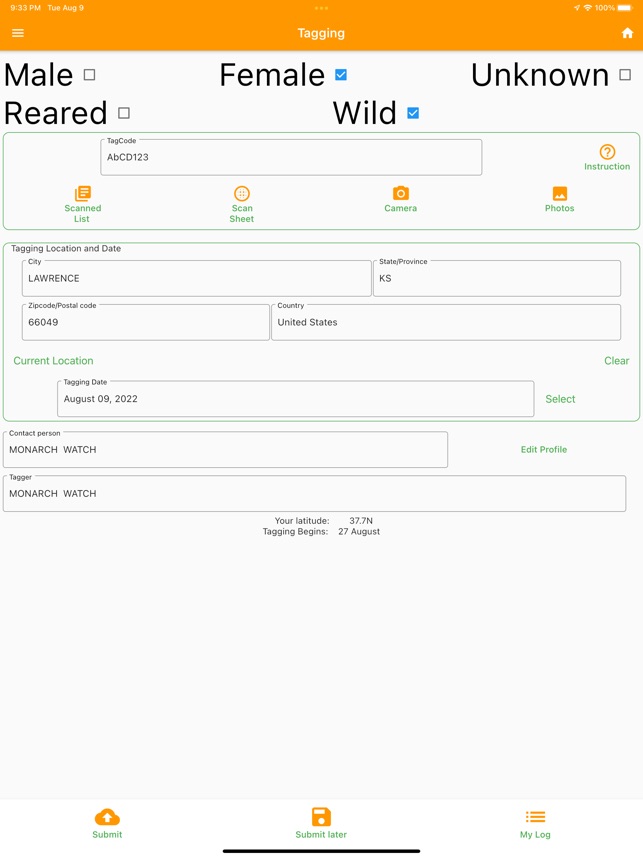
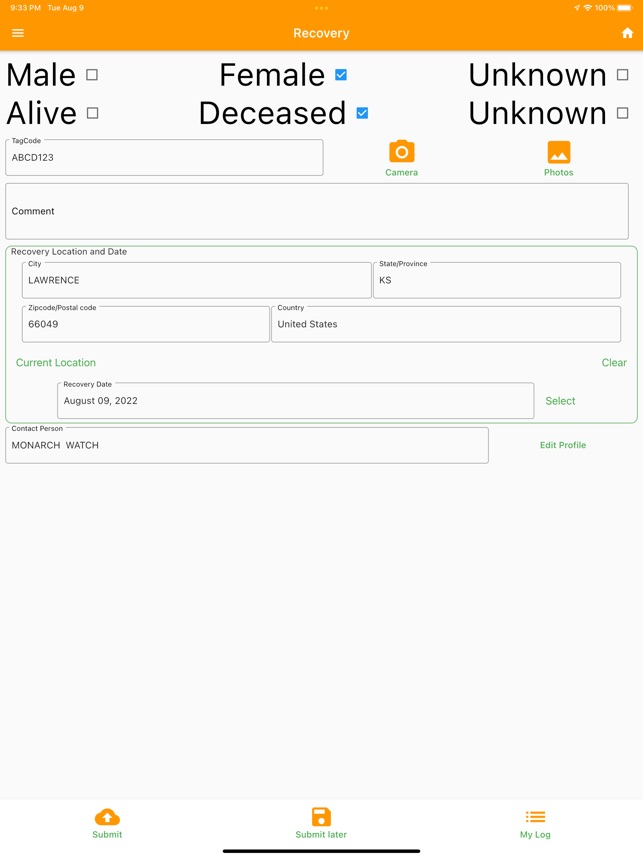
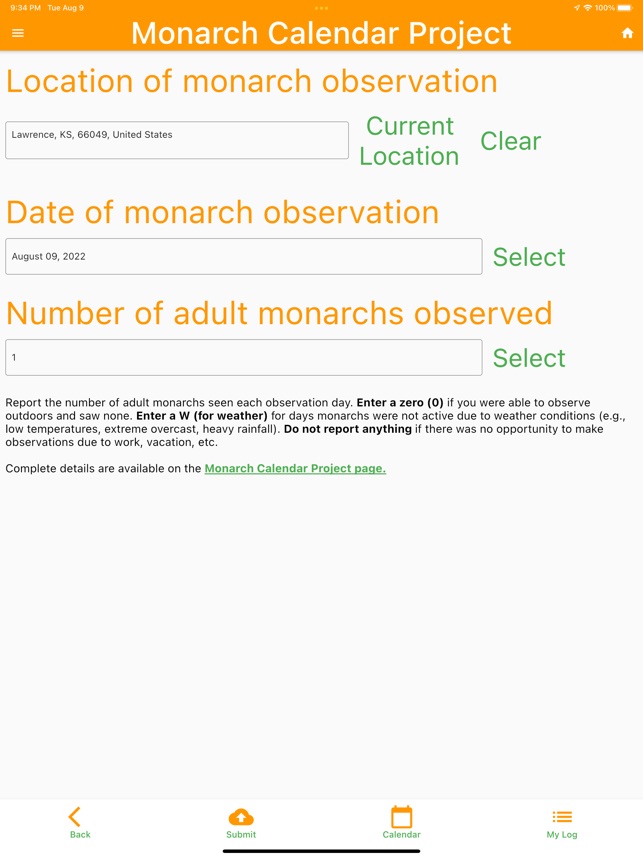
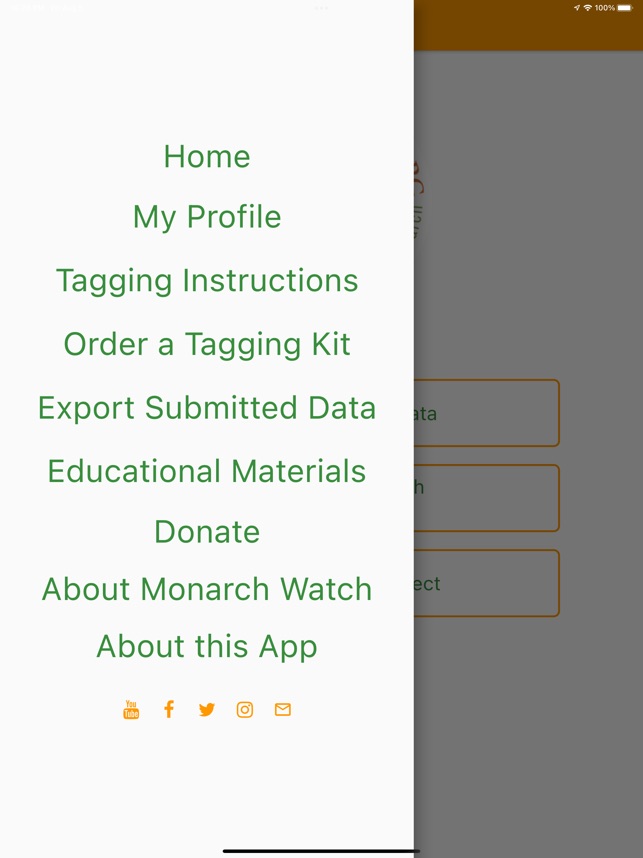
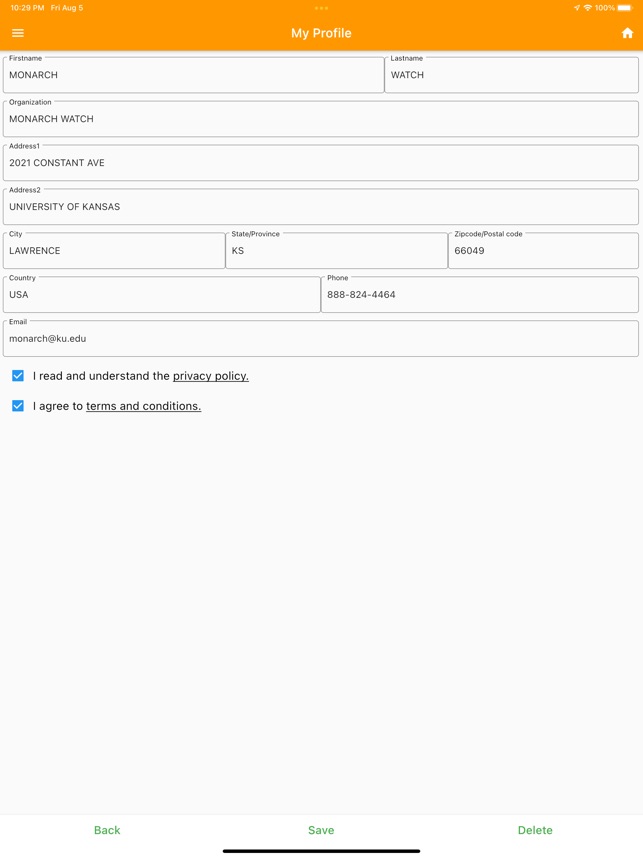
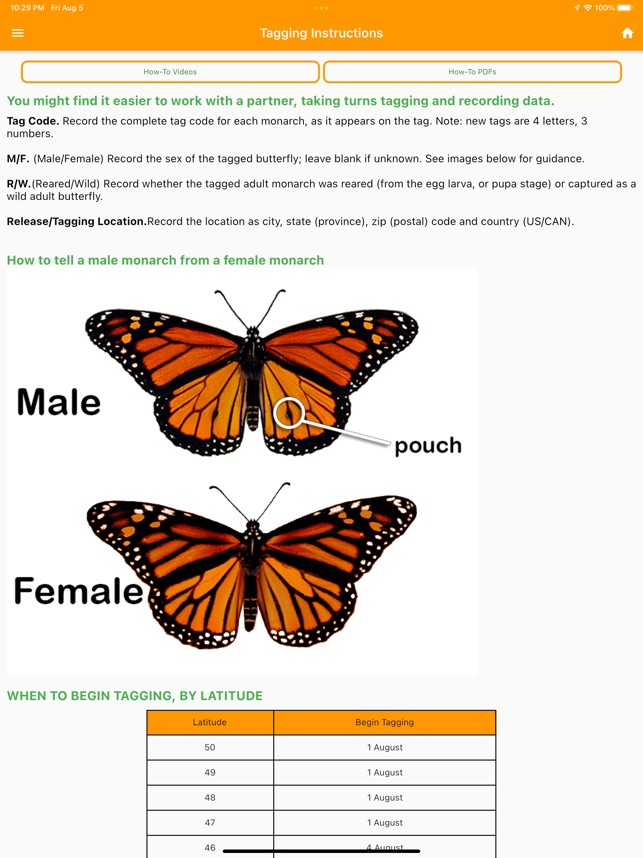
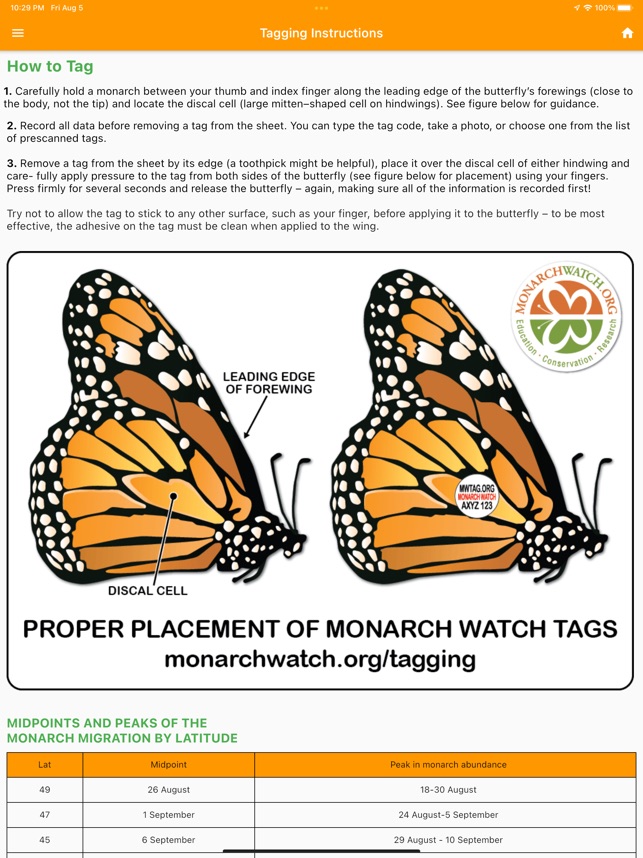
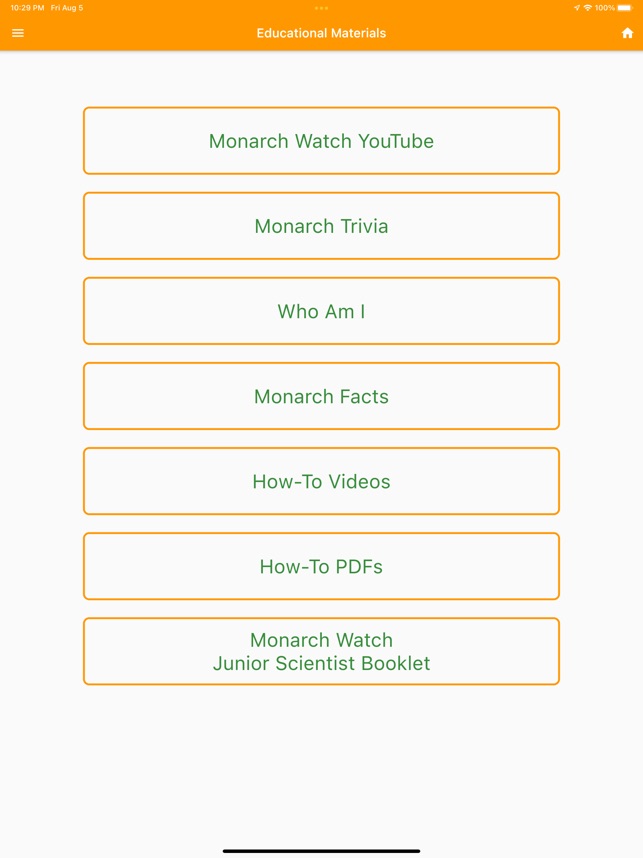
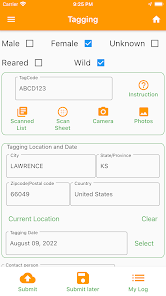
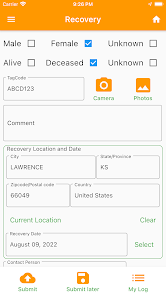
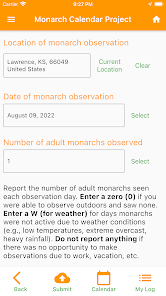
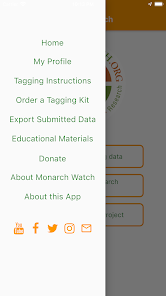
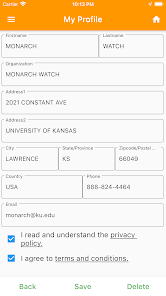
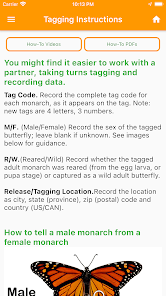
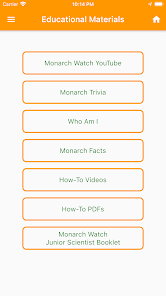
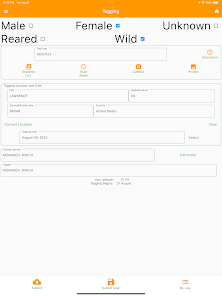
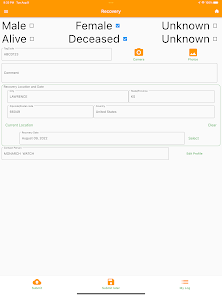
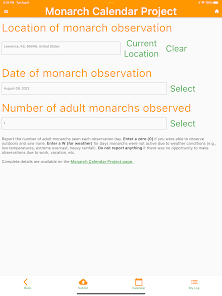
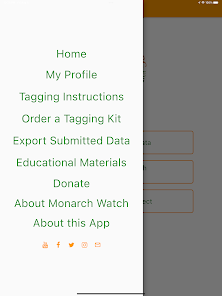
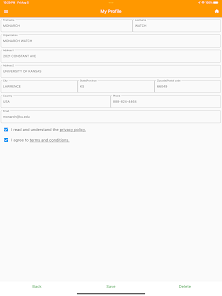
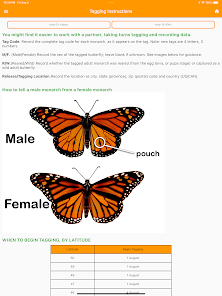
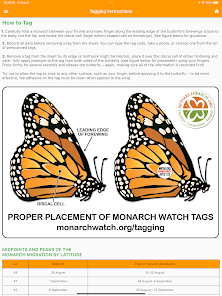
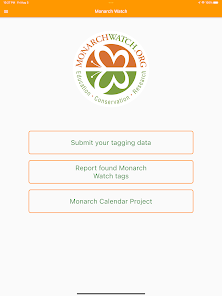
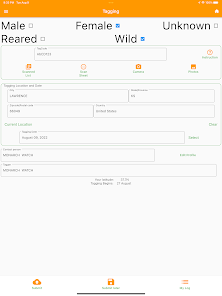
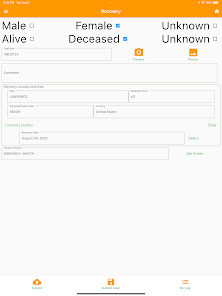
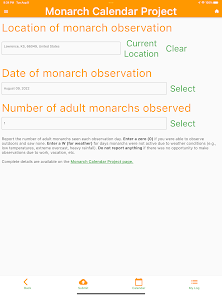
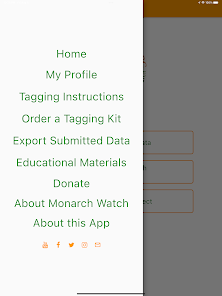
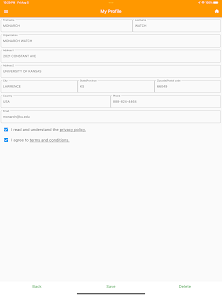
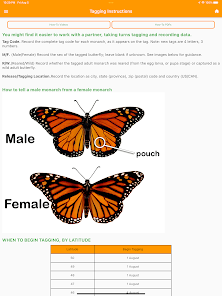
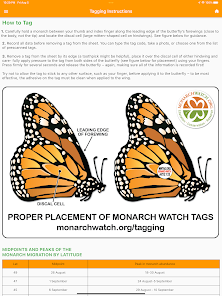
Developed by the Monarch Watch program, this citizen science tool facilitates the submission of monarch tagging, recovery, and calendar data. The interface streamlines data entry by capturing tag codes from images and automatically integrating associated location, date, and weather information. Sessions allow for immediate data submission with network connectivity or offline storage for later upload. The system maintains a local log of all participant contributions for record-keeping and provides access to instructional materials.
Evidence & Research Context
- Data collected through the Monarch Watch program have been utilized in ecological research to evaluate key conservation hypotheses for the species.
- An evaluation study using program data from 1998-2015 determined that the size of the summer monarch population explained 74% of the variation in the overwintering population size.
- The same analysis found that migration success was not the primary determinant of overwintering population size and did not decline during the study period.
- These findings indicate that data submitted by participants provides critical evidence for guiding conservation strategies, particularly those focused on increasing milkweed habitat.
Intended Use & Scope
This tool is designed for citizen scientists, researchers, and educators participating in the Monarch Watch program. Its primary utility is to enable standardized data collection for a large-scale, longitudinal study of monarch butterfly populations. The app is not a comprehensive species identification guide; its function is specific to submitting data for registered Monarch Watch projects.
Studies & Publications
Peer-reviewed research associated with this app.
Evaluating the Migration Mortality Hypothesis Using Monarch Tagging Data
Taylor et al. (2020) · Frontiers in Ecology and Evolution
Referenced in academic literature; no direct evaluation of the appIn the Media
Monarch Watch Blog - Blog Archive Radio-tagged monarch MW001 arrives at the MBBR
Monarch Watch partnered with the Project Monarch Collaboration to deploy 30 BlüMorpho solar-powered radio tracking tags on monarch butterflies during their fall migration from Lawrence, Kansas. The tagged monarchs, named MW001 through MW030, can be tracked through the Project Monarch Science app, with MW001 completing a remarkable 1,360-mile journey to reach the Monarch Butterfly Biosphere Reserve in Mexico. MW001, a male monarch weighing 0.6 grams, was originally tagged on September 25 and successfully arrived at the reserve after traveling through Oklahoma and Texas.
Featured news and headlines
The University of Kansas appointed Kristen Baum as the new director of Monarch Watch, an international program dedicated to monarch butterfly conservation and study. Founding director Chip Taylor noted that the program "was reaching at least 100,000 people a year and that it simply had to continue" when he decided to step down. Baum brings over 25 years of experience working with monarchs and pollinators in the Great Plains to lead the program forward.
App Information
Developer
University of KansasCategory
Evidence Profile
Published in academic literature
Platforms
Updated
Aug 2026
© 2025 University of Kansas