
AppsFromResearch
MOTT ENT Post-op Tonsillectomy icon

MOTT ENT Post-op Tonsillectomy

Evidence Tier:VALIDATED

Shows promise in preliminary research

For:Patients & Caregivers

App Summary

MOTT ENT Post-op Tonsillectomy provides caregivers of pediatric patients with post-operative guidelines and personalized pain management regimens following a tonsillectomy. A preliminary pilot study (N=53 families) found that caregivers using the app rated it as significantly more helpful and easier to use compared to traditional paper instructions, and also placed proportionally fewer calls to the clinic. The authors conclude that this mobile health technology can improve the caregiver experience and potentially reduce the need for hospital resources to manage post-operative concerns.

App Screenshots

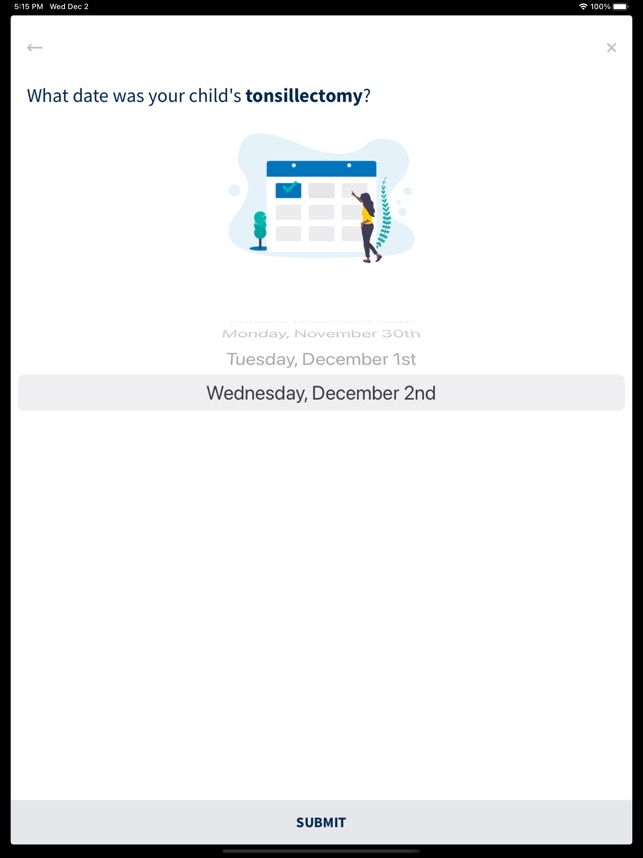
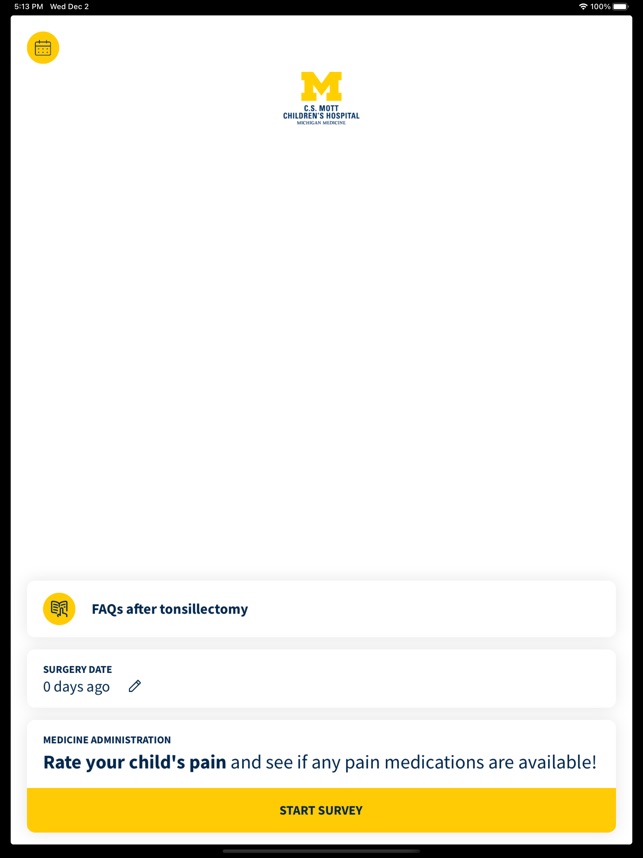
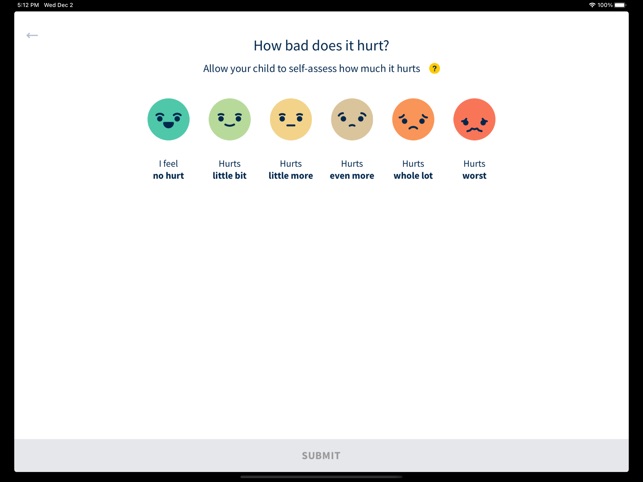
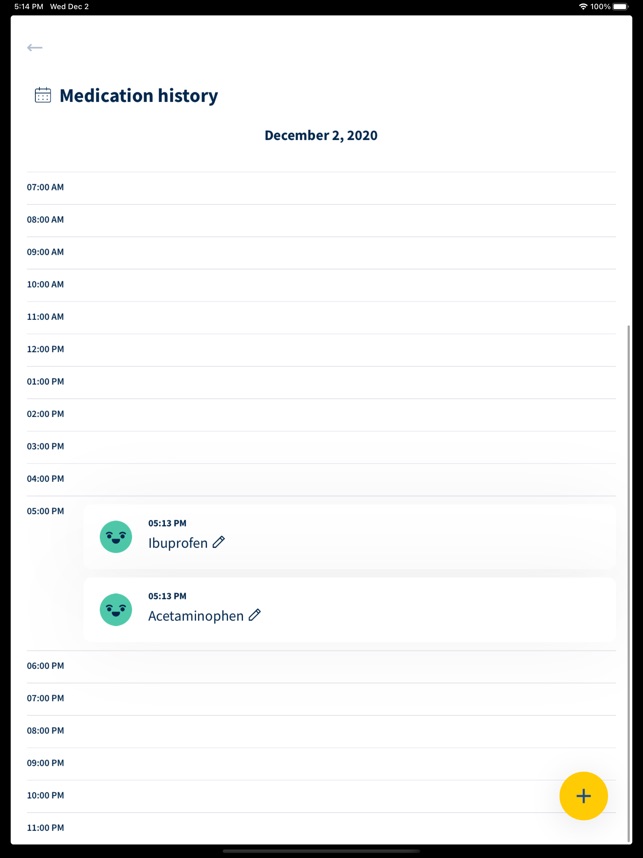
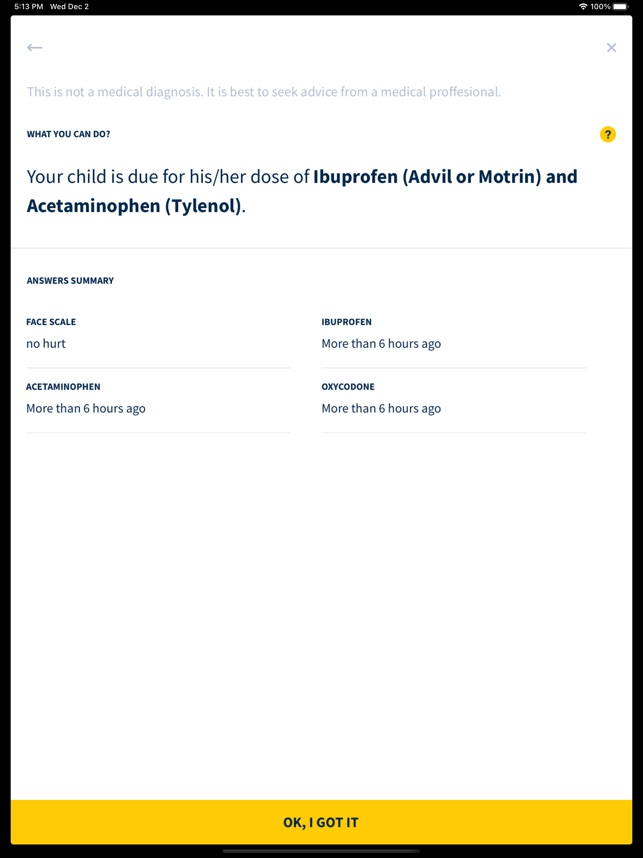
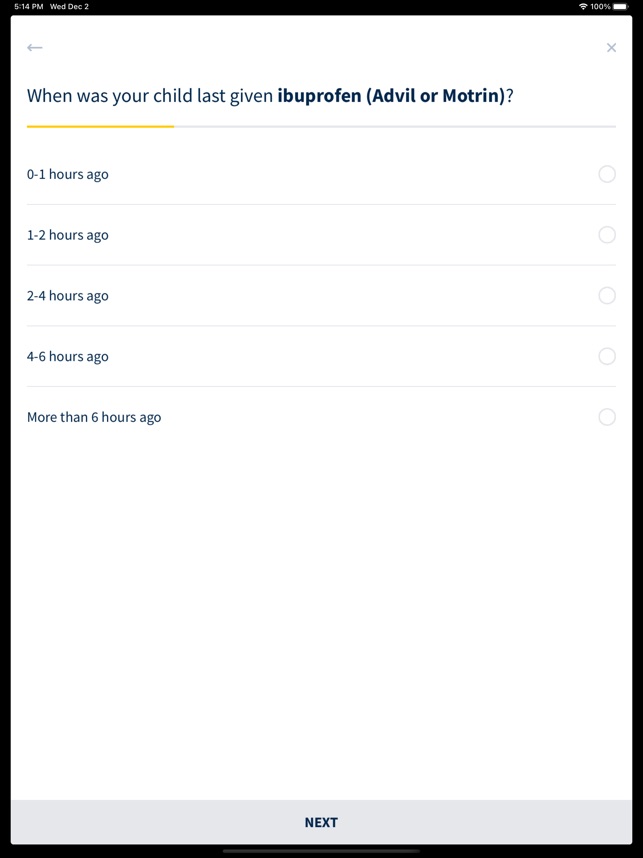
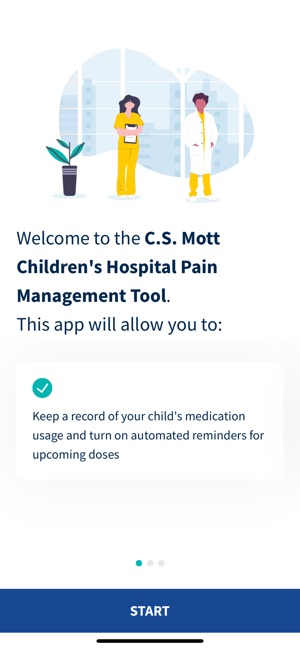
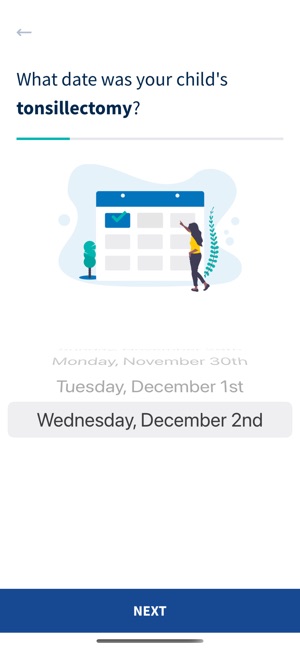
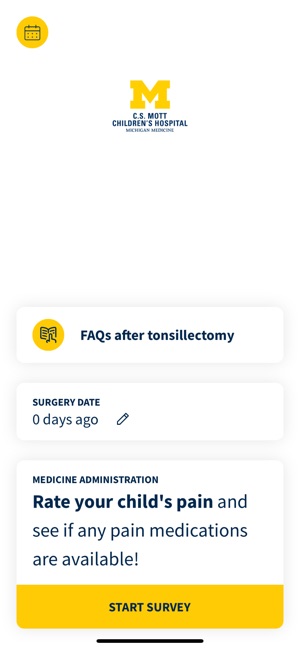
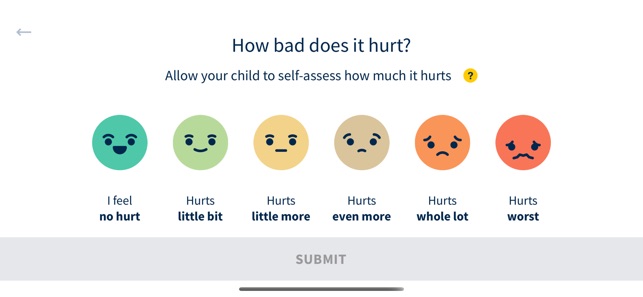
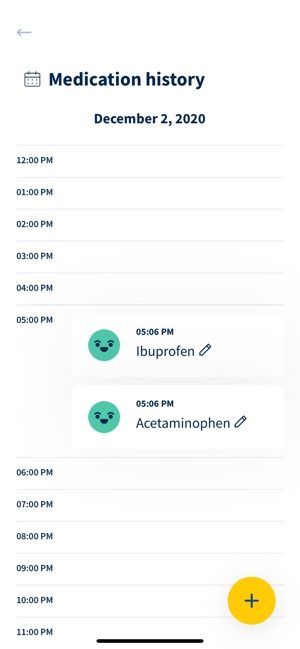
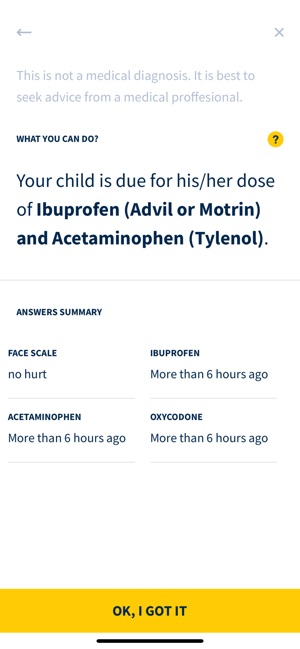
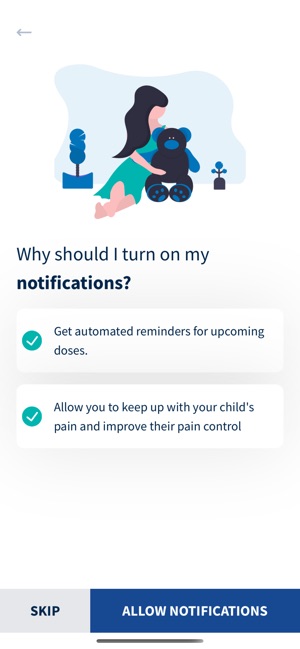
MOTT ENT Post-op Tonsillectomy screenshot 1 of 13MOTT ENT Post-op Tonsillectomy screenshot 2 of 13MOTT ENT Post-op Tonsillectomy screenshot 3 of 13MOTT ENT Post-op Tonsillectomy screenshot 4 of 13MOTT ENT Post-op Tonsillectomy screenshot 5 of 13MOTT ENT Post-op Tonsillectomy screenshot 6 of 13MOTT ENT Post-op Tonsillectomy screenshot 7 of 13MOTT ENT Post-op Tonsillectomy screenshot 8 of 13MOTT ENT Post-op Tonsillectomy screenshot 9 of 13MOTT ENT Post-op Tonsillectomy screenshot 10 of 13MOTT ENT Post-op Tonsillectomy screenshot 11 of 13MOTT ENT Post-op Tonsillectomy screenshot 12 of 13MOTT ENT Post-op Tonsillectomy screenshot 13 of 13

Detailed Description

Functionality & Mechanism

Developed at the University of Michigan Mott Otolaryngology clinic, this application delivers postoperative guidance to caregivers of pediatric tonsillectomy patients. The system provides a menu-driven interface to access information on common recovery concerns, including pain management, diet, bleeding, and throat appearance. The interface presents anticipatory guidance, personalized pain medication regimens, and visual aids to reinforce clinical instructions. The platform also integrates direct access to clinic contact information to facilitate communication when necessary.

Evidence & Research Context

  • A preliminary pilot study (N=53 caregivers) at a single pediatric hospital evaluated the app's usability and acceptance against standard paper-based instructions.
  • Among caregivers who used the app (n=36), 89% reported a preference for the digital format over traditional paper-based instructions.
  • Compared to the paper instruction cohort, a significantly greater proportion of app users rated the tool as "very helpful" and "very easy to use."
  • Caregivers using the app referenced the instructions more frequently and made proportionally fewer calls to the clinic regarding postoperative concerns.

Intended Use & Scope

This application is designed for caregivers of pediatric patients as an adjunct resource for managing post-tonsillectomy recovery. It provides standardized, on-demand guidance to reinforce discharge instructions and assist in routine care decisions. The tool is not a substitute for direct medical evaluation and does not manage emergencies; caregivers must contact a clinician for urgent concerns.

Studies & Publications

1 publication

Peer-reviewed research associated with this app.

Pilot/Feasibility Study

Assessment of Application-Driven Postoperative Care in the Pediatric Tonsillectomy Population: A Survey-Based Pilot Study

Ali et al. (2019) · JAMA Otolaryngology-Head & Neck Surgery

Feasibility confirmed with 68% of families downloading the app for postoperative instructions.

Smart device–based applications (apps) are enjoying an exponential increase in productivity and usability.1,2 Health care has fallen behind in incorporating smartphone technology in communication and education with patients. At our institution, parents receive postoperative instructions in the form of a paper pamphlet. The usefulness of disseminating postoperative information via paper instructions has not been studied. It is our hypothesis that the practice of paper instructions could be improved and that parents would prefer information relayed via a smartphone format. Methods This study was approved by the University of Michigan institutional review board (approval IRB HUM00124899), and all parents or caregivers provided their verbal consent. The study population included parents and caregivers of children who underwent tonsillectomy at a single-center tertiary pediatric hospital. In phase 1, we administered a telephone survey 3 weeks postoperatively to evaluate the paper instructions. In phase 2, the app was developed for Android and iPhone operating system (iOS)-compatible devices and introduced (Figure 1); a survey was subsequently again administered. Most of the statistical variables were descriptive. We used the Wilson method for calculating absolute differences and 95% confidence intervals (CIs). Figure 1. Representative Application Screenshots View LargeDownload Representative Application Screenshots(opens in new tab) A, Application homepage. B, Introductory screen with "pain or pain medications" selection highlighted. C, Secondary screen with "child having a lot of pain…" selection highlighted. D, "Child having a lot of pain…" information page. E, Introductory screen with "appearance of throat" selection highlighted. F, "Appearance of throat" information page. Results For phase 1, 158 families were contacted, and data were collected from 64 families. For phase 2, data were collected from 53 families via 100 telephone calls, among which 36 (68%) families used the app, and 32 (89%) preferred the app to traditional paper instructions. For the remaining 17 families, 10 (59%) forgot to download, 4 (24%) did not use any instructions, and 3 (18%) did not download for miscellaneous reasons. Twenty families (31%) from phase 1 called the clinic to discuss postoperative care, most commonly for pain control (n?=?11, 55%) and poor oral intake (n?=?8, 13%). Seven families (22%) who used the smartphone app called the clinic with questions or concerns. A greater proportion of parents referenced the app more than 3 times vs the paper instructions (absolute difference, 0.36; 95% CI, 0.164-0.515). Ease of use and helpfulness of either modality (Figure 2) were graded on a 5-point scale (1?=?very difficult, 2?=?difficult, 3?=?neutral, 4?=?easy, and 5?=?very easy). A greater proportion of parents graded the smartphone app as "very helpful" (absolute difference, 0.250; 95% CI, 0.083-0.404) and "very easy to use" (absolute difference, 0.330; 95% CI, 0.172-0.467) vs the paper instructions. Figure 2. Side-by-Side Comparison of Survey Ratings From Paper-Copy and Application Groups View LargeDownload Side-by-Side Comparison of Survey Ratings From Paper-Copy and Application Groups(opens in new tab) Comparison of survey scores for ease of use and helpfulness of each medium. The application received a greater proportion of "very easy to use" (absolute difference, 0.33; 95% CI, 0.172-0.467) and "very helpful" (absolute difference, 0.250; 95% CI, 0.083-0.404) responses. Discussion This study establishes proof of concept that families respond positively to patient-clinician communication via a smartphone medium. Studies thus far have demonstrated efficacy of smartphone apps for teaching purposes, wound-care instructions, and relaying postoperative information.3-6 Phase 1 demonstrated that most families (83%) favored a smartphone medium for relaying postoperative instructions. Phase 2 demonstrated that families in the smartphone cohort more frequently used the instruction and held more favorable impressions of their ease of use and helpfulness. This cohort placed proportionally fewer phone calls, potentially representative of ease of use of finding information. Positive comments from parents who used the app included references to simplicity of format, helpfulness of photographs, and benefit of the instructions being always available for reference. Use rate for the app was approximately 68% (n?=?36). The most common factor in failure to download included forgetfulness (n?=?10), often attributed to the complexity of the postoperative process. Additional factors for nonuse included language and confusion regarding cost of the app. Our findings suggest that families respond positively to patient-clinician communication via a smartphone medium. There is tremendous potential for growth, including creating similar apps for other procedures and expanding on the functionality of the current app platform. Based on the results of this study, such technology would potentially reduce allocation of hospital resources (in the form of emergency department visits or clinic calls), reduce environmental waste, and improve patient satisfaction.
... Read More

MOTT ENT Post-op Tonsillectomy

Free