

NDAWN Inversion
Published in academic literature
App Summary
App Screenshots
Detailed Description
Functionality & Mechanism
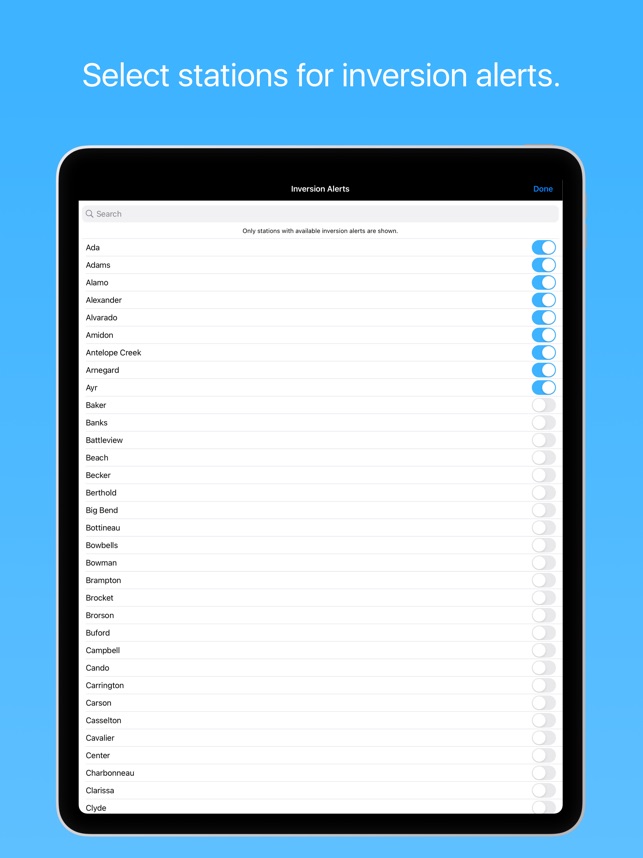
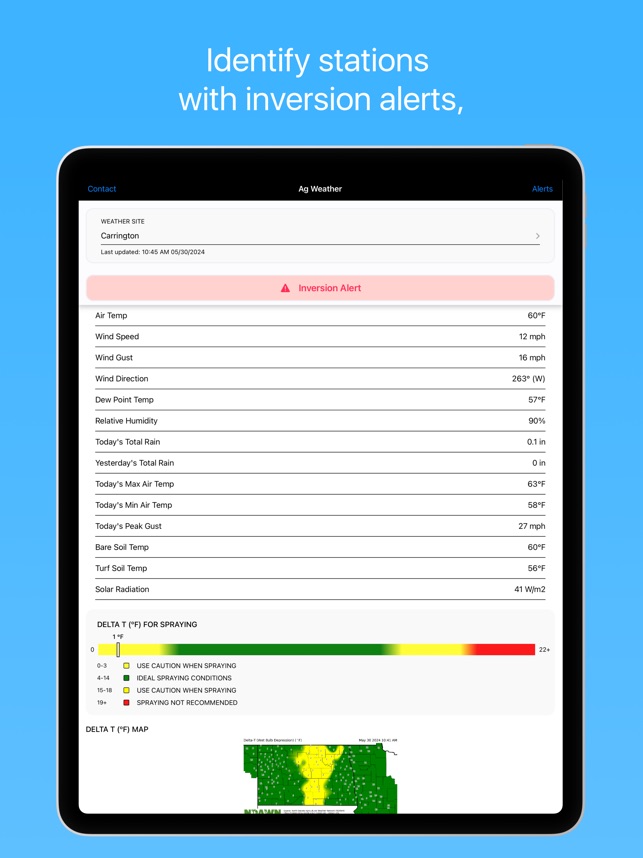
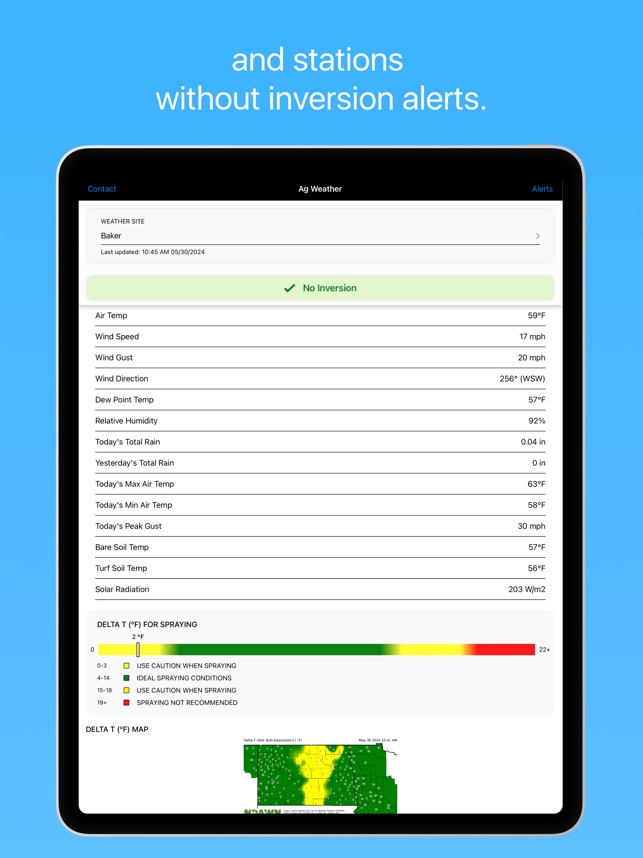
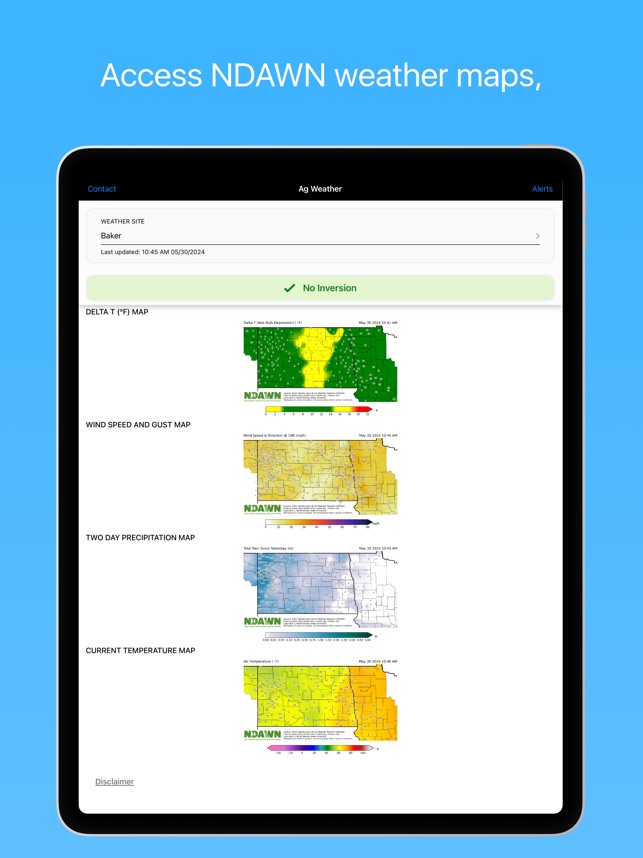
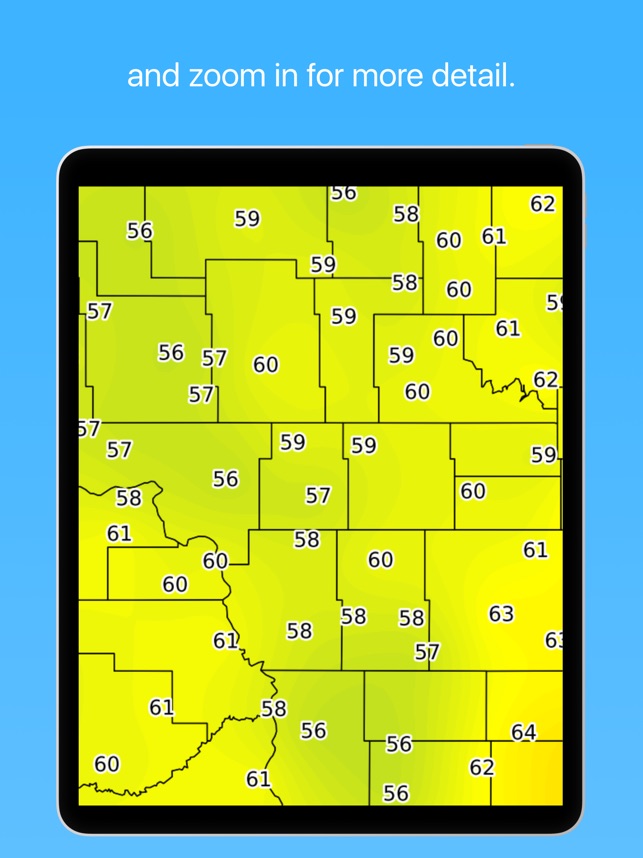
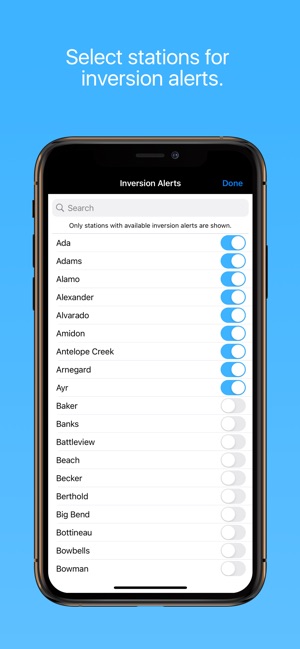
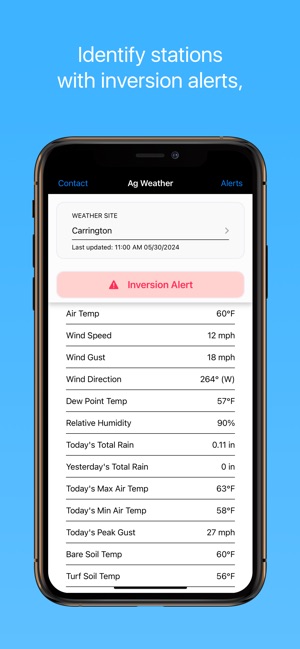
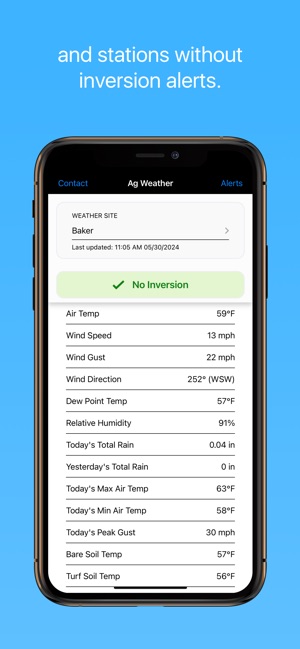
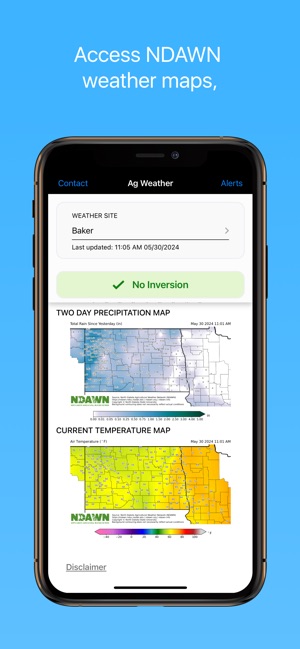
Developed by the North Dakota Agricultural Weather Network (NDAWN), this system provides real-time detection of low-level air temperature inversions. The interface leverages data from NDAWN stations, updated every five minutes, to identify atmospheric stability conditions conducive to spray drift. Upon selecting a monitoring station, the system automatically transmits push notifications to the user when an inversion is detected. These alerts are reissued periodically until conditions are no longer present, facilitating informed decisions regarding pesticide application timing.
Evidence & Research Context
- The app's design is informed by established atmospheric science principles detailed in associated research (AE1705).
- Research describes an air temperature inversion as a stable atmospheric layer where ground-level air is cooler than the air above, which suppresses vertical mixing.
- This atmospheric stability is noted to trap fine pesticide droplets, creating a concentrated cloud that can drift laterally and damage non-target areas.
- The authors emphasize that inversions typically form under clear skies and low wind conditions, making direct atmospheric monitoring critical for pesticide applicators.
Intended Use & Scope
This tool is intended for agricultural producers and pesticide applicators as a decision-support system for mitigating spray drift. Its primary utility is to provide real-time alerts for atmospheric inversion conditions. The system does not replace direct, on-site weather observation or adherence to all pesticide label instructions, which remain the applicator's responsibility.
Studies & Publications
Peer-reviewed research associated with this app.
Air Temperature Inversions Causes, Characteristics and Potential Effects on Pesticide Spray Drift (AE1705 Revised October 2019)
Thostenson et al. (2019) · North Dakota State University Extension
Referenced in academic literature; no direct evaluation of the appApp Information
Developer
North Dakota State UniversityCategory
Evidence Profile
Published in academic literature
Platforms
Updated
Jun 2024
© 2025 North Dakota State University
Tags
Relevant Links
Privacy Policy


NDAWN Inversion
Free