AppsFromResearch
NLM Malaria Screener icon

NLM Malaria Screener

Evidence Tier:CLINICAL GRADE

Validated in clinical trials

For:Researchers & AcademicsClinicians & Healthcare Professionals

App Summary

NLM Malaria Screener is a smartphone-based application that uses machine learning to automatically analyze microscope images of blood smears, assisting researchers and field workers in screening for malaria parasites. A patient-level evaluation study (N=190) in a field environment demonstrated the app achieved 74.1% accuracy in detecting *P. falciparum* malaria compared to expert microscopy. The associated research concludes that the app shows promise as a preliminary screening tool, but its diagnostic performance indicates that positive screens warrant confirmatory testing.

App Screenshots

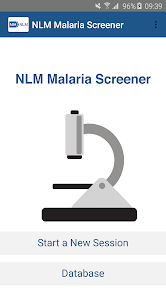
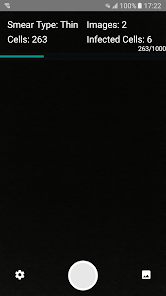
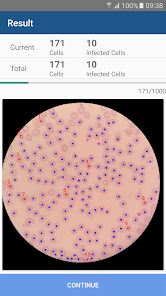
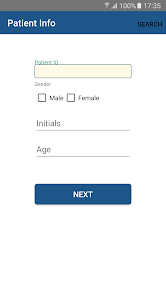
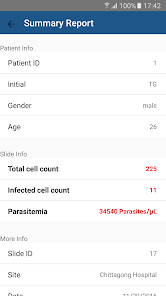
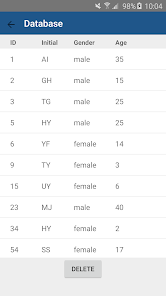
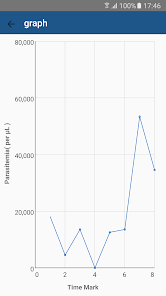
NLM Malaria Screener screenshot 1 of 7NLM Malaria Screener screenshot 2 of 7NLM Malaria Screener screenshot 3 of 7NLM Malaria Screener screenshot 4 of 7NLM Malaria Screener screenshot 5 of 7NLM Malaria Screener screenshot 6 of 7NLM Malaria Screener screenshot 7 of 7

Detailed Description

Functionality & Mechanism Developed by the National Library of Medicine (NLM), this system facilitates automated malaria screening by transforming a smartphone into a diagnostic aid. The platform leverages a smartphone camera affixed to a microscope's eyepiece to acquire high-resolution images of Giemsa-stained blood smears. An integrated machine learning algorithm then analyzes the images to discriminate between infected and uninfected erythrocytes, calculating and reporting parasitemia. Each screening session, lasting approximately 5-15 minutes, concludes with data storage in a local patient database for longitudinal monitoring.

Evidence & Research Context

  • An evaluation study in Sudan (N=190) demonstrated 74.1% accuracy in detecting P. falciparum compared to expert microscopy, meeting WHO Level 3 requirements for parasite detection.
  • A post-study re-analysis of the same cohort using a revised calculation method indicated a potential patient-level accuracy of 91.8%, aligning with WHO Level 1 requirements.
  • In a cross-sectional study of individuals with Sickle Cell Disease, the app achieved 89.5% sensitivity against PCR but demonstrated a lower specificity of 67.4%.

Intended Use & Scope This system is intended for clinicians, laboratory technicians, and field researchers as an adjunct tool for malaria screening in resource-limited settings. Its primary utility is preliminary parasite detection in thick blood smears. The system has not been validated for definitive species identification or quantitative parasite counting, and positive results necessitate confirmatory testing with standard diagnostic methods.

Studies & Publications

3 publications

Peer-reviewed research associated with this app.

Validation Study

Performance of a smartphone-based malaria screener in detecting malaria in people living with Sickle cell disease

Obeng et al. (2025) · PLOS Digital Health

App detected malaria well in sickle cell patients but produced too many false positives, requiring follow-up testing.

Novel automated digital malaria diagnostic tests are being developed with the advancement of diagnostic tools. Whilst these tools are being evaluated and implemented in the general population, there is the need to focus on special populations such as individuals with Sickle Cell Disease (SCD) who have altered red blood cell morphology and atypical immune responses, which can obscure parasite detection. This study aimed to evaluate the diagnostic performance of one of such tools, the National Library of Medicine (NLM) malaria screener app in people living with sickle cell disease in a malaria-endemic country, Ghana. A descriptive cross-sectional study was conducted among SCD patients attending the Sickle Cell Clinic at Korle Bu Teaching Hospital in Accra, Ghana. Following informed consent, whole blood samples were collected and analyzed using the NLM malaria screener app, conventional microscopy, RDT, and Polymerase Chain Reaction (PCR), with PCR as the reference standard. The sensitivity, specificity, positive predictive value (PPV), and negative predictive value (NPV) of each diagnostic method were compared against PCR results. The NLM app identified the highest number of positive malaria cases, with 110 positive cases (36.2%), while both RDT and microscopy reported the highest number of negatives, with 287 negative cases (94.4%). Compared to PCR, the NLM app demonstrated a sensitivity of 89.5% and a specificity of 67.4%. RDT and microscopy displayed the same sensitivity as the NLM app, each achieving 89.5%. However, while RDT and microscopy had a specificity of 100%, the NLM app had a considerably lower specificity of 67.4%.The NLM malaria screener app shows promise as a preliminary screening tool for malaria in individuals with SCD. However, its lower specificity indicates a need for confirmatory testing to avoid potential overdiagnosis and mismanagement. Enhancements in the app's specificity could further support its utility in rapid and accessible malaria diagnosis for people with SCD, aiding in timely management and treatment.
... Read More
Validation Study

Patient-level performance evaluation of a smartphone-based malaria diagnostic application

Yu et al. (2023) · Malaria Journal

Malaria Screener accurately diagnosed malaria, achieving WHO-recommended accuracy standards.

Microscopic examination is commonly used for malaria diagnosis in the field. However, the lack of well-trained microscopists in malaria-endemic areas impacted the most by the disease is a severe problem. Besides, the examination process is time-consuming and prone to human error. Automated diagnostic systems based on machine learning offer great potential to overcome these problems. This study aims to evaluate Malaria Screener, a smartphone-based application for malaria diagnosis. A total of 190 patients were recruited at two sites in rural areas near Khartoum, Sudan. The Malaria Screener mobile application was deployed to screen Giemsa-stained blood smears. Both expert microscopy and nested PCR were performed to use as reference standards. First, Malaria Screener was evaluated using the two reference standards. Then, during post-study experiments, the evaluation was repeated for a newly developed algorithm, PlasmodiumVF-Net. Malaria Screener reached 74.1% (95% CI 63.5–83.0) accuracy in detecting Plasmodium falciparum malaria using expert microscopy as the reference after a threshold calibration. It reached 71.8% (95% CI 61.0–81.0) accuracy when compared with PCR. The achieved accuracies meet the WHO Level 3 requirement for parasite detection. The processing time for each smear varies from 5 to 15 min, depending on the concentration of white blood cells (WBCs). In the post-study experiment, Malaria Screener reached 91.8% (95% CI 83.8–96.6) accuracy when patient-level results were calculated with a different method. This accuracy meets the WHO Level 1 requirement for parasite detection. In addition, PlasmodiumVF-Net, a newly developed algorithm, reached 83.1% (95% CI 77.0–88.1) accuracy when compared with expert microscopy and 81.0% (95% CI 74.6–86.3) accuracy when compared with PCR, reaching the WHO Level 2 requirement for detecting both Plasmodium falciparum and Plasmodium vivax malaria, without using the testing sites data for training or calibration. Results reported for both Malaria Screener and PlasmodiumVF-Net used thick smears for diagnosis. In this paper, both systems were not assessed in species identification and parasite counting, which are still under development. Malaria Screener showed the potential to be deployed in resource-limited areas to facilitate routine malaria screening. It is the first smartphone-based system for malaria diagnosis evaluated on the patient-level in a natural field environment. Thus, the results in the field reported here can serve as a reference for future studies.
... Read More

NLM Malaria Screener

Free