
AppsFromResearch
OHSU MViPS icon

OHSU MViPS

Evidence Tier:VALIDATED

Proven effective in research studies · Supported by multiple studies

For:Clinicians & Healthcare ProfessionalsStudents

App Summary

OHSU MViPS is a clinical reference tool that provides surgeons and medical teams with access to standardized perioperative protocols from the Minimizing Variance in Pediatric Surgery (MViPS) program. A large cohort study (N=1081) evaluating the MViPS initiative found that using these protocols was associated with a 23% shorter length of stay and 10% lower total hospital costs while maintaining similar complication rates. The associated research concludes that these findings support the value of standardized protocols in improving the efficiency and outcomes of pediatric surgical care across institutions.

App Screenshots

OHSU MViPS screenshot 1 of 4OHSU MViPS screenshot 2 of 4OHSU MViPS screenshot 3 of 4OHSU MViPS screenshot 4 of 4

Detailed Description

Functionality & Mechanism

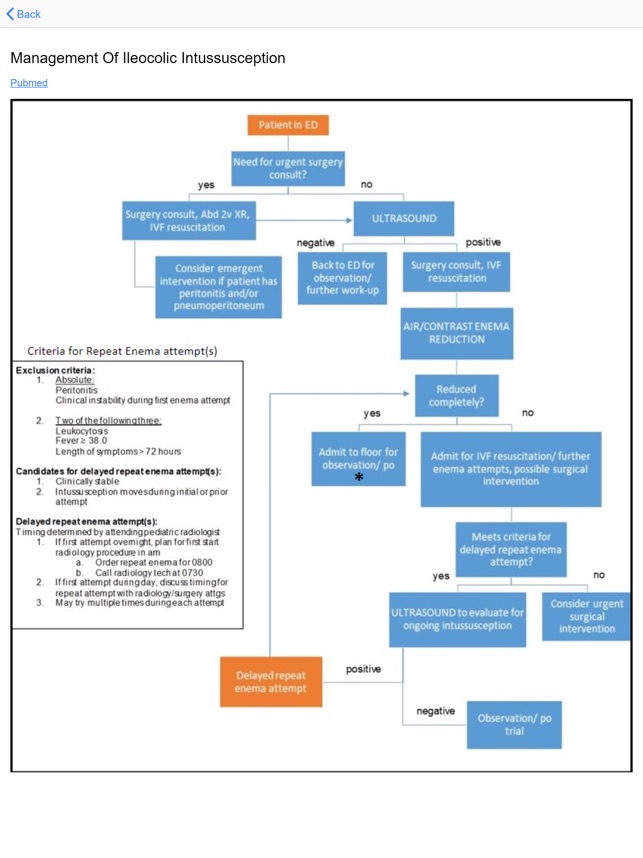
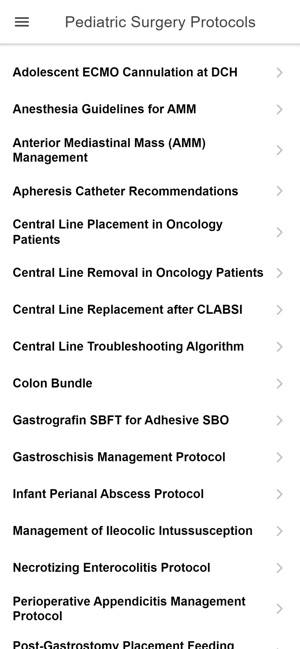
Developed by Oregon Health & Science University, OHSU MViPS is a clinical reference system that provides access to standardized protocols from the Minimizing Variance in Pediatric Surgery program. The interface facilitates retrieval of evidence-based perioperative pathways for a range of pediatric surgical conditions. By centralizing these guidelines, the system is designed to reduce practice variation and promote consistent, high-quality care. It also provides direct links to the supporting published research for each protocol.

Evidence & Research Context

  • A multi-institution cohort study (N=1081) evaluating the MViPS program found that protocol implementation was associated with a 23% shorter length of stay and a 10% reduction in total hospital costs, with no change in complication rates.
  • A retrospective study (N=145) on a perioperative colon bundle demonstrated a significant decrease in superficial surgical site infections (21% to 8%) and readmissions (16% to 4%) post-implementation.
  • In a two-center study (N=106) of a protocol for pediatric blunt solid organ injury, significant reductions were observed in hospital stay (4.6 vs. 3.5 days) and ICU stay (1.9 vs. 1.0 days).
  • Implementation of a standardized gastrostomy protocol (N=65) was associated with a shorter length of stay while maintaining similar patient complication rates across treatment groups.

Intended Use & Scope

The OHSU MViPS system is intended for pediatric surgeons, trainees, and affiliated clinicians as a point-of-care reference tool for practice standardization. Its primary utility is to facilitate the adoption of evidence-based perioperative protocols. This tool does not supplant clinical judgment, which is required to appropriately apply protocols to individual patient cases.

Studies & Publications

4 publications

Peer-reviewed research associated with this app.

Effectiveness/Outcome Study

Standardized Perioperative Protocols and Variance in Pediatric Surgery

Selesner et al. (2025) · JAMA Surgery

Achieved 23% shorter hospital stays with similar complication rates across multiple procedures.

ImportanceStandardized perioperative pathways are increasingly used in surgery to reduce unwarranted variation, promote evidence-based practice, and improve patient outcomes, yet pediatric implementation has lagged, with most studies focused on single conditions or institutions. Broader evaluation of multiprotocol, multi-institution initiatives is needed.ObjectiveTo evaluate the association of the Minimizing Variance in Pediatric Surgery (MViPS) program with clinical outcomes, length of stay (LOS), and cost.Design, Setting, and ParticipantsThis cohort study was conducted from October 2012 to November 2021 at 2 academic pediatric tertiary referral centers in Oregon. Data analysis was completed in May 2024. Pediatric surgery patients treated for protocol-specified conditions or procedures, with age cutoffs varying by protocol (typically <18 years). Exclusions included failure to meet protocol criteria, nonpediatric surgery management, and insufficient documentation.InterventionImplementation of standardized perioperative protocols targeting a range of pediatric surgical conditions.Main Outcomes and MeasuresOutcomes included LOS, total hospital costs (THC), complications, and protocol compliance. LOS was characterized as study LOS, defined as postprocedure LOS for patients who underwent a procedure and total hospital stay for those who did not, and total LOS, representing the entire period of hospitalization. Hospital days and cost differences were calculated from total LOS and THC.ResultsA total of 1081 pediatric surgery patients were included (519 postprotocol and 562 preprotocol; median [IQR] age, 3 [0-10] years; 668 [62%] male). No significant demographic differences were found between preprotocol and postprotocol groups. Protocol compliance was 82% (426/519). Complication rates were similar between groups, but study LOS was 23% shorter in the postprotocol group (incidence rate ratio [IRR], 1.23; 95% CI, 1.11-1.38; P < .001), with a reduction of an estimated 191 hospital days. THC was 10% lower in the postprotocol group (IRR, 1.10; 95% CI, 1.01-1.20; P = .03), with an estimated reduction of $266 709. Extrapolation to 3167 patients treated according to protocol since the end of the study (up to April 2024) reveals an estimated reduction of $2 236 583 and 1584 hospital days.Conclusions and RelevanceIn this study, the MViPS initiative was associated with reduced THC and LOS while maintaining outcomes. These findings support the value of standardized protocols in improving pediatric surgical outcomes and efficiency across institutions.
... Read More
Effectiveness/Outcome Study

Minimizing variance in pediatric surgical care through implementation of a perioperative colon bundle: A multi-institution retrospective cohort study

Cunningham et al. (2020) · Journal of Pediatric Surgery

Reduced surgical site infections and readmissions after colorectal procedures.

Background: Employing an institutional initiative to minimize variance in pediatric surgical care, we implemented a set of perioperative bundled interventions for all colorectal procedures to reduce surgical site infections (SSIs). Methods: Implementation of a standard colon bundle at two children's hospitals began in December 2014. Subjects who underwent a colorectal procedure during the study period were analyzed. Demographics, outcomes, and complications were compared with Wilcoxon Rank-Sum, Chi-square and Fisher exact tests, as appropriate. Multivariable logistic regression was performed to assess the influence of time period (independent of protocol implementation) on the rate of subsequent infection. Results: One hundred and forty-five patients were identified (preprotocol=68, postprotocol=77). Gender, diagnosis, procedure performed and wound classification were similar between groups. Superficial SSI rates declined from 11.8% to 2.6% (p=0.03) after protocol implementation. Organ space SSI rate and overall complication rate were not significantly different between groups. Multivariable logistic regression demonstrated that the reduction in superficial SSI was not explained by time period alone. Length of stay and cost were similar between groups. Conclusion: Implementation of a standard pediatric perioperative colon bundle can reduce superficial SSIs. Larger prospective studies are needed to evaluate the impact of colon bundles in reducing complications, hospital stay and cost. Level of evidence: III - Retrospective cohort study.
... Read More

OHSU MViPS

Free