

Pain Buddy
Validated in clinical trials
App Summary
App Screenshots
Detailed Description
Functionality & Mechanism
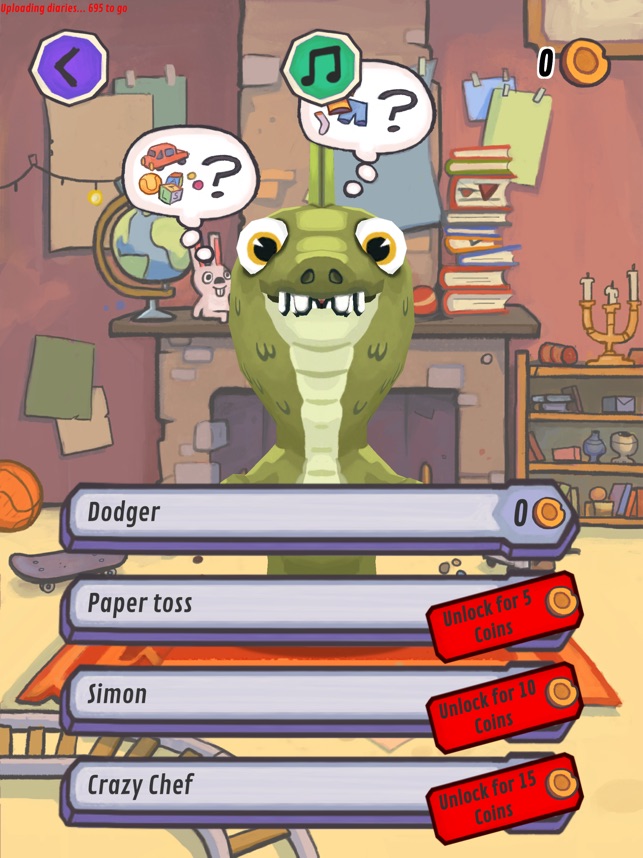
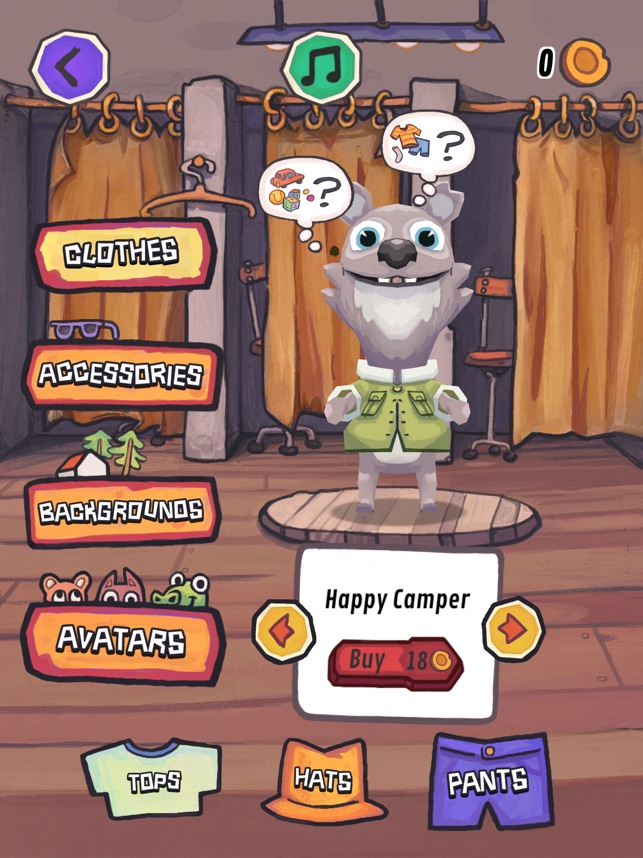
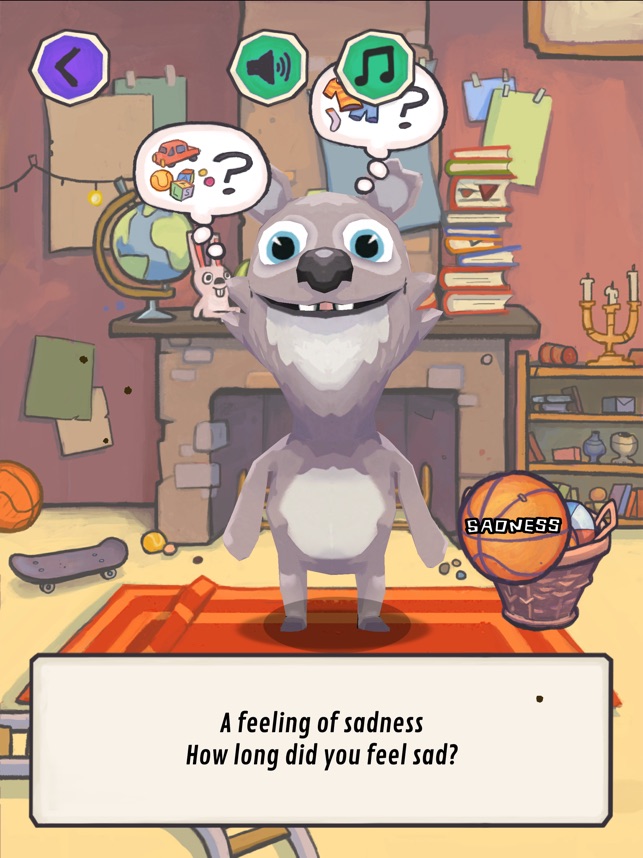
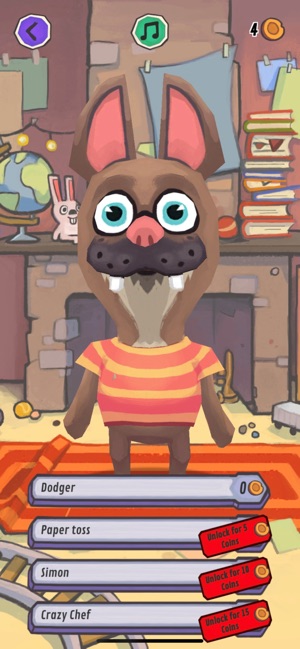
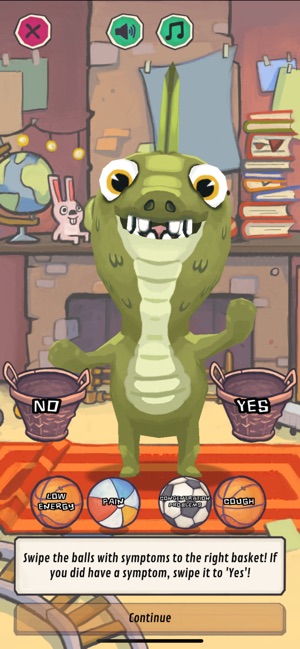
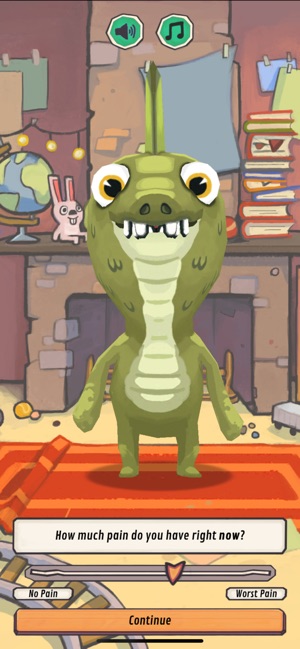
Developed at the University of California, Irvine, Pain Buddy is an mHealth system for pediatric oncology. The application's interface utilizes an animated avatar to capture daily reports on pain, symptoms, and management strategies. The system integrates a gamified incentive structure, rewarding diary completion with virtual currency for in-app games and avatar customizations. For intervention arms of clinical studies, the platform also delivers cognitive behavioral skills training and facilitates remote symptom monitoring, which can trigger alerts to providers for clinically significant events.
Evidence & Research Context
- A randomized controlled trial (N=48) evaluated the system over 60 days in children undergoing cancer treatment to assess its impact on pain.
- While both intervention and control groups experienced reduced average daily pain, the intervention group reported significantly fewer instances of moderate to severe pain (p=0.007).
- By the end of the study period, the intervention group, which received remote monitoring and skills training, reported no instances of moderate to severe pain.
- An earlier preliminary pilot study (N=12) demonstrated high user satisfaction and confirmed the system's feasibility for capturing clinically relevant symptom data.
Intended Use & Scope
This system is designed for children and adolescents (ages 8-18) with cancer as an adjunct tool for symptom management within a clinical or research setting. Its primary utility is to facilitate longitudinal symptom tracking and deliver skills-based training. Pain Buddy does not provide medical advice and is not a substitute for direct consultation with a healthcare provider or emergency services.
Studies & Publications
Peer-reviewed research associated with this app.
A pilot study of the preliminary efficacy of Pain Buddy: A novel intervention for the management of children's cancer-related pain
Hunter et al. (2020) · Pediatric Blood & Cancer
Reduced instances of moderate-to-severe pain but did not reduce overall pain more than control.
Pain buddy: A novel use of m-health in the management of children's cancer pain
Fortier et al. (2017) · Computers in Biology and Medicine
Feasibility confirmed — high satisfaction with remote pain monitoring in children with cancer.
In the Media
Study determines that Pain Buddy app may aid in reduction of pain severity
Dr. Michelle A. Fortier, a CHOC pediatric psychologist and UC Irvine faculty member, developed Pain Buddy to help reduce pain severity in children during cancer treatment, using a kid-friendly interface with cartoon avatars and colorful backgrounds. A pilot study of 48 children ages 8-18 published in Pediatric Blood & Cancer found that Pain Buddy may be especially beneficial for children with high pain levels, with Dr. Lilibeth Torno noting that "pain management is an important part of cancer survivorship, and I think Pain Buddy's potential for use is very broad." Comprehensive research tracking 206 children across multiple sites is ongoing, with results expected in three years.
Pain Buddy app may help reduce pain severity, study shows
CHOC pediatric psychologist Michelle A. Fortier developed Pain Buddy to address gaps in pain management for children with cancer at home, using a kid-friendly app that allows real-time pain reporting to doctors. A pilot study of 48 children published in Pediatric Blood & Cancer found that Pain Buddy may aid in reducing pain severity during cancer treatment, with particular benefits for children experiencing high pain levels. "Pain management is an important part of cancer survivorship, and I think Pain Buddy's potential for use is very broad," says pediatric oncologist Dr. Lilibeth Torno.
App Information
Developer
University of California, IrvineCategory
Evidence Profile
Validated in clinical trials
Platforms
Updated
Mar 2025
© 2025 University of California, Irvine
Tags
Relevant Links
Privacy Policy


Pain Buddy
Free