AppsFromResearch
PainTrek icon

PainTrek

Evidence Tier:CLINICAL GRADE

Validated in clinical trials · Supported by multiple studies

For:Researchers & AcademicsClinicians & Healthcare ProfessionalsPatients & Caregivers

App Summary

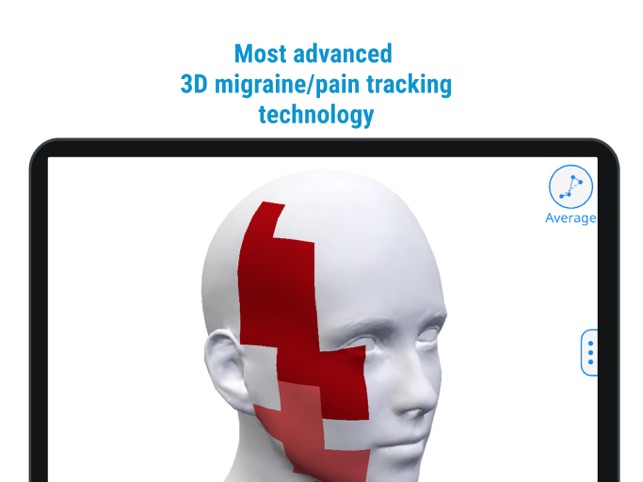
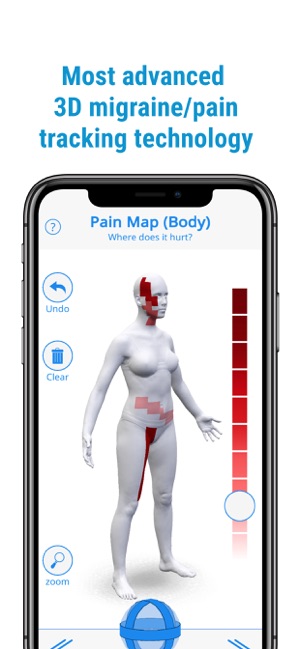
PainTrek is a mobile app designed for patients, clinicians, and researchers to precisely map and track the sensory-discriminative qualities of pain and related symptoms on a 3D body model. A validation study demonstrated that the app's composite pain score is a more reliable and sensitive measure over time than the traditional Visual Analog Scale (VAS), and is less influenced by patient mood. The associated research concludes that the app provides a more precise tool for analyzing pain and treatment response, potentially reducing the sample sizes required for clinical trials.

App Screenshots

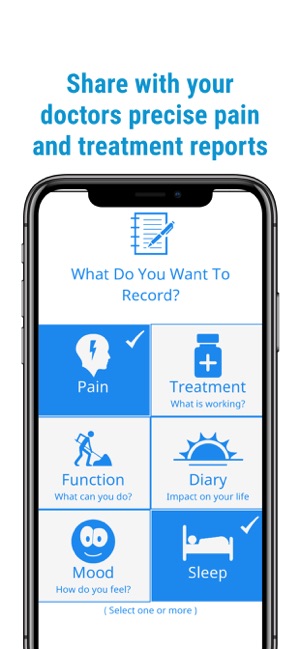
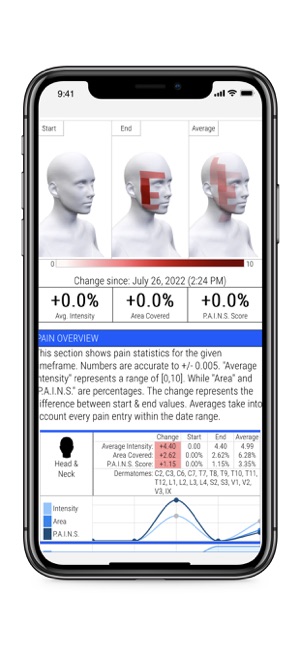
PainTrek screenshot 1 of 16PainTrek screenshot 2 of 16PainTrek screenshot 3 of 16PainTrek screenshot 4 of 16PainTrek screenshot 5 of 16PainTrek screenshot 6 of 16PainTrek screenshot 7 of 16PainTrek screenshot 8 of 16PainTrek screenshot 9 of 16PainTrek screenshot 10 of 16PainTrek screenshot 11 of 16PainTrek screenshot 12 of 16PainTrek screenshot 13 of 16PainTrek screenshot 14 of 16PainTrek screenshot 15 of 16PainTrek screenshot 16 of 16

Detailed Description

Functionality & Mechanism

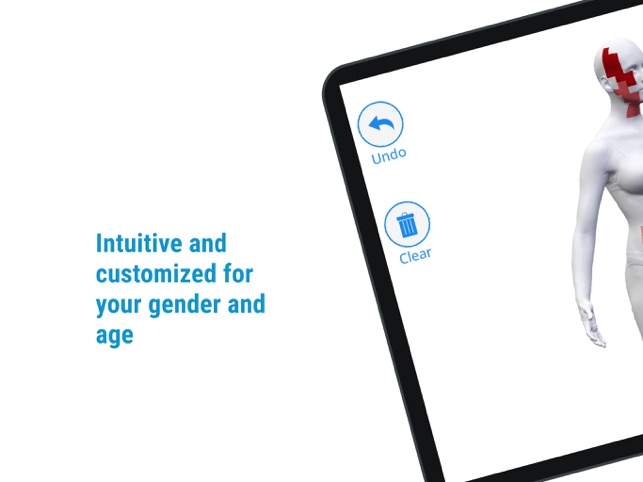
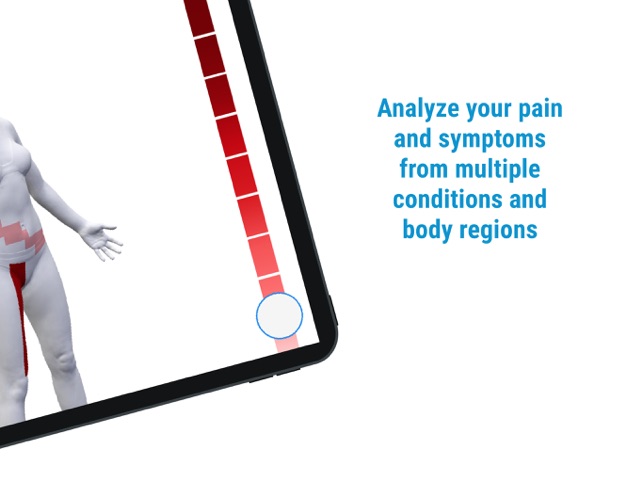
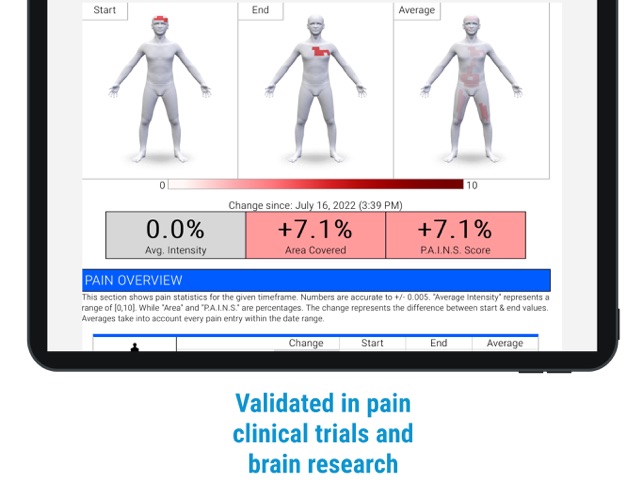
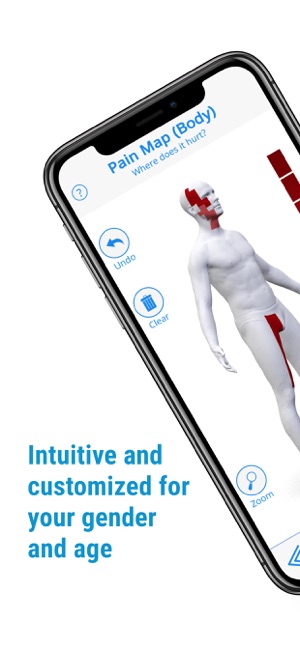
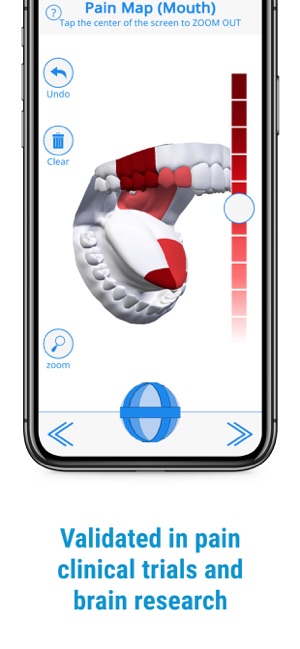
Developed by the H.O.P.E. laboratory at the University of Michigan, PainTrek facilitates high-resolution, longitudinal pain assessment. The system's core interface is a multi-vector, rotational 3D human body model, enabling precise geospatial mapping of pain location, area, and intensity. Sessions involve selecting body regions, assigning validated pain scores, and documenting associated symptoms and triggers. The platform aggregates this data over time, generating shareable, multi-format reports for clinical review or research analysis.

Evidence & Research Context

  • A validation study (N=24) of the app's measurement system in patients with temporomandibular disorder (TMD) demonstrated robust long-term reliability (autocorrelations 0.7-0.8) compared to the traditional visual analog scale (VAS) (0.3-0.6).
  • The system's composite pain score (PAINS) showed a larger effect size (0.51-0.60 SD) than VAS (0.35 SD), indicating greater sensitivity for detecting treatment effects in clinical trials.
  • The study found the app's sensory-discriminative metrics were not significantly influenced by patient mood, in contrast to VAS, which demonstrated a strong correlation with affect scores.
  • The app has been successfully utilized as a primary data collection tool in a neuromodulation trial for chronic TMD, capturing significant changes in sectional pain metrics post-intervention.

Intended Use & Scope

Designed for researchers, clinicians, and patients, this tool serves as a high-resolution instrument for longitudinal pain monitoring and data collection in clinical or research settings. Its primary utility is for detailed tracking of complex pain conditions. The system is an assessment aid and does not provide diagnostic outputs or treatment recommendations; professional clinical consultation is required.

Studies & Publications

4 publications

Peer-reviewed research associated with this app.

RCT

Effect of High-Definition Transcranial Direct Current Stimulation on Headache Severity and Central µ-Opioid Receptor Availability in Episodic Migraine

Silva et al. (2023) · Journal of Pain Research

Showed no overall benefit but improved headache outcomes in higher-frequency migraine patients.

Objective: The current understanding of utilizing HD-tDCS as a targeted approach to improve headache attacks and modulate endogenous opioid systems in episodic migraine is relatively limited. This study aimed to determine whether high-definition transcranial direct current stimulation (HD-tDCS) over the primary motor cortex (M1) can improve clinical outcomes and endogenous ?-opioid receptor (?OR) availability for episodic migraineurs. Methods: In a randomized, double-blind, and sham-controlled trial, 25 patients completed 10-daily 20-min M1 HD-tDCS, repeated Positron Emission Tomography (PET) scans with a selective agonist for ?OR. Twelve age- and sex-matched healthy controls participated in the baseline PET/MRI scan without neuromodulation. The primary endpoints were moderate-to-severe (M/S) headache days and responder rate (? 50% reduction on M/S headache days from baseline), and secondary endpoints included the presence of M/S headache intensity and the use of rescue medication over 1-month after treatment. Results: In a one-month follow-up, at initial analysis, both the active and sham groups exhibited no significant differences in their primary outcomes (M/S headache days and responder rates). Similarly, secondary outcomes (M/S headache intensity and the usage of rescue medication) also revealed no significant differences between the two groups. However, subsequent analyses showed that active M1 HD-tDCS, compared to sham, resulted in a more beneficial response predominantly in higher-frequency individuals (> 3 attacks/month), as demonstrated by the interaction between treatment indicator and baseline frequency of migraine attacks on the primary outcomes. These favorable outcomes were also confirmed for the secondary endpoints in higher-frequency patients. Active treatment also resulted in increased ?OR concentration compared to sham in the limbic and descending pain modulatory pathway. Our exploratory mediation analysis suggests that the observed clinical efficacy of HD-tDCS in patients with higher-frequency conditions might be potentially mediated through an increase in ?OR availability. Conclusion: The 10-daily M1 HD-tDCS can improve clinical outcomes in episodic migraineurs with a higher baseline frequency of migraine attacks (> 3 attacks/month). This improvement may be, in part, facilitated by the increase in the endogenous ?OR availability. Clinical Trial Registration: www.ClinicalTrials.gov, identifier - NCT02964741.
... Read More
Validation Study

Sensory-Discriminative Three-Dimensional Body Pain Mobile App Measures Versus Traditional Pain Measurement With a Visual Analog Scale: Validation Study

Kaciroti et al. (2020) · JMIR mHealth and uHealth

App measurements reliably captured pain patterns and showed stronger performance than traditional pain scales.

Background To quantify pain severity in patients and the efficacy treatments, researchers and clinicians apply tools such as the traditional visual analog scale (VAS) that leads to inaccurate interpretation of the main sensory pain. Objective This study aimed to validate the pain measurements of a neuroscience-based 3D body pain mobile app called GeoPain. Methods Patients with temporomandibular disorder (TMD) were assessed using GeoPain measures in comparison to VAS and positive and negative affect schedule (PANAS), pain and mood scales, respectively. Principal component analysis (PCA), scatter score analysis, Pearson methods, and effect size were used to determine the correlation between GeoPain and VAS measures. Results The PCA resulted in two main orthogonal components: first principal component (PC1) and second principal component (PC2). PC1 comprises a combination score of all GeoPain measures, which had a high internal consistency and clustered together in TMD pain. PC2 included VAS and PANAS. All loading coefficients for GeoPain measures in PC1 were above 0.70, with low loadings for VAS and PANAS. Meanwhile, PC2 was dominated by a VAS and PANAS coefficient >0.4. Repeated measure analysis revealed a strong correlation between the VAS and mood scores from PANAS over time, which might be related to the subjectivity of the VAS measure, whereas sensory-discriminative GeoPain measures, not VAS, demonstrated an association between chronicity and TMD pain in locations spread away from the most commonly reported area or pain epicenter (P=.01). Analysis using VAS did not detect an association at baseline between TMD and chronic pain. The long-term reliability (lag >1 day) was consistently high for the pain area and intensity number summation (PAINS) with lag autocorrelations averaging between 0.7 and 0.8, and greater than the autocorrelations for VAS averaging between 0.3 and 0.6. The combination of higher reliability for PAINS and its objectivity, displayed by the lack of association with PANAS as compared with VAS, indicated that PAINS has better sensitivity and reliability for measuring treatment effect over time for sensory-discriminative pain. The effect sizes for PAINS were larger than those for VAS, consequently requiring smaller sample sizes to assess the analgesic efficacy of treatment if PAINS was used versus VAS. The PAINS effect size was 0.51 SD for both facial sides and 0.60 SD for the right side versus 0.35 SD for VAS. Therefore, the sample size required to detect such effect sizes with 80% power would be n=125 per group for VAS, but as low as n=44 per group for PAINS, which is almost a third of the sample size needed by VAS. Conclusions GeoPain demonstrates precision and reliability as a 3D mobile interface for measuring and analyzing sensory-discriminative aspects of subregional pain in terms of its severity and response to treatment, without being influenced by mood variations from patients.
... Read More

In the Media

PainTrek: A Bold Approach to Chronic Pain Treatment

Dr. Alexandre DaSilva and his colleagues at the University of Michigan developed PainTrek to better track, communicate, and understand chronic pain, integrating neuroimaging and brain stimulation research. Developed with support from U-M's Bold Challenges Initiative and Innovation Partnerships, the app offers patients a nuanced way to report pain and enables physicians to track treatment efficacy. PainTrek addresses the needs of millions of Americans who suffer from chronic pain that limits their productivity and reduces their quality of life.

YoutubeRead article

JMIR mHealth and uHealth - Sensory-Discriminative Three-Dimensional Body Pain Mobile App Measures Versus Traditional Pain Measurement With a Visual Analog Scale: Validation Study

University of Michigan researchers developed PainTrek (originally called GeoPain) to address inaccurate pain interpretation from traditional visual analog scales, using a neuroscience-based 3D body pain mapping approach. The validation study with temporomandibular disorder patients used principal component analysis and correlation methods to compare the app's measurements against traditional VAS and mood scales. The research was published in JMIR mHealth and uHealth in August 2020 through collaboration with multiple institutions including the University of Michigan's Center for Computational Medicine and Bioinformatics.

UmichRead article

Migraine Pain App Wins 1st Place in U-M Tech Challenge

Dr. Alexandre DaSilva from the University of Michigan's School of Dentistry developed PainTrek to help migraine and facial pain sufferers precisely record pain location in real time on mobile devices, collaborating with the University's 3D Lab to win first place in a U-M Mobile Apps Challenge. "For 15 years I have been working to try to better understand the mechanisms in the brain that trigger headaches and facial pain disorders," DaSilva said, explaining how the app applies these mechanisms clinically for real-time monitoring. The free application uses touch screen technology with a three-dimensional head model and geographical coordinates to pinpoint pain location and track symptoms for more effective treatment planning.

UmichRead article

PainTrek

Free