PolliNation ID
Published in academic literature
App Summary
App Screenshots
Detailed Description
Functionality & Mechanism
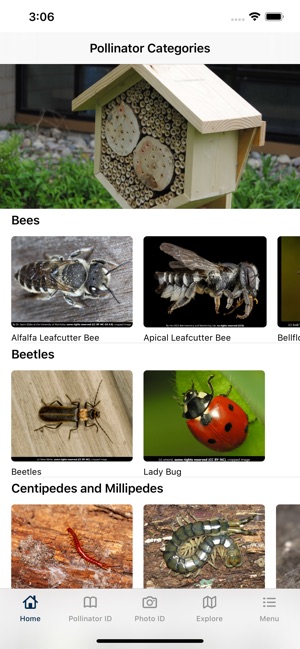
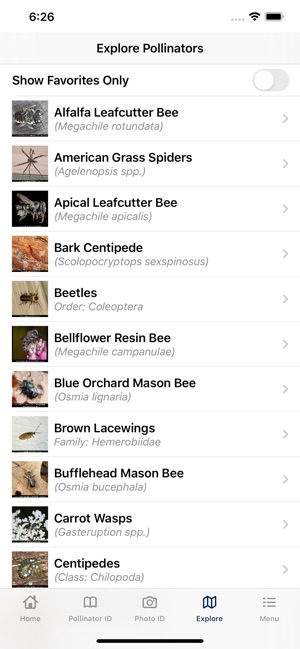
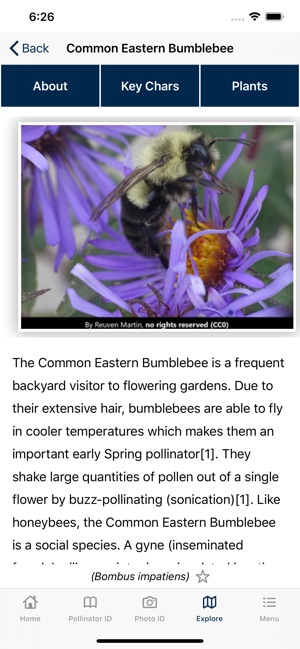
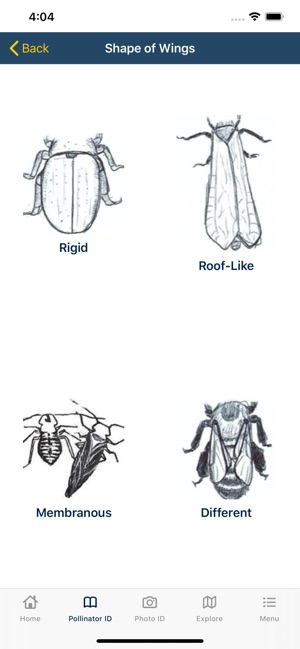
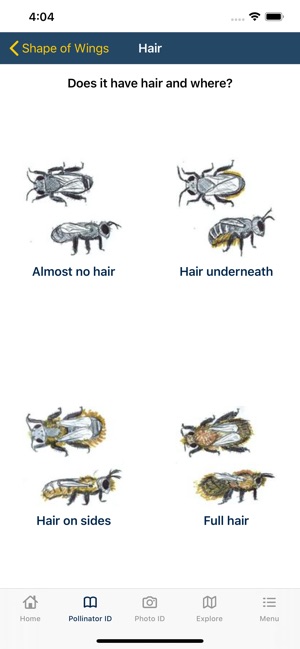
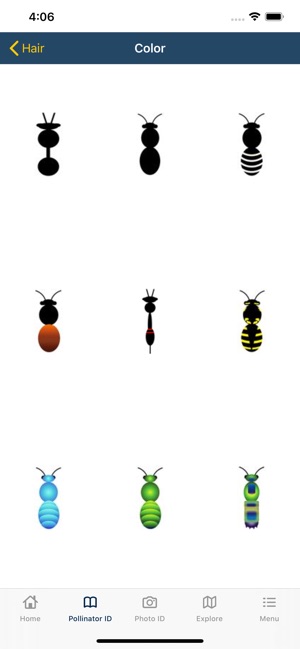
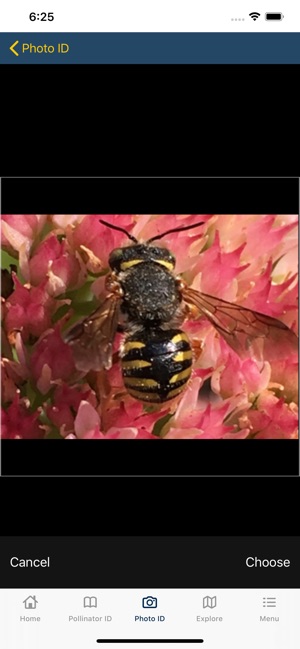
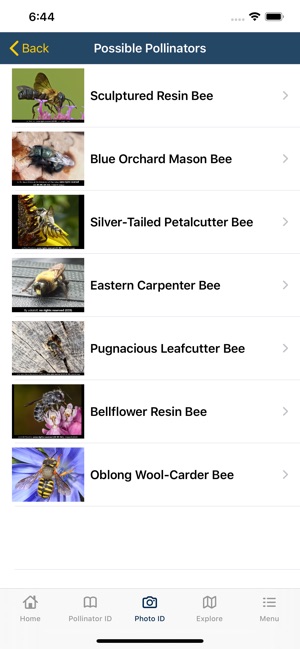
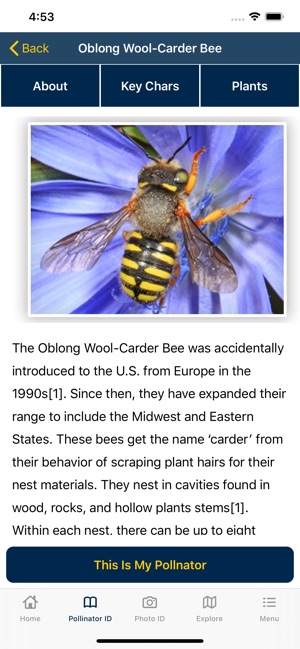
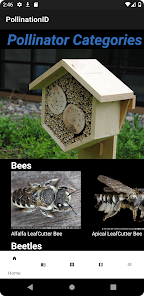
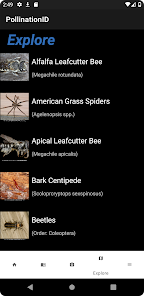
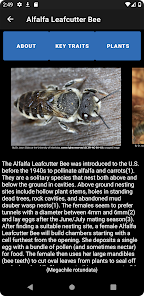
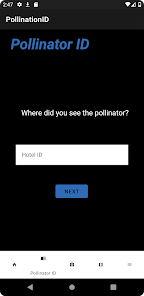
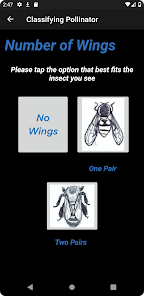
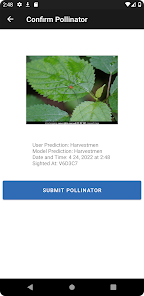
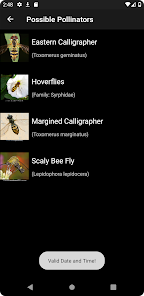
Developed by the University of Michigan-Dearborn, PolliNation ID is a citizen science tool for monitoring native pollinators. The system provides identification guides for common Michigan insect species and delivers pedagogical content on their habits and habitats. The primary mechanism involves image capture of observed pollinators, which the interface facilitates for submission to a central research database. These submissions are then utilized by researchers to map the geographic distribution of critical pollinator populations within the region.
Evidence & Research Context
- The app's methodology aligns with citizen science approaches designed to address significant data gaps in global pollinator population monitoring.
- An analysis of citizen science projects in this domain found that structured methodologies and the inclusion of training components significantly predict the generation of research outputs (Adjusted R²=0.766, p<0.001).
- The system's focus on insect identification and habitat documentation is consistent with over half of established pollinator monitoring initiatives worldwide.
- This regional tool contributes data to the North American context, where the majority of existing pollinator citizen science projects are conducted.
Intended Use & Scope
This tool is intended for the general public, educators, and students participating in citizen science initiatives. Its primary utility is to facilitate public data collection on regional pollinator distribution and to provide educational resources. The app functions as an identification aid for common species; it does not provide definitive taxonomic verification or agricultural recommendations. The data collected is intended for ecological research purposes.
Studies & Publications
Peer-reviewed research associated with this app.
Citizen science in pollinator monitoring: current approaches, challenges and recommendations
Justine et al. (2025) · Oikos
Referenced in academic literature; no direct evaluation of the appIn the Media
PolliNation Project
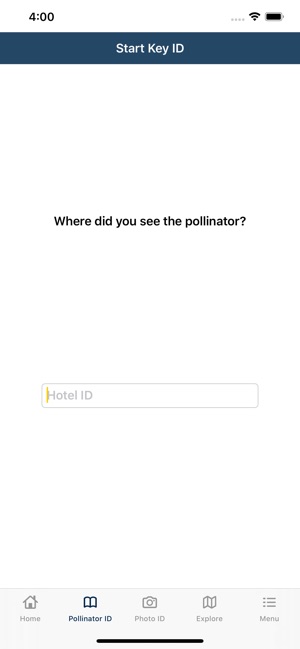
UM-Dearborn students developed PolliNation ID to track which pollinators visit insect hotels, using smartphone technology as part of a campus-wide conservation initiative. The app collected data from over 100 insect hotels during the 2021 and 2022 seasons as part of the broader PolliNation Project addressing the critical decline in pollinator populations.
Affiliate Spotlight: University of Michigan-Dearborn
The University of Michigan-Dearborn became the first public university in Michigan to achieve Bee Campus USA certification in autumn 2019, establishing pollinator habitats including rain gardens and a 1-acre Community Organic Garden dating back to 1970. The university carefully selected native perennial plant species for these gardens "based on a number of factors, with an emphasis on their importance as nectar sources and as hosts for egg laying and rearing of larvae for pollinators." The gardens collectively earned recognition as a certified Monarch Waystation through Monarch Watch, supporting monarch conservation efforts.
Bee City USA & Bee Campus USA Affiliate Spotlight: University of Michigan-Dearborn
The University of Michigan-Dearborn became the first public university in Michigan to achieve Bee Campus USA certification in autumn 2019, building on its long tradition of environmental education that began with establishing a Community Organic Garden in 1970. The university created specialized pollinator habitats including rain gardens and pollinator gardens with carefully selected native perennial plants that serve as nectar sources and host sites for pollinator reproduction. These collective gardens have earned recognition as a certified Monarch Waystation through Monarch Watch, supporting monarch conservation efforts across North America.
App Information
Developer
University of MichiganCategory
Evidence Profile
Published in academic literature
Platforms
Updated
Feb 2021
© 2025 University of Michigan