Project Power
Studied in clinical trials · Mixed evidence
App Summary
App Screenshots
Detailed Description
Functionality & Mechanism
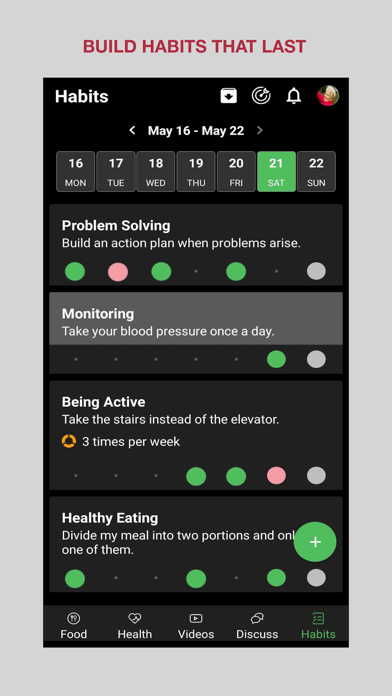
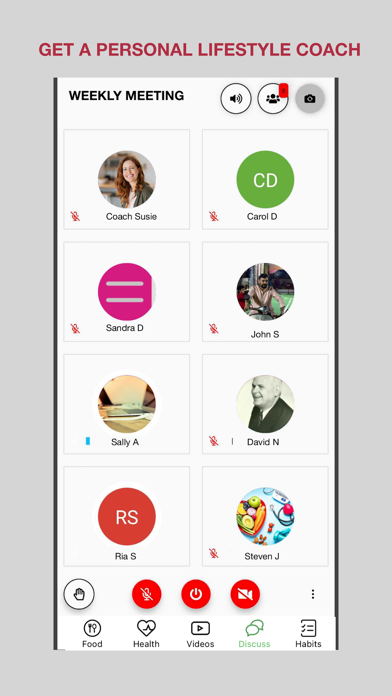
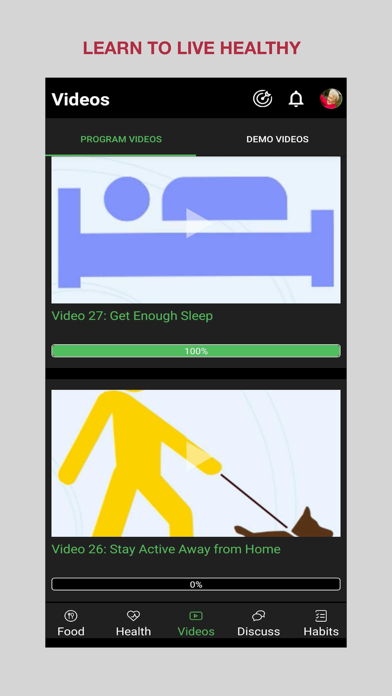
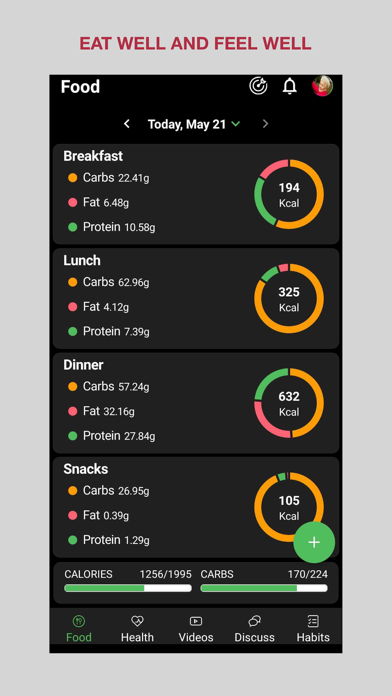
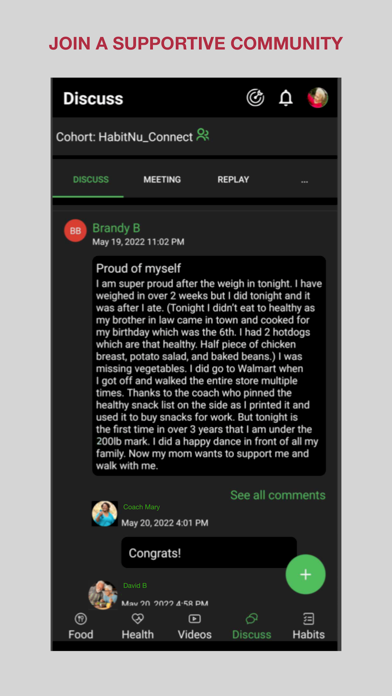
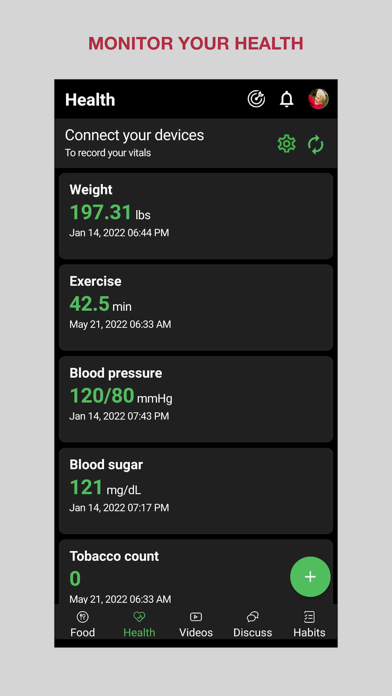
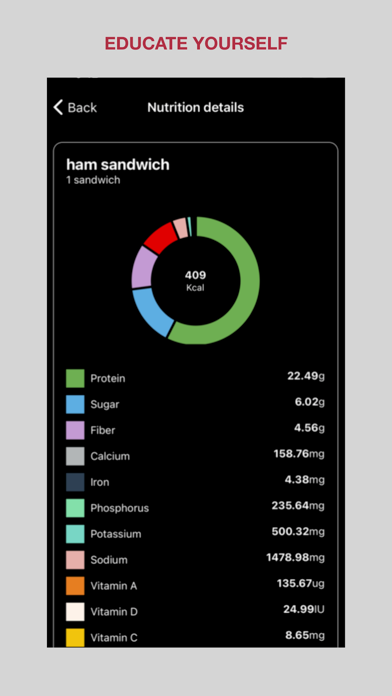
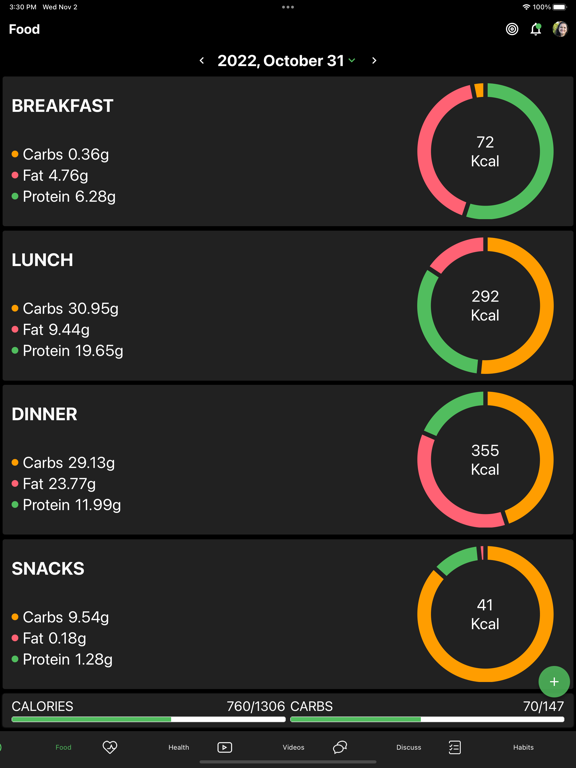
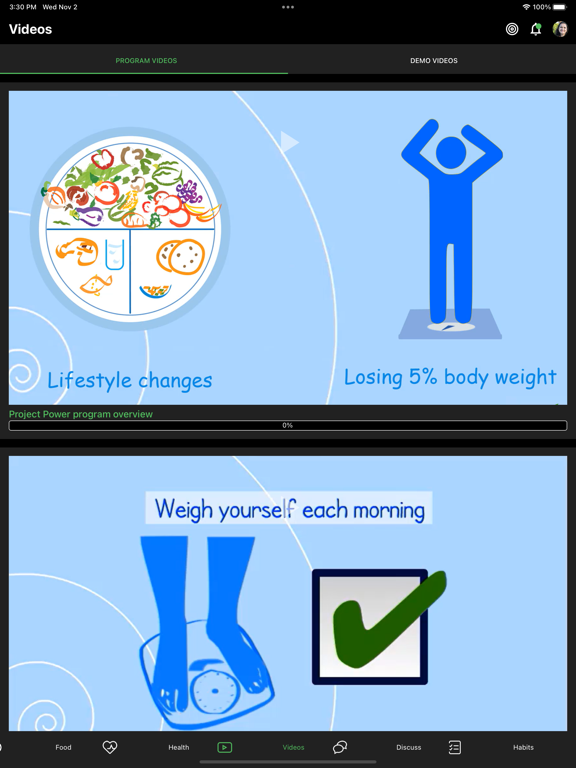
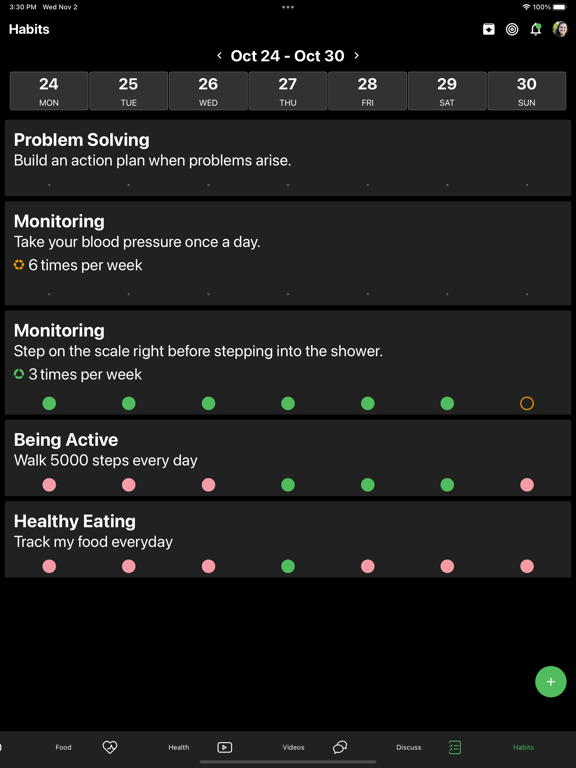
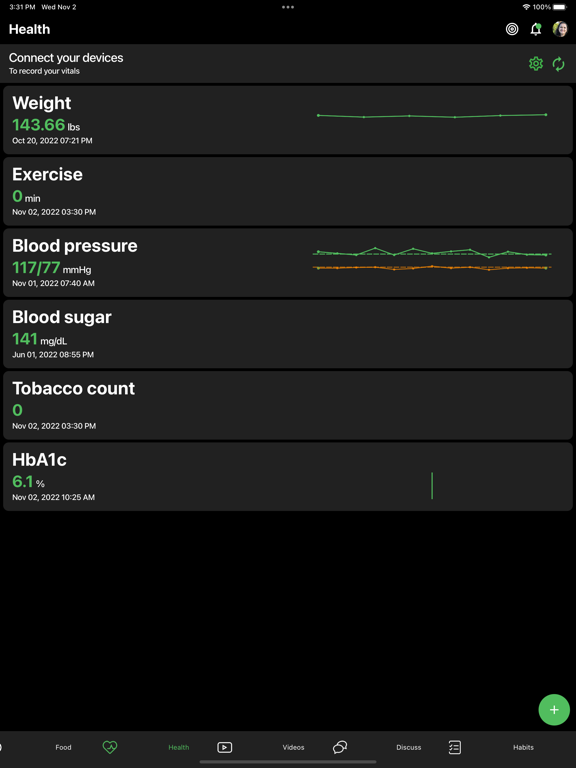
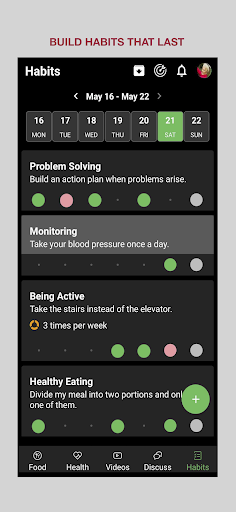
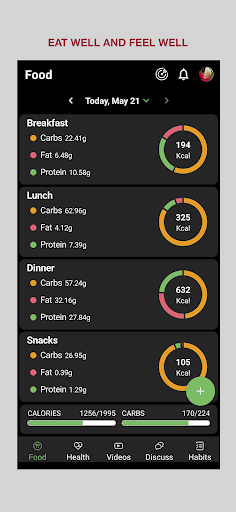
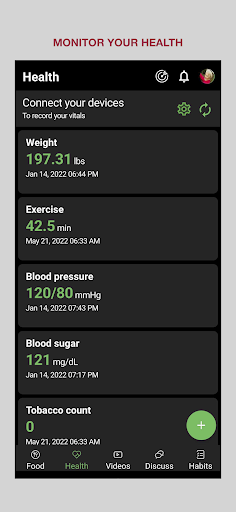
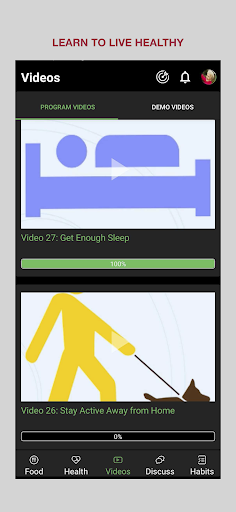
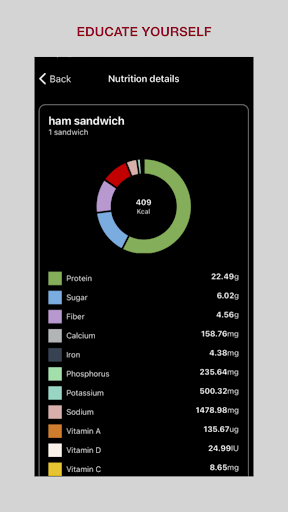
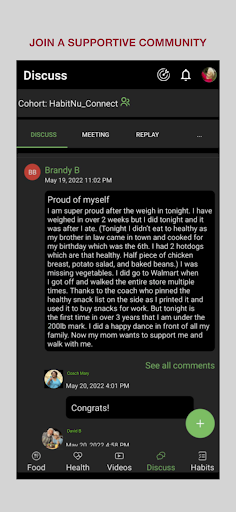
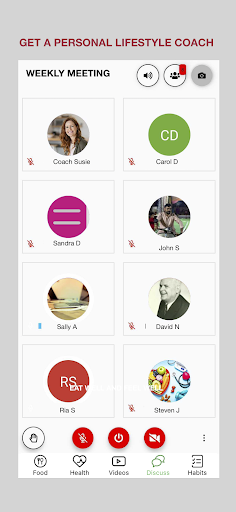
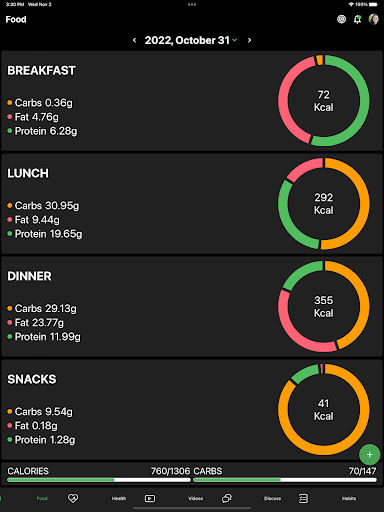
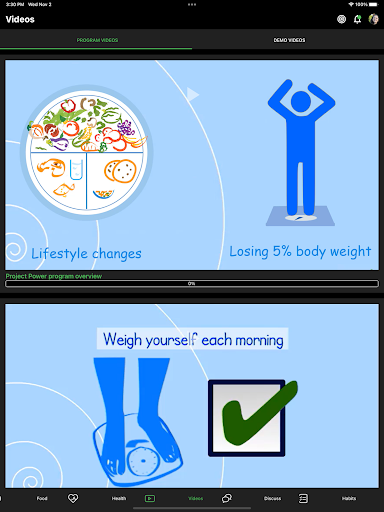
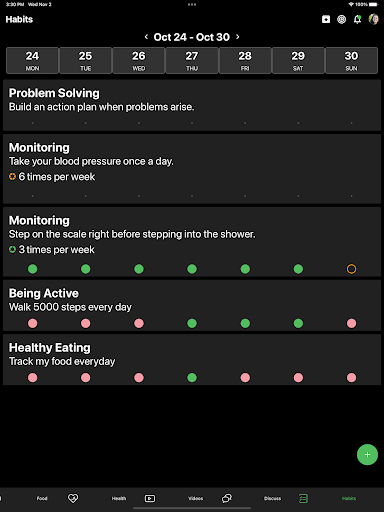
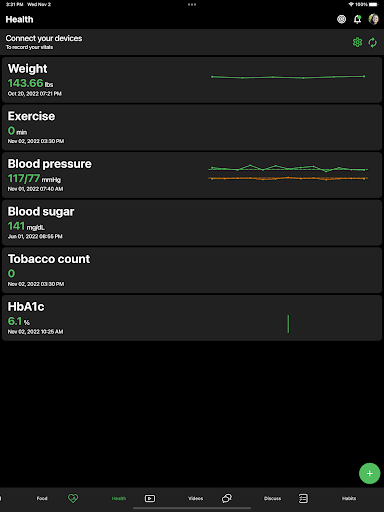
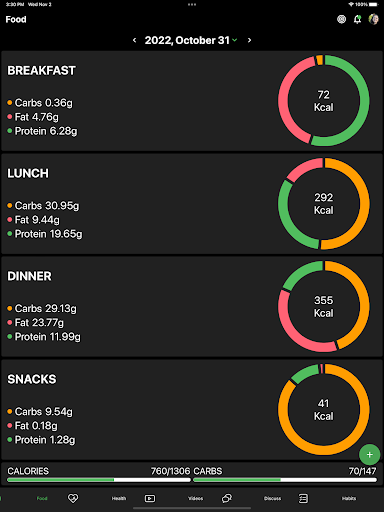
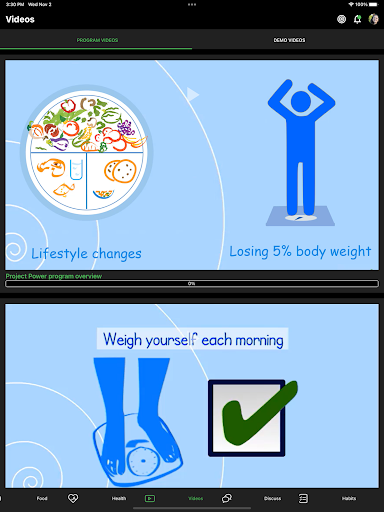
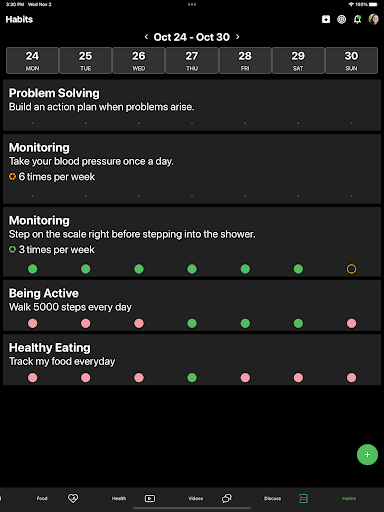
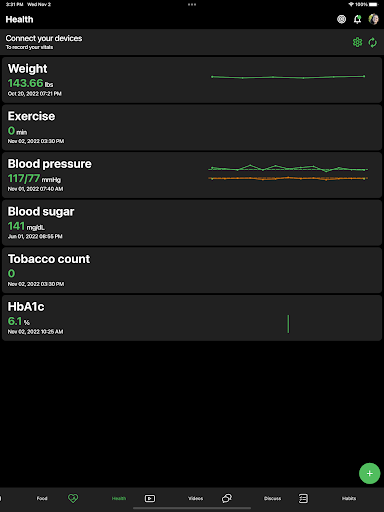
Project Power, developed by the American Diabetes Association and delivered by HabitNu, is a program designed to reduce the risk of type 2 diabetes and support disease management. The program utilizes a digital app that provides users with tools for progress monitoring, including a food diary, weight and activity trackers, a secure discussion forum, educational videos, and communication features for interaction with health coaches.
Evidence & Research Context
- Studied in clinical trials, Project Power has shown mixed evidence regarding its impact on health outcomes.
- A cluster randomized controlled trial (N=146 African American participants with diabetes and prediabetes) found that the intervention group demonstrated significant improvements in diabetes knowledge and self-care behaviors related to diet and blood glucose testing compared to a control group receiving a health brochure.
- Another randomized trial across nine churches evaluated Project Power alone and in combination with a faith-based intervention (HBHS+PP). This study found that the combined HBHS+PP intervention significantly decreased systolic and diastolic blood pressure (p=0.02 and p=0.01, respectively), improved food-related self-efficacy (p=0.04), and decreased the purchasing of less healthy foods (p=0.02) compared to Project Power alone or a delayed intervention.
Intended Use & Scope
Project Power is intended for adults and youth seeking to identify and lower their risk for diabetes or manage existing prediabetes and type 2 diabetes. The app supports lifestyle modifications through tracking and educational content. It is not a substitute for professional medical advice, diagnosis, or treatment, and users should consult a physician for medical conditions.
Studies & Publications
Peer-reviewed research associated with this app.
Cardiovascular disease risk among rural residents living with diabetes and prediabetes: A cluster randomized trial
Abbott et al. (2019) · Public Health Nursing
The intervention group showed significant improvements in diabetes knowledge and self-care behaviors related to diet and blood glucose testing compared to the control group.
A Church-Based Diabetes Risk Factor Prevention Program Improves Psychosocial Factors and Food-Related Behaviors
Gittelsohn et al. (2019) · Journal of Health Care for the Poor and Underserved
The combined church-based program improved psychosocial factors and food-related behaviors, but Project POWER on its own showed no significant benefit
In the Media
Project Power, a No-Cost Diabetes Risk Reduction Program Is Now Enrolling
Project Power is a no-cost lifestyle change program by the American Diabetes Association for adults aged 18 and over with prediabetes, type 2 diabetes, or high risk for diabetes. It offers a personalized program combining health coaching, an evidence-based curriculum, and a gamified experience across eight sessions led by medical professionals. Participants receive tools like an activity tracker and smart scale, one-on-one coaching, and access to a private social network. The program, available in English and Spanish, focuses on weight reduction, healthy eating, physical activity, and understanding diabetes's impact on overall health.
The American Diabetes Association Selects HabitNu to Deliver Project Power
Project Power is an American Diabetes Association initiative, delivered by HabitNu, that aims to help adults and youth identify and lower their risk for type 2 diabetes or manage the disease. The program provides diabetes risk reduction education and services, promoting healthy food choices, increased physical activity, and family support. Participants use digital tools like the HabitNu app, wireless scales, and activity trackers to monitor progress. It is offered in-person and virtually in high-risk and vulnerable communities nationwide.
App Information
Developer
American Diabetes AssociationCategory
Evidence Profile
Studied in clinical trials · Mixed evidence
Platforms
Updated
Jul 2026
© 2026 American Diabetes Association