AppsFromResearch
Renew Scleroderma icon

Renew Scleroderma

Evidence Tier:CLINICAL GRADE

Validated in clinical trials · Initial evidence

For:Patients & Caregivers

App Summary

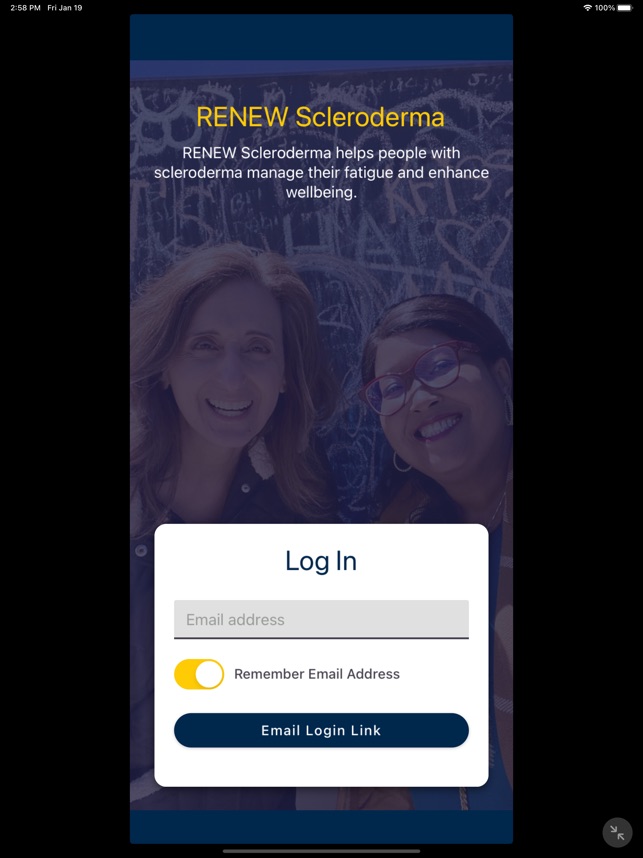
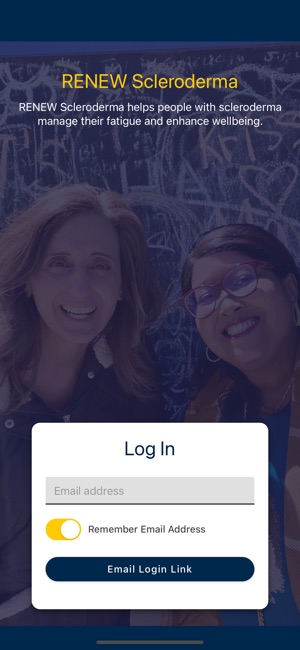
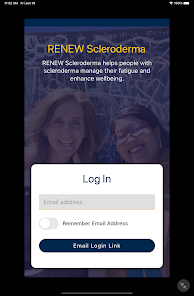
Renew Scleroderma is a self-management program for people with scleroderma that combines peer-led health coaching with goal-setting tools to help users manage fatigue and improve wellbeing. A randomized controlled trial (N=173) found that the 12-week program led to a clinically meaningful improvement in fatigue (P<0.001) compared to a control group, with greater benefits observed in newly diagnosed patients. The authors conclude that this mHealth-supported approach is a beneficial and scalable method for improving symptom management in systemic sclerosis.

App Screenshots
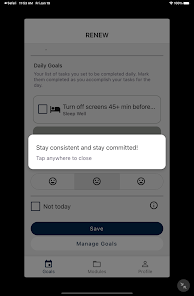
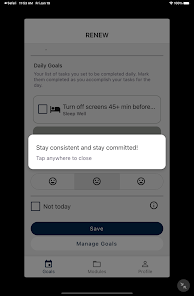
Renew Scleroderma screenshot 1 of 30Renew Scleroderma screenshot 2 of 30Renew Scleroderma screenshot 3 of 30Renew Scleroderma screenshot 4 of 30Renew Scleroderma screenshot 5 of 30Renew Scleroderma screenshot 6 of 30Renew Scleroderma screenshot 7 of 30Renew Scleroderma screenshot 8 of 30Renew Scleroderma screenshot 9 of 30Renew Scleroderma screenshot 10 of 30Renew Scleroderma screenshot 11 of 30Renew Scleroderma screenshot 12 of 30Renew Scleroderma screenshot 13 of 30Renew Scleroderma screenshot 14 of 30Renew Scleroderma screenshot 15 of 30Renew Scleroderma screenshot 16 of 30Renew Scleroderma screenshot 17 of 30Renew Scleroderma screenshot 18 of 30Renew Scleroderma screenshot 19 of 30Renew Scleroderma screenshot 20 of 30Renew Scleroderma screenshot 21 of 30Renew Scleroderma screenshot 22 of 30Renew Scleroderma screenshot 23 of 30Renew Scleroderma screenshot 24 of 30Renew Scleroderma screenshot 25 of 30Renew Scleroderma screenshot 26 of 30Renew Scleroderma screenshot 27 of 30Renew Scleroderma screenshot 28 of 30Renew Scleroderma screenshot 29 of 30Renew Scleroderma screenshot 30 of 30

Detailed Description

Functionality & Mechanism

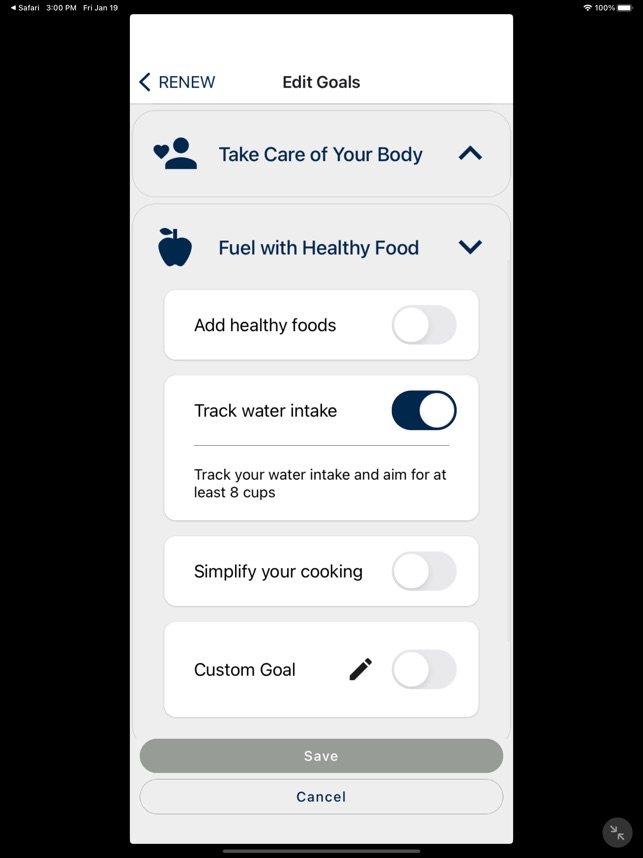
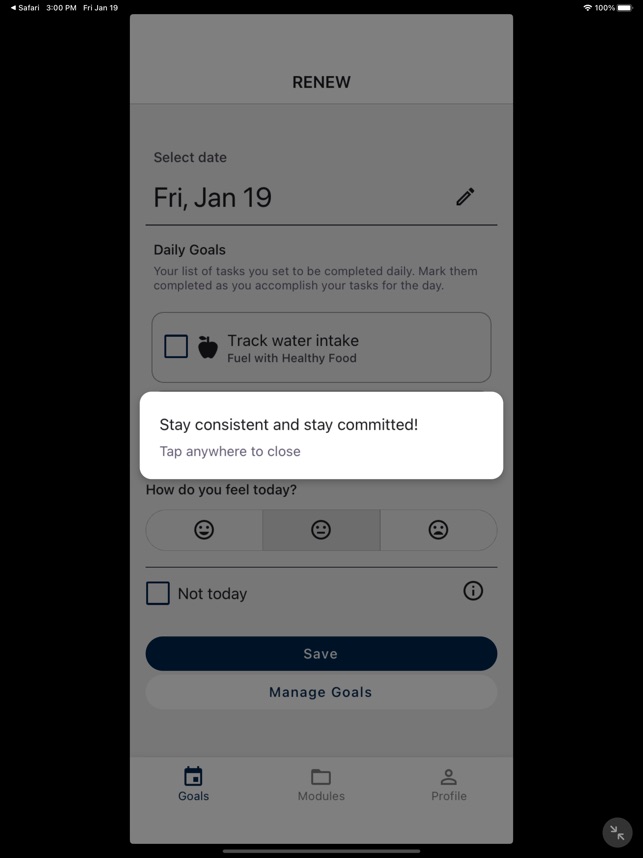
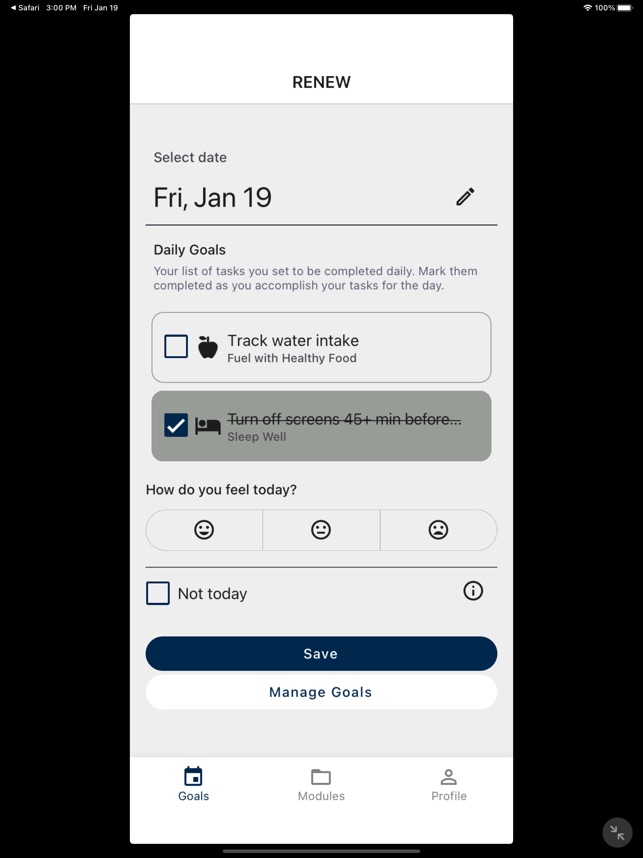
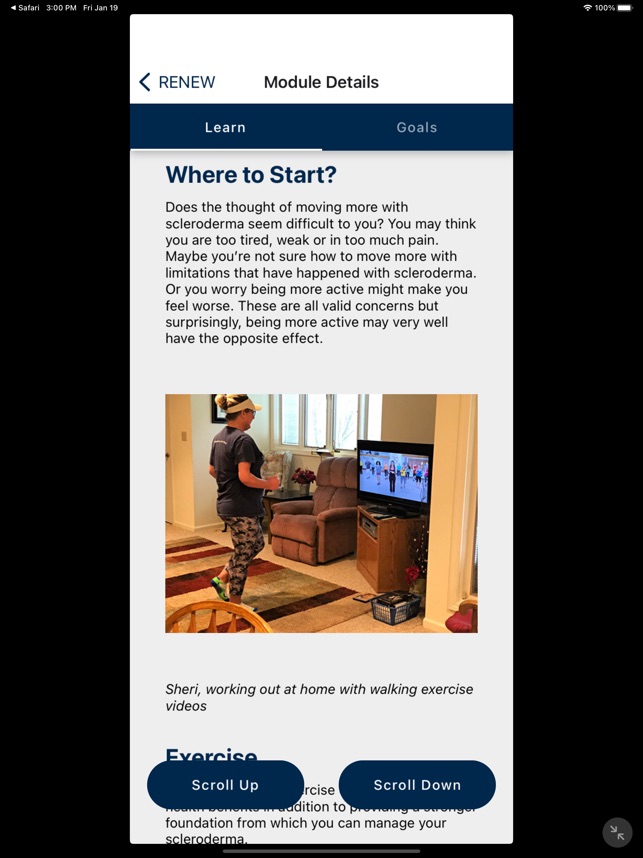
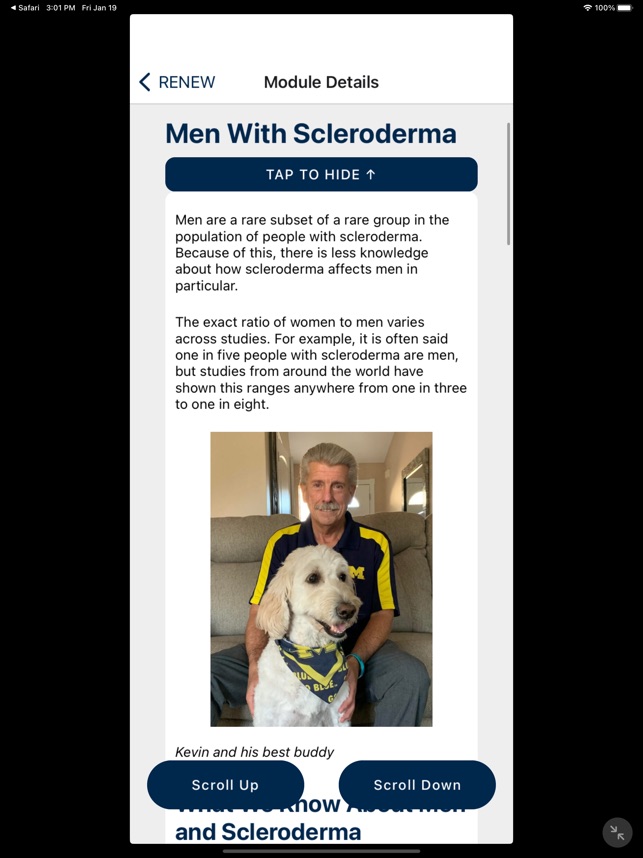
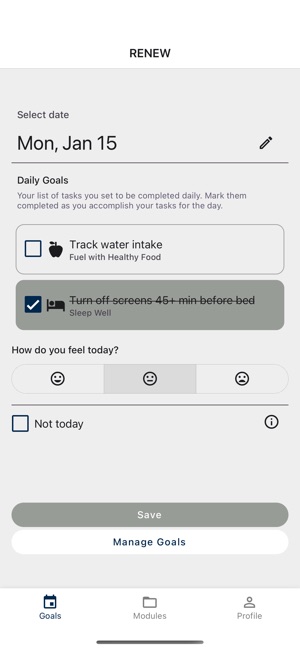
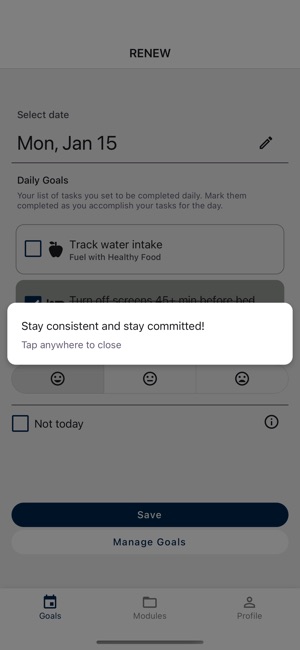
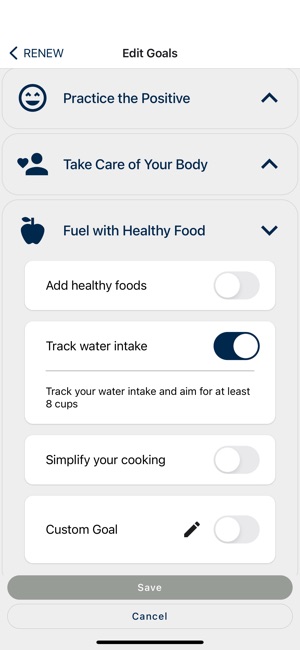
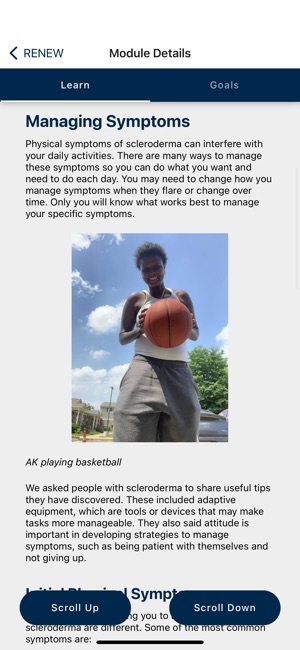
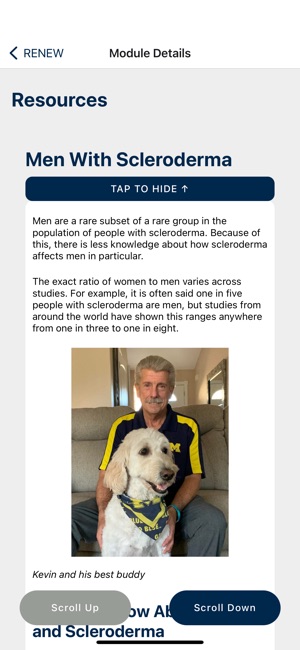
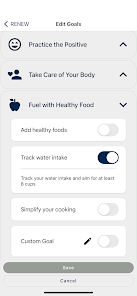
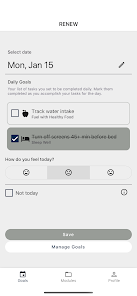
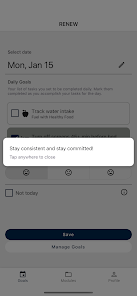
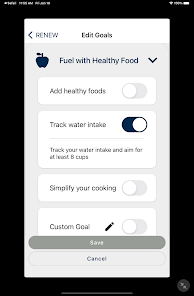
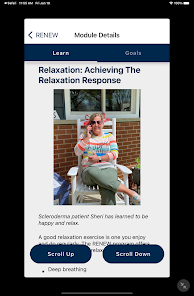
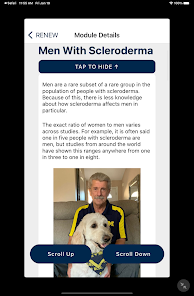
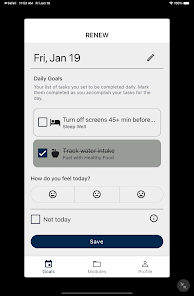
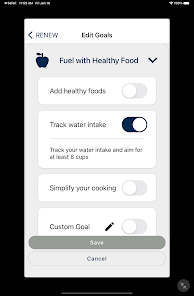
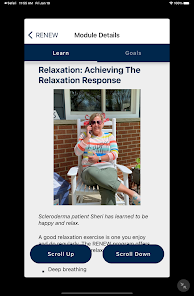
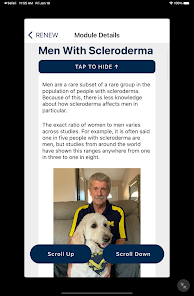
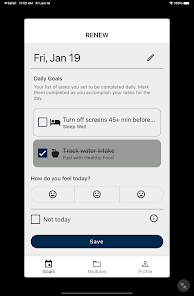
Renew Scleroderma is a 12-week, mHealth-supported self-management program developed with support from the National Institute on Disability, Independent Living and Rehabilitation Research (NIDILRR). The system combines an educational application with nine virtual health coaching sessions led by trained peer mentors. The interface delivers informational content about scleroderma and facilitates patient engagement through modules for setting and tracking weekly goals. Participants complete activities corresponding to these goals to manage fatigue and enhance overall well-being.

Evidence & Research Context

  • A randomized controlled trial (N=173) of adults with systemic sclerosis (SSc) demonstrated that the 12-week program produced clinically meaningful improvements in fatigue compared to a waitlist control group.
  • The same trial found significant improvements in secondary outcomes, including pain interference, depressive symptoms, and resilience.
  • Intervention effects on fatigue were most pronounced in participants with a shorter duration of SSc.
  • Subsequent qualitative analysis (N=21) identified peer coaching, increased symptom self-awareness, and the learning of coping strategies as key mechanisms of action.

Intended Use & Scope

This application is designed as a supported self-management intervention for individuals with systemic sclerosis (SSc) to manage fatigue and related symptoms. It functions as an adjunct to standard medical care. The program does not replace clinical treatment; users should consult their healthcare provider to determine its suitability for their care plan.

Studies & Publications

2 publications

Peer-reviewed research associated with this app.

RCT

Effects of a Resilience-Building Energy Management Program on Fatigue and Other Symptoms in Systemic Sclerosis: A Randomized Controlled Trial

Murphy et al. (2024) · Arthritis Care & Research

Reduced fatigue and improved pain, depression, and physical function compared to waitlist.

Objective Supported self-management interventions for individuals with systemic sclerosis (SSc) are needed. We examined the effects of a 12-week resilience-building energy management program (called RENEW) for fatigue and other patient-reported outcomes. Methods Participants, who had physician-diagnosed SSc, moderate to severe fatigue, and were ?18?years old, were randomly assigned to RENEW or waitlist control in a 2:1 ratio. The RENEW intervention included an educational website/application plus nine virtual peer-led health coaching sessions. The primary outcome was change in the Functional Assessment of Chronic Illness Therapy-Fatigue scale. Secondary outcomes were change in Patient Reported Outcomes Measurement Information System measures of pain interference and depressive symptoms and Connor-Davidson Resilience Scale. Outcomes were assessed at baseline, 6?weeks, and 12?weeks. Multiple imputation was conducted; linear mixed models were used to assess group differences. A three-way interaction with group, time, and SSc duration was examined in each model. Results Among 173 participants (mean ± SD age 54.5 ±?11.7?years; 93% female, 85% White), 47% had diffuse cutaneous SSc; 57% were ?5?years from diagnosis. At 12?weeks, compared to controls, RENEW participants had a clinically meaningful fatigue improvement (? = ?4.7; 95% confidence interval ?6.7 to ?2.7; P <?0.001) and improvement in all secondary outcomes. Among RENEW participants, individuals with shorter disease duration had greater improvements in fatigue at 12?weeks. Conclusion An mHealth supported self-management intervention improved fatigue and other outcomes, particularly in newly diagnosed patients. This program may be broadly scalable for SSc symptom management.
... Read More
Qualitative Study

Impact of a resilience-building energy management intervention for people with systemic sclerosis: a mixed methods study

Chen et al. (2023) · Rheumatology Advances in Practice

Participants reported the intervention helped them manage fatigue and improved their daily functioning and well-being.
Abstract Objectives People with SSc often experience fatigue, which significantly affects daily life functioning and quality of life. We aimed to explore participants' experiences of a peer health–coached resilience-building energy management to enhance well-being (RENEW) intervention on symptoms and well-being and to use mixed methods to compare how SSc duration influenced the experiences of participants who had clinically significant fatigue improvement vs those who did not. Methods Semi-structured interviews were conducted with 21 participants from the parent clinical trial randomized to the RENEW intervention. Data were analysed using the rigorous and accelerated data reduction technique combined with thematic content analysis. A mixed methods approach used a joint display to identify themes related to the impact of SSc duration on fatigue improvement status. Participants were categorized into short/improvement, short/limited improvement, long/improvement, and long/limited improvement. Results Our team generated four themes: participant and peer health–coach relationship, physical and psychological well-being improvement, need for a tailored approach and easy program access through technology. Mixed methods analysis revealed that, regardless of SSc duration, participants with improved fatigue reported increasing self-awareness of SSc-related symptoms and learning coping strategies to manage fatigue. Participants in the short/improvement group reported preferences for slower pacing of the program and pairing with a coach with similar symptom severity. Participants in the long/limited improvement group sought SSc-specific symptom management information. Conclusion Incorporating peer health coaches and technology is beneficial for self-management interventions for people with SSc. Future tailoring of RENEW based on SSc duration and symptom severity is needed. Clinical trial registration number clinicatrials.gov, NCT04908943.
... Read More

Renew Scleroderma

Free