

Scry: Augmented Learning
Expert-developed at a leading university
App Summary
App Screenshots
Detailed Description
Functionality & Mechanism
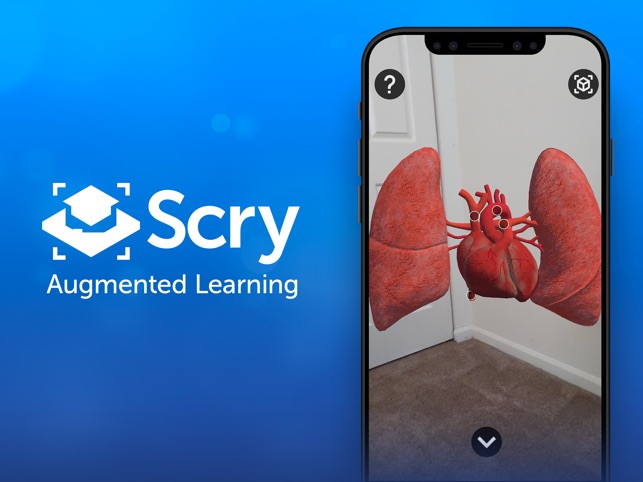
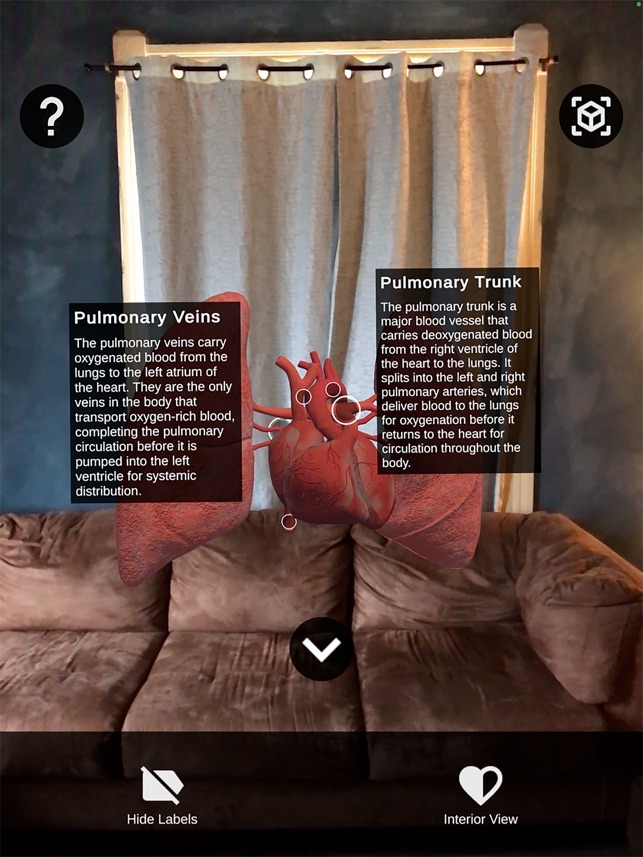
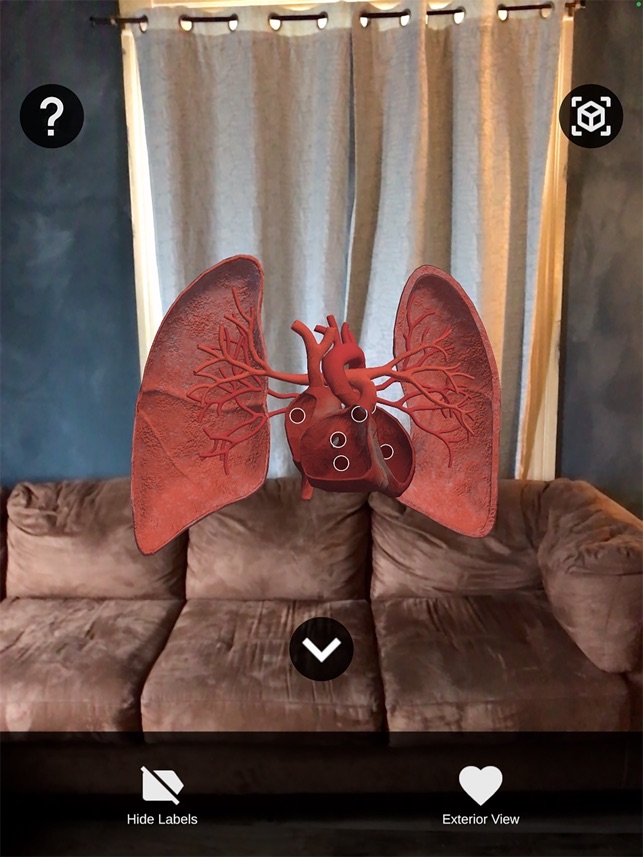
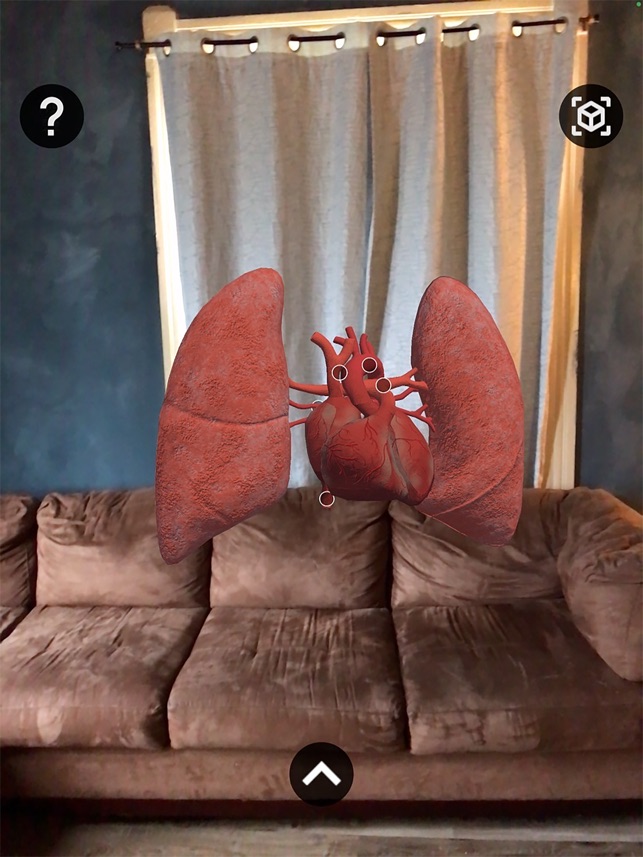
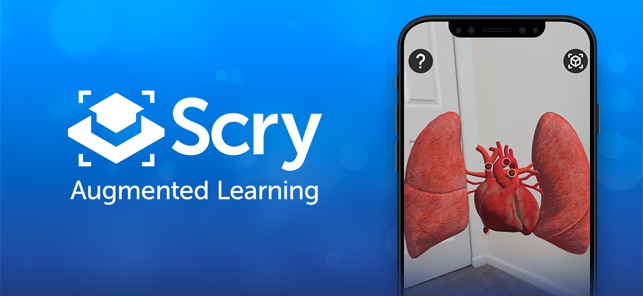
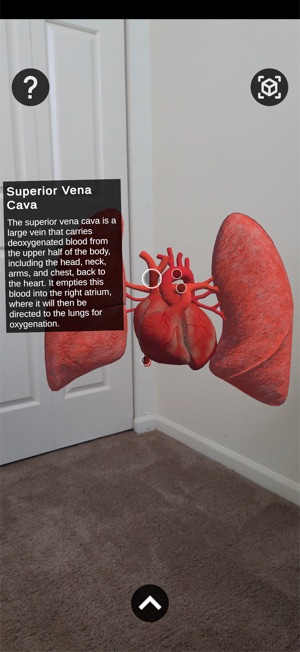
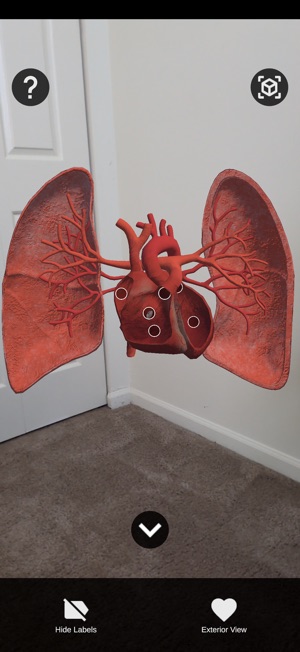
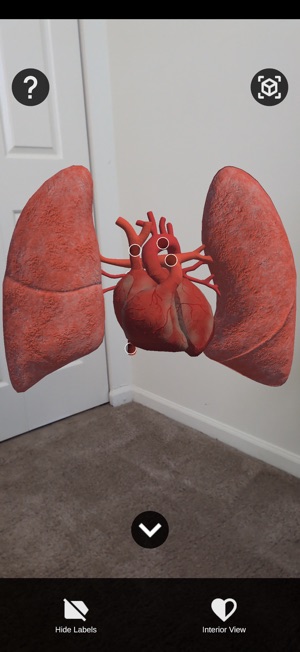
This augmented reality (AR) learning platform, developed by Purdue University, enables instructors to author and deploy interactive 3D models for classroom use. The application leverages a device's camera to overlay digital content onto the physical world, allowing students to manipulate and inspect virtual objects from multiple angles. It integrates descriptive labels to identify model components and utilizes cloud-based technology to facilitate remote collaboration between students and educators, augmenting both in-person and distance learning.
Development & Context
- The underlying MetaAR platform was created by a Purdue University team to address the cost and complexity of developing AR content for remote education.
- News coverage notes the project was supported by a $2.5 million National Science Foundation (NSF) grant and a $1 million NSF Convergence Accelerator award.
- The system's design allows instructors to author AR lessons and for students to collaborate, sharing feedback and solutions in real time.
- This work was presented at the 2020 CHI Conference on Human Factors in Computing Systems, a leading venue for human-computer interaction research.
Intended Use & Scope
This application is designed as an educational support tool for instructors and students, particularly within STEM disciplines requiring hands-on or visual instruction. Its primary scope is to augment classroom activities by providing interactive models for exploration. Information is based on developer descriptions and news coverage, not peer-reviewed efficacy research.
In the Media
Purdue Meta-AR-App Allows Instructors And Students To Build Their Own AR Learning Content
Purdue University's C Design Lab developed Scry: Augmented Learning as part of their Meta-AR platform to enable remote classroom instruction and real-time collaboration, using augmented reality technology that allows instructors to monitor student work without being physically present. The system provides real-time feedback by sensing what students are touching and helping them understand "how things should fit together, and what type of outcomes the students can expect given their trajectory." The platform offers an expansive toolbox that isn't limited to AR markers, allowing both instructors and students to build custom AR learning content.
Hands-on with augmented reality in remote classrooms - Purdue University News
Purdue University developed MetaAR to make augmented reality accessible for remote education, allowing educators to create their own AR apps without specialized programming skills. "Augmented reality can see what you see, it can sense your hands and see how you are manipulating objects, which means AR can actually help you," said Karthik Ramani, Purdue's Donald W. Feddersen Distinguished Professor of Mechanical Engineering. The platform enables students and teachers to collaborate remotely using AR technology that was previously limited to entertainment studios and big companies.
App Information
Developer
Purdue UniversityCategory
Evidence Profile
Expert-developed at a leading university
Platforms
Updated
Jun 2025
© 2025 Purdue University
Tags
Relevant Links
Privacy Policy


Scry: Augmented Learning
Free