
AppsFromResearch
SMART-IBD icon

SMART-IBD

Shows promise in preliminary research

For:Patients & Caregivers

App Summary

SMART-IBD is a digital self-management app designed to help adolescents with inflammatory bowel disease (IBD) track their symptoms, mood, and medication adherence. A preliminary pilot study (N=22) found that the app was feasible and acceptable to patients, demonstrating a significant improvement in medication adherence (P < 0.05) and a reduction in self-management barriers. Based on these initial findings, the authors conclude that a larger controlled trial is needed to definitively determine the app's clinical efficacy.

App Screenshots

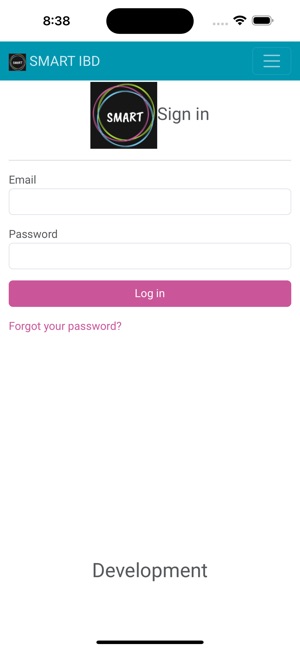
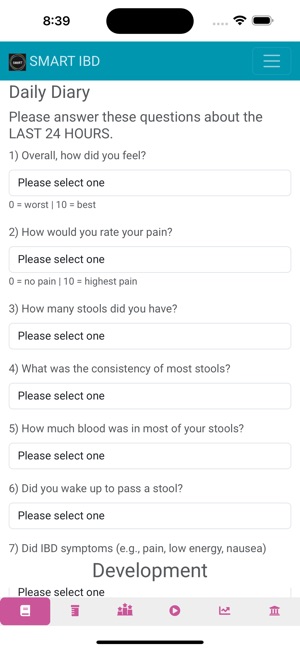
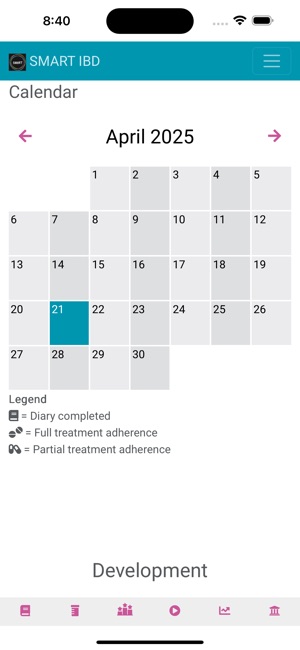
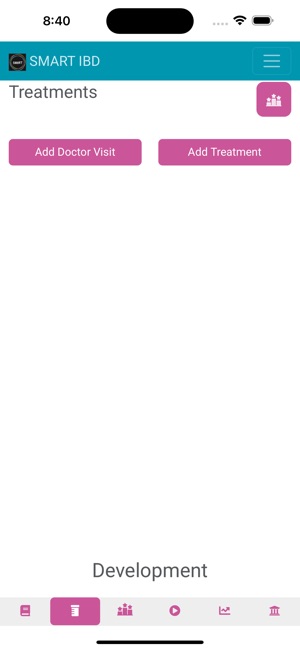
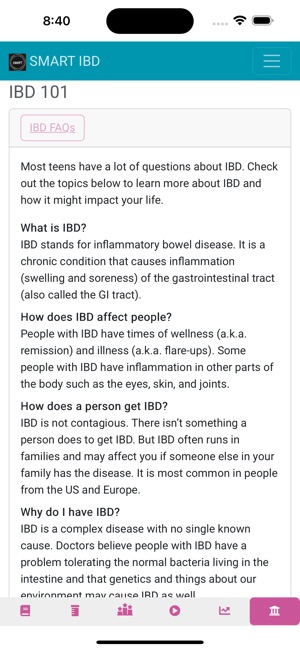
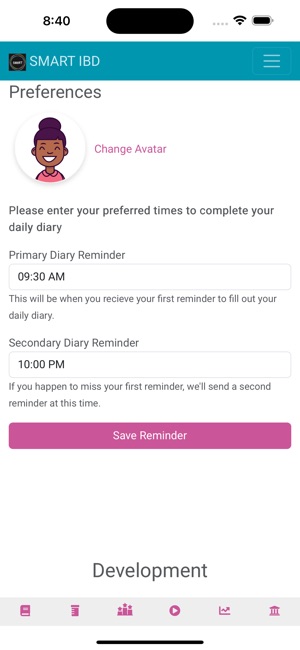
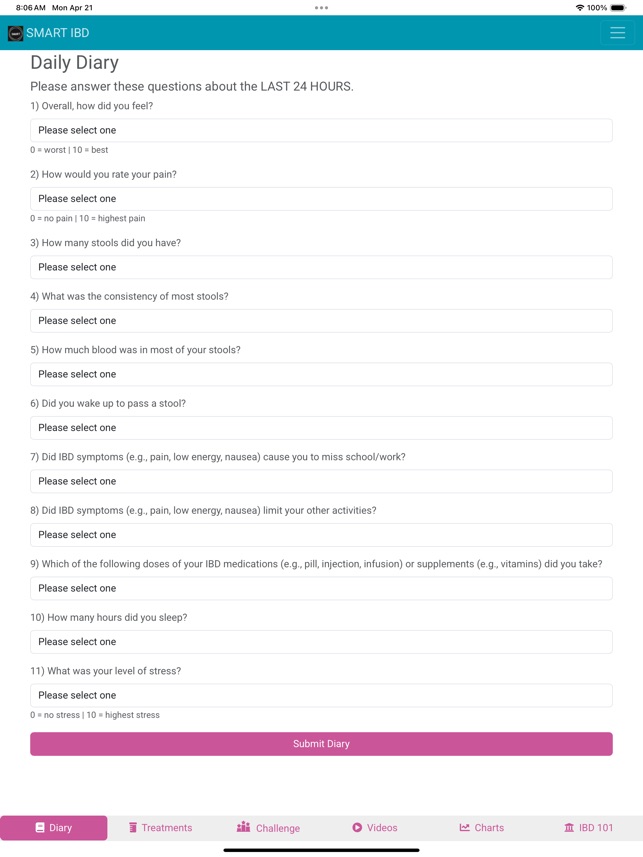
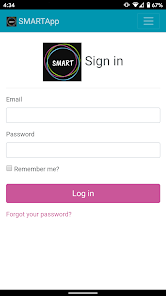
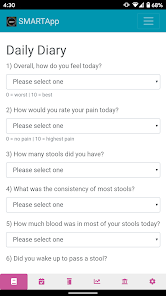
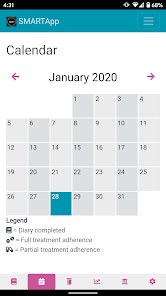
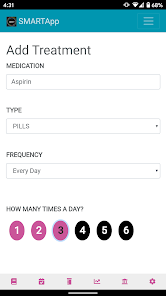
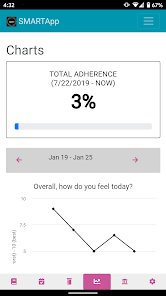
SMART-IBD screenshot 1 of 17SMART-IBD screenshot 2 of 17SMART-IBD screenshot 3 of 17SMART-IBD screenshot 4 of 17SMART-IBD screenshot 5 of 17SMART-IBD screenshot 6 of 17SMART-IBD screenshot 7 of 17SMART-IBD screenshot 8 of 17SMART-IBD screenshot 9 of 17SMART-IBD screenshot 10 of 17SMART-IBD screenshot 11 of 17SMART-IBD screenshot 12 of 17SMART-IBD screenshot 13 of 17SMART-IBD screenshot 14 of 17SMART-IBD screenshot 15 of 17SMART-IBD screenshot 16 of 17SMART-IBD screenshot 17 of 17

Detailed Description

Functionality & Mechanism

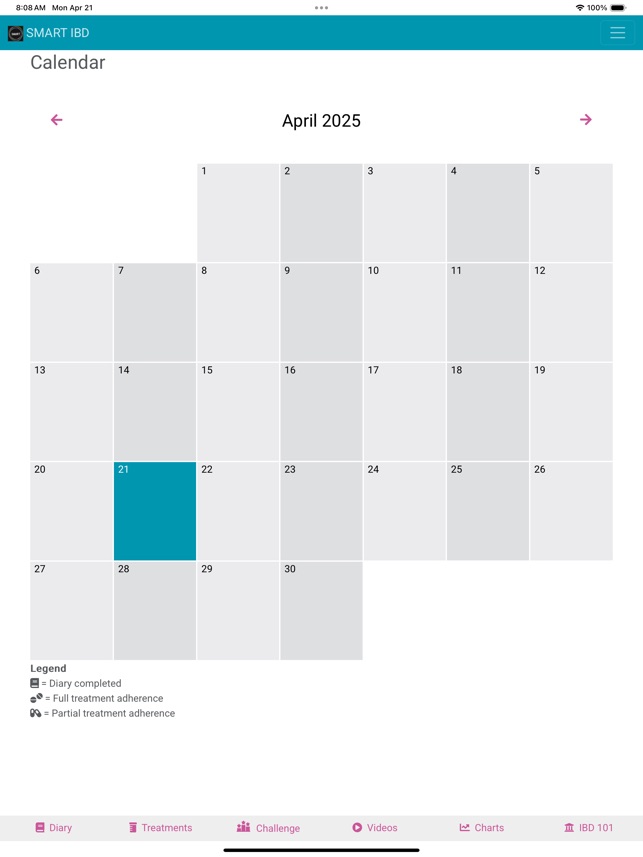
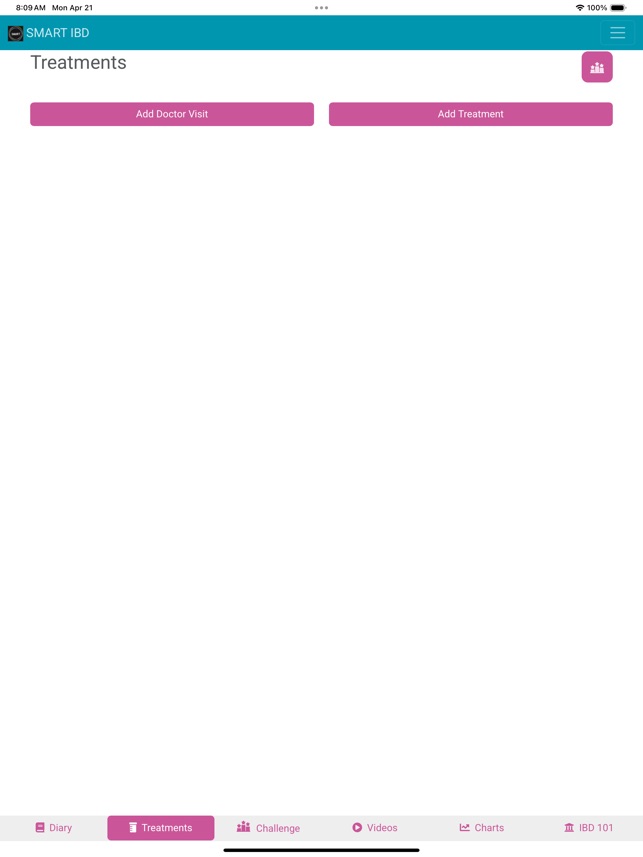
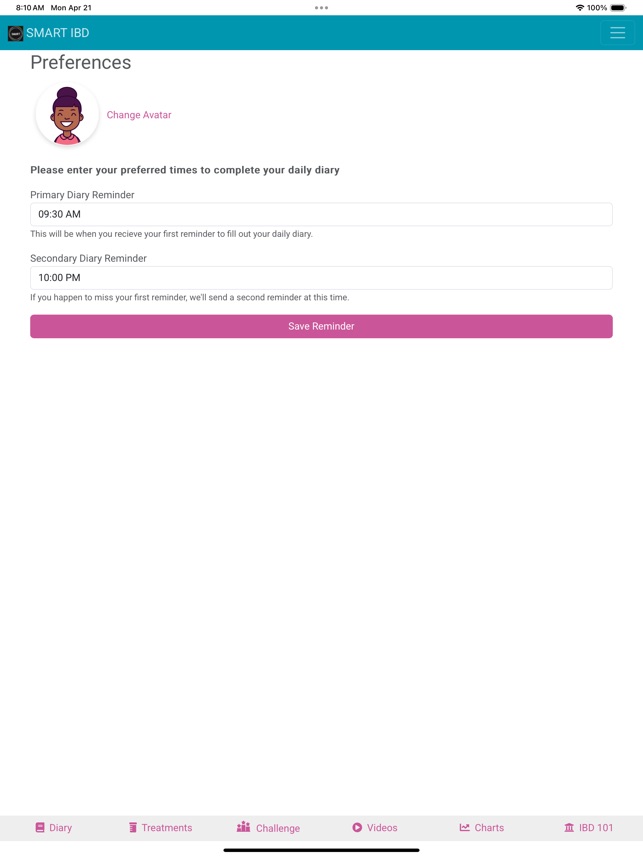
SMART-IBD is a digital therapeutic tool designed to support self-management in patients with inflammatory bowel disease (IBD). The system facilitates daily tracking of symptoms, including mood, pain, and stool characteristics, through a structured diary interface. It integrates modules for medication and appointment reminders to promote adherence. The application also renders longitudinal data as graphical summaries, allowing for the visualization of symptom trends and medication adherence patterns over time to inform patient and provider discussions.

Evidence & Research Context

  • Two preliminary pilot and feasibility studies (total N≈44) involving pediatric IBD patients established the tool's feasibility, acceptability, and good user engagement.
  • A single-arm pilot trial (N=22) demonstrated a statistically significant improvement in medication adherence (mean increase: 24–31%) and a reduction in self-management barriers.
  • Increased medication adherence was also found to be associated with patient-reported sleep duration, mood, and specific stool characteristics in a 30-day feasibility study.
  • A protocol has been published for a randomized controlled pilot trial designed to further evaluate the app's efficacy against a usual care control group in adolescents.

Intended Use & Scope

This application is intended for adolescents and pediatric patients with IBD as an adjunct tool to support evidence-based self-management. Its primary utility is to facilitate adherence and symptom monitoring between clinical consultations. The app does not provide medical advice or diagnosis and is not a substitute for professional clinical care or treatment planning.

Studies & Publications

3 publications

Peer-reviewed research associated with this app.

Pilot/Feasibility Study

Pilot and feasibility of the SMART IBD mobile app to improve self-management in pediatric inflammatory bowel disease

Hommel et al. (2024) · Journal of Pediatric Gastroenterology and Nutrition

Feasibility confirmed — patients rated app quality as good, used it regularly, and increased medication adherence.

Objectives Access to evidence-based self-management support in pediatric inflammatory bowel disease (IBD) is a significant challenge. Digital therapeutic solutions can increase access and provide data to patients and providers that would otherwise not be available. We have iteratively developed a mobile application, Self-Management Assistance with Recommended Treatment (SMART) IBD, that allows patients to access self-management support and record symptoms and medication adherence. Methods We conducted a pilot and feasibility study for this digital therapeutic tool in which patients used SMART IBD for 30 days. Results Results indicated that patients rated the app quality as good and accessed the app adequately overall, with some pages being used often. Medication adherence increased over the course of the study and was associated with sleep duration, mood, and stool consistency and blood content. Conclusions Overall, this study demonstrated adequate feasibility for the SMART IBD app and initial findings suggest that additional research is needed to explore the potential impact of this tool in clinical care.
... Read More
Study Protocol

Self-Management assistance for recommended treatment (SMART) IBD app randomized control trial in adolescents with IBD: Design and methodology

Roberts et al. (2023) · Health Care Transitions

Research study planned or in progress; results not yet available
Aims Adherence to medical regimens, including medications and appointments, is a significant concern for adolescent populations that warrants behavioral interventions. Negative health behaviors during adolescence can persist into adulthood and lead to long-term negative health outcomes. Due to the limited availability and resources for behavioral self-management intervention, many youth do not receive evidence-based behavioral care and continue to struggle with managing their illness. Therefore, there is a need for easily accessible mHealth interventions targeting self-management in order to reduce health care barriers and provide more timely and effective behavioral care particularly during this developmental stage. Methods We provide a description of the design and methodology of the Self-Management Assistance for Recommended Treatment (SMART) IBD App randomized controlled pilot trial in pediatric inflammatory bowel disease (IBD) that aims to test the preliminary efficacy of the SMART IBD app compared to a usual care (UC) arm. Thirty participants 13–17 years of age will be recruited and randomized in the trial. Those randomized to the intervention arm will use the app for four weeks, each with one weekly challenge that focuses on self-management. Participants in both arms will complete baseline assessments, daily diaries for four weeks, and post-treatment assessments. Conclusion We hypothesize that participants in the intervention arm will experience clinically significant improvements in their self-management compared to those in the UC arm at the post-treatment assessment. Findings from the current study could provide initial evidence to support self-management interventions in adolescents with health conditions via mobile health apps, thereby reducing health care barriers and strains on institutional and nursing resources. Mobile health apps may also be a preferred avenue to disseminate interventions to adolescents.
... Read More

SMART-IBD

Free