AppsFromResearch
SOS/VOD Diagnosis and Grading icon

SOS/VOD Diagnosis and Grading

Published in academic literature

For:Clinicians & Healthcare Professionals

App Summary

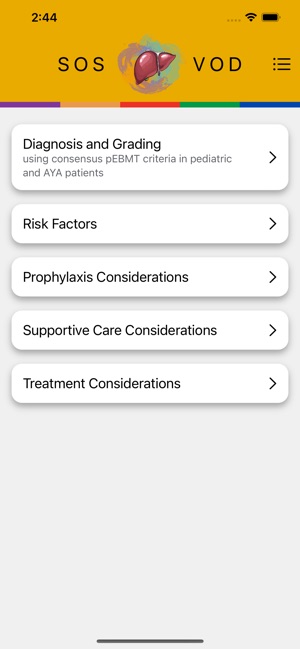
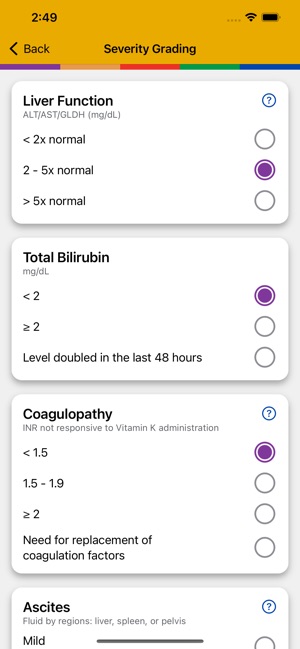
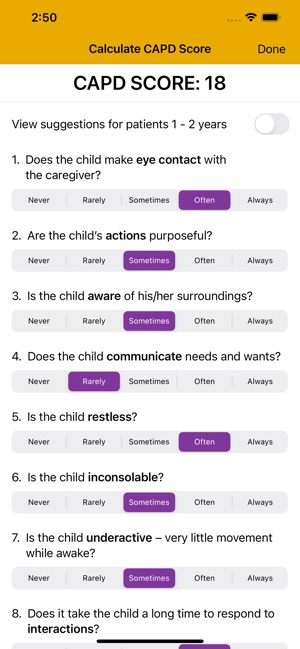
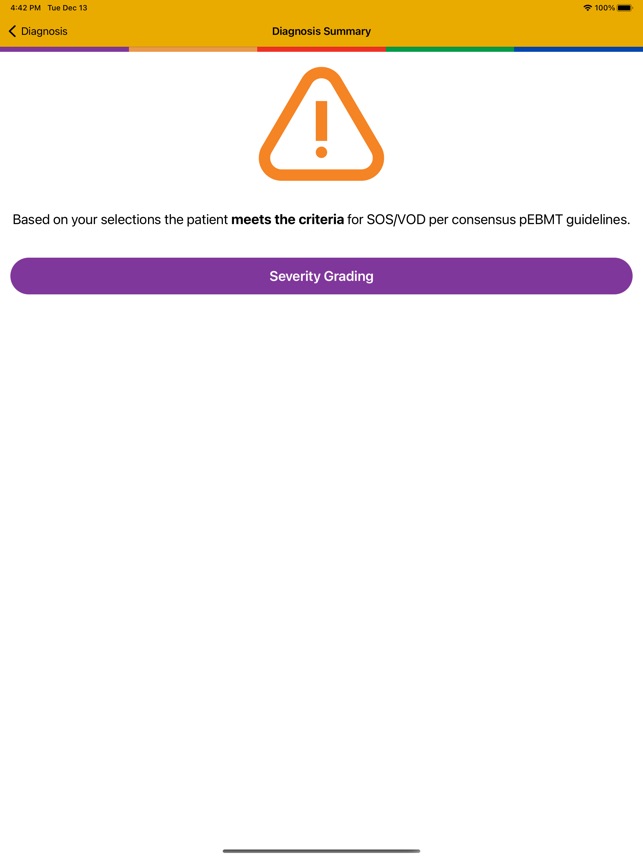
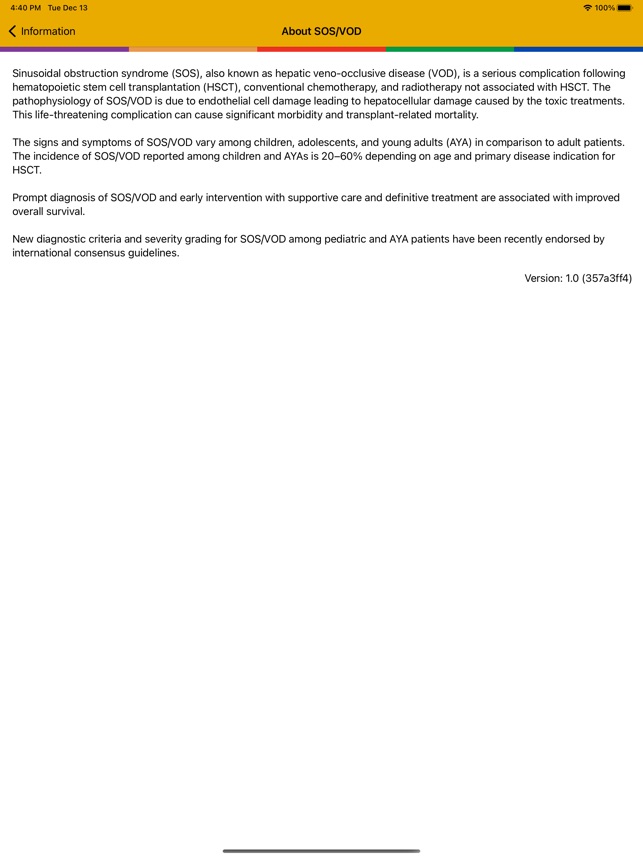
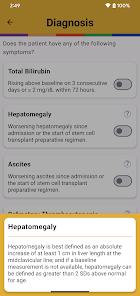
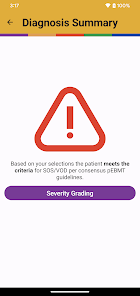
SOS/VOD Diagnosis and Grading is a clinical support tool for healthcare professionals to diagnose and grade Sinusoidal Obstructive Syndrome/Veno-Occlusive Disease (SOS/VOD), a life-threatening complication of cancer treatment. A retrospective cohort study (N=488) found that the pediatric European Society for Blood and Marrow Transplantation (pEBMT) criteria used by the app identified a higher incidence of SOS (21.5%) compared to older criteria (7.0-15.6%). The authors conclude that universal adoption of the pEBMT criteria may facilitate prompter diagnosis and lead to improved outcomes for children with SOS/VOD.

App Screenshots
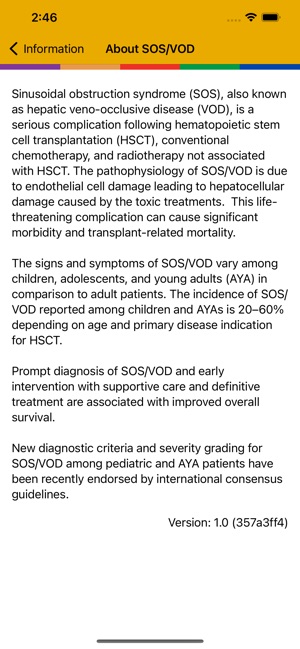
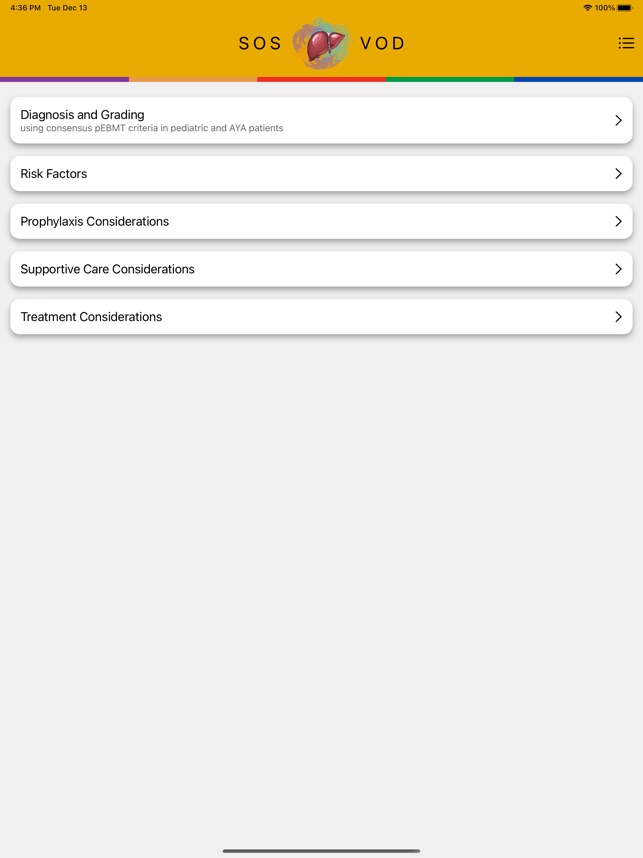
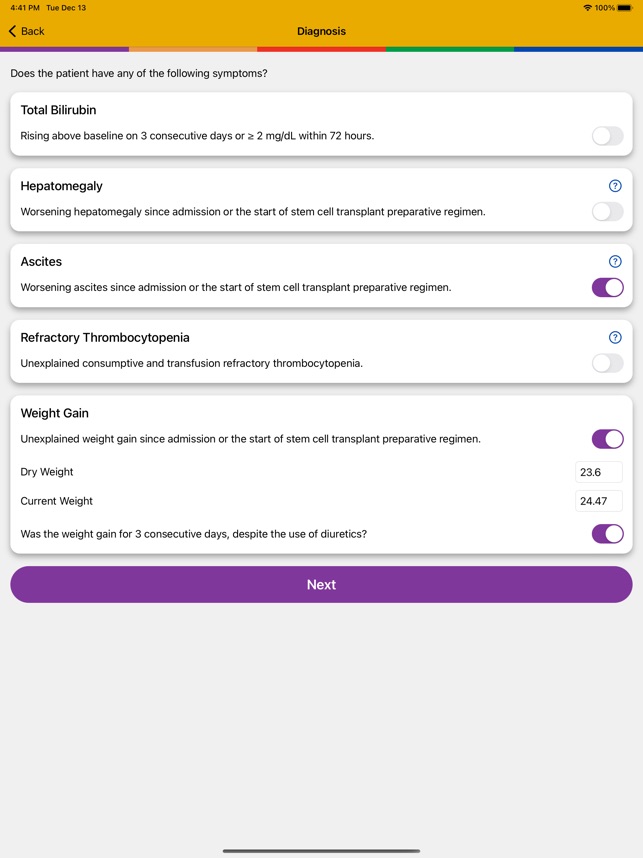
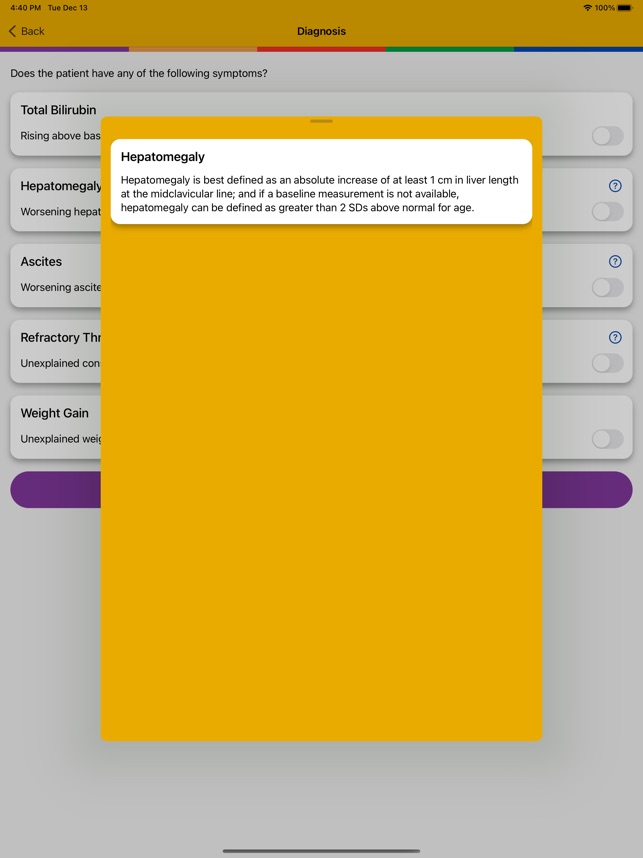
SOS/VOD Diagnosis and Grading screenshot 1 of 18SOS/VOD Diagnosis and Grading screenshot 2 of 18SOS/VOD Diagnosis and Grading screenshot 3 of 18SOS/VOD Diagnosis and Grading screenshot 4 of 18SOS/VOD Diagnosis and Grading screenshot 5 of 18SOS/VOD Diagnosis and Grading screenshot 6 of 18SOS/VOD Diagnosis and Grading screenshot 7 of 18SOS/VOD Diagnosis and Grading screenshot 8 of 18SOS/VOD Diagnosis and Grading screenshot 9 of 18SOS/VOD Diagnosis and Grading screenshot 10 of 18SOS/VOD Diagnosis and Grading screenshot 11 of 18SOS/VOD Diagnosis and Grading screenshot 12 of 18SOS/VOD Diagnosis and Grading screenshot 13 of 18SOS/VOD Diagnosis and Grading screenshot 14 of 18SOS/VOD Diagnosis and Grading screenshot 15 of 18SOS/VOD Diagnosis and Grading screenshot 16 of 18SOS/VOD Diagnosis and Grading screenshot 17 of 18SOS/VOD Diagnosis and Grading screenshot 18 of 18

Detailed Description

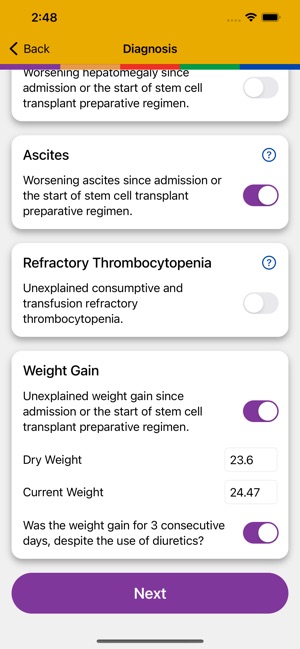
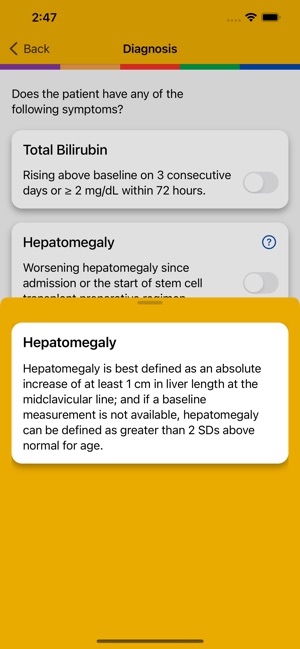
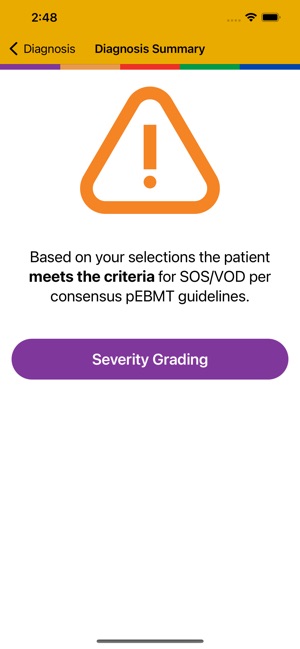
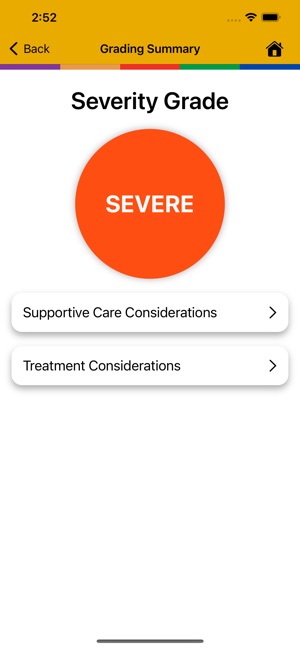
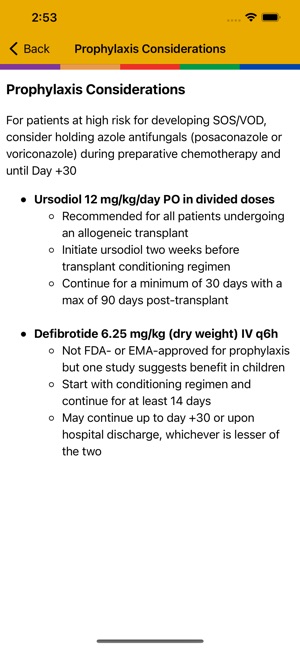
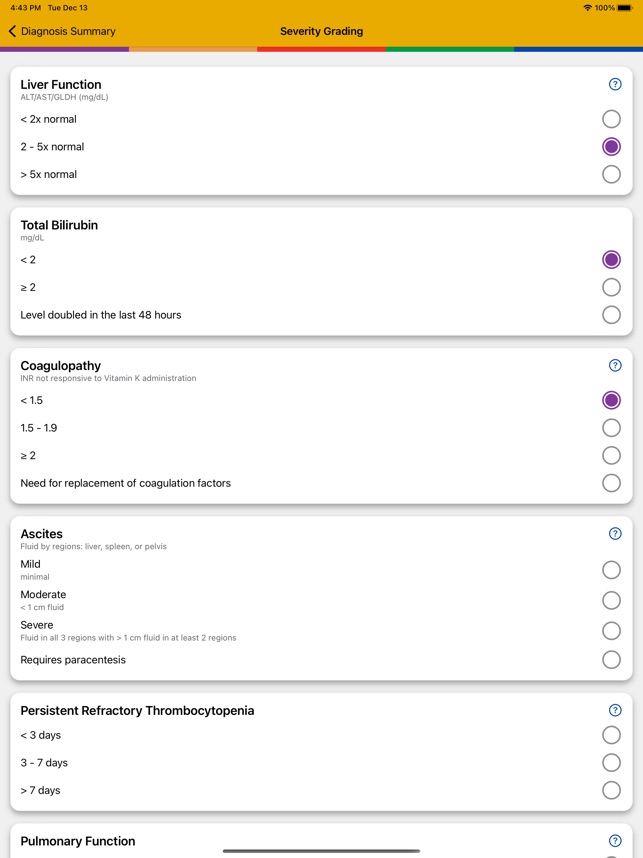
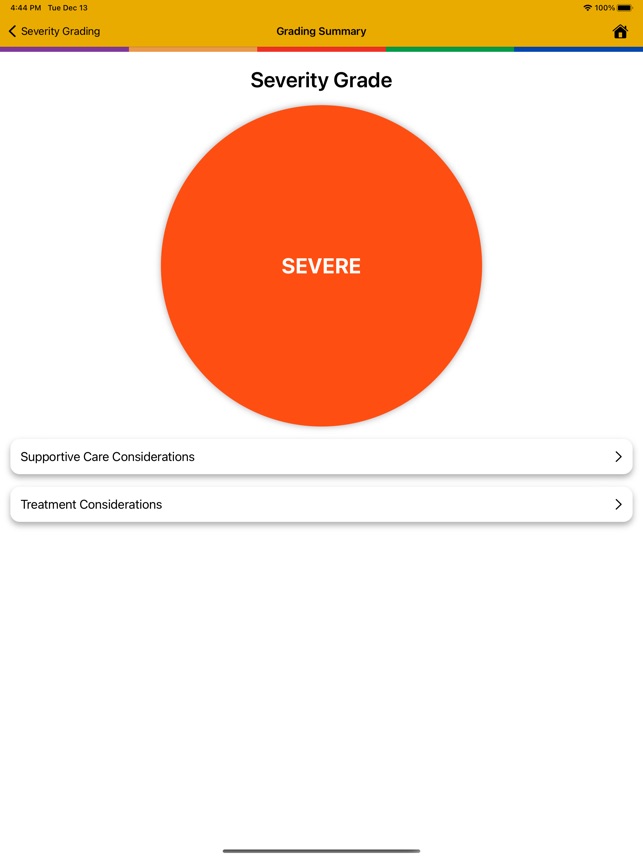
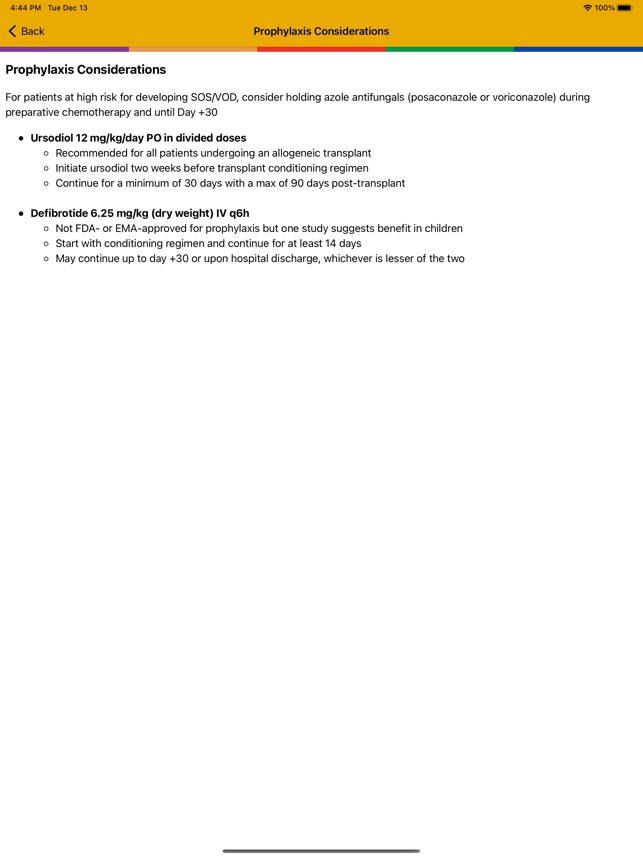
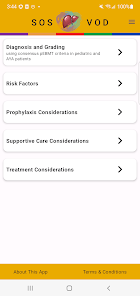
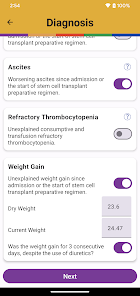
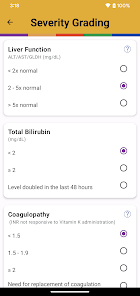
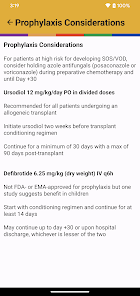
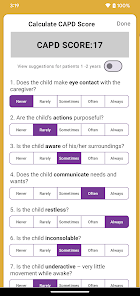
Functionality & Mechanism This clinical reference tool operationalizes established diagnostic and grading criteria for Sinusoidal Obstructive Syndrome (SOS)/Veno-Occlusive Disease (VOD). The interface guides clinicians through a structured assessment, capturing key patient parameters necessary to apply guidelines such as the pediatric European Society for Blood and Marrow Transplantation (pEBMT) criteria. The system facilitates rapid classification of SOS/VOD severity, supporting timely and evidence-based clinical decision-making for pediatric, adolescent, and young adult (Pedi-AYA) patients post-transplantation or chemotherapy.

Evidence & Research Context The diagnostic framework integrated into the app is supported by clinical research demonstrating its potential utility for early detection.

  • A multi-center retrospective cohort study (N=488) of pediatric hematopoietic cell transplantation patients found pEBMT criteria identified a significantly higher incidence of SOS/VOD (21.5%) compared to older criteria.
  • Application of the pEBMT criteria facilitated the identification of 44 patients who would have otherwise been missed by historical diagnostic standards used in the cohort.
  • Among diagnosed patients, 70.5% developed very severe disease, and the diagnosis was associated with significantly lower overall survival, underscoring the need for early detection.
  • The research concludes that pEBMT criteria enable more sensitive and prompter diagnosis, and their universal adoption may improve patient outcomes.

Intended Use & Scope This tool is intended for use by hematologists, oncologists, and other healthcare professionals experienced in treating SOS/VOD. It functions as a clinical decision support resource to assist with the application of complex diagnostic criteria. The app does not provide a definitive diagnosis and is not a substitute for expert clinical judgment.

Studies & Publications

1 publication

Peer-reviewed research associated with this app.

Non-Evaluative Reference

Retrospective analysis of veno-occlusive disease/sinusoidal obstruction syndrome in paediatric patients undergoing hematopoietic cell transplantation -a multicentre study

Ragoonanan et al. (2024) · The Lancet Regional Health

Referenced in academic literature; no direct evaluation of the app
Background Sinusoidal obstruction syndrome is a potentially fatal complication following hematopoietic cell transplantation, high-intensity chemotherapies and increasingly seen with calicheamicin based leukemia therapies. Paediatric specific European Society for Blood and Marrow Transplantation (pEBMT) diagnostic criteria have demonstrated benefit in single center studies compared to historic criteria. Yet, the extent to which they have been universally implemented remains unclear. Methods We conducted a retrospective multi-centre study to examine the potential impact of the Baltimore, modified Seattle and pEBMT criteria on the incidence, severity, and outcomes of sinusoidal obstruction syndrome among paediatric hematopoietic cell transplantation patients. Findings The incidence of sinusoidal obstruction syndrome in this cohort (n = 488) was higher by pEBMT (21.5%) vs historic modified Seattle (15.6%) and Baltimore (7.0%) criteria (p < 0.001). Application of pEBMT criteria identified 44 patients who were not previously diagnosed with sinusoidal obstruction syndrome. Overall, 70.5% of all patients diagnosed with sinusoidal obstruction syndrome ultimately developed very severe disease and almost half of diagnosed patients required critical care support. Overall survival was significantly lower in patients who were diagnosed with sinusoidal obstruction syndrome vs those who were not. Interpretation Taken together, pEBMT criteria may be a sensitive method for prompter diagnosis of patients who subsequently develop severe/very severe sinusoidal obstruction syndrome. To our knowledge, this is the first multi-centre study in the United States (US) to demonstrate that pEBMT guidelines are associated with earlier detection of sinusoidal obstruction syndrome. Since early initiation of definitive treatment for sinusoidal obstruction syndrome has been associated with improved survival in paediatric patients and implementation of pEBMT criteria appears feasible in the US, universal adoption should facilitate prompter diagnosis and lead to improved outcomes of children with sinusoidal obstruction syndrome.
... Read More

SOS/VOD Diagnosis and Grading

Free