

Surgical Anatomy of the Liver (iPhone)
Published in academic literature
App Summary
App Screenshots
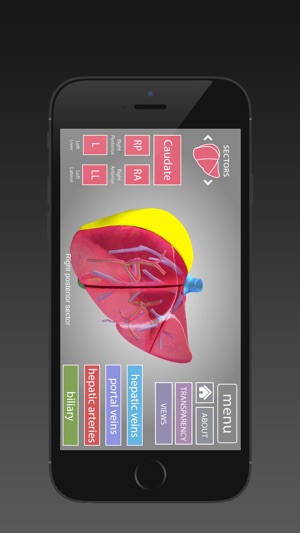
Detailed Description
Functionality & Mechanism
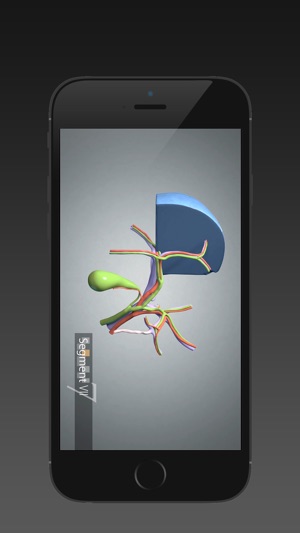
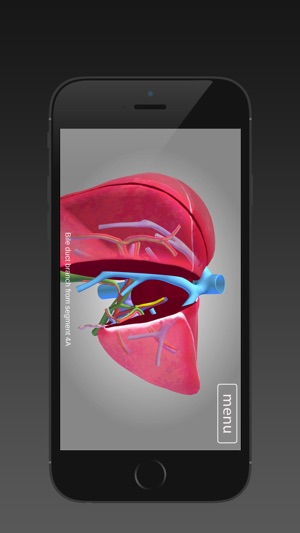
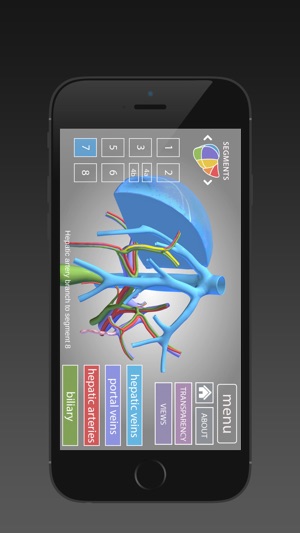
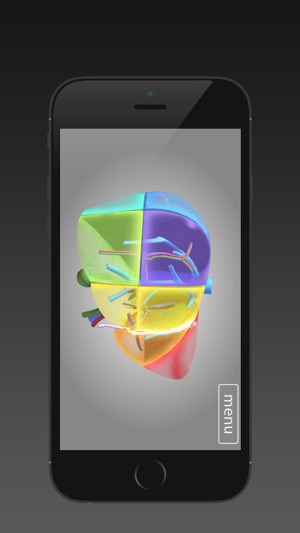
This application delivers an interactive, three-dimensional model of hepatic anatomy, designed for rapid reference and pedagogical use. Developed under the guidance of an Emory University surgical oncologist, the interface allows for direct manipulation of the anatomical model to visualize complex spatial relationships. The content synthesizes radiographic, cadaveric, and intraoperative surgical data, digitally sculpted by a certified medical illustrator to ensure high anatomical fidelity. This approach facilitates the mental mapping of vascular and segmental structures beyond traditional two-dimensional resources.
Evidence & Research Context
The app's design and content are grounded in established principles of surgical anatomy and medical illustration.
- The anatomical model was developed under the direction of a fellowship-trained surgical oncologist, ensuring clinical relevance and accuracy.
- Content is derived from a synthesis of multiple sources, including radiographic imaging, cadaveric dissection, and extensive intraoperative experience.
- A certified medical illustrator digitally sculpted the model to optimize both anatomical accuracy and pedagogical clarity.
- The app's design explicitly addresses the limitations of static learning resources for understanding complex three-dimensional surgical anatomy.
Intended Use & Scope
This application is designed as a pedagogical and reference tool for medical students, surgical trainees, and clinical educators. Its primary utility is to supplement formal anatomical training by providing a dynamic visualization of the liver. The tool is not a patient-specific modeling system and is not intended for direct surgical planning, navigation, or diagnostic use. Formal atlases and clinical imaging should be consulted for patient care.
Studies & Publications
Peer-reviewed research associated with this app.
Smartphone applications (apps) in general surgical practice: An insight into their reliability and usefulness
Sinha et al. (2022) · Turkish Journal of Surgery
Referenced in academic literature; no direct evaluation of the appApp Information
Developer
Emory UniversityCategory
Evidence Profile
Published in academic literature
Platforms
Updated
Jul 2015
© 2025 Emory University
Tags



Surgical Anatomy of the Liver (iPhone)
Free