
AppsFromResearch
Surgical Anatomy of the Lung icon

Surgical Anatomy of the Lung

Evidence Tier:DOCUMENTED

Published in academic literature

For:Clinicians & Healthcare Professionals

App Summary

Surgical Anatomy of the Lung is an educational and preoperative planning tool for surgeons and trainees, featuring an interactive 3D anatomy viewer, a cancer staging tool, and a lung capacity calculator. The associated research systematically evaluated the landscape of surgical apps, establishing criteria for identifying tools with high credibility and utility for clinical practice. The authors conclude that such apps are highly promising for surgical training, providing dependable information to enhance anatomical understanding and procedural planning.

App Screenshots

Surgical Anatomy of the Lung screenshot 1 of 8Surgical Anatomy of the Lung screenshot 2 of 8Surgical Anatomy of the Lung screenshot 3 of 8Surgical Anatomy of the Lung screenshot 4 of 8Surgical Anatomy of the Lung screenshot 5 of 8Surgical Anatomy of the Lung screenshot 6 of 8Surgical Anatomy of the Lung screenshot 7 of 8Surgical Anatomy of the Lung screenshot 8 of 8

Detailed Description

Functionality & Mechanism

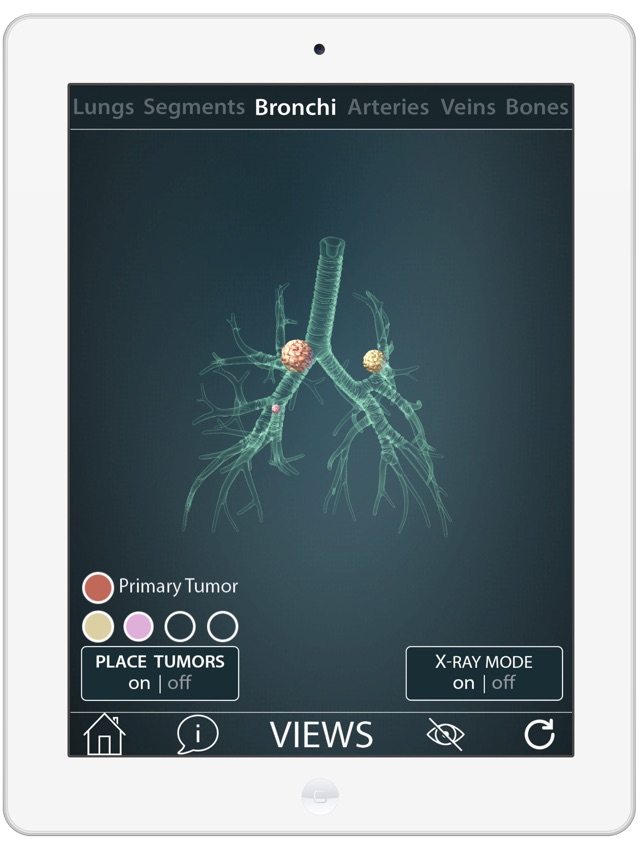
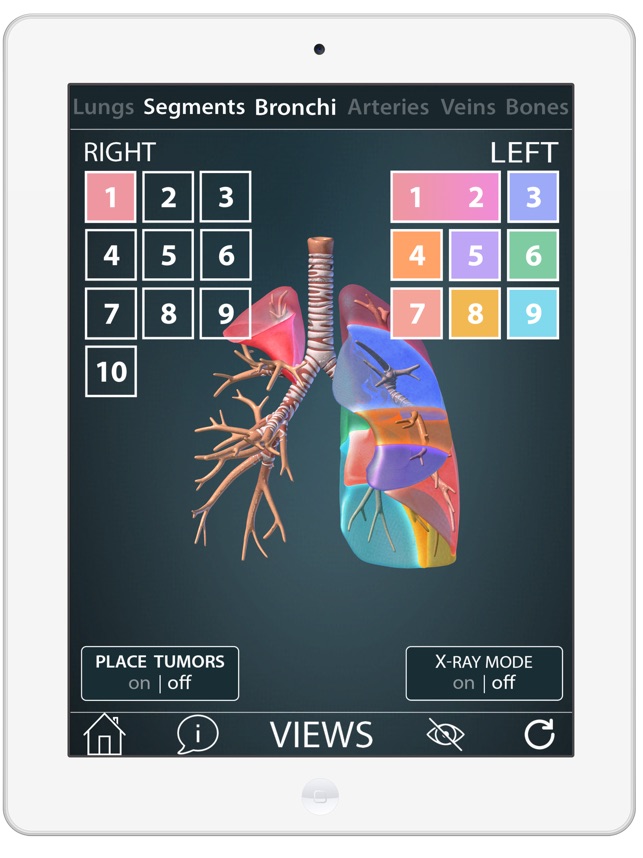
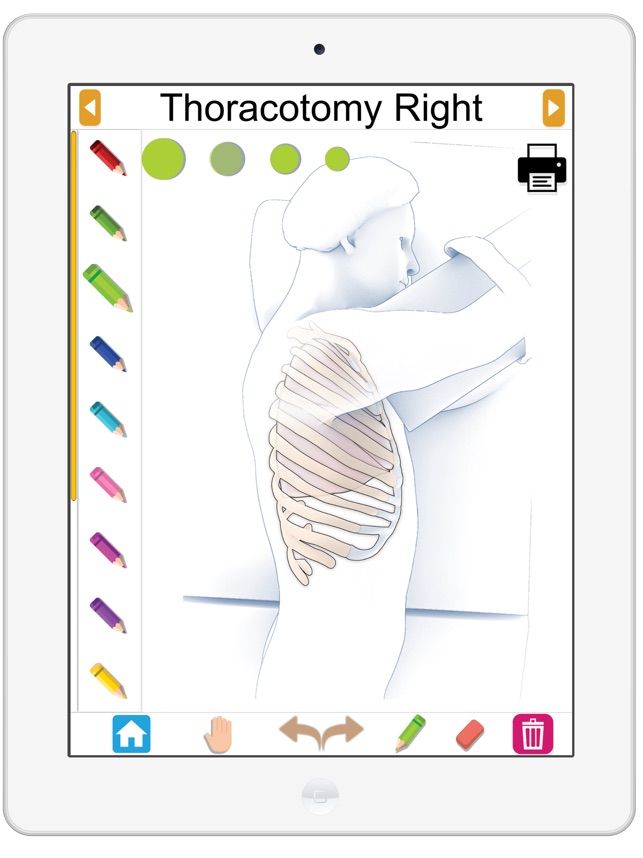
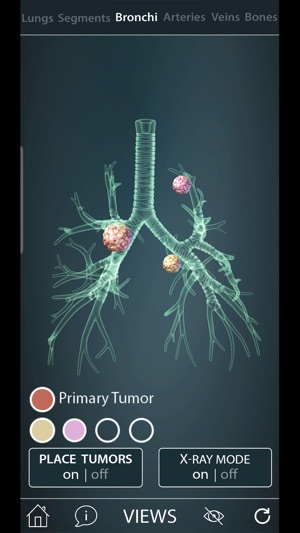
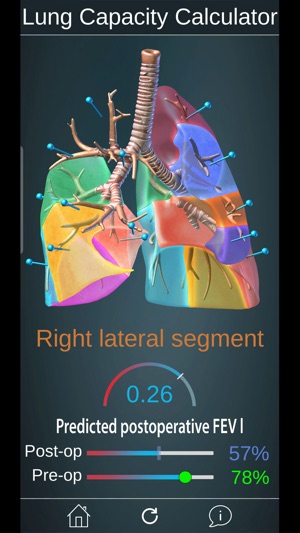
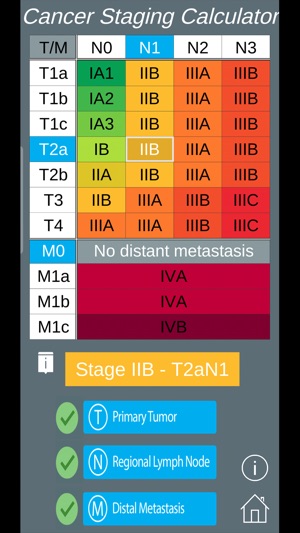
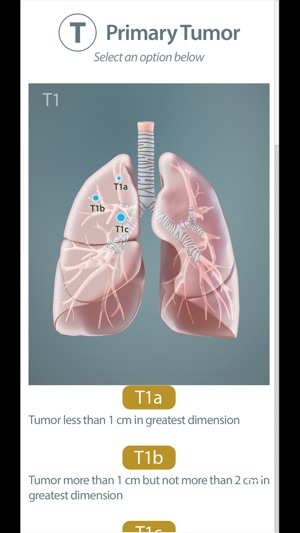
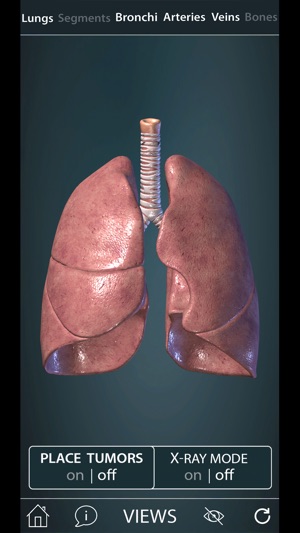
This preoperative planning and educational tool integrates four primary modules to support surgical preparation. The system facilitates postsurgical lung capacity assessment via an interactive calculator. A dedicated module delivers cancer staging information with corresponding illustrations. The platform's core is a 3D anatomy viewer that enables the manipulation of anatomical structures and the simulation of tumor placement. An additional component provides anatomical illustrations with annotation, drawing, and export capabilities, supporting case-specific planning and educational activities.

Evidence & Research Context

  • The app represents an emerging class of mobile applications designed to support surgical practice and training.
  • A market review of surgical apps assessed tools based on user ratings and number of reviews to identify platforms with high credibility and utility.
  • While this specific app was not individually evaluated in the review, the analysis highlights the growing role of verified digital resources in surgical workflows.
  • The authors concluded that apps meeting quality criteria can provide dependable and updated information for both surgeons and trainees.

Intended Use & Scope

This tool is designed for thoracic surgeons, surgical trainees, and medical educators as a supplementary resource for preoperative planning and anatomical instruction. Its primary utility is for visualizing patient-specific scenarios and reinforcing staging knowledge. The application does not substitute for diagnostic imaging, expert clinical evaluation, or formal surgical training and is not intended for diagnostic purposes.

Studies & Publications

1 publication

Peer-reviewed research associated with this app.

Non-Evaluative Reference

Smartphone applications (apps) in general surgical practice: An insight into their reliability and usefulness

Sinha et al. (2022) · Turkish Journal of Surgery

Referenced in academic literature; no direct evaluation of the app
In today's day and age with the advent of smartphones along with the handy apps available for download, there is increasing opportunities for surgeons to integrate such technology into clinical practice with great ease. This study aims to provide a systematic classification of apps in order to provide dependable data for choosing the right app by both surgeons and trainees. Material and Methods A series of methodical searches were carried out on "Google Play Store" and "Apple's App Store" with pre-decided keywords. The results were then sorted and segregated into relevant categories like core surgery, apps related to surgical practice, patient utility apps and other surgical branches. Thereafter, the apps that met with our cut-offs, were assessed for their credibility and utility, based on predefined parameters. Results There were a lot of variations in between the categories we segregated the apps into. Using predefined cutoff criteria, (rating >3 and reviews >30), 48 of the apps were assessed finally for their utility and credibility. Out of these 48 apps, 42 were on android platform while the remaining 6 were on iOS. Ten apps were found to be having high credibility and 15 apps have high utility. Conclusion The role of smartphone apps in surgery and surgical training appears highly promising and using apps with high credibility and utility will provide dependable and updated information for the surgeons and trainees.
... Read More

Surgical Anatomy of the Lung

Free