AppsFromResearch
SurvivorLink icon

SurvivorLink

Evidence Tier:VALIDATED

Initial research evidence · Mixed findings

For:Clinicians & Healthcare ProfessionalsPatients & Caregivers

App Summary

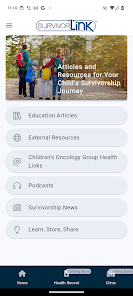
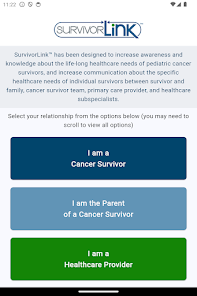
SurvivorLink is an electronic personal health record designed to help pediatric cancer survivors and their families manage long-term care by improving knowledge of late effects and facilitating communication with healthcare providers. An evaluation study (N=248) of young adult survivors and parents found that the tool was highly accepted, with 52% of previously unaware users reporting awareness of the need for specialized care after using the platform. The associated research concludes that SurvivorLink can improve knowledge around survivor care, and a larger trial is underway to establish its effectiveness as a communication and advocacy tool.

App Screenshots
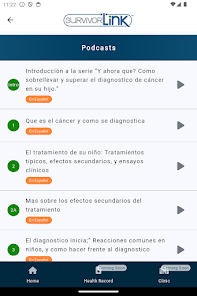
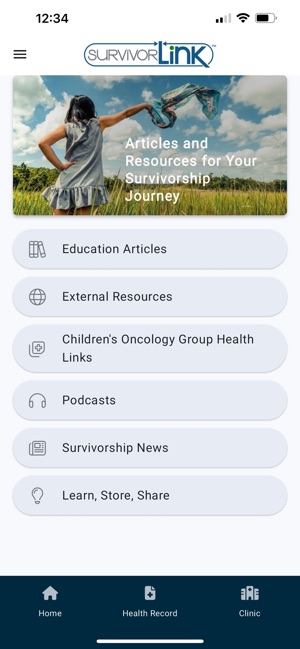
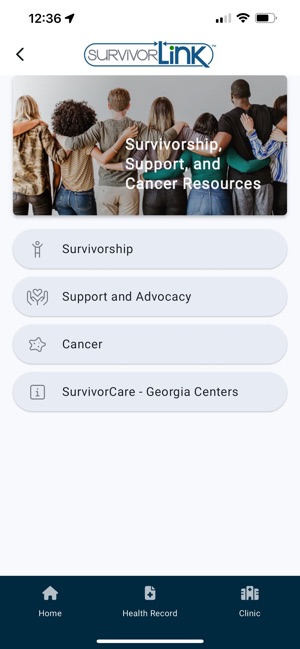
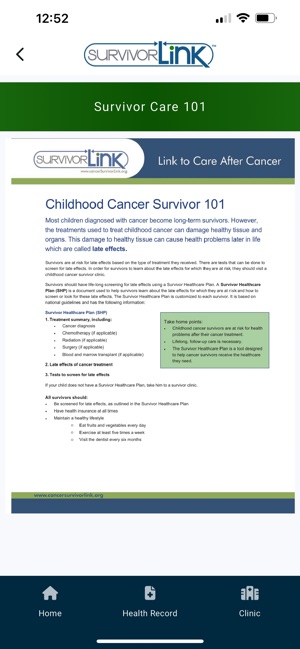
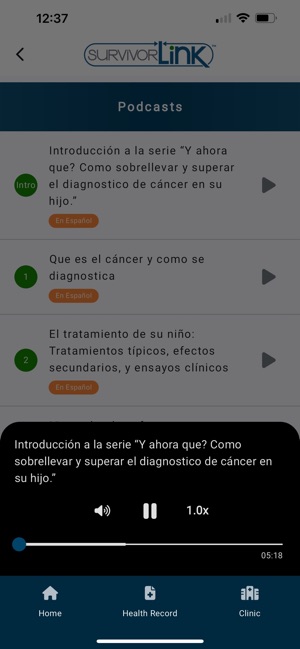
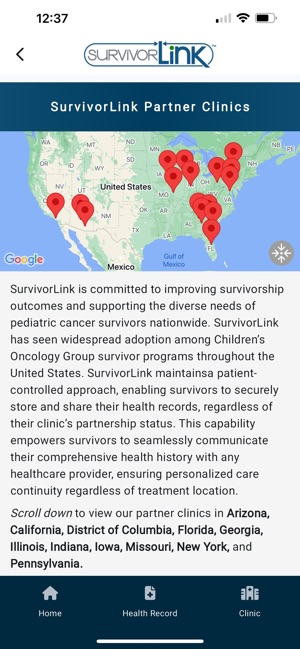
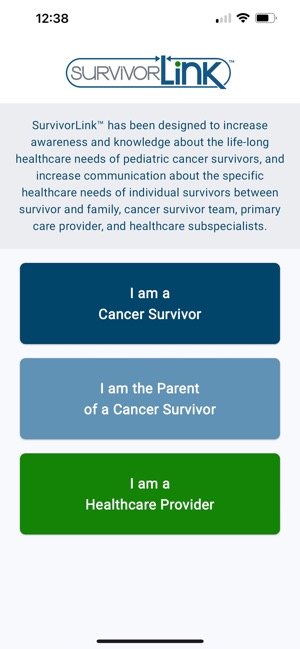
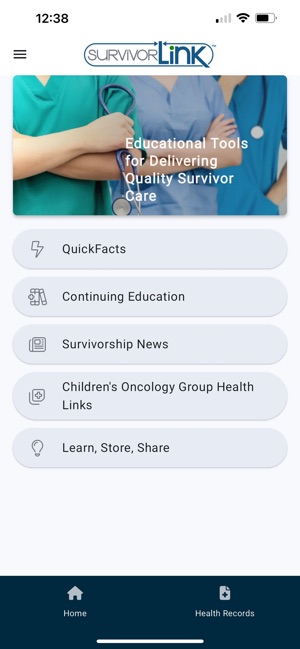
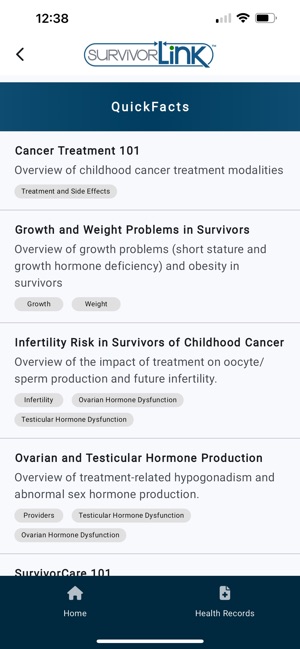
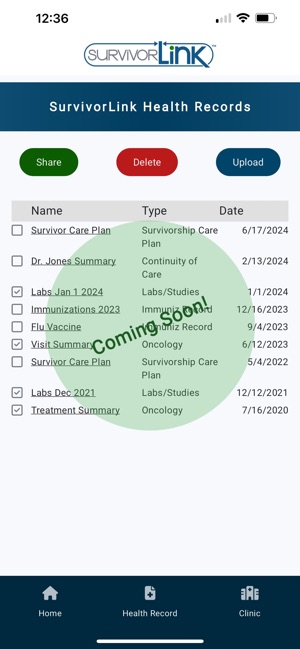
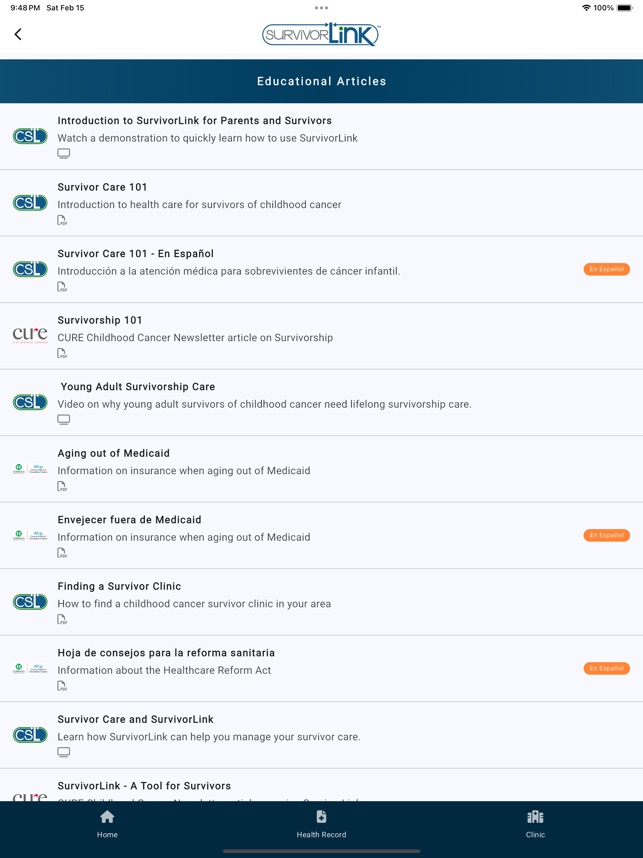
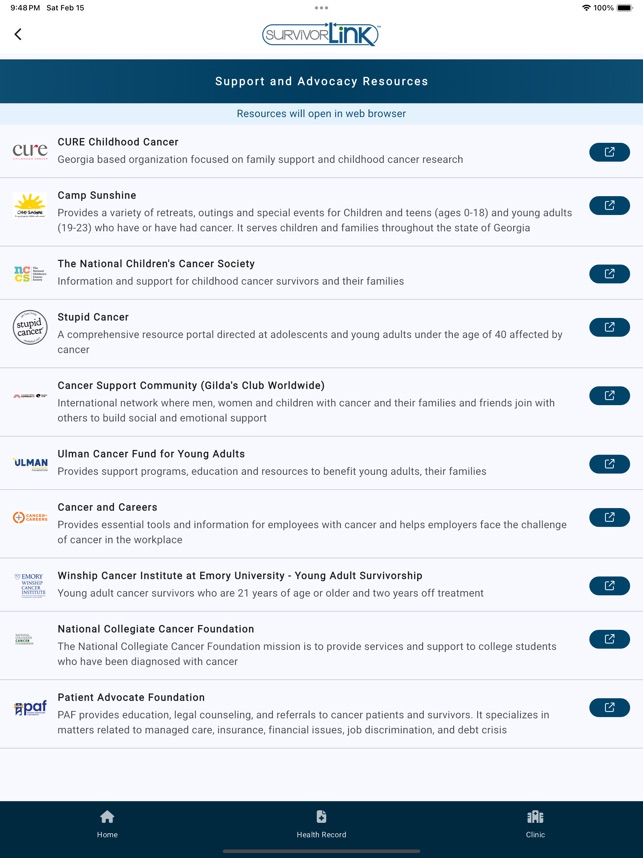
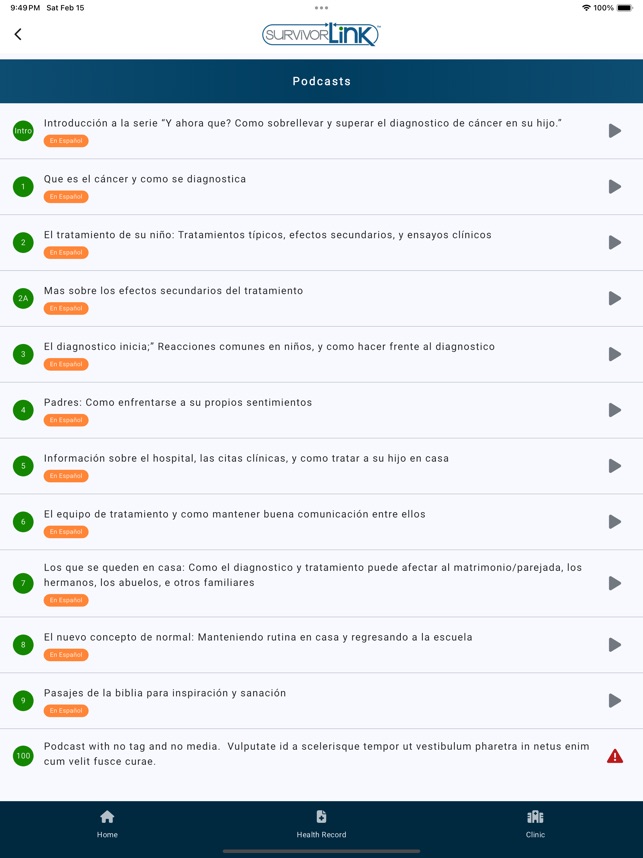
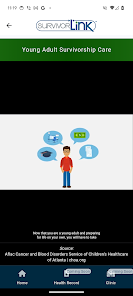
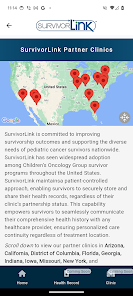
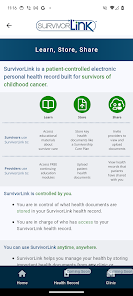
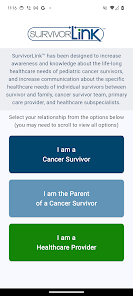
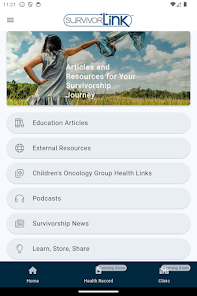
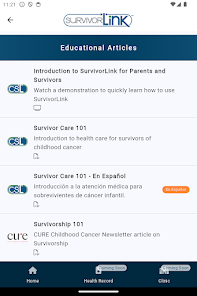
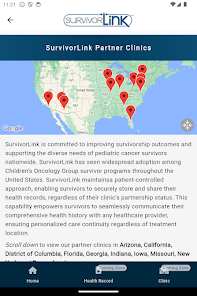
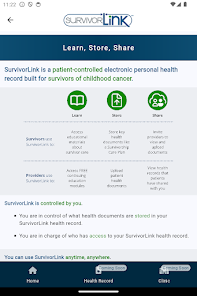
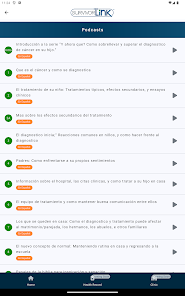
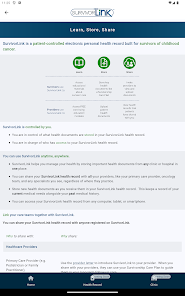
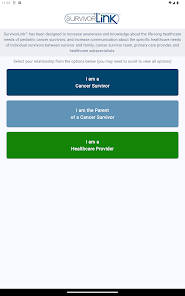
SurvivorLink screenshot 1 of 32SurvivorLink screenshot 2 of 32SurvivorLink screenshot 3 of 32SurvivorLink screenshot 4 of 32SurvivorLink screenshot 5 of 32SurvivorLink screenshot 6 of 32SurvivorLink screenshot 7 of 32SurvivorLink screenshot 8 of 32SurvivorLink screenshot 9 of 32SurvivorLink screenshot 10 of 32SurvivorLink screenshot 11 of 32SurvivorLink screenshot 12 of 32SurvivorLink screenshot 13 of 32SurvivorLink screenshot 14 of 32SurvivorLink screenshot 15 of 32SurvivorLink screenshot 16 of 32SurvivorLink screenshot 17 of 32SurvivorLink screenshot 18 of 32SurvivorLink screenshot 19 of 32SurvivorLink screenshot 20 of 32SurvivorLink screenshot 21 of 32SurvivorLink screenshot 22 of 32SurvivorLink screenshot 23 of 32SurvivorLink screenshot 24 of 32SurvivorLink screenshot 25 of 32SurvivorLink screenshot 26 of 32SurvivorLink screenshot 27 of 32SurvivorLink screenshot 28 of 32SurvivorLink screenshot 29 of 32SurvivorLink screenshot 30 of 32SurvivorLink screenshot 31 of 32SurvivorLink screenshot 32 of 32

Detailed Description

Functionality & Mechanism

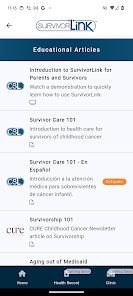
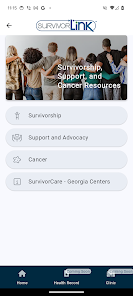
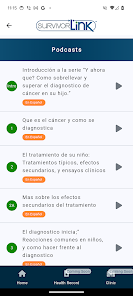
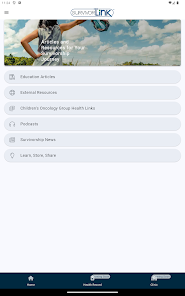
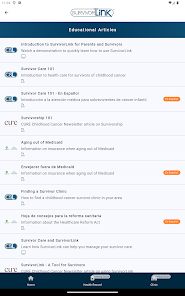
SurvivorLink is an electronic personal health record (ePHR) system designed to support pediatric cancer survivorship care. The platform enables survivors and their parents to securely store, manage, and electronically share health documents with registered healthcare providers. It integrates educational resources, including continuing education modules for clinicians and concise summaries of treatment late effects ("QuickFacts"). The system is engineered to facilitate communication and increase knowledge of lifelong healthcare needs among survivors, their families, and the clinical care team.

Evidence & Research Context

  • An evaluation study involving pediatric cancer survivors and their parents (N=248) demonstrated high system acceptance, with 96% of users willing to recommend it to other families and 90% intending future use.
  • The same evaluation found that among users initially unaware of their need for specialized survivor care, 52% reported awareness after engaging with the platform, compared to 0% of non-users.
  • Implementation research identified that prior attendance at a dedicated survivor clinic was the strongest predictor of users actively storing and sharing health documents within the system.
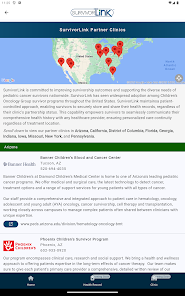
  • A published protocol details a hybrid effectiveness-implementation cluster randomized controlled trial designed to assess the system's impact on follow-up care attendance and risk-based surveillance across multiple pediatric cancer clinics.

Intended Use & Scope

This system is intended for use by pediatric cancer survivors, their parents, and healthcare providers as a communication and information management tool. Its primary utility is to support self-advocacy and facilitate shared care by centralizing health records and delivering educational content. SurvivorLink is an informational resource and does not provide medical advice, diagnosis, or treatment recommendations; it is designed to supplement, not replace, direct clinical consultation.

Studies & Publications

5 publications

Peer-reviewed research associated with this app.

Study Protocol

Scalability of Cancer SurvivorLink: A Cluster Randomized Trial among Pediatric Cancer Clinics

Escoffery et al. (2021) · Contemporary Clinical Trials

Research study planned or in progress; results not yet available
Background: Children diagnosed with cancer are living longer and the survivor population is growing. However, most survivors develop late effects of radiation and chemotherapy shortly to years after completion of therapy, and the receipt of follow-up visits that are recommended by the Children's Oncology Group (COG) is suboptimal nationally. Aims: The aims of this study are to: 1) evaluate the impact of a patient-controlled electronic personal health record (ePHR) and system (SurvivorLink) on care visit attendance, risk-based surveillance, and other secondary outcomes (i.e., patient activation, quality of life (QOL)); 2) measure the use, acceptability, and perceived usefulness of, and satisfaction with SurvivorLink; and 3) assess facilitators and barriers to implementation. Methods: This hybrid effectiveness–implementation, clustered randomized control trial (RCT) evaluates the effect of SurvivorLink among pediatric cancer survivors and their parents on receipt of follow-up cancer care. We will recruit 20 pediatric survivor clinics with half receiving the intervention and half acting as a waitlist control. Parents of survivors and survivors will complete baseline, 3 and 12 month surveys that assess SurvivorLink use, patient self-efficacy, and intentions to return for follow-up. We will use mixed methods and multi-informant assessment to assess implementation outcomes (i.e., acceptability, feasibility, appropriateness). Discussion: New approaches are needed to facilitate the receipt of long-term follow-up care among pediatric cancer survivors. This study will assess whether SurvivorLink is effective in increasing receipt of follow-up cancer care. Moreover, it will explore the influences of context and other moderators of clinical practice change in pediatric cancer survivorship.
... Read More
Usability Study

Evaluation of the adoption, acceptance, and satisfaction of SurvivorLink as a communication tool for pediatric cancer survivors.

Mertens et al. (2016) · Journal of Clinical Oncology

Cancer survivors and parents found the app easy to use and reported better awareness of survivor care needs.

Background: With the number of cancer survivors growing, focus on early recognition and treatment of late effects is even more imperative for life-long survivorship care. Electronic personal health records (PHR) potentially offer self-management and e-learning support which can empower the survivor, as well be used as a communication tool with healthcare providers (HCP). Methods: We developed a PHR, SurvivorLink (www.cancersurvivorlink.org), as a patient-centered tool to support pediatric cancer survivors, increase knowledge of late effects and survivor care, and promote communication between patients/parents and providers. Measures of success for a sustainable PHR implementation include adoption/use, acceptance, satisfaction and usability. The objectives of this feasibility study are to determine characteristics that predict the success of this PHR tool. An online pre-/post survey was administered to young adult survivors and parents of child survivors who registered on SurvivorLink. Results: Overall, 155 parents and 93 survivors completed the pre-test survey; 75% and 86% respectively have subsequently logged into SurvivorLink after initial registration. Individuals who used this PHR were more likely to be survivors (vs. parents; Odds Ratio (OR): 2.2, 95% CI: 1.1, 4.2). Other demographic variables were analyzed but no significant differences were found between users and non-users. Among users not aware of their need for specialized survivor care at the pre-survey, 52% reported awareness of the need for survivor care in the post-survey (vs 0% of non-users). Parents/survivors also reported high acceptance: 90% would use in the future, 82% stated it would help with advocating for survivor's health; and usability: 96% would recommend to other survivors/parents, 95% would recommend to their healthcare provider. Conclusions: SurvivorLink can improve knowledge around the importance of survivor care, and is both adopted and accepted by survivors/ parents independent of demographic differences. Research is underway to establish SurvivorLink's effectiveness as an advocacy/communication tool for survivor/parent with HCP in the self-management of their healthcare.
... Read More

In the Media

Cancer SurvivorLink

SurvivorLink developed a groundbreaking collaboration with Passport for Care, a clinical decision support platform from Texas Children's Hospital and Baylor College of Medicine, to transform survivorship care through integrated digital tools funded by Hyundai Hope on Wheels. "This collaboration is an important step in providing survivors with the tools and support they need to better manage their care and improve their long-term health," said Dr. Karen Effinger, Co-Director of the Cancer Survivor Program at Children's Healthcare of Atlanta. The partnership will expand nationwide through over 160 Children's Oncology Group clinics already using PFC.

CancersurvivorlinkRead article

Passport for Care and Cancer SurvivorLink Join Forces to Enhance Survivor-Centered Care

Children's Healthcare of Atlanta and Emory University developed SurvivorLink to empower childhood cancer survivors by giving them control over their medical documents and linking them with healthcare providers, while Texas Children's Hospital created Passport for Care to provide clinical decision support for personalized late effects risk assessment. The two platforms are integrating through a collaboration funded by Hyundai Hope on Wheels, allowing survivors to "seamlessly navigate between systems to access their treatment history, understand their health risks and improve communication with their medical teams." This partnership addresses the critical need for follow-up care, as 60-90% of childhood cancer survivors experience health problems called late effects after treatment.

ChoaRead article

Winship study links survivorship care to longer life for childhood cancer survivors

Researchers at Winship Cancer Institute of Emory University and Children's Healthcare of Atlanta developed survivorship care plans to improve long-term outcomes for childhood cancer survivors, using personalized documents that outline treatment history and monitoring recommendations. The study found that survivors who received these plans had a 38% lower risk of death over 10 years compared to those who did not receive them. "Our study shows that when childhood cancer survivors are engaged in survivorship care through tools like a survivorship care plan, they experience better overall and event-free survival," says lead author Xu Ji, PhD, MSPH.

EmoryRead article

SurvivorLink

Free