WiBee
Expert-developed at a leading university
App Summary
App Screenshots
Detailed Description
Functionality & Mechanism
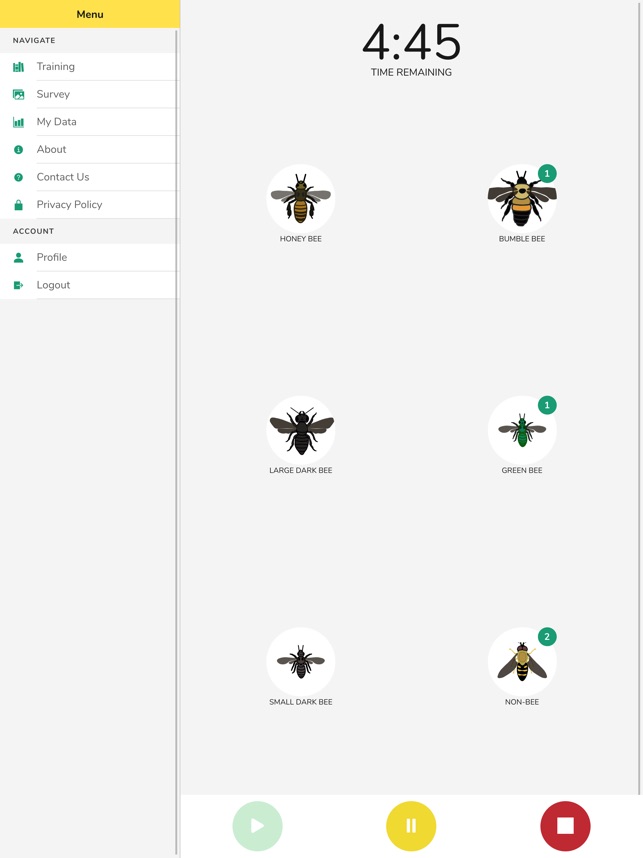
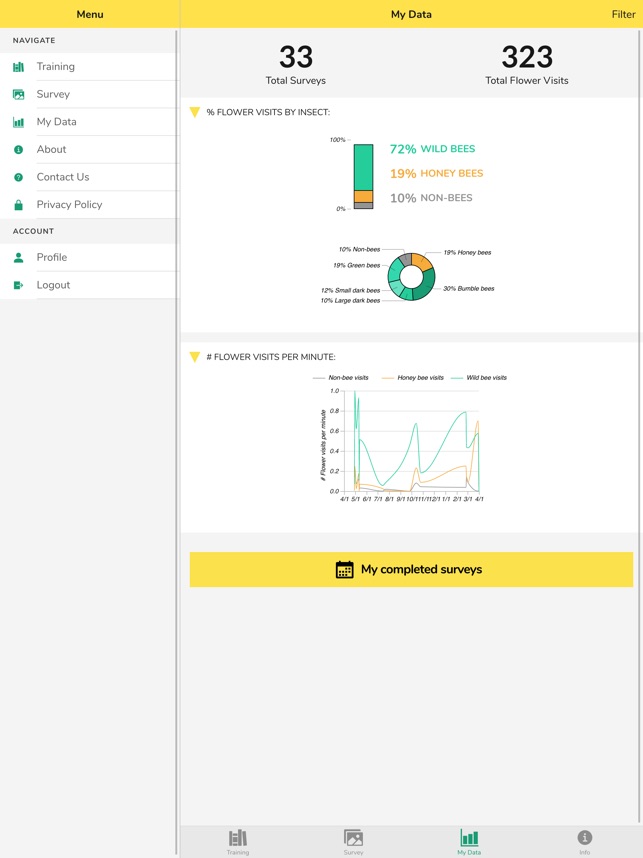
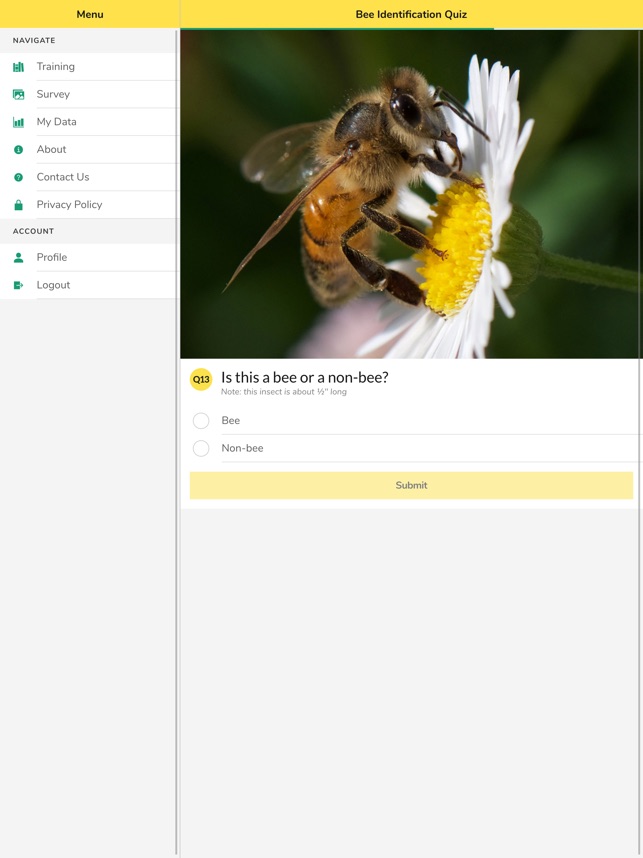
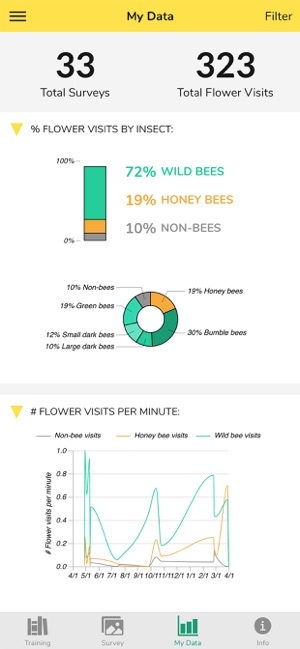
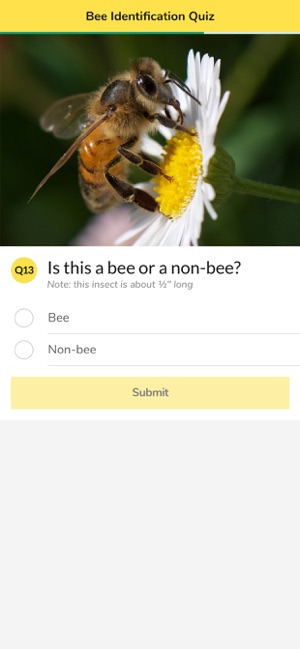
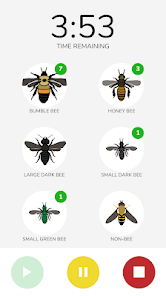
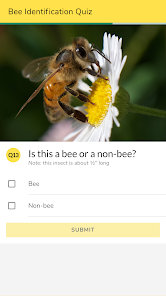
WiBee is a citizen science data collection tool from the Gratton Lab at the University of Wisconsin-Madison. The app facilitates standardized, timed surveys of local bee populations and diversity. It guides users to observe a 3x3 foot patch of flowers for five minutes, logging each pollinator visit by category. This mechanism crowdsources observational data, which is compiled on a public portal to support research into wild bee activity and its role in crop pollination.
Development & Context
- The app was developed in response to Wisconsin growers' questions about whether wild bee populations are sufficient for crop pollination.
- The news coverage notes it was created by Professor Claudio Gratton's lab at UW-Madison with funding from the Baldwin Wisconsin Idea Endowment and Gwenyn Hill Farm.
- In 2020, its first year of operation, 116 users conducted 891 surveys across the state on crops like apples and cranberries.
- The project aims to aggregate long-term data to monitor trends, inform farm management, and support native bee conservation efforts.
Intended Use & Scope
WiBee is designed for Wisconsin growers, gardeners, and community scientists interested in contributing to pollinator research. Its primary scope is to collect observational data on bee abundance and diversity across various landscapes. As reported in news articles, this crowdsourced information is intended to inform future farm management and conservation recommendations, not provide immediate, validated guidance.
In the Media
New app helps farmers, researchers track bee populations
The University of Wisconsin's Gratton Lab developed the WiBee smartphone app to harness citizen science and community efforts to track wild bee populations and diversity. Professor Claudio Gratton and Hannah Gaines-Day lead the WiBee project as principal investigators encouraging users to "See a bee? Mark it on WiBee!" The app enables widespread data collection on wild bee species throughout Wisconsin.
WiBee mobile app seeks to assess, bolster Wisconsin's wild bees
The WiBee mobile app seeks to assess and bolster Wisconsin's wild bee populations as growers, gardeners, and researchers across the state closely scrutinize beneficial insects collecting pollen and nectar in crop fields, prairie parcels, and woodlands. On warm summer days, bees are under surprisingly close surveillance through the citizen science platform. The app enables community-based monitoring of critical pollinator populations throughout Wisconsin.
Bee-Spying Mission Seeks Operatives
WiBee: The Wisconsin Wild Bee app enables growers, gardeners, researchers, and others to conduct bee-spying missions, monitoring beneficial insects as they work collecting pollen and nectar in fields, prairies, and woodlands on sunny summer days. The citizen science tool puts these important pollinators under close surveillance across the state. The app empowers widespread community participation in tracking wild bee populations.
The WiBee App Tracks Wild Bee Pollinators on Your Farm
The WiBee App tracks wild bee pollinators on farms, with Wisconsin hosting over 400 species of native wild bees that pollinated wildflowers long before European honeybees arrived. On warm, sunny days during the growing season, fruit and vegetable blooms attract many different bee species including bumble bees, honey bees, leafcutter bees, mason bees, and sweat bees. The app helps farmers and researchers monitor native pollinator populations.
New App Helps Wisconsin Farmers, Researchers Track Wild Bee Populations
University of Wisconsin-Madison researchers developed WiBee, a smartphone app helping Wisconsin fruit and vegetable growers understand bee populations on their farms, led by Claudio Gratton. According to Wisconsin Public Radio, the app provides data to help researchers and farmers better understand bee health in the state. The citizen science tool enables widespread monitoring of pollinator populations across agricultural landscapes.
App Information
Developer
University of Wisconsin-MadisonCategory
Evidence Profile
Expert-developed at a leading university
Platforms
Updated
Sep 2026
© 2025 University of Wisconsin-Madison