
Yale Gassing Greener
Initial evidence from research studies
App Summary
App Screenshots




Detailed Description
Functionality & Mechanism
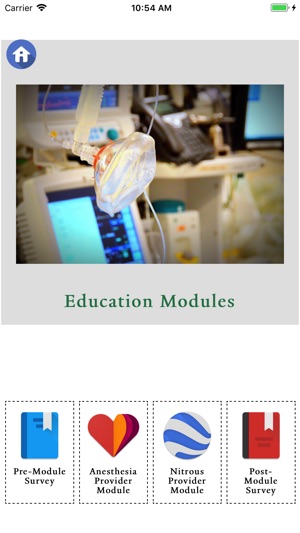
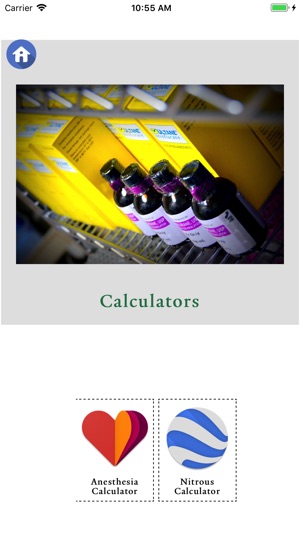
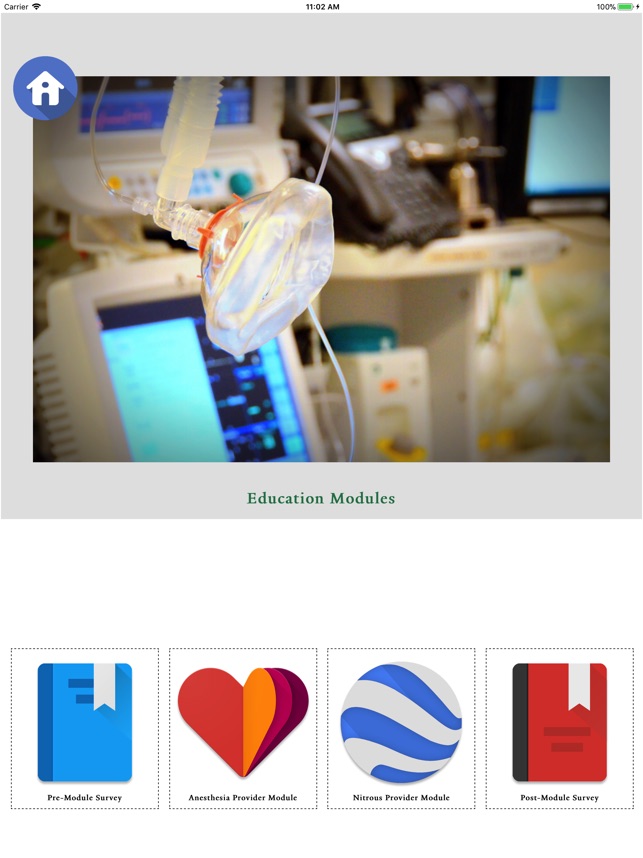
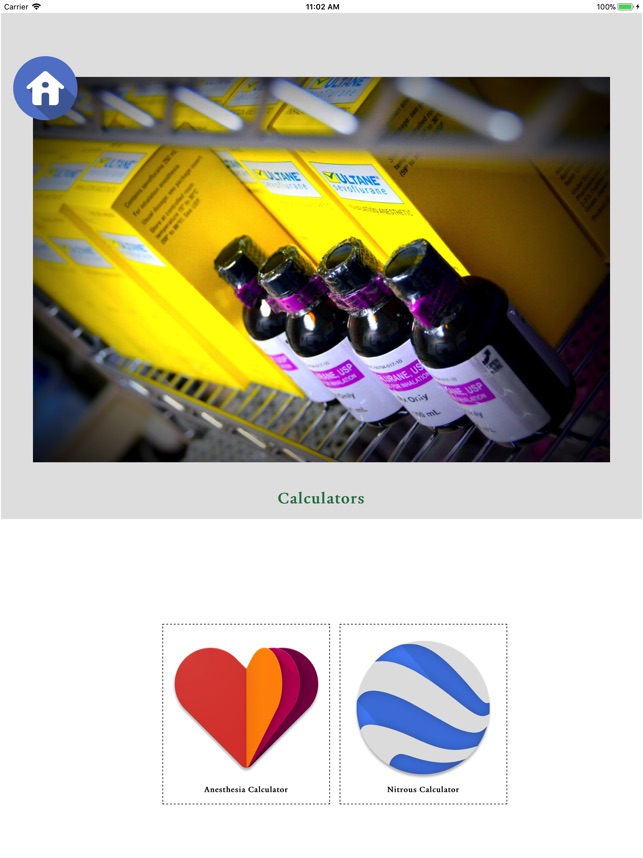
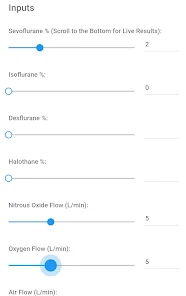
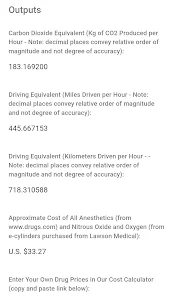
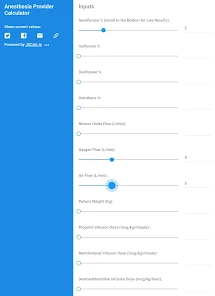
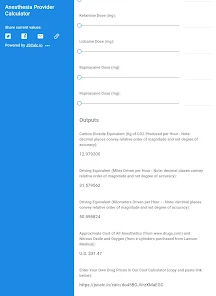
Developed by Yale University's Department of Anesthesiology, this calculator quantifies the carbon emissions associated with inhaled anesthetics. The system integrates two primary modules: a clinician calculator and a facility calculator. The clinician module captures case-specific data on anesthetic agent amounts and fresh gas flow rates to generate an immediate carbon emission equivalent report. The facility module processes aggregate data on purchased anesthetics, delivering a comprehensive institutional emissions analysis to inform systemic practice changes.
Evidence & Research Context
The app's calculations are grounded in life cycle assessment (LCA) research comparing the environmental impact of common anesthetic agents.
- The associated research establishes the perioperative environment as a primary contributor to the ecological footprint of healthcare institutions.
- A life cycle assessment demonstrated that the greenhouse gas impact of desflurane is approximately 20 times greater than that of sevoflurane on a per MAC-hour basis.
- The climate impact of inhaled agents is dominated by the atmospheric release of uncontrolled waste anesthetic gases, whereas propofol's impact is comparatively negligible.
- The scientific literature identifies restricting high-impact agents (desflurane, nitrous oxide) and optimizing fresh gas flow rates as key mitigation strategies.
Intended Use & Scope
This tool is designed for anesthesia providers and perioperative administrators to quantify the environmental impact of anesthetic selection. Its primary utility is as an educational resource to promote awareness and inform practice modification. The system does not provide clinical recommendations or supersede professional judgment, which must remain focused on patient safety and clinical appropriateness.
Studies & Publications
Peer-reviewed research associated with this app.
Environmental sustainability in anaesthesia and critical care
McGain et al. (2020) · British Journal of Anaesthesia
Referenced in academic literature; no direct evaluation of the appLife Cycle Greenhouse Gas Emissions of Anesthetic Drugs
Sherman et al. (2012) · Anesthesia & Analgesia
Successfully quantified greenhouse gas emissions across five anesthetic drugs, identifying desflurane as the highest impact.
In the Media
Reduce Inhaled Anesthetic Atmospheric Waste
Yale University's Department of Anesthesiology developed Yale Gassing Greener to help anesthesia providers build environmentally conscious practices through two calculators that provide reports on carbon emissions based on clinician and facility use of inhaled anesthetics. The Yale School of Public Health initiative addresses atmospheric waste from anesthetic gases. The app enables healthcare facilities to reduce their environmental impact from anesthesia practices.
Reduce Carbon Footprint from Inhaled Anesthesia with New Guidance Published
The American Society of Anesthesiologists published new guidance to help reduce carbon footprint from inhaled anesthesia during National Anesthesia Technician and Technologist Week, January 25-31, 2026. The organization celebrates leaders and innovators advancing safer care from surgery to pain management and critical care. The guidance supports environmentally conscious anesthesia practices while maintaining patient safety.
Uncovering Healthcare's Hidden Climate Impact
Dr. Jodi Sherman, a Yale physician and researcher on sustainability, explains that healthcare produces 8.5% of all U.S. greenhouse gas emissions as well as other air pollution forms, paradoxically causing harm while saving lives. According to Sherman, "the first step to making healthcare sustainable is to understand the scope of the problem," as globally healthcare accounts for significant climate impact. Yale Insights explores how pollution generated in healthcare's mission to improve lives affects people and the planet.
Perioperative Sustainability Team tackles unique challenges in sustainable healthcare
Yale New Haven Hospital's Perioperative Sustainability Team (PST) addresses daily challenges of sustainable practices in healthcare settings, responding to the fact that nearly one-third of a hospital's waste comes from the operating room. Dr. Jodi Sherman, Associate Professor of Anesthesiology at the Yale School of Medicine, leads the team well-positioned to make positive impact on reducing surgical waste. The initiative tackles unique challenges in sustainable healthcare through targeted operating room interventions.
Greenhouse Gas (GHG) Emissions and Removals
The U.S. Environmental Protection Agency provides comprehensive data and resources on greenhouse gas (GHG) emissions and removals through its National GHG Emission and Sinks report covering 1990-2022. The EPA explores key findings and data from the latest national emissions trends and offers new state GHG data and resources for climate action. The agency provides tools and information to support greenhouse gas reduction efforts.
App Information
Developer
Yale UniversityCategory
Evidence Profile
Initial evidence from research studies
Platforms
Updated
Jul 2018
© 2025 Yale University