
AppsFromResearch
CalcificAID icon

CalcificAID

Evidence Tier:EVALUATED

Assessed for usability and quality

For:Clinicians & Healthcare ProfessionalsStudents

App Summary

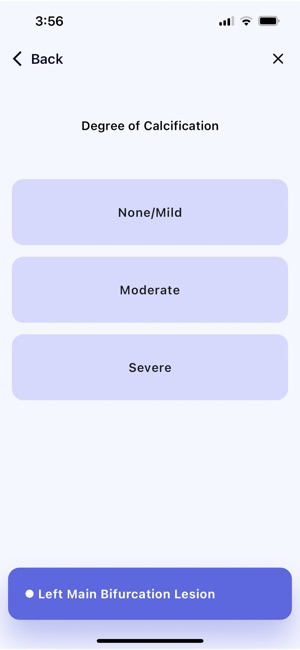
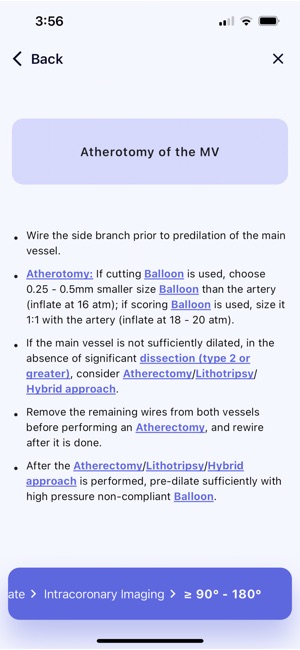
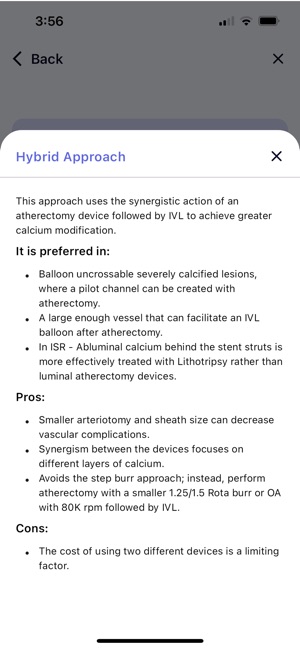
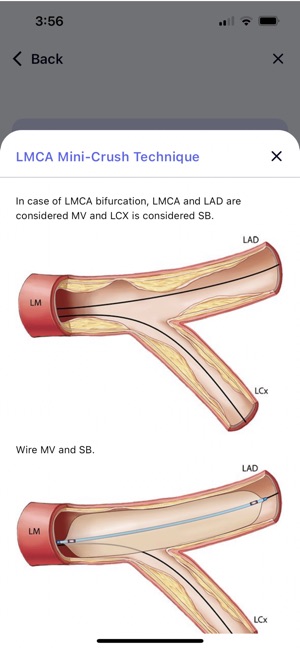
CalcificAID is an educational mobile platform for cardiology professionals that provides step-by-step guidance on identifying and treating complex calcified coronary lesions. The associated research reports on the app's successful global implementation, finding that in a user survey, over 87% of respondents rated its ease of use, organization, and functionality favorably. The authors conclude that such digital platforms represent a successful shift towards hybrid learning models, offering accessible, "on-the-go" educational resources for medical training.

App Screenshots

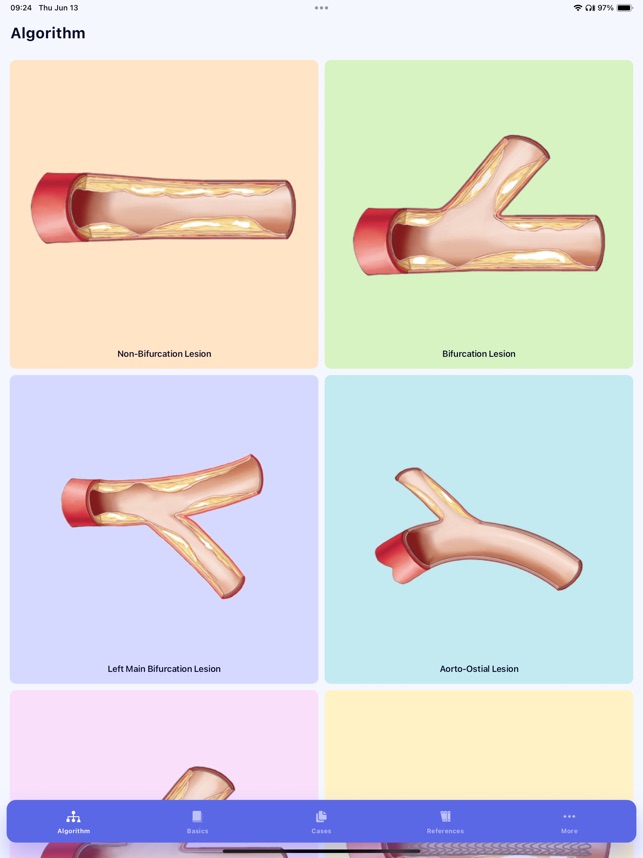
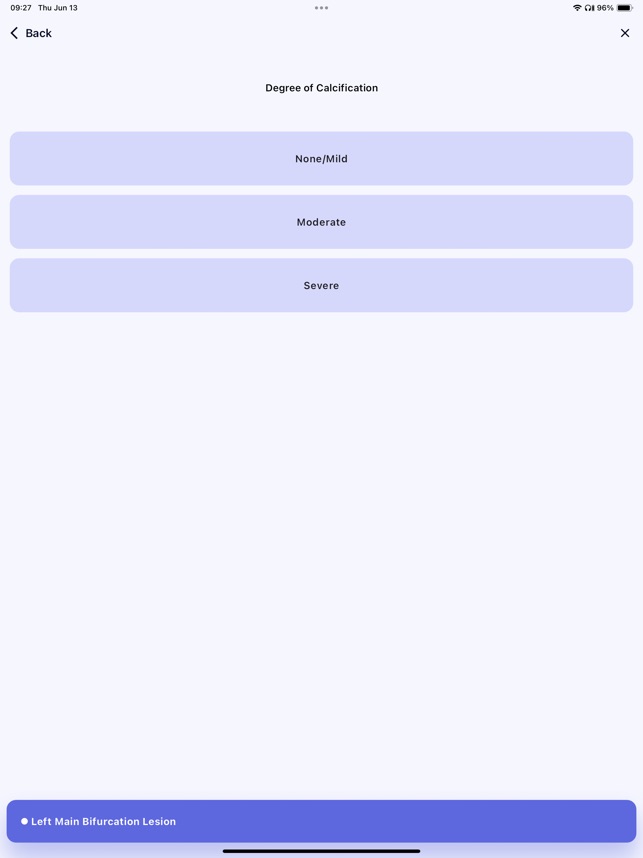
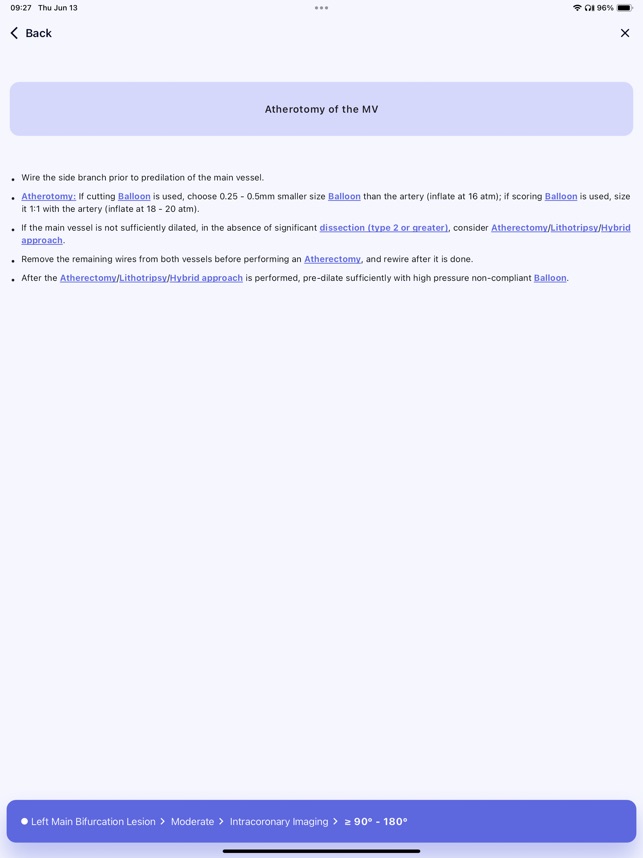
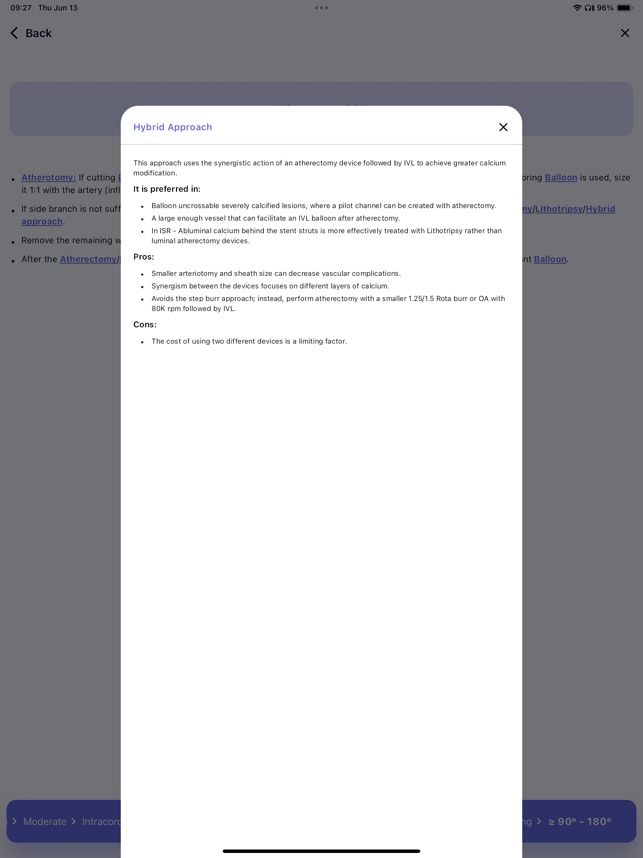
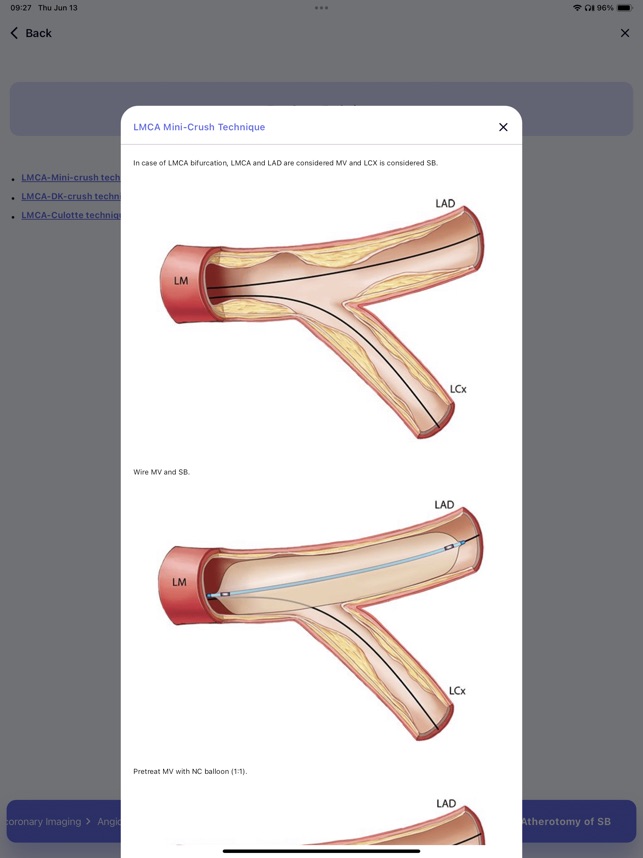
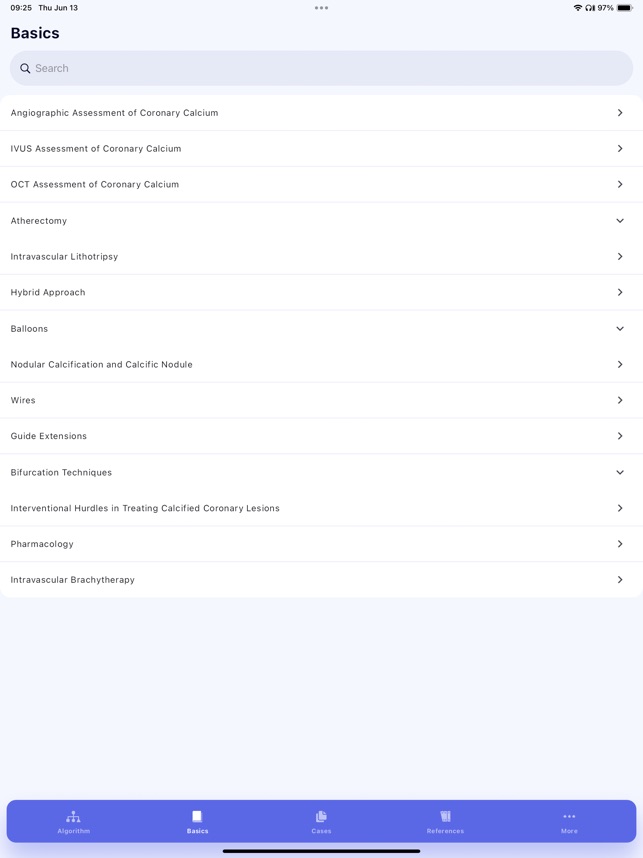
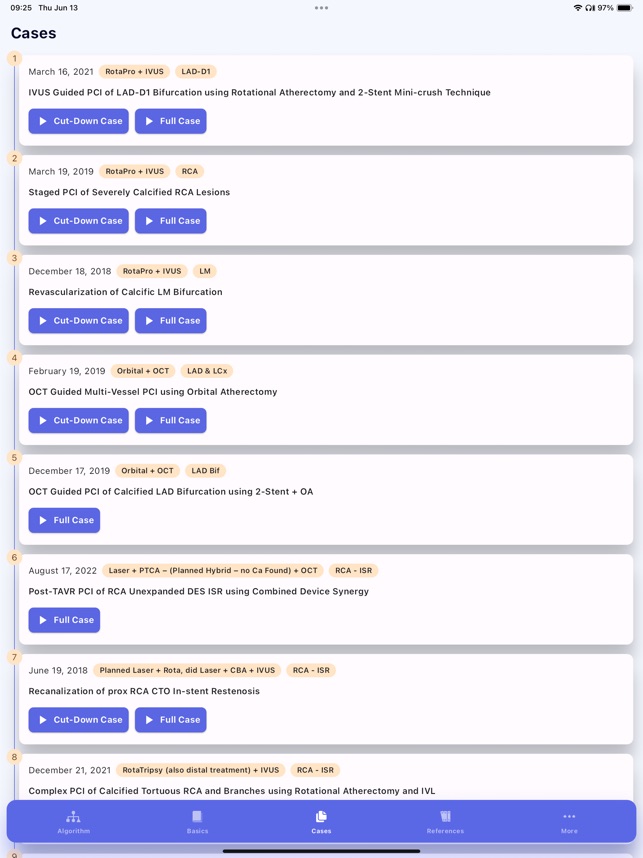
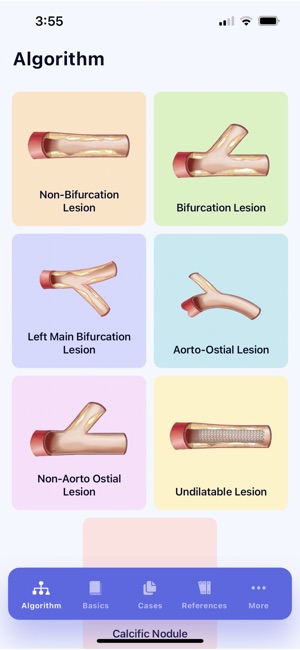
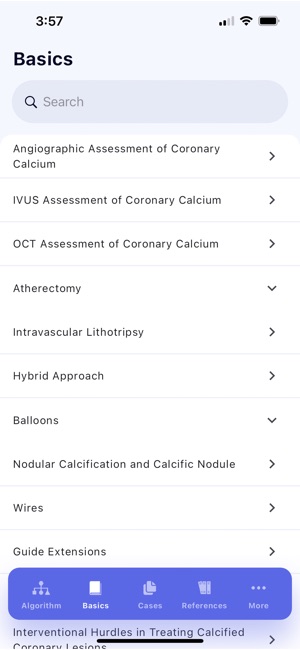
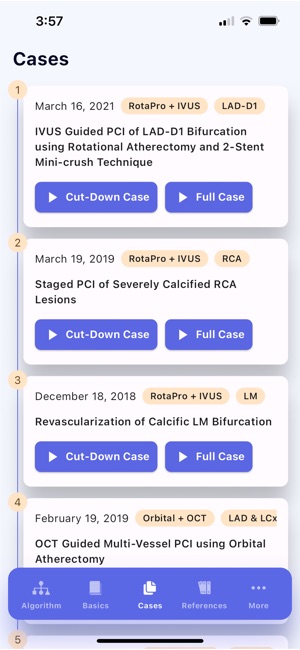
CalcificAID screenshot 1 of 14CalcificAID screenshot 2 of 14CalcificAID screenshot 3 of 14CalcificAID screenshot 4 of 14CalcificAID screenshot 5 of 14CalcificAID screenshot 6 of 14CalcificAID screenshot 7 of 14CalcificAID screenshot 8 of 14CalcificAID screenshot 9 of 14CalcificAID screenshot 10 of 14CalcificAID screenshot 11 of 14CalcificAID screenshot 12 of 14CalcificAID screenshot 13 of 14CalcificAID screenshot 14 of 14

Detailed Description

Functionality & Mechanism

Developed by interventional cardiologists at Icahn School of Medicine at Mount Sinai, CalcificAID is an educational reference tool for managing calcified coronary lesions. The system delivers step-by-step, illustrated guidance on clinical decision-making. The interface guides clinicians through identifying coronary calcification via angiography and intravascular imaging. It then delineates treatment algorithms for various modalities, including rotational, orbital, and laser atherectomy, intravascular lithotripsy (IVL), and atherotomy, to optimize lesion preparation prior to percutaneous coronary intervention and stenting.

Evidence & Research Context

  • A utilization study reports the platform achieved significant global adoption, with over 50,000 downloads across more than 150 countries.
  • An associated user survey indicated high favorability, with over 87% of respondents positively rating the tool's ease of use, organization, and functionality.
  • Responding clinicians assigned the educational platform an overall satisfaction score of 4.4 out of 5.
  • The authors note the app's role as a complementary educational resource and recommend future research to assess its direct impact on knowledge retention.

Intended Use & Scope

This tool is designed for interventional cardiologists, cardiology fellows, and other clinicians managing complex coronary artery disease. Its primary utility is as an educational reference and procedural guide to support clinical decision-making. The app does not replace formal training, comprehensive clinical evaluation, or institutional protocols and is not a substitute for expert consultation.

Studies & Publications

1 publication

Peer-reviewed research associated with this app.

Usability Study

The Future of Education in Cardiology: Development and Utilization of a Novel App-Based Educational Platform

Koshy et al. (2023) · JACC: Advances

Users found the app easy to use and functional, with 87% rating it favorably.

Background: The rapid "tech-celeration" of digital learning and the integration of digital health services have highlighted the potential of Mobile health (mHealth) applications to provide innovative, "on-the-go" medical education. However, the utilization and impact of such platforms in the field of cardiology remain understudied. Methods: This study reports on the development and real-world utilization of a novel app-based educational platform designed for cardiology professionals. The authors analyzed global download metrics and conducted a user survey to evaluate clinician attitudes, app functionality, ease of use, and the role of digital tools in modern medical education. Results: The educational platform achieved significant global uptake, with over 50,000 downloads across more than 150 countries. Survey data revealed that over 87% of respondents rated the app favorably for its ease of use, organization, and functionality, assigning it an overall score of 4.4 out of 5. A majority of participants perceived digital learning as complementary to, rather than a replacement for, traditional textbook-based resources. Furthermore, the study observed a distinct increase in the use of digital educational technologies following the COVID-19 pandemic, particularly among non-white respondents and those practicing in urban settings. Conclusions: The findings demonstrate the successful global implementation of a digital cardiology education platform, reflecting a shift towards hybrid learning models in medical training. While the proliferation of mHealth apps offers accessible educational opportunities, the authors highlight the need for future research to assess the long-term impact of multimedia content on user engagement and knowledge retention, as well as the necessity for stakeholders to establish quality standards for digital learning resources.
... Read More

CalcificAID

Free