
cdli tablet
Published in academic literature
App Summary
App Screenshots
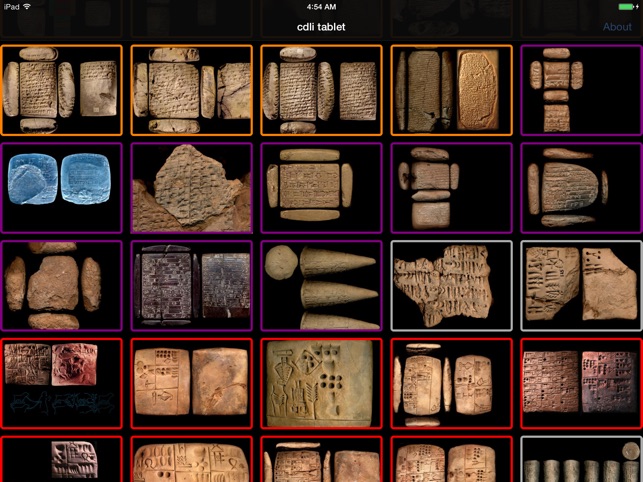
Detailed Description
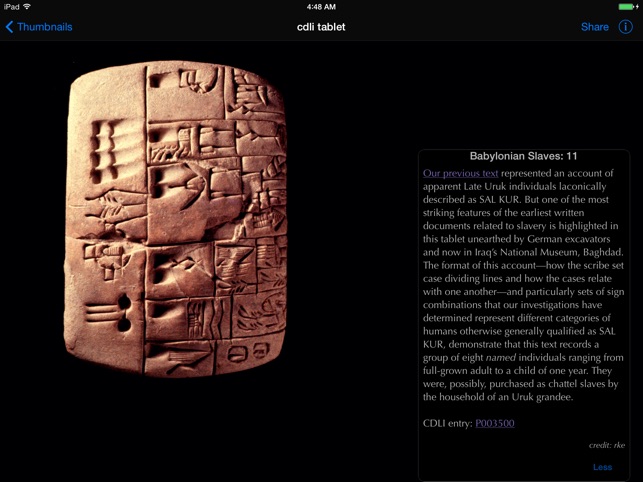
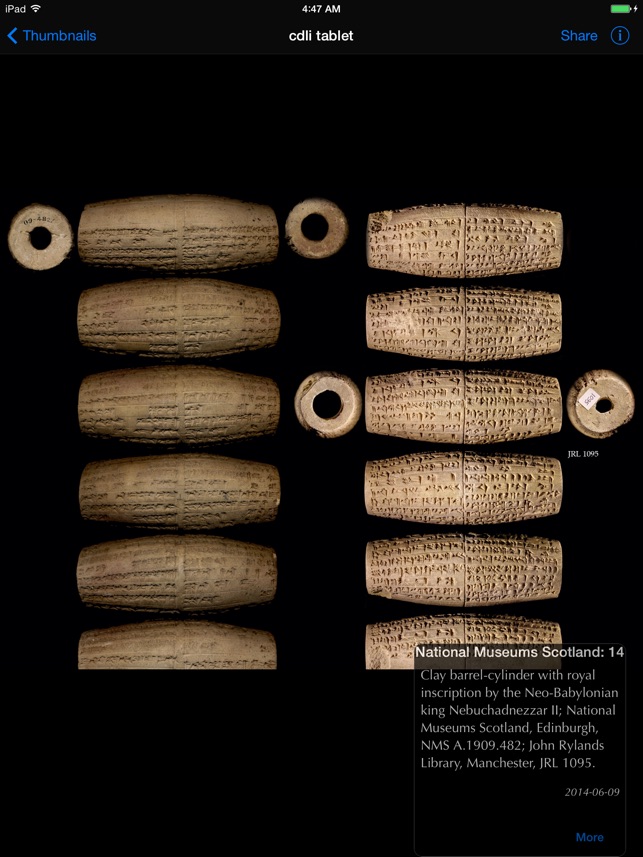
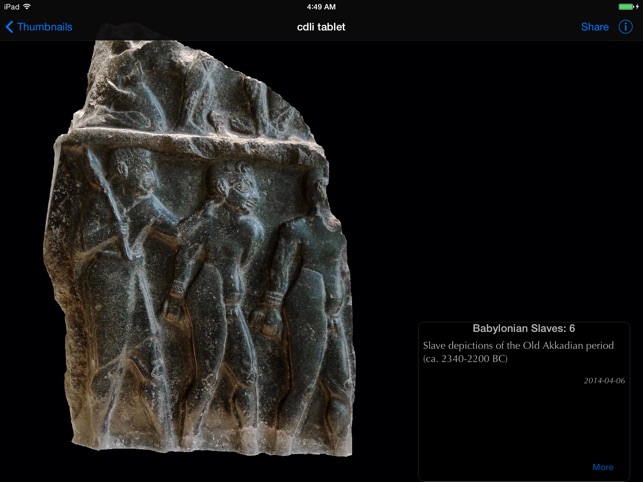
Functionality & Mechanism Developed by the Cuneiform Digital Library Initiative (CDLI) at UCLA, this application delivers daily curated content on ancient Mesopotamian cultural heritage. The interface presents a continuous stream of entries, each pairing images of cuneiform artifacts with concise, expert-authored descriptions of their historical significance. The system organizes these entries thematically, providing pedagogical content on the origins of mathematics, law, and literature. New entries are uploaded daily, creating an expanding digital archive for sustained engagement.
Evidence & Research Context
- The application is a core component of the Cuneiform Digital Library Initiative (CDLI), a major international research project hosted at UCLA.
- All content, including textual descriptions and artifact imagery, is contributed and validated by specialists in cuneiform studies, Near Eastern archaeology, and art history.
- The associated research details the app's design as a vehicle for the digital preservation and global dissemination of Mesopotamian cultural heritage.
- Its pedagogical framework aims to make primary source material accessible to both academic experts and informal learners through a daily content delivery model.
Intended Use & Scope This application is designed as an educational and cultural heritage resource for researchers, educators, students, and the general public. Its primary utility is to provide accessible, expert-curated introductions to key artifacts and themes in cuneiform studies. The tool is not a comprehensive research database and does not substitute for scholarly publications or direct artifact analysis.
Studies & Publications
Peer-reviewed research associated with this app.
CDLI tablet
CDLI et al. (2025)
Describes the research-driven development of this appIn the Media
cdli tablet joins the Android family
The Cuneiform Digital Library Initiative (CDLI) at UCLA's Department of Near Eastern Languages and Cultures launched "cdli tablet" for Android devices to showcase ancient Mesopotamian cultural heritage, combining text and images documenting three millennia of human activity including early trade, mathematics, and astronomy. The app was originally created in 2013 as an iPad app by UCLA Computer Science graduate student Sai Deep Tetali and Assyriology Professor Robert K. Englund, with an improved Android version built in 2017 by Prashant Rajput and mobile developer Altaf Shaikh. The app features daily updates with entries covering topics "ranging from the origins of writing 3500 years before the time of Christ to current efforts to digitally preserve and globally disseminate Mesopotamia's cultural heritage."
cdli tablet for iPad
The Cuneiform Digital Library Initiative (Los Angeles & Berlin) launched "cdli tablet" for iPad to present ancient Mesopotamian writing culture to experts and informal learners, combining cuneiform inscription images with archaeological artifacts. Programmed by UCLA Computer Science graduate student Sai Deep Tetali, the free app organizes content into themed groups that "give a running account of these experts' ideas" through calendar-dated pages. The launch theme features proto-Elamite accounts prepared by Jacob Dahl from University of Oxford, utilizing high-resolution images of Susa tablets from the Louvre collection.
App Information
Category
Evidence Profile
Published in academic literature
Platforms
Updated
Jun 2015
© 2025 University of California, Los Angeles
Tags
cdli tablet
Free