
AppsFromResearch
Corrie Health icon

Corrie Health

Evidence Tier:VALIDATED

Initial evidence from research studies

For:Clinicians & Healthcare ProfessionalsGeneral Public & EnthusiastsPatients & Caregivers

App Summary

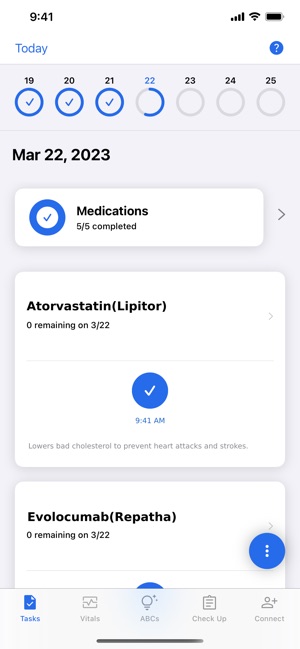
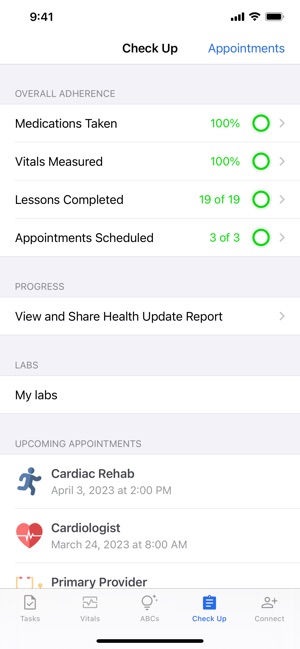
Corrie Health is a digital platform that supports patients recovering from a heart attack with tools for medication adherence, vital sign tracking, education, and care coordination. In an effectiveness study (N=1064), patients using the app had a 52% lower risk for all-cause, unplanned 30-day readmissions compared to a historical control group. The associated research concludes that the intervention may improve patient activation for healthcare self-management and lower the risk of readmission following a heart attack.

App Screenshots

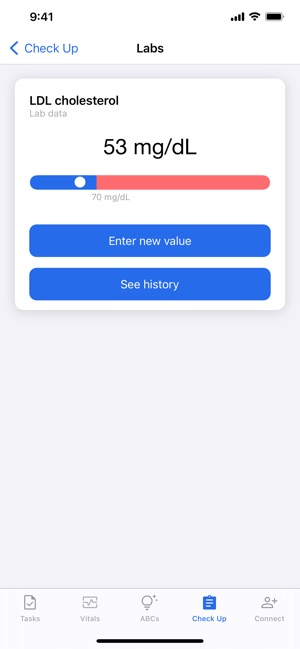
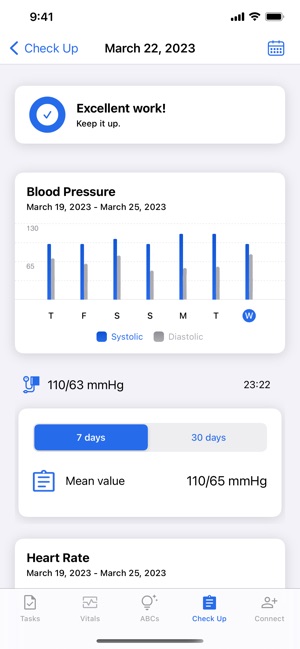
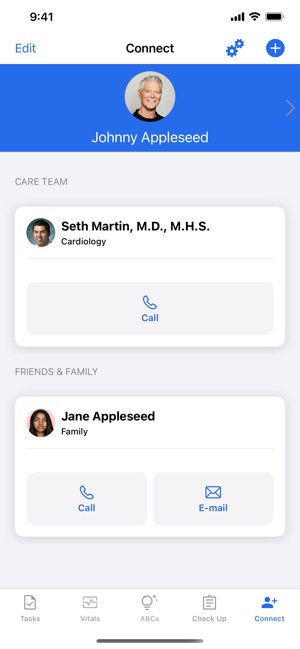
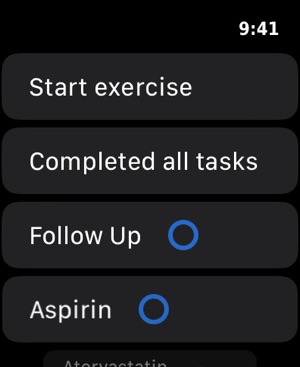
Corrie Health screenshot 1 of 14Corrie Health screenshot 2 of 14Corrie Health screenshot 3 of 14Corrie Health screenshot 4 of 14Corrie Health screenshot 5 of 14Corrie Health screenshot 6 of 14Corrie Health screenshot 7 of 14Corrie Health screenshot 8 of 14Corrie Health screenshot 9 of 14Corrie Health screenshot 10 of 14Corrie Health screenshot 11 of 14Corrie Health screenshot 12 of 14Corrie Health screenshot 13 of 14Corrie Health screenshot 14 of 14

Detailed Description

Functionality & Mechanism

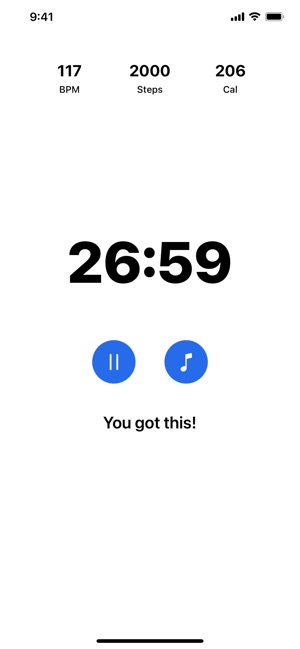
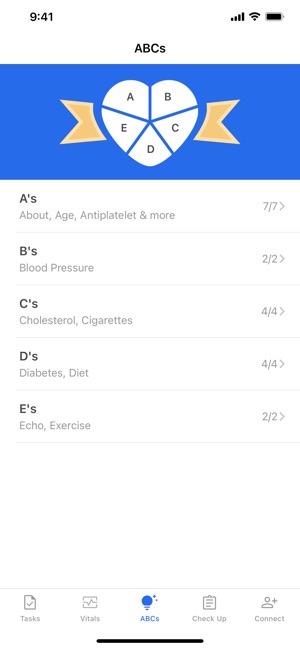
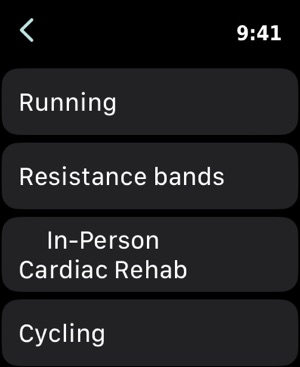
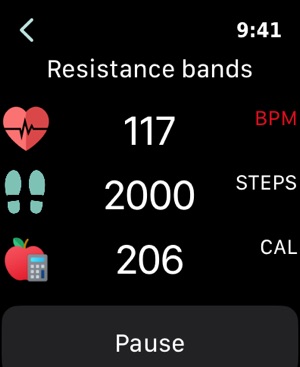
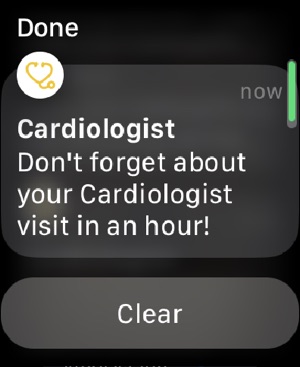
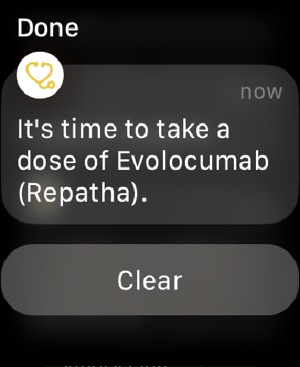
Developed at Johns Hopkins, the Corrie Health platform is a digital intervention for secondary prevention of cardiovascular events. The system integrates a smartphone application with an Apple Watch and a Bluetooth-enabled blood pressure monitor. Patients engage with modules that facilitate medication adherence, track vital signs, deliver educational content, and coordinate follow-up care. The platform leverages Apple's CareKit and HealthKit APIs to manage recovery progress, biometrics, and deliver scheduled reminders for tasks and appointments.

Evidence & Research Context

  • A comparative study (N=1064) of patients with acute myocardial infarction (AMI) found the intervention group had a 52% lower risk of all-cause 30-day readmissions compared to a historical control group.
  • In the same study, patients using the platform demonstrated high levels of activation for healthcare self-management at 30 days post-discharge.
  • A preliminary pilot study (N=60) established the feasibility of deploying the digital health platform within an acute care setting for patients hospitalized with AMI.
  • The platform's design, which supports guideline-directed medical therapy, has been demonstrated to be adoptable by patients with limited prior smartphone experience in a published case study.

Intended Use & Scope

The platform is designed for patients recovering from acute myocardial infarction (AMI) for use under clinical supervision. Its primary utility is as an adjunct tool to support self-management and adherence to guideline-directed secondary prevention strategies. The system does not provide medical diagnoses and is not a substitute for professional clinical care.

Studies & Publications

3 publications

Peer-reviewed research associated with this app.

Effectiveness/Outcome Study

Digital health intervention in acute myocardial infarction

Marvel et al. (2021) · Circulation: Cardiovascular Quality and Outcomes

Heart attack patients using the digital health program had fewer hospital readmissions than those receiving standard care.

Background: Thirty-day readmissions among patients with acute myocardial infarction (AMI) contribute to the US health care burden of preventable complications and costs. Digital health interventions (DHIs) may improve patient health care self-management and outcomes. We aimed to determine if patients with AMI using a DHI have lower 30-day unplanned all-cause readmissions than a historical control. Methods: This nonrandomized controlled trial with a historical control, conducted at 4 US hospitals from 2015 to 2019, included 1064 patients with AMI (DHI n=200, control n=864). The DHI integrated a smartphone application, smartwatch, and blood pressure monitor to support guideline-directed care during hospitalization and through 30-days post-discharge via (1) medication reminders, (2) vital sign and activity tracking, (3) education, and (4) outpatient care coordination. The Patient Activation Measure assessed patient knowledge, skills, and confidence for health care self-management. All-cause 30-day readmissions were measured through administrative databases. Propensity score–adjusted Cox proportional hazard models estimated hazard ratios of readmission for the DHI group relative to the control group. Results: Following propensity score adjustment, baseline characteristics were well-balanced between the DHI versus control patients (standardized differences <0.07), including a mean age of 59.3 versus 60.1 years, 30% versus 29% Women, 70% versus 70% White, 54% versus 54% with private insurance, 61% versus 60% patients with a non ST-elevation myocardial infarction, and 15% versus 15% with high comorbidity burden. DHI patients were predominantly in the highest levels of patient activation for health care self-management (mean score 71.7±16.6 at 30 days). The DHI group had fewer all-cause 30-day readmissions than the control group (6.5% versus 16.8%, respectively). Adjusting for hospital site and a propensity score inclusive of age, sex, race, AMI type, comorbidities, and 6 additional confounding factors, the DHI group had a 52% lower risk for all-cause 30-day readmissions (hazard ratio, 0.48 [95% CI, 0.26–0.88]). Similar results were obtained in a sensitivity analysis employing propensity matching. Conclusions: Our results suggest that in patients with AMI, the DHI may be associated with high patient activation for health care self-management and lower risk of all-cause unplanned 30-day readmissions. Registration: URL: https://www.clinicaltrials.gov ; Unique identifier: NCT03760796.
... Read More
Study Protocol

Corrie health digital platform for self-management in secondary prevention after acute myocardial infarction: Micore rationale and design

Spaulding et al. (2020) · Circulation: Cardiovascular Quality and Outcomes

Research study planned or in progress; results not yet available
Background: Unplanned readmissions after hospitalization for acute myocardial infarction (AMI) are among the leading causes of preventable morbidity, mortality, and healthcare costs. Digital health interventions (DHI) could be an effective tool in promoting self-management, adherence to guideline-directed therapy, and cardiovascular risk reduction. A DHI developed at Johns Hopkins—the Corrie Health Digital Platform (Corrie)—includes the first cardiology Apple CareKit smartphone application, which is paired with an Apple Watch and iHealth Bluetooth-enabled blood pressure cuff. Corrie targets: (1) self-management of cardiac medications, (2) self-tracking of vital signs, (3) education about cardiovascular disease through articles and animated videos, and (4) care coordination that includes outpatient follow-up appointments. Methods and Results: MiCORE's three phases include: (1) the development of Corrie, (2) a pilot study to assess the usability and feasibility of Corrie, and (3) a prospective research study to primarily compare time to first readmission within 30 days post-discharge among patients with Corrie to patients in the historical standard of care comparison group. In Phase 2, feasibility of deploying Corrie in an acute care setting was established among a sample of 60 AMI patients. Phase 3 is ongoing and patients from four hospitals are being enrolled as early as possible during their hospital stay if they are 18 years or older, admitted with AMI (STEMI or type I NSTEMI), and own a smartphone. Patients are either being enrolled with their own personal devices or they are provided an iPhone and/or Apple Watch for the duration of the study. Phase 3 started in October 2017 and we aim to recruit 140 participants. Conclusions: This manuscript will provide an in-depth understanding of the feasibility associated with implementing a DHI in an acute care setting, and the potential of Corrie as a self-management tool for AMI recovery.
... Read More

Corrie Health

Free