
AppsFromResearch
COVID Symptom icon

COVID Symptom

Evidence Tier:DOCUMENTED

Published in academic literature

For:Researchers & AcademicsGeneral Public & EnthusiastsPatients & Caregivers

App Summary

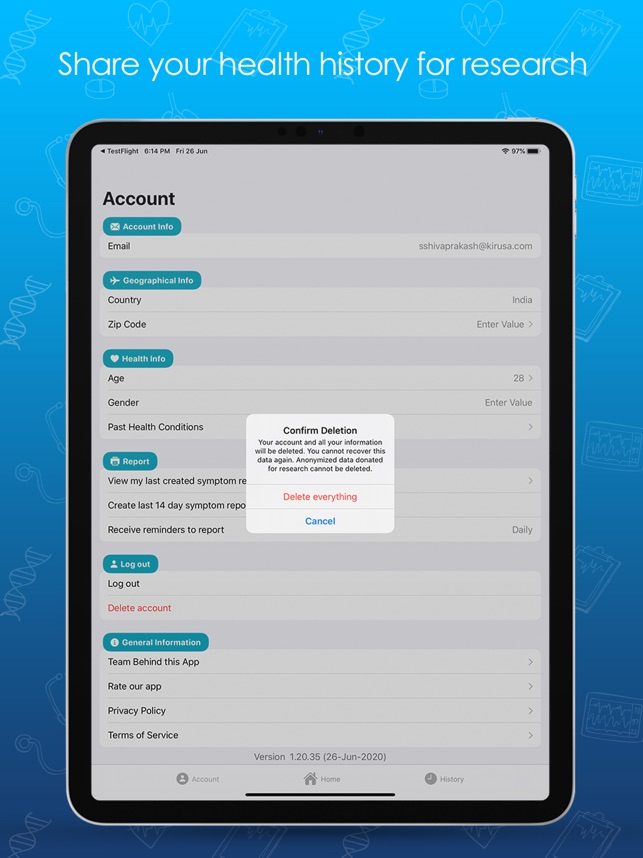
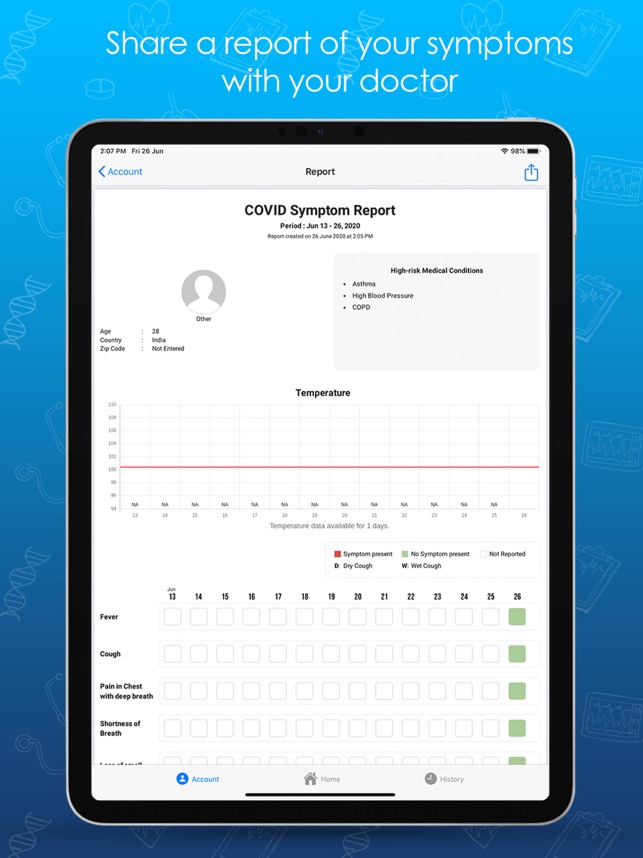
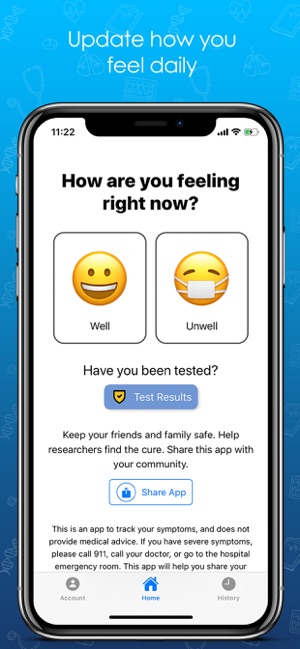
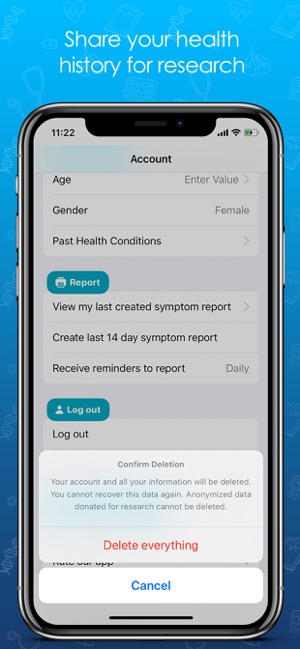
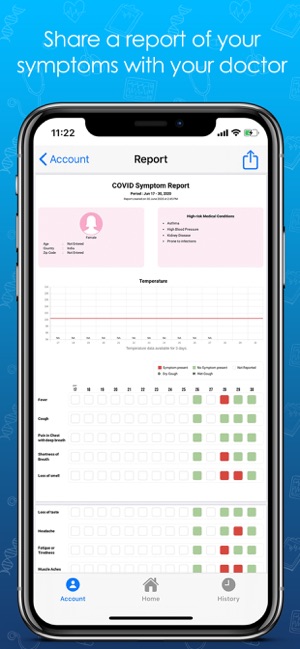
The COVID Symptom app allows individuals to track their symptoms, share reports with their doctor, and voluntarily contribute their data to help researchers model the prevalence of the disease. The associated research synthesized the landscape of self-reported symptom tracking programs, identifying common data elements collected to understand the pandemic's progression and public health impact. The authors conclude that data from such programs remains valuable for public health, especially if COVID-19 becomes a recurring illness.

App Screenshots

COVID Symptom screenshot 1 of 16COVID Symptom screenshot 2 of 16COVID Symptom screenshot 3 of 16COVID Symptom screenshot 4 of 16COVID Symptom screenshot 5 of 16COVID Symptom screenshot 6 of 16COVID Symptom screenshot 7 of 16COVID Symptom screenshot 8 of 16COVID Symptom screenshot 9 of 16COVID Symptom screenshot 10 of 16COVID Symptom screenshot 11 of 16COVID Symptom screenshot 12 of 16COVID Symptom screenshot 13 of 16COVID Symptom screenshot 14 of 16COVID Symptom screenshot 15 of 16COVID Symptom screenshot 16 of 16

Detailed Description

Functionality & Mechanism

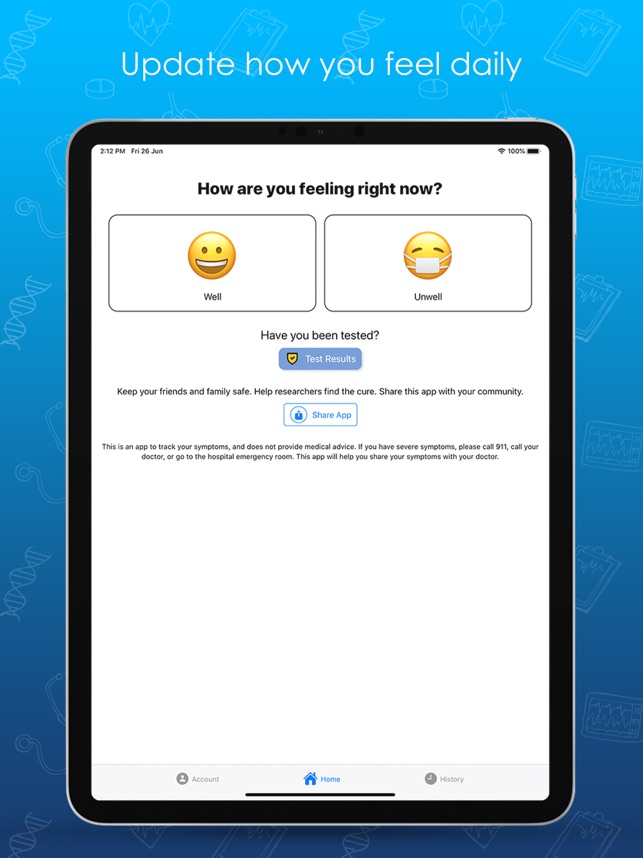
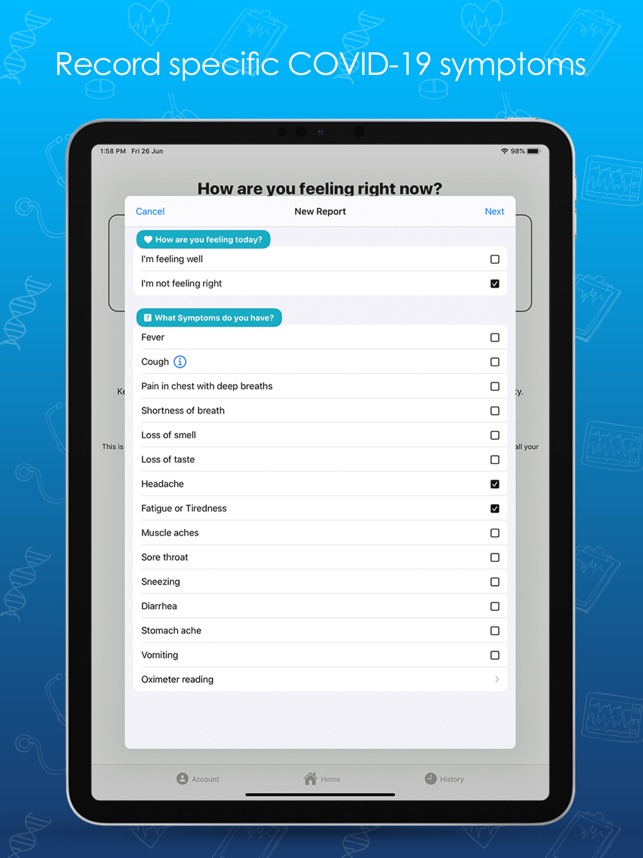
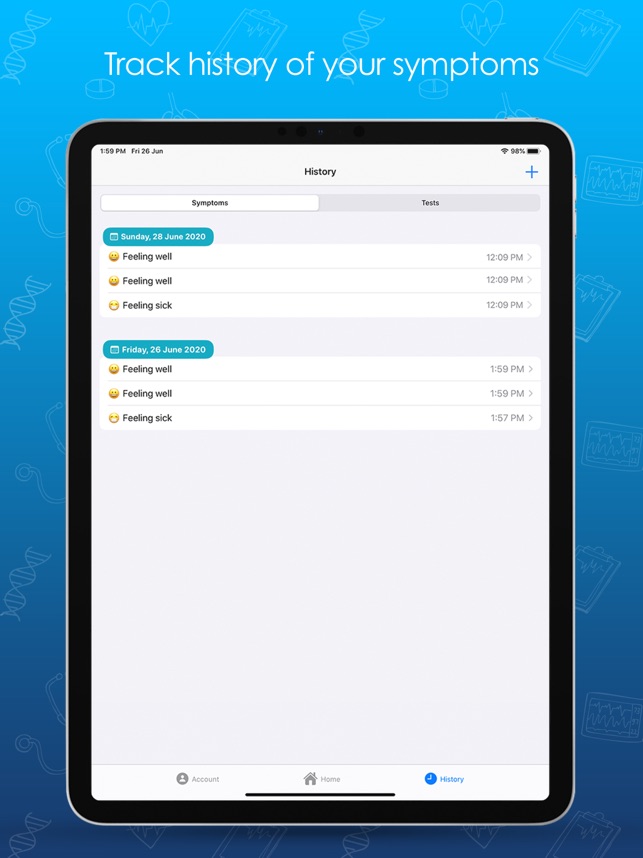
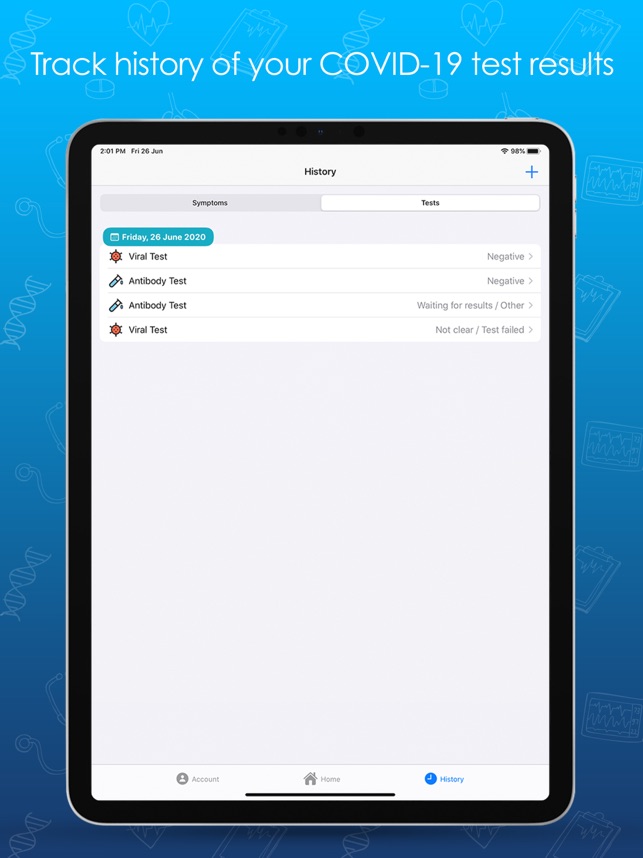
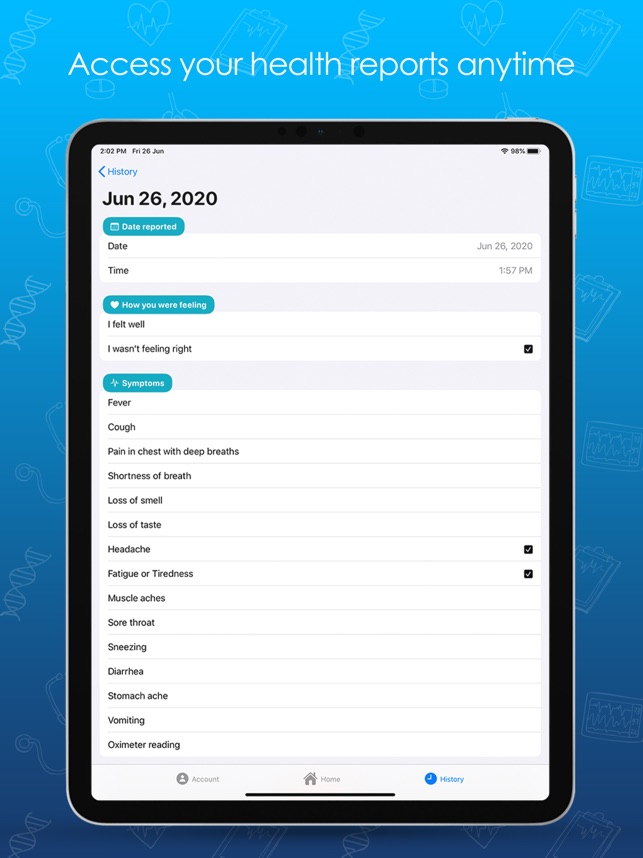
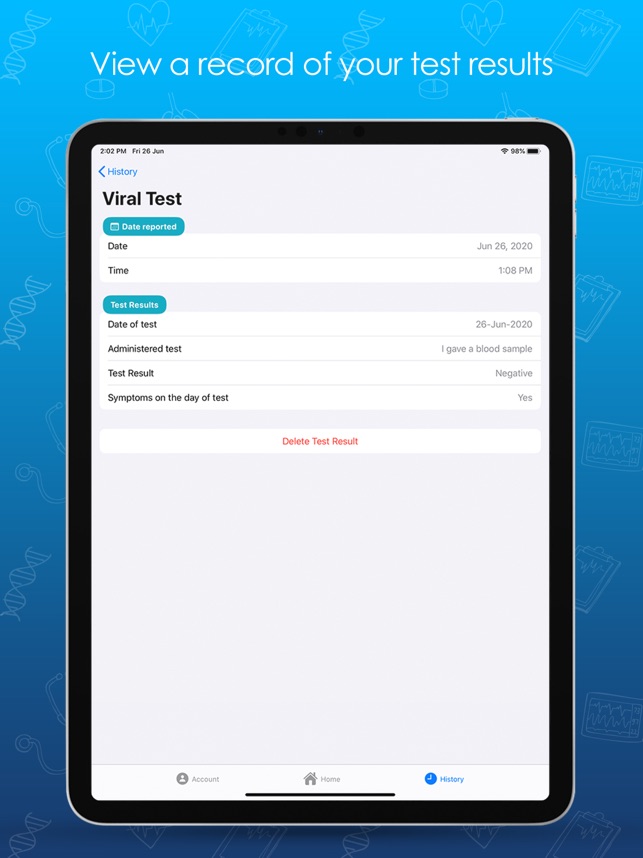
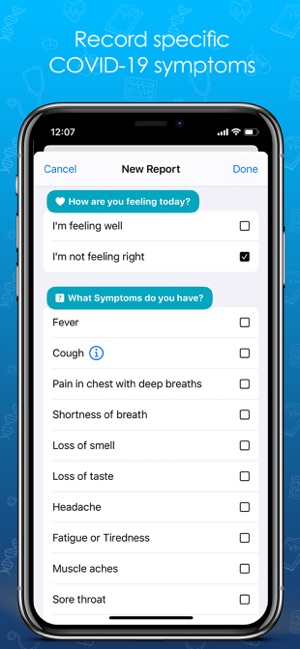
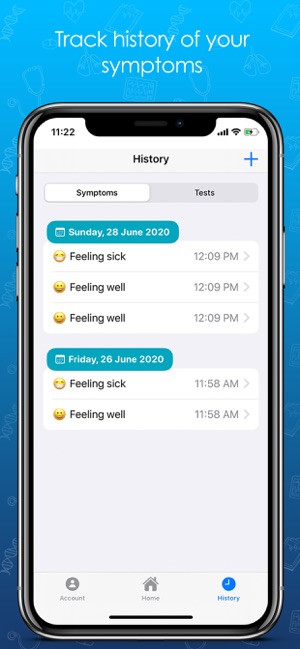
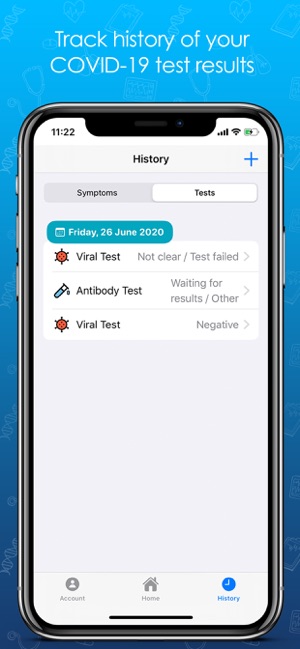
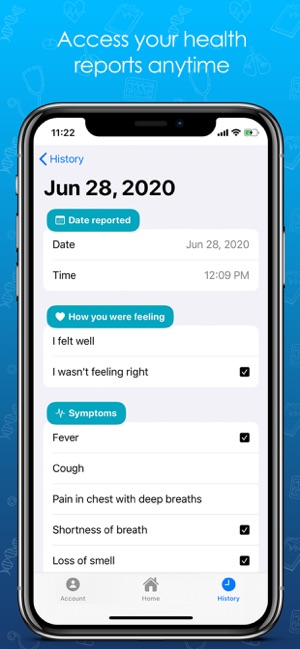
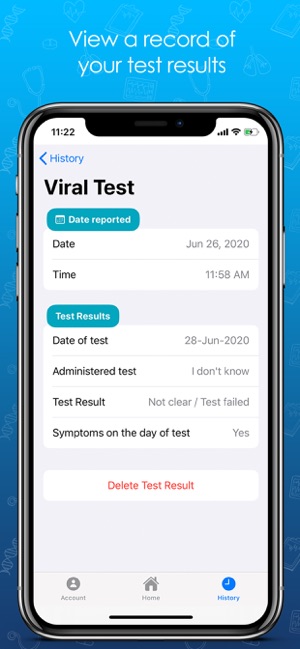
The COVID Symptom application is a citizen science tool that facilitates the longitudinal self-reporting of symptoms related to COVID-19. The interface prompts for daily input on a predefined list of key symptoms, compiles a historical log of all entries, and allows for the documentation of COVID-19 test results. The platform can generate a summary report of user-entered data for personal record-keeping. Anonymized, aggregated user data is contributed to a research database for epidemiological modeling.

Evidence & Research Context

  • This platform is a type of citizen science tool developed for public health surveillance, a category of app that proliferated early in the COVID-19 pandemic.
  • Associated research describes such self-reported symptom tracking programs as being typically affiliated with academic institutions like universities or schools of public health.
  • The primary scientific utility of these applications is the generation of large-scale, aggregated data to model and understand community-level symptom prevalence.
  • A 2021 framework synthesis of similar programs noted the value of their data for ongoing public health monitoring as the pandemic evolved.

Intended Use & Scope

This application is intended for the general public for personal symptom logging and for researchers utilizing aggregated, anonymized data. Its primary utility is for citizen science data collection and personal record-keeping. The system does not provide medical advice or diagnosis and is not a substitute for professional medical evaluation, particularly for severe symptoms.

Studies & Publications

1 publication

Peer-reviewed research associated with this app.

Non-Evaluative Reference

Re-examining COVID-19 Self-Reported Symptom Tracking Programs in the United States: Updated Framework Synthesis

Janvrin et al. (2021) · JMIR Public Health and Surveillance

Referenced in academic literature; no direct evaluation of the app
Background Early in the pandemic, in 2020, Koehlmoos et al completed a framework synthesis of currently available self-reported symptom tracking programs for COVID-19. This framework described relevant programs, partners and affiliates, funding, responses, platform, and intended audience, among other considerations. Objective This study seeks to update the existing framework with the aim of identifying developments in the landscape and highlighting how programs have adapted to changes in pandemic response. Methods Our team developed a framework to collate information on current COVID-19 self-reported symptom tracking programs using the "best-fit" framework synthesis approach. All programs from the previous study were included to document changes. New programs were discovered using a Google search for target keywords. The time frame for the search for programs ranged from March 1, 2021, to May 6, 2021. Results We screened 33 programs, of which 8 were included in our final framework synthesis. We identified multiple common data elements, including demographic information such as race, age, gender, and affiliation (all were associated with universities, medical schools, or schools of public health). Dissimilarities included questions regarding vaccination status, vaccine hesitancy, adherence to social distancing, COVID-19 testing, and mental health. Conclusions At this time, the future of self-reported symptom tracking for COVID-19 is unclear. Some sources have speculated that COVID-19 may become a yearly occurrence much like the flu, and if so, the data that these programs generate is still valuable. However, it is unclear whether the public will maintain the same level of interest in reporting their symptoms on a regular basis if the prevalence of COVID-19 becomes more common.
... Read More

COVID Symptom

Free