
Digital Medic
Published in academic literature
App Summary
App Screenshots






Detailed Description
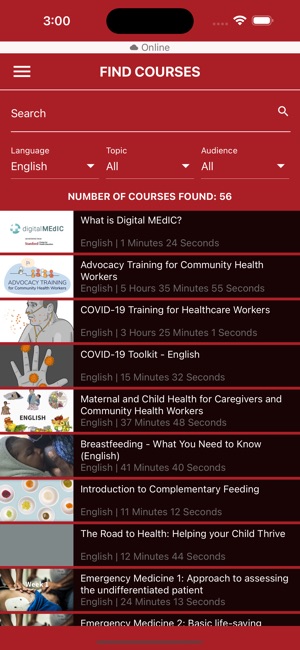
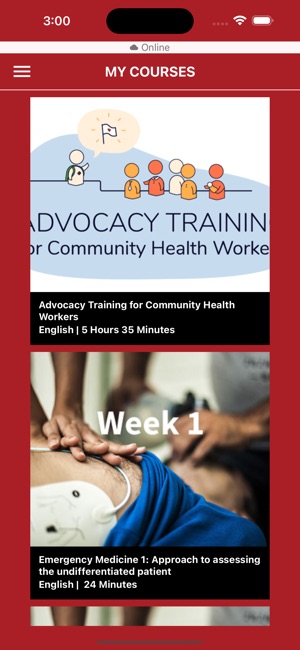
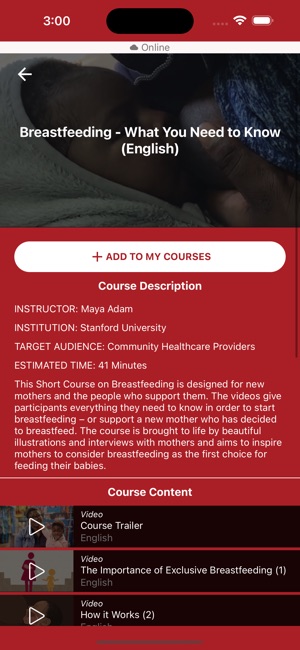
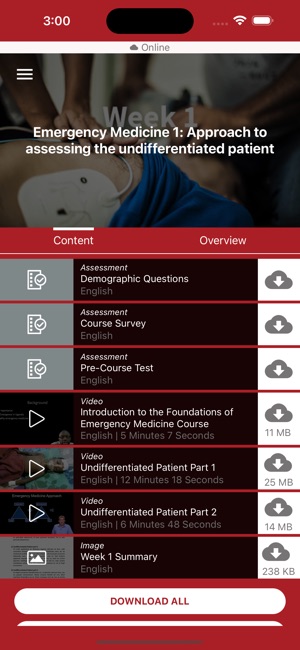
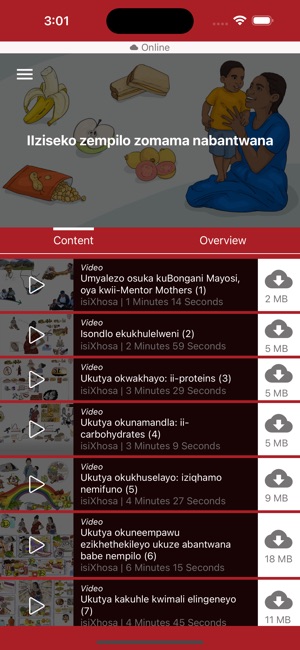
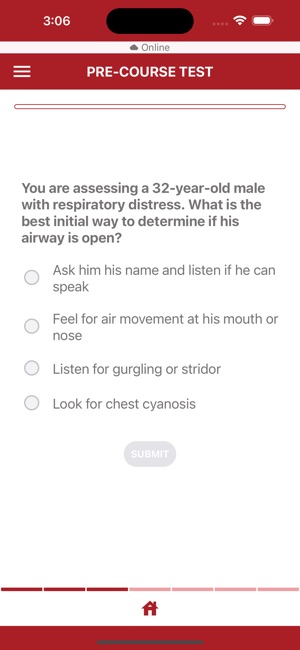
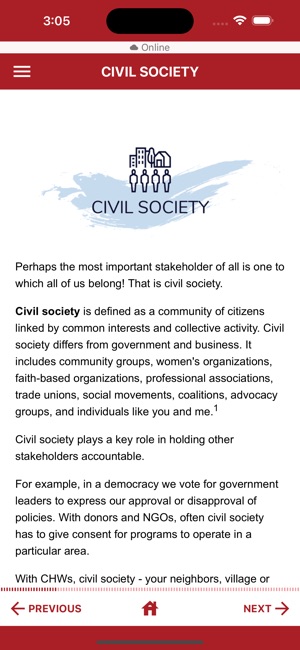
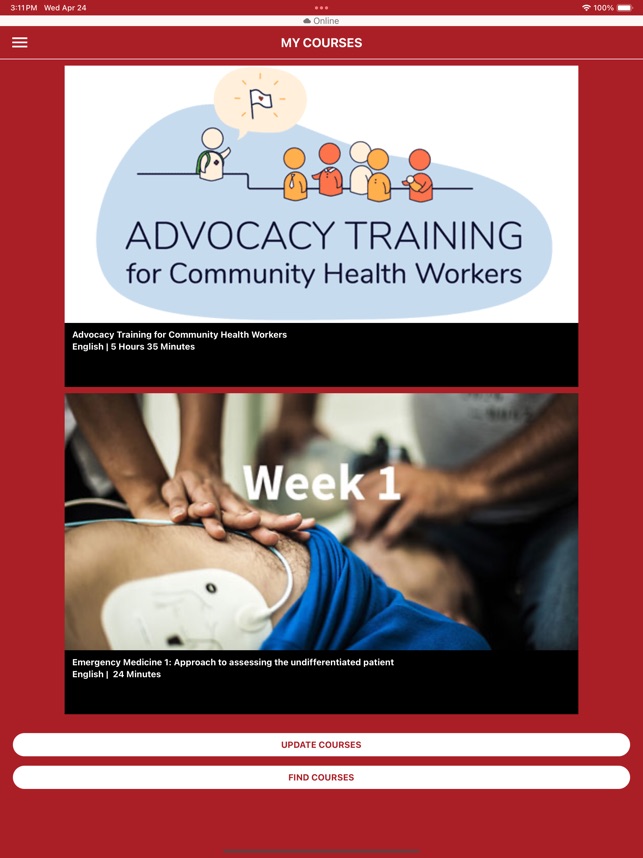
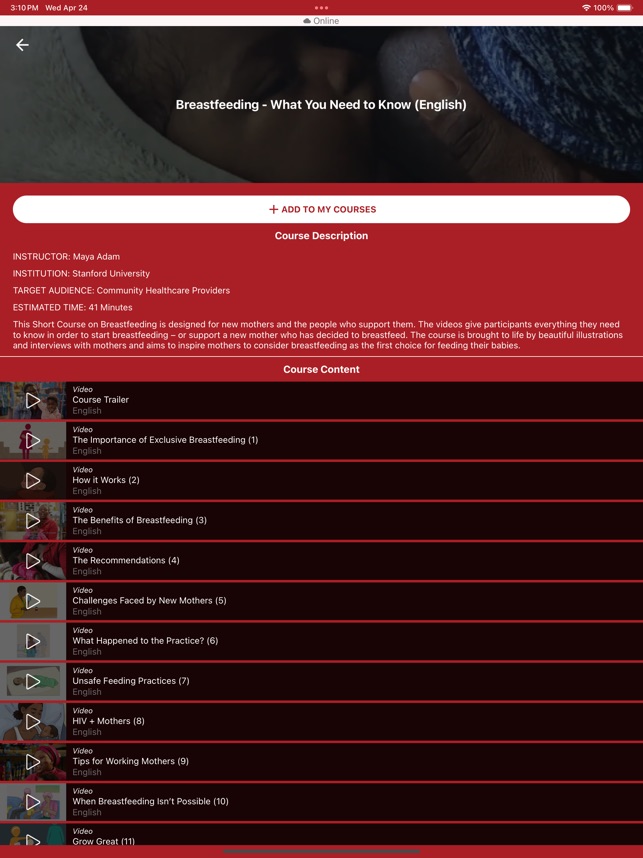
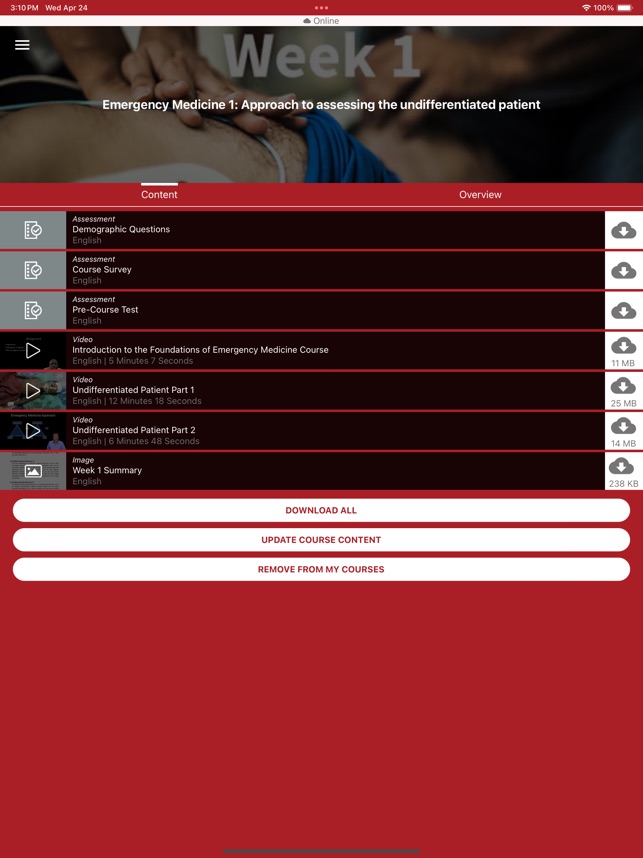
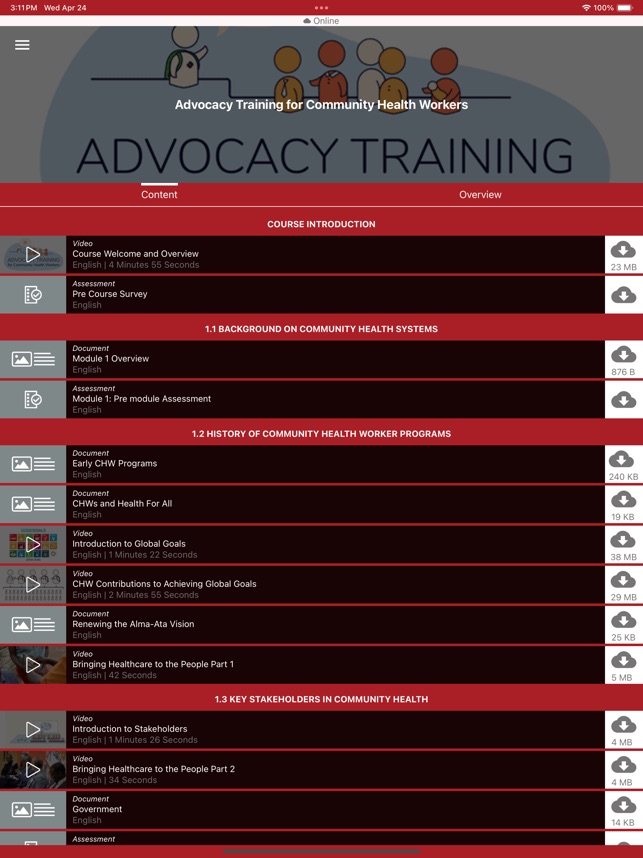
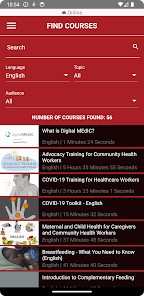
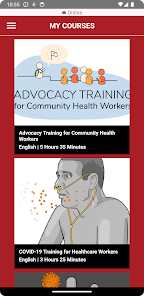
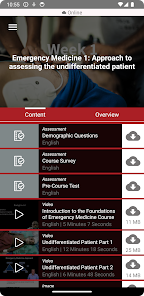
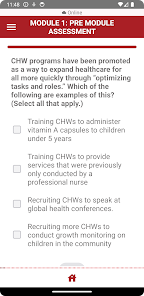
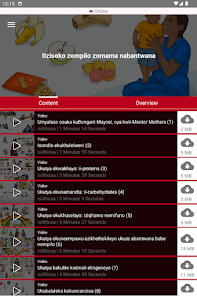
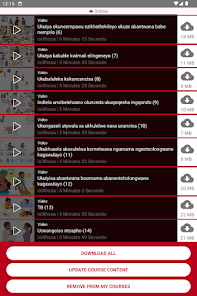
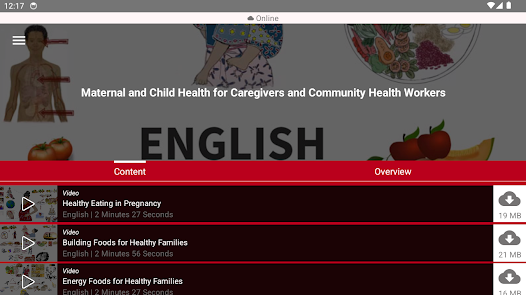
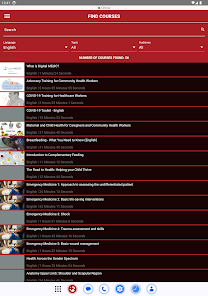
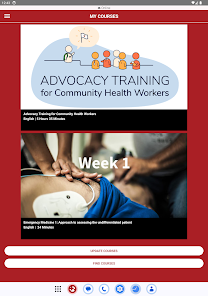
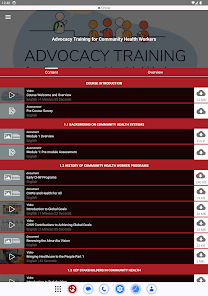
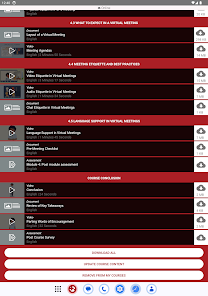
Functionality & Mechanism Developed by the Stanford Center for Health Education, Digital Medic functions as a repository of evidence-based health education resources. The interface provides access to video-based modules, informational content, and assessments across topics including emergency medicine, nutrition, and maternal health. The system supports multi-language content and facilitates offline use through a download function, enabling access in low-connectivity settings. Core functionality centers on equipping frontline healthcare providers with vetted educational materials for community use.
Evidence & Research Context
- The platform's content creation methodology is detailed in a development paper, outlining a human-centered, community-based design framework.
- This design process necessitates collaboration with target communities and local stakeholders to ensure content relevance and cultural alignment.
- The stated goal of this participatory approach is to foster community ownership and increase the likelihood of effective dissemination.
- The design protocol emphasizes content adaptability and scalability to support implementation across diverse global health contexts.
Intended Use & Scope This application is designed for community health workers and frontline care providers as a professional educational resource. Its primary utility is to supply vetted, adaptable health information for patient and community education. The platform does not provide clinical decision support or diagnostic guidance and is not a substitute for formal medical training or direct clinical consultation.
Studies & Publications
Peer-reviewed research associated with this app.
Human-Centered Design of Video-Based Health Education: An Iterative, Collaborative, Community-Based Approach
Adam et al. (2018) · Journal of Medical Internet Research
Describes the research-driven development of this appIn the Media
Strengthening Maternal and Infant Care through GenAI Mobile Messaging
Stanford Center for Health Education developed Digital Medic to improve maternal and infant care in South Asia, partnering with Noora Health to study AI integration into mobile messaging programs. A randomized trial conducted by Digital Medic found significant improvement in neonatal and maternal health practices at six weeks postpartum. With Stage 2 funding from Stanford Impact Labs, Digital Medic continues studying how generative AI can automate routine interactions while preserving health benefits.
Stanford's Digital Medic equips community health workers worldwide to promote vaccines
Stanford Medicine's Digital Medic team developed the app to equip community health workers worldwide with vaccine education tools, using an avatar named Sarah who guides users through 10 videos on vaccine basics and COVID-19 protection. Digital Medic built the "Supporting Vaccination" toolkit in collaboration with community health workers from organizations Philani and One to One Africa. The training serves dual purposes by educating health workers while providing resources they can share with clients to overcome vaccine reluctance and misinformation.
Digital Medic Mobile App Available for iOS and Android
Stanford School of Medicine developed Digital Medic to address preventable childhood deaths in underserved communities, using video-based health education content that works offline. The app allows community health workers to download content at central WiFi locations and deliver education in remote areas, then return to send analytics back to improve program quality. "We are excited to help facilitate healthcare professionals' ability to access content on-the-go," said Charles Prober, MD, founding executive director of Digital Medic.
App Information
Developer
Stanford UniversityCategory
Evidence Profile
Published in academic literature
Platforms
Updated
Apr 2025
© 2025 Stanford University