

Heart Failure Risk Score
Published in academic literature
App Summary
App Screenshots
Detailed Description
Functionality & Mechanism
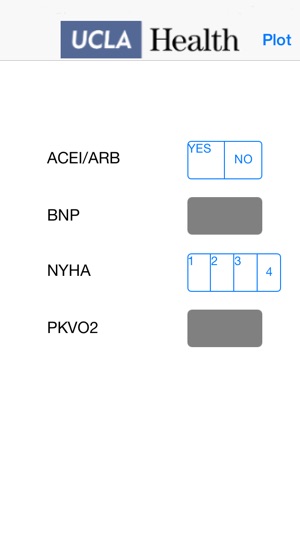
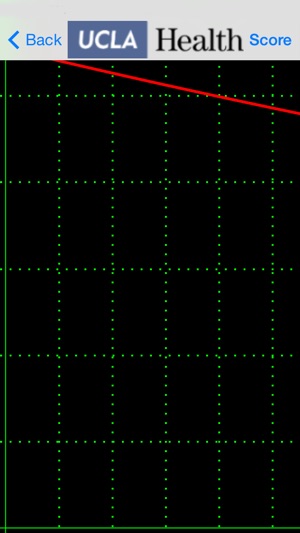
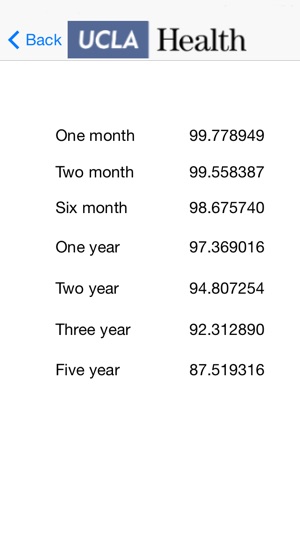
Developed at the Ahmanson-UCLA Cardiomyopathy Center, this clinical reference tool generates survival probability estimates for patients with chronic heart failure. The system facilitates rapid risk stratification by capturing four key patient characteristics: B-type natriuretic peptide levels, peak oxygen consumption (pkVO₂), New York Heart Association (NYHA) classification, and use of an angiotensin-converting enzyme inhibitor or angiotensin receptor blocker. The interface processes these inputs to deliver a quantitative prognostic score, informing clinical management.
Evidence & Research Context
- The four-variable risk model was developed and validated in a cohort of 2,255 patients with advanced heart failure at a single, specialized academic center.
- In the validation cohort, the model demonstrated strong discriminative ability for the primary endpoint of death, urgent transplantation, or ventricular assist device implantation (c-index: 0.791).
- The model's performance exceeded that of the Seattle Heart Failure Model and the Heart Failure Survival Score within the study population.
- The associated research confirmed the prognostic utility of the four variables in both male and female patients, supporting a unified scoring approach.
Intended Use & Scope
This calculator is designed for clinicians managing patients with advanced chronic heart failure. Its primary utility is for prognostic risk stratification to supplement clinical decision-making. The score is an informational aid and does not replace comprehensive clinical judgment or serve as a standalone diagnostic tool. Clinicians should interpret results within the context of established practice guidelines.
Studies & Publications
Peer-reviewed research associated with this app.
Four-Variable Risk Model in Men and Women With Heart Failure
Chyu et al. (2013) · Circulation: Heart Failure
Referenced in academic literature; no direct evaluation of the appApp Information
Category
Evidence Profile
Published in academic literature
Platforms
Updated
May 2014
© 2025 University of California, Los Angeles
Tags



Heart Failure Risk Score
Free